Dogs can safely eat bananas as an occasional, healthy treat when given in moderation. These yellow fruits are packed with essential vitamins and minerals that can benefit your canine companion. However, bananas contain a significant amount of sugar, so you should only offer them sparingly. Overfeeding can lead to digestive upset or contribute to weight gain, so they should not be a regular part of your dog’s daily diet.
This guide explains the specific nutritional benefits bananas offer to dogs and provides clear advice on appropriate serving sizes and frequency based on dog size. It also covers safe preparation methods, when puppies can eat bananas, and important distinctions between bananas and other fruits like grapes. You will also learn about the safety of banana peels and banana chips, and how to combine bananas with other dog-safe foods.
Can Dogs Eat Bananas Safely?
Yes, dogs can eat bananas. They are generally considered a safe and healthy treat when you give them in moderation. These yellow fruits are packed with essential vitamins and minerals that can benefit your canine companion. However, you must understand the appropriate serving sizes and preparation methods to avoid any potential issues.

Bananas can be a nutritious and enjoyable treat for most dogs when offered correctly.
While bananas offer a range of health benefits, they also contain a significant amount of sugar. You should only offer them as an occasional treat. Do not make them a regular part of your dog’s daily diet. Overfeeding bananas can lead to digestive upset or contribute to weight gain over time.
Why Can Dogs Eat Bananas? The Nutritional Benefits
Bananas are more than just a sweet snack. They are a nutritional powerhouse for dogs, just as they are for humans. When you give them in appropriate amounts, they contribute several key nutrients that support overall canine health.
- Potassium: This vital electrolyte helps maintain proper fluid balance, nerve function, and muscle health. It’s particularly important for heart health and muscle contractions.
- Vitamin B6: Essential for glucose generation, red blood cell and nervous system function, hormone regulation, and immune response.
- Vitamin C: While dogs produce their own Vitamin C, additional amounts from natural sources like bananas can support their immune system and act as an antioxidant, helping to reduce inflammation.
- Fibre: Both soluble and insoluble fibre are present. Fibre aids in digestion, promoting regular bowel movements and helping to manage issues like constipation or diarrhoea. It also contributes to a feeling of fullness, which can be helpful for weight management.
- Magnesium: Important for bone health, energy production, and nerve function.
These nutrients make bananas a much healthier alternative to many processed dog treats, especially those high in artificial colours, flavors, and preservatives. However, you only realize the benefits when you give bananas as a supplement to a balanced, complete dog food diet.
How Much and How Often Can Dogs Eat Bananas?
Moderation is the golden rule when you feed bananas to your dog. While beneficial, their high sugar content means they should never be an everyday food item. Do not make them a significant portion of your dog’s caloric intake.
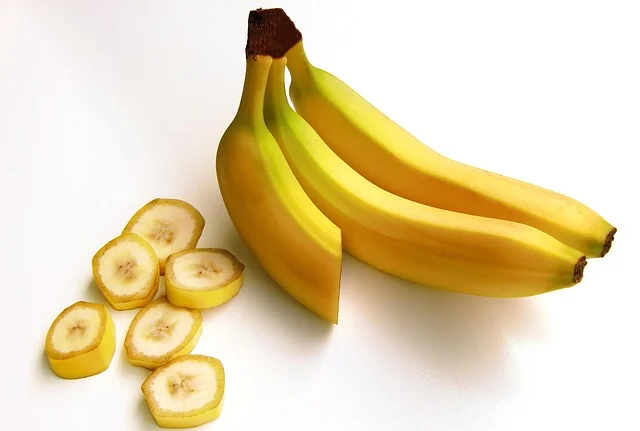
- Small Dogs (e.g., Chihuahuas, Miniature Dachshunds): A small slice (about 1/4 to 1/2 inch thick) once or twice a week is ample.
- Medium Dogs (e.g., Beagles, Spaniels): Two or three small slices a few times a week should be the maximum.
- Large Dogs (e.g., Labradors, German Shepherds): Up to half a banana, split into several small pieces, two or three times a week.
It is advisable to always start with a very small amount to see how your dog reacts. Some dogs might have more sensitive stomachs than others. If you notice any signs of digestive upset, such as diarrhoea, vomiting, or excessive gas, discontinue feeding bananas and consult your vet.
The bulk of their diet should always come from high-quality, nutritionally complete dog food.
How Can Dogs Eat Bananas? Safe Preparation Tips
Preparing bananas for your dog is straightforward, but a few simple steps ensure their safety and enjoyment.
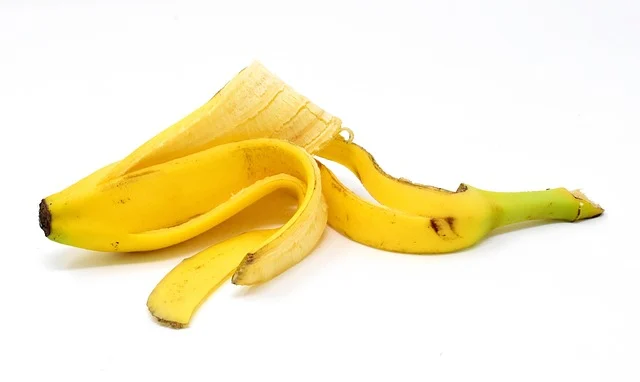
- Peel the Banana: Always remove the peel before offering a banana to your dog. While banana peels are not toxic, they are very difficult for dogs to digest and can cause intestinal blockages, especially in smaller breeds. The fibrous texture can be tough on their digestive system.
- Cut into Small, Manageable Pieces: Choking is a risk, particularly for enthusiastic eaters. Slice the banana into small, bite-sized rounds or mash it. For puppies or very small dogs, mashing is often the safest option.
- Serve Plain: Offer plain, fresh banana. Avoid adding sugar, honey, or other flavorings. While some dogs might enjoy combinations, these additions can increase sugar content or introduce ingredients that are not suitable for dogs.
- Frozen Treats: For a refreshing summer treat, you can freeze small banana slices. This can be particularly appealing on a hot day and can also help slow down fast eaters.
- Mashed or Pureed: If your dog is prone to gulping or has dental issues, mashing or puréeing the banana can make it easier to eat. You can also mix a small amount into their regular food.
Always supervise your dog when introducing a new food, especially if it’s something they haven’t tried before. This allows you to monitor for any adverse reactions or choking hazards.
When Can Puppies Eat Bananas?
Puppies can generally eat bananas, but with even greater caution and in much smaller quantities than adult dogs. Their digestive systems are more sensitive and still developing.
We recommend waiting until your puppy is at least 8 to 10 weeks old. Then you can introduce human foods beyond their specialized puppy food. When you do introduce bananas, start with a tiny, mashed amount – perhaps a pea-sized portion. Observe them closely for any signs of stomach upset.
Puppies require a very specific balance of nutrients for their rapid growth and development, which their high-quality puppy food provides. Treats like bananas should be very infrequent and minimal so as not to disrupt their primary nutritional intake or cause digestive issues.
Why Can Dogs Eat Bananas But Not Grapes?
This is a crucial distinction to understand, as not all fruits are safe for dogs. The difference between bananas and grapes highlights the importance of knowing which human foods are acceptable and which are toxic.
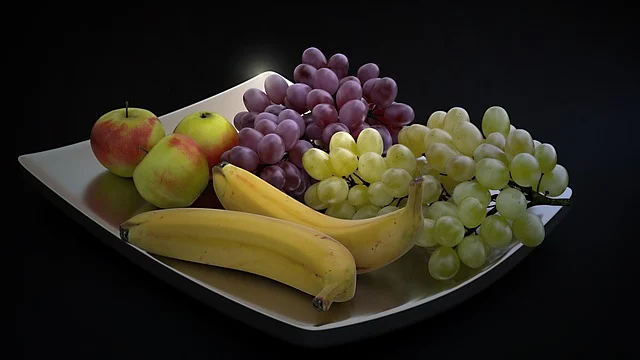
- Bananas: As discussed, bananas are safe for dogs in moderation. They contain beneficial nutrients. We do not know them to cause toxic reactions.
- Grapes and Raisins: These fruits are highly toxic to dogs. Even a small amount can cause acute kidney failure, which can be fatal. The exact toxic compound in grapes and raisins is still unknown. However, their danger is well-established across all dog breeds and sizes.
The key takeaway here is that you should never assume a fruit or vegetable is safe for your dog just because it’s safe for humans. Always research or consult your vet before introducing any new food item. This is why we stress the importance of understanding the specific safety profiles of different foods.
Can Dogs Eat Banana Peels?
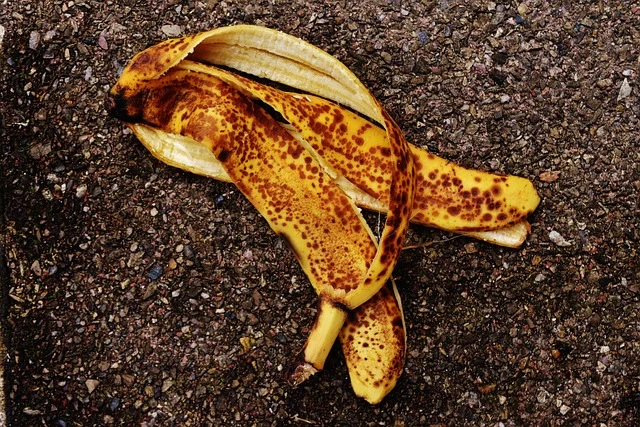
No, dogs should not eat banana peels. While banana peels are not considered toxic in the same way grapes are, they are incredibly difficult for a dog’s digestive system to process. Their fibrous nature can lead to several problems:

- Choking Hazard: The thick, leathery texture of the peel can be a choking hazard, especially for smaller dogs or those who tend to gulp their food.
- Digestive Blockage: The indigestible fibre can accumulate in the digestive tract, potentially causing an intestinal blockage. This is a serious condition that often requires veterinary intervention.
- Stomach Upset: Even if a blockage doesn’t occur, eating peels can lead to stomach upset, vomiting, or diarrhoea due to the difficulty in digestion.
Always remove the peel entirely before offering any banana to your dog. If your dog accidentally ingests a small piece of banana peel, monitor them closely for any signs of distress. If they eat a significant amount, or if you notice vomiting, lethargy, or straining to defecate, contact your vet immediately.
Can Dogs Eat Banana Chips?
While fresh bananas are a healthy option, you should generally not recommend banana chips for dogs. At least give them with extreme caution and only if they are unsweetened and unseasoned.
- Added Sugar and Preservatives: Most commercially available banana chips are fried. They contain added sugars, salts, and sometimes preservatives. These additives can negate the health benefits of the fruit. They contribute to weight gain, dental problems, and other health issues for your dog.
- High Calorie Density: Due to the drying process, banana chips are much more calorie-dense than fresh bananas. A small handful of chips can contain the sugar and calories of an entire fresh banana or more.
- Choking Hazard: The crunchy, sometimes brittle texture of banana chips can also pose a choking risk, similar to the peels, if not broken into very small pieces.
If you absolutely want to offer banana chips, ensure they are homemade, baked (not fried), and contain absolutely no added ingredients. Even then, due to the concentrated sugar, you should give them very sparingly – perhaps one or two small pieces as an occasional treat.
Combining Bananas with Other Dog-Safe Foods
Bananas can be a great addition to other dog-safe fruits and foods, creating even more appealing and nutritious treats. Here are some popular and safe combinations:

- Bananas and Peanut Butter: A classic combination! Ensure the peanut butter is unsweetened, unsalted, and, most importantly, free of Xylitol (a sugar substitute toxic to dogs). You can mash bananas with a small dollop of peanut butter or spread a thin layer on a banana slice.
- Bananas and Strawberries: Strawberries are another dog-safe fruit, rich in Vitamin C. Mash them together for a fruity puree or offer small, mixed pieces.
- Bananas and Blueberries: Blueberries are tiny powerhouses of antioxidants. Combine mashed banana with a few blueberries for a healthy snack.
- Bananas and Apples: Apples (without seeds or core) provide fibre and vitamins. You can mix small pieces of apple with banana or make a fruit salad.
- Bananas and Plain Yoghurt: You can mix a small amount of plain, unsweetened, natural yogurt with mashed banana for a probiotic-rich treat. Ensure it contains no artificial sweeteners.
When combining foods, always ensure all ingredients are safe for dogs individually and introduce new combinations slowly.
Potential Risks and Who Should Avoid Bananas
While generally safe, bananas are not suitable for every dog, and there are a few potential risks to be aware of.
- High Sugar Content: As mentioned, the natural sugars in bananas can be problematic for dogs with diabetes or those prone to weight gain. If your dog has diabetes, always consult your vet before introducing any new food, including bananas.
- Digestive Upset: Even in healthy dogs, overfeeding bananas can lead to stomach upset, including vomiting, diarrhoea, or constipation, due to the sudden increase in fibre or sugar. Introduce them slowly and in small amounts.
- Allergies: Though rare, some dogs can be allergic to bananas. Watch for signs such as itching, skin rashes, swelling, or digestive upset after consumption. If you suspect an allergy, discontinue use and consult your vet.
- Potassium Levels: While potassium is beneficial, excessive amounts can be harmful, particularly for dogs with kidney issues. If your dog has a pre-existing health condition, especially kidney disease, always check with your vet before adding bananas to their diet.
It is always advisable to discuss any significant dietary changes or the introduction of new human foods with your veterinarian, especially if your dog has any underlying health conditions or is on a specific diet. They can provide tailored advice based on your dog’s individual needs.
Sources: Corn dog, Can Dogs Eat Bananas?
Frequently asked questions
Can dogs eat bananas every day?
No, dogs should not eat bananas every day. Bananas are high in natural sugars. While healthy, you should only give them as an occasional treat in moderation. This prevents weight gain, dental issues, or digestive upset.
What happens if a dog eats too much banana?
If a dog eats too much banana, they may experience digestive upset, including vomiting, diarrhoea, or constipation, due to the high fibre and sugar content. Over time, excessive banana consumption can also contribute to weight gain.
Are bananas good for a dog’s upset stomach?
While the fibre in bananas can sometimes help regulate digestion, they are not a primary remedy for an upset stomach. If your dog has an upset stomach, it’s best to consult your vet for appropriate treatment rather than offering bananas, as the sugar content could potentially worsen some conditions.
Can dogs eat unripe or green bananas?
It’s best to offer ripe bananas to dogs. Unripe or green bananas contain more starch and less sugar, but they can be even harder for a dog’s digestive system to break down, potentially leading to increased stomach upset or constipation.