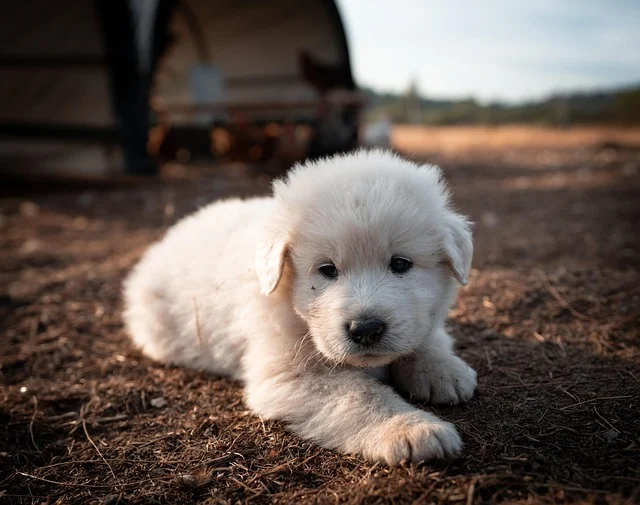
The Great Pyrenees is a large, calm, and protective livestock guardian dog breed known for its thick white double coat, independent temperament, and gentle loyalty to its family. Males weigh 100–160 pounds and females 85–115 pounds, requiring secure high fencing, early socialization, regular grooming, and moderate daily exercise.
What is a Great Pyrenees and where does the breed come from?
The Great Pyrenees, also known as the Pyrenean Mountain Dog or ‘Patou’ in France, boasts a rich history. This history stretches back thousands of years. The breed originated in the Pyrenees Mountains, which separate France and Spain. People selectively developed this breed as an independent livestock guardian. Its primary role was working alongside shepherds. They protected flocks of sheep against predators such as wolves and bears.
Their ancient heritage shaped their physical and behavioral traits. According to the Great Pyrenees Club of America (GPCA), their thick, white double coat provided camouflage among snowy mountain peaks. It also provided insulation against freezing winter weather and blistering summer sun. A unique physical trait of the breed is their double dewclaws on each rear leg. These provided extra traction when navigating steep, icy mountain terrain.
Adult male Great Pyrenees typically stand 27 to 32 inches at the shoulder. They weigh between 100 and 160 pounds. Females stand 25 to 29 inches tall and weigh 85 to 115 pounds. A dignified, composed expression and a steady gait balance their massive frame. This gait is designed for long hours of mountain endurance.
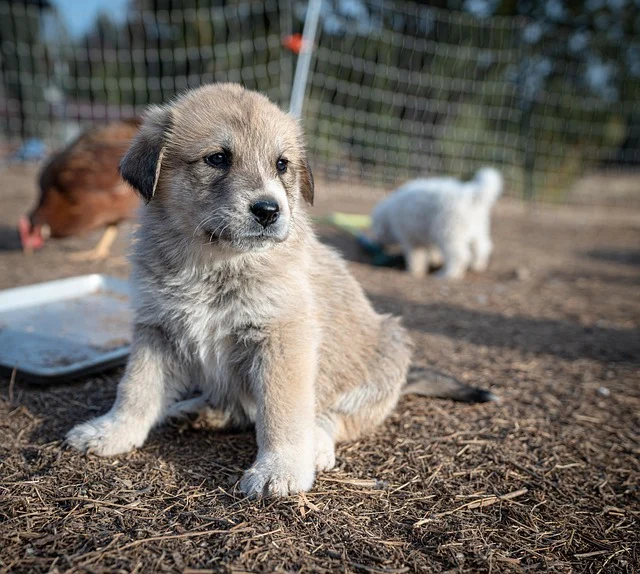
What is the temperament and behavior of a Great Pyrenees?
Great Pyrenees possess a dual nature. It blends deep affection with fierce independence. Within the family circle, people recognize them for their calm, gentle, and quiet demeanor. They display immense patience with children. They often act as watchful, tender companions. However, their livestock guardian roots mean they evaluate situations independently. They do not wait for human directions.
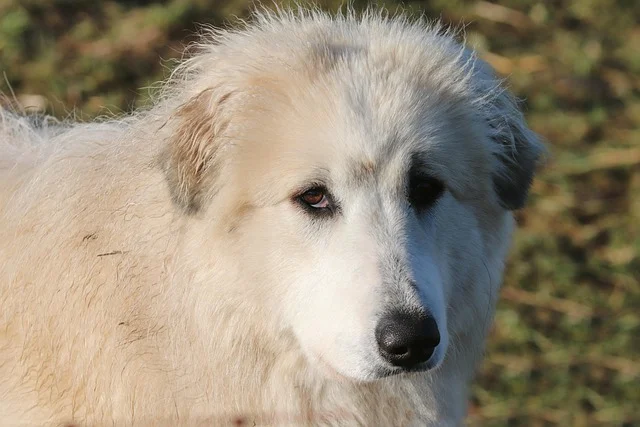
Key behavioral characteristics of the Great Pyrenees include:
- Territorial instinct: They view their home, yard, and human family as their flock, staying vigilant against potential intrusions.
- Aloofness toward strangers: While they are rarely aggressive without cause, they remain polite yet distant with unfamiliar guests. Their owner must reassure them.
- Nocturnal alertness: Livestock guardians were bred to watch for predators at night. Consequently, a Great Pyrenees may bark at strange noises or shadows after sunset.
- Wanderlust: Bred to patrol vast ranges, an unsecured Pyrenees will wander for miles to expand their territory. Off-leash reliability is extremely rare in this breed.
Who is a Great Pyrenees not suited for?
This breed is not suitable for apartment dwellers, people seeking a highly responsive off-leash companion, or owners who cannot tolerate heavy seasonal shedding and barking. If you live in close proximity to sensitive neighbors, their instinctual nocturnal barking can create friction unless the dog sleeps indoors overnight.
How do you meet a Great Pyrenees’s housing and exercise needs?
Given their substantial size and patrolling instincts, Great Pyrenees require ample physical living space. A suburban home with a large, securely fenced yard provides the safest environment. Standard four-foot fences are often insufficient. You need a sturdy fence measuring at least 5 to 6 feet high to keep an agile Pyr from vaulting over. You should also dig-proof the perimeter with buried wire or concrete footers, as they are capable diggers when bored.
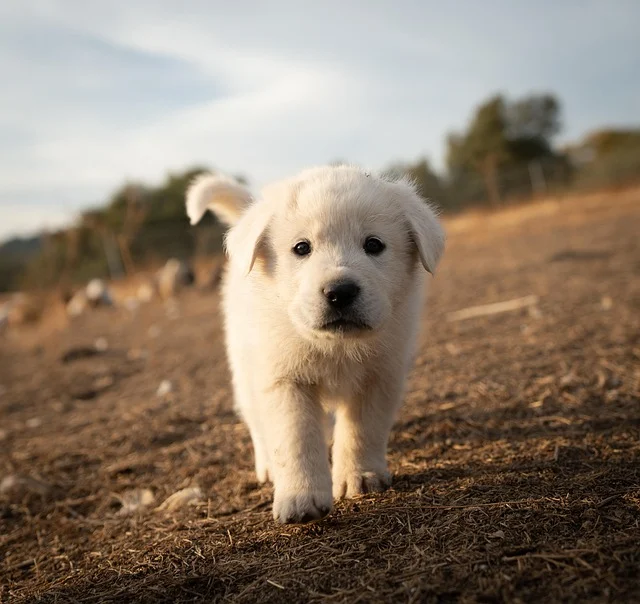
Despite their physical size, Great Pyrenees are not high-energy dogs. They conserve energy during the day. They require moderate daily exercise to maintain muscle tone and mental health. A couple of brisk 20-to-30-minute walks daily are usually sufficient. Schedule these during cooler morning or late evening hours to protect them from overheating.
Over-exercising growing puppies can cause irreversible damage to their developing growth plates and joints. You should avoid forced running, long hikes, or strenuous agility work. Do this until the dog reaches full skeletal maturity around two years of age.
How do you train an independent livestock guardian dog?
Training a Great Pyrenees requires a mindset shift. This is compared to working with eager-to-please breeds like Retrievers or Shepherds. People selected Pyrs for centuries to make self-directed decisions in remote hills. They did this without human oversight. When you give a command, a Great Pyrenees processes it. It assesses whether it makes sense to them, and decides when or if to comply.
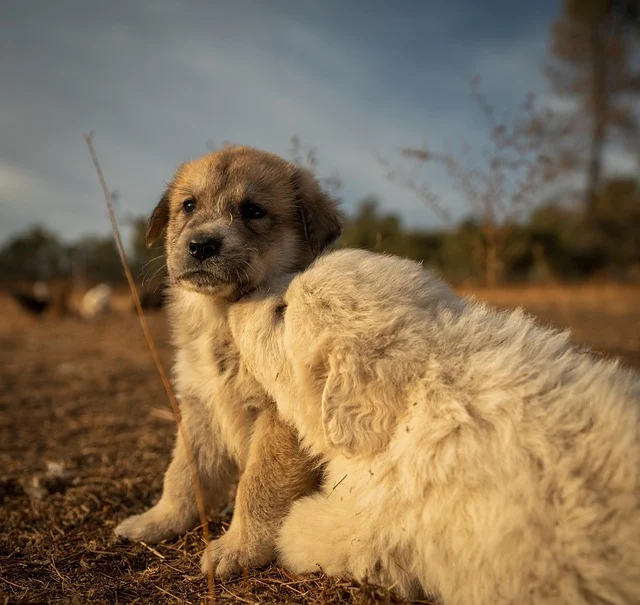
To establish successful training routines, apply these strategies:
- Use positive reinforcement: High-value treats, praise, and play yield results. Heavy-handed or punitive methods damage trust and provoke willful resistance.
- Keep sessions short: Limit structured training sessions to 5 to 10 minutes to prevent boredom and disinterest.
- Prioritize leash manners: A 130-pound dog that pulls on a leash is dangerous. Introduce early loose-leash walking techniques using a sturdy front-clip harness.
- Focus on early socialization: Expose puppies between 8 and 16 weeks of age to diverse sights, sounds, livestock, household pets, and strange people to cultivate confidence without reactivity; learn more about puppy development in What Are the Most Popular Pets? Your Guide.
How much grooming does a Great Pyrenees require?
Maintaining a Great Pyrenees’ coat demands a consistent grooming commitment. Their weather-resistant double coat consists of a long, coarse outer layer and a dense, woolly undercoat. The outer coat naturally repels dirt, but the soft undercoat can form severe mats if neglected.
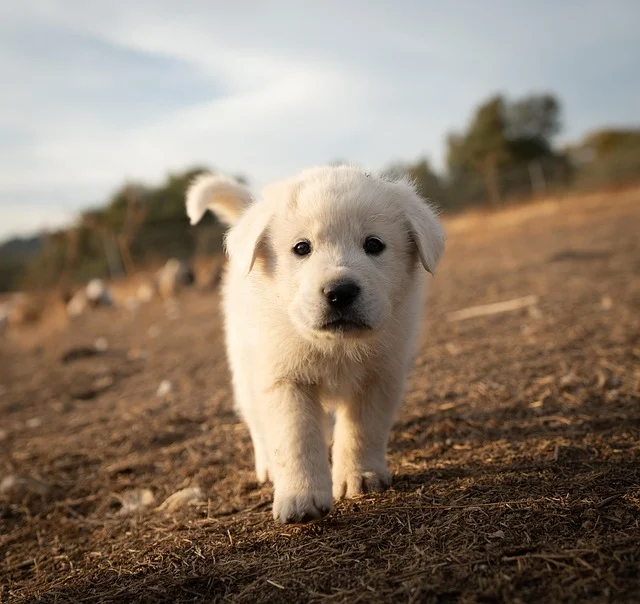
Thorough brushing two to three times a week with a long-pinned slicker brush and an undercoat rake keeps shedding manageable. During seasonal “coat blows”—typically in spring and autumn—daily brushing is necessary to remove heavy clumps of shed fur. Never shave a Great Pyrenees; their double coat insulates them against both cold and summer heat, and shaving leaves their pink skin vulnerable to sunburn and skin cancer.
Grooming routine checklist
To keep your Great Pyrenees healthy and clean, follow this regular maintenance schedule:
- Weekly ear checks: Clean their deep ear canals with an equine- or canine-safe ear cleaner to prevent moisture trap and yeast infections.
- Dewclaw maintenance: Trim the functional double rear dewclaws bi-weekly. Because these claws do not touch the ground, they grow rapidly and can curl into the paw pad if untrimmed.
- Mat prevention: Focus extra attention on high-friction areas behind the ears, around the neck under the collar, in the groin, and around the tail feathering.
- Bathing: Wash every 8 to 12 weeks using a soap-free canine shampoo, taking care to dry the dense coat completely with a high-velocity dryer to prevent hot spots.
What health issues affect the Great Pyrenees?
Common health challenges in giant breeds affect the Great Pyrenees, making screening by responsible breeders critical. Their average lifespan ranges from 10 to 12 years when supported by proper healthcare, ideal body weight, and balanced diet.

Primary health conditions to monitor include:
- Gastric Dilatation-Volvulus (GDV or Bloat): This deep-chested structure makes them susceptible to rapid, dangerous stomach twisting. You require emergency surgical intervention if bloating, dry heaving, or distress occurs. We often recommend preventive gastropexy surgery during spay or neuter procedures.
- Hip and Elbow Dysplasia: Malformed joint sockets cause arthritis, pain, and lameness. Parents should hold OFA or PennHIP clearances.
- Ocular Conditions: Entropion (inward-rolling eyelids that irritate the cornea) and ectropion (outward-sagging eyelids that trap debris) require veterinary evaluation.
- Cardiac Disease: Subvalvular aortic stenosis (SAS) is a congenital heart defect that screens out through echocardiograms in breeding stock.
- Bone Cancer: Osteosarcoma can affect giant breeds in their senior years.
What is the proper diet and feeding routine for a Great Pyrenees?
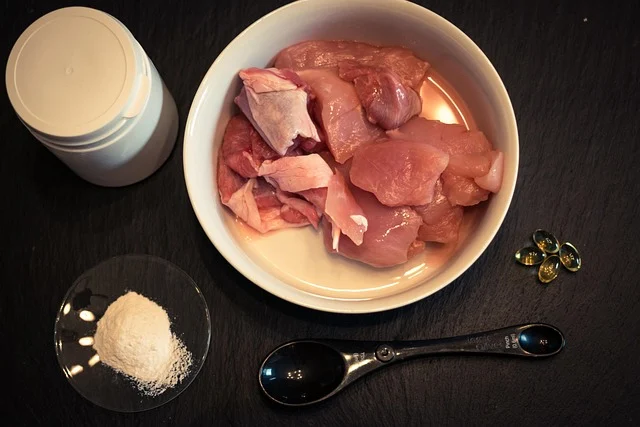
Feeding a giant breed requires careful weight monitoring. Rapid growth during puppyhood increases the risk of joint disorders. You should feed Great Pyrenees puppies a dedicated large-breed puppy formula. This formula regulates calcium, phosphorus, and overall calories. It ensures slow, steady skeletal development.
Adult Great Pyrenees have surprisingly slow metabolisms compared to other working breeds of similar weight. Overfeeding easily leads to obesity, which places severe stress on their joints. The Merck Veterinary Manual highlights weight control as one of the single most effective interventions for slowing osteoarthritis progression in large dogs.
To lower the risk of GDV (bloat), divide their daily food intake into two measured meals rather than free-feeding. Keep water bowls accessible, but discourage excessive gulping of water immediately after eating, and keep strenuous exercise avoided for at least one hour before and after meals; review safe dietary practices in How to Find and Choose the Right Dog Sitter.
How does the Great Pyrenees compare with similar giant guardian breeds?
Understanding how the Great Pyrenees compares with other large working or guardian dogs helps prospective owners choose the right breed for their household.
| Breed | Average Weight | Coat Type | Primary Temperament | Guarding Intensity |
|---|---|---|---|---|
| Great Pyrenees | 85–160 lbs | Thick, weather-resistant double coat | Calm, independent, protective, gentle | High (territorial patrol & night barking) |
| Bernese Mountain Dog | 70–115 lbs | Thick, silky tricolor double coat | Affectionate, eager to please, friendly | Low to Moderate (watchdog rather than guardian) |
| Kuvasz | 70–115 lbs | Dense, wavy white double coat | Intense, loyal, highly suspicious of strangers | Very High (demands experienced handler) |
Sources: Pyrenees
Frequently asked questions
What is the typical temperament of a Great Pyrenees?
The Great Pyrenees is known for being calm, gentle, dignified, and protective. They are loyal to their family. However, they can be aloof with strangers. They possess an independent, sometimes stubborn, streak due to their heritage as livestock guardians.
How much exercise does a Great Pyrenees require daily?
While not overly energetic, they need moderate daily exercise, such as a couple of walks and supervised playtime in a securely fenced yard. Excessive exercise, especially for puppies, should be avoided to protect their joints.
Are Great Pyrenees good with children?
Yes, they are generally patient and gentle with children. They often form strong bonds. However, their large size means you should supervise them around very young children to prevent accidental injury.
What are the most common health issues for Great Pyrenees?
Common health concerns include hip and elbow dysplasia, bloat (GDV), certain eye conditions like entropion and ectropion, and heart issues such as SAS. Responsible breeding practices and regular veterinary care are crucial.
How much grooming does a Great Pyrenees need?
Their thick double coat requires significant grooming. You must brush them regularly, two to three times weekly, to prevent matting. They need daily brushing during seasonal coat blows. You must also trim their rear dewclaws and clean their ears weekly.