Understanding the Unique Bull Terrier
The Bull Terrier is an instantly recognisable breed, renowned for its distinctive egg-shaped head, muscular build, and spirited personality. Often misunderstood, these dogs require a specific approach to ownership. Many prospective and current owners find themselves navigating common pitfalls that can lead to behavioural issues or health concerns. This guide aims to illuminate these challenges, offering practical advice to ensure your Bull Terrier thrives.
Key Takeaways
- Bull Terriers possess a unique temperament that requires early socialisation and consistent, positive training.
- Common health issues include skin allergies, deafness, and obsessive compulsive disorders, necessitating vigilant care.
- Their high energy levels demand significant daily exercise and mental stimulation to prevent destructive behaviours.
- Understanding their potential for stubbornness is crucial for effective training, avoiding harsh methods.
- Responsible ownership involves anticipating breed-specific needs rather than applying generic dog care advice.
Navigating the Bull Terrier’s Spirited Temperament
The Bull Terrier’s personality is a complex blend of loyalty, playfulness, and a strong terrier instinct. They are often described as clownish and enjoy being the centre of attention. However, this spirited nature can sometimes manifest as stubbornness or a tendency to test boundaries. This is not born of malice, but a natural terrier tenacity. Overcoming this requires patience and a firm, yet fair, training approach. Harsh corrections can damage their confidence and lead to anxiety or aggression.
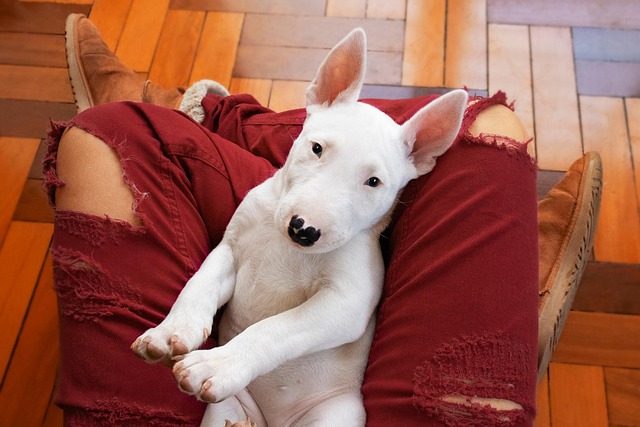
A common mistake is assuming a Bull Terrier will be as easily moulded as breeds known for extreme biddability. They are intelligent but independent thinkers. In real terms, this means training sessions should be short, engaging, and rewarding, focusing on positive reinforcement. For instance, a 10-minute session involving a new trick or refining a command is far more effective than a prolonged, frustrating hour.
The Crucial Role of Early Socialisation
One of the most critical aspects of raising a well-adjusted Bull Terrier is early and extensive socialisation. Puppies need to be exposed positively to a wide variety of sights, sounds, people, and other animals from a young age. Neglecting this can lead to a dog that’s fearful or reactive to new experiences, a common issue that many owners overlook until it becomes a significant problem. A Bull Terrier owner who fails to socialise their puppy sufficiently might find their dog becomes wary of strangers or other dogs encountered on walks. This can stem from an innate territorial instinct or simple unfamiliarity. Introducing your puppy to at least 100 different people and situations before they are 16 weeks old, under controlled and positive circumstances, is a widely accepted benchmark for effective socialisation. This exposure helps them learn that the world is not a frightening place.
Common Training Errors and How to Avoid Them
Beyond general stubbornness, specific training errors can significantly impact a Bull Terrier’s behaviour. Many owners try to apply generic obedience methods that don’t account for the breed’s specific intelligence and independent streak. This often leads to a breakdown in communication and can result in behaviours like excessive barking, digging, or even separation anxiety. For example, expecting a Bull Terrier to perform complex tasks on command without sufficient motivation or variety can lead to disengagement. Instead, incorporate scent games, puzzle toys, and agility exercises into their routine. These activities provide mental stimulation, satisfy their natural curiosity, and reinforce training in a fun way. According to the American Kennel Club (AKC), Bull Terriers thrive on engaging activities that challenge their minds, not just their bodies.
Addressing Predisposed Health Concerns
Like all purebred dogs, Bull Terriers are prone to certain genetic health issues. A common oversight is the assumption that a healthy-looking puppy will remain so without proactive care. Responsible ownership means being aware of these potential problems and taking preventative measures. Skin allergies are particularly prevalent. Bull Terriers often have sensitive skin, which can be triggered by environmental factors, food sensitivities, or parasites. Owners may mistakenly attribute persistent scratching to simple irritation, delaying veterinary diagnosis. Regular grooming, a high-quality diet, and prompt veterinary attention for any skin changes are crucial. The Bull Terrier Club of America (BTCA) frequently highlights the importance of monitoring for dermatological issues, as they can significantly impact a dog’s quality of life.
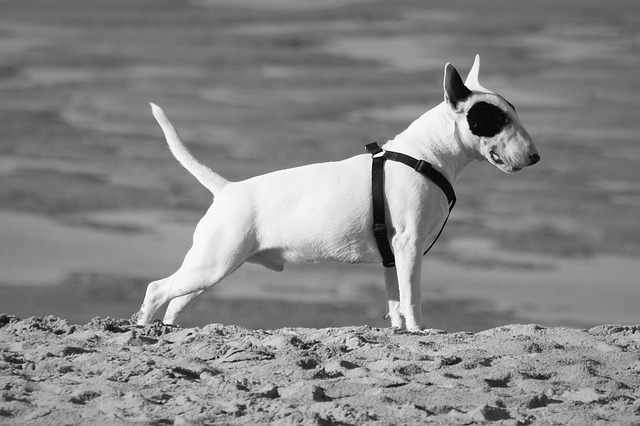
Deafness is another concern, particularly in white Bull Terriers. This is often congenital and linked to the gene responsible for white pigmentation. Responsible breeders will conduct BAER (Brainstem Auditory Evoked Response) testing on puppies to identify deafness. If you are considering adopting or purchasing a Bull Terrier, inquire about BAER testing results. Living with a deaf dog is entirely manageable with specific training techniques, but it’s a factor many overlook. Obsessive Compulsive Disorders (OCDs), such as tail chasing or flank sucking, can also affect the breed. While often seen as a quirky habit, these behaviours can indicate underlying stress or anxiety. Providing adequate exercise, mental stimulation, and a stable environment are key to mitigating these tendencies. If such behaviours appear, consulting a veterinary behaviourist is recommended.
Meeting the Bull Terrier’s Energy and Enrichment Demands
Bull Terriers are energetic dogs that require significant daily exercise. A common mistake is underestimating their stamina, leading to boredom and subsequent destructive behaviour. A short walk around the block is rarely sufficient for this active breed. They need opportunities to run, play, and explore. A typical adult Bull Terrier benefits from at least 60-90 minutes of vigorous activity per day. This could include long walks, runs, games of fetch, or participation in dog sports like agility or flyball. Without this outlet, their pent-up energy can manifest as chewing furniture, digging up the garden, or incessant barking. Providing mental enrichment through puzzle toys, training games, and varied walks is equally important to keep their sharp minds engaged. The Westminster Kennel Club notes their high energy levels, suggesting they are best suited for active households.
Tailoring Diet and Nutrition for Bull Terriers
While not as commonly overlooked as training or exercise, dietary needs are another area where owners can fall short. Bull Terriers can be prone to food sensitivities, making a ‘one-size-fits-all’ approach to feeding inappropriate. Feeding low-quality food or failing to identify potential allergens can exacerbate skin issues and digestive problems. A high-quality diet rich in protein and essential fatty acids is beneficial. Many owners find success with limited-ingredient diets or those specifically formulated for sensitive skin. If your Bull Terrier experiences persistent itching or digestive upset, a trial elimination diet under veterinary guidance is often the most effective way to pinpoint problematic ingredients. Consulting with your veterinarian or a canine nutritionist can help formulate an optimal feeding plan.
Managing Social Interactions with Other Animals
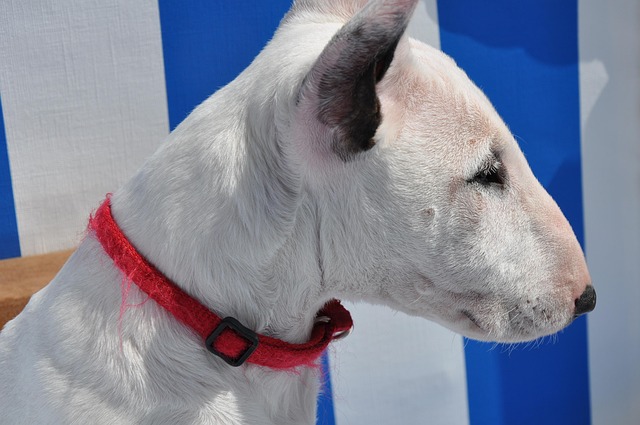
The Bull Terrier’s terrier heritage means they can have a strong prey drive and may not always be the most tolerant of other dogs, particularly those of the same sex, without proper socialisation. Owners sometimes assume that because their dog is friendly with their existing pets, they will be fine with any animal. This can lead to challenging introductions with new dogs or even conflict with smaller pets. Introducing a Bull Terrier to other pets should be done gradually and under supervision. For introductions to unfamiliar dogs, meeting on neutral territory with a calm handler is best. If you have smaller animals like cats or rabbits, it’s essential to introduce them carefully from a very young age and supervise all interactions, even as adults. Many owners report success with their Bull Terriers coexisting peacefully with other pets, but this almost invariably requires diligent early socialisation and ongoing management.
Key Mistakes to Sidestep in Bull Terrier Ownership
Beyond the specific areas discussed, several overarching mistakes can impact the life of a Bull Terrier. One is the failure to understand their need for companionship. Bull Terriers are devoted to their families and don’t fare well when left alone for extended periods. This can lead to separation anxiety, characterised by destructive behaviour, excessive barking, and house-soiling. Another is the misconception that Bull Terriers are inherently aggressive or ‘dangerous’. While their strength and terrier tenacity require responsible ownership, they are not naturally aggressive. Their reputation has unfortunately been tarnished by irresponsible owners who have exploited their strength. With proper socialisation, training, and management, they are loving and loyal companions. According to data from the Bull Terrier Club of America (BTCA) for 2023-2025, the breed’s temperament scores consistently reflect their potential for being well-adjusted family pets when provided with appropriate care and environment. Finally, many owners fail to plan for the long-term commitment. A Bull Terrier can live for 10-14 years. This means a decade or more of financial commitment for food, veterinary care, training, and enrichment, as well as a significant time commitment for exercise and social interaction. Researching the breed thoroughly and ensuring you have the lifestyle and resources to support them is paramount before bringing one home.
Expert Insights for a Thriving Bull Terrier Partnership
In my 15 years working with terrier breeds, including numerous Bull Terriers, I’ve observed that the most successful owner-dog relationships stem from a proactive rather than reactive approach. Think of your Bull Terrier’s needs as a jigsaw puzzle: each piece – socialisation, training, exercise, diet, health monitoring – must be in place for the complete picture to be harmonious. Embrace their quirky personalities. Bull Terriers are not robots; they have individual characters. Instead of fighting their instincts, channel them. For instance, if they love to dig, provide a designated digging pit in the garden. If they are vocal, teach them a ‘quiet’ command. This redirection is far more effective than suppression. Investing in professional training courses, even for experienced owners, can provide invaluable insights into breed-specific nuances. Always remember that consistent, positive reinforcement is the golden rule. The Bull Terrier Club of America consistently promotes humane training methods, which are most effective for this intelligent and sensitive breed. Their resilience is remarkable, but their emotional well-being is paramount. Providing a secure, stimulating, and loving environment is the foundation for a happy, well-behaved Bull Terrier.
Frequently Asked Questions About Bull Terriers
Are Bull Terriers good with children?
Yes, Bull Terriers can be excellent with children when properly socialised and supervised. They are known for their playful and protective nature, often forming strong bonds with family members. However, their size and boisterousness mean interactions with very young children should always be supervised.
What is the average lifespan of a Bull Terrier?
The typical lifespan for a Bull Terrier is between 10 to 14 years. Factors such as diet, exercise, genetics, and regular veterinary care can influence their longevity.
Are Bull Terriers difficult to train?
Bull Terriers are intelligent but can be independent and stubborn, which can make training challenging if not approached correctly. Consistent, positive reinforcement training methods are most effective for this breed.
Do Bull Terriers shed a lot?
Bull Terriers have a short, dense coat and are considered moderate to heavy shedders, particularly during seasonal changes. Regular brushing helps manage shedding.
Are Bull Terriers high-energy dogs?
Yes, Bull Terriers are energetic dogs that require significant daily exercise and mental stimulation. Insufficient activity can lead to boredom and destructive behaviours.
What are the most common health problems for Bull Terriers?
Common health issues include skin allergies, deafness (especially in white dogs), kidney disease, heart conditions, and obsessive compulsive disorders like tail chasing.
Is a Bull Terrier suitable for apartment living?
While a Bull Terrier can adapt to apartment living, it’s not ideal. They require substantial daily exercise and mental stimulation. If living in an apartment, owners must be highly committed to providing ample opportunities for vigorous activity outside the home.
Conclusion: Building a Strong Bond
The Bull Terrier is a unique breed that offers immense joy and companionship to the right owner. By understanding and proactively addressing their specific temperamental, health, and exercise needs, you can avoid the common pitfalls that many owners encounter. Focusing on early socialisation, consistent positive training, vigilant health monitoring, and ample enrichment will pave the way for a strong, loving, and lifelong bond with your spirited Bull Terrier. Information current as of July 2026; pricing and product details may change.