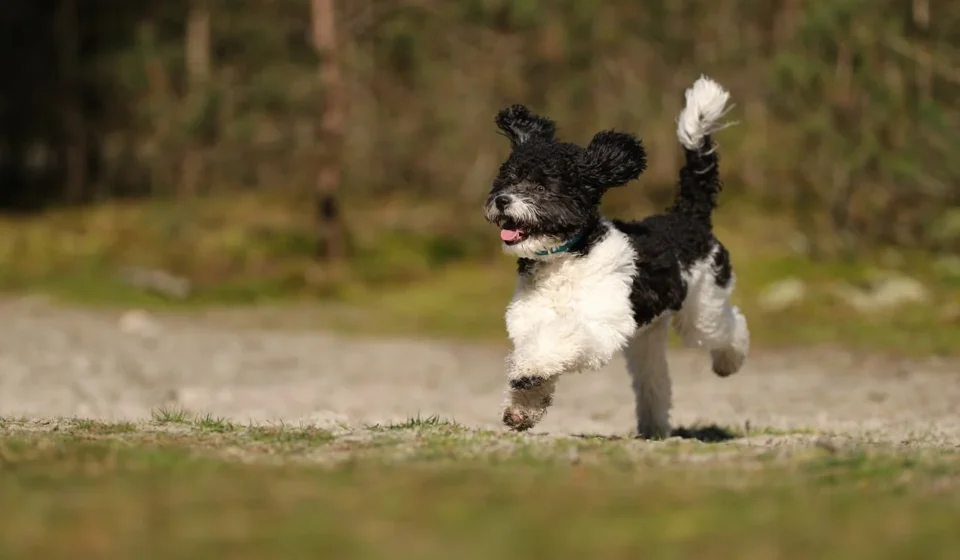
The Poodle is a highly intelligent, athletic dog breed known for its distinctive low-shedding curly coat, quick trainability, and versatile historical role as a water retriever. Available in Toy, Miniature, Medium, and Standard sizes, Poodles make adaptable family companions, though their continuously growing hair requires dedicated daily care and professional grooming.
While often associated with high-fashion dog shows and elaborate haircut styles, the Poodle was originally bred in Germany as a duck hunting retriever. Its dense, water-resistant coat served a practical purpose in cold waters. Its exceptional cognitive abilities made it an efficient working retriever. Today, that intelligence and work ethic persist across all size varieties. This produces a dog that excels in canine sports, service work, and active family households.
What are the different sizes of Poodle?
The Poodle is unusual among purebred dogs because it comes in distinct size categories while maintaining the exact same breed standard, anatomical proportions, and general personality traits. Major kennel clubs recognize different size tiers. The American Kennel Club (AKC) recognizes three size categories: Standard, Miniature, and Toy. The Fédération Cynologique Internationale (FCI), which governs dog registries in continental Europe and many other regions, officially recognizes four distinct sizes, including the Medium Poodle.
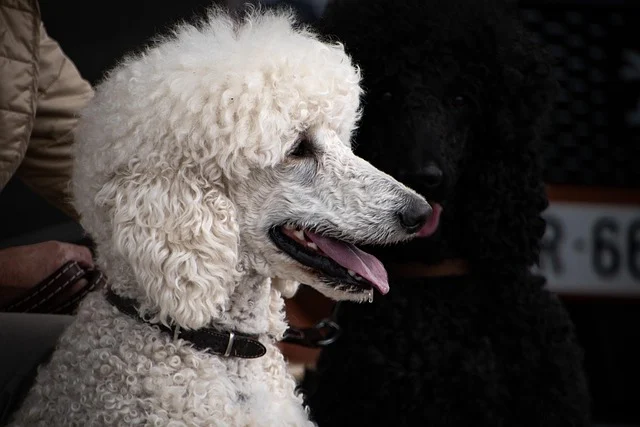
The Standard Poodle is the largest and original variety, standing over 15 inches tall at the shoulder (typically 20 to 24 inches) and weighing between 45 and 70 pounds. Standard Poodles possess an athletic, muscular frame beneath their curls. They retain strong hunting and retrieving instincts, requiring vigorous physical exercise alongside mental challenges. Their height and strength make them well-suited for agility competitions, tracking, and assistance work.
The Medium Poodle (recognized by the FCI) stands between 14 and 18 inches at the shoulder and weighs roughly 20 to 30 pounds. It provides a balanced middle ground for owners who want the physical presence of a larger retriever without the spatial demands of a Standard Poodle.
Miniature and toy poodle sizes
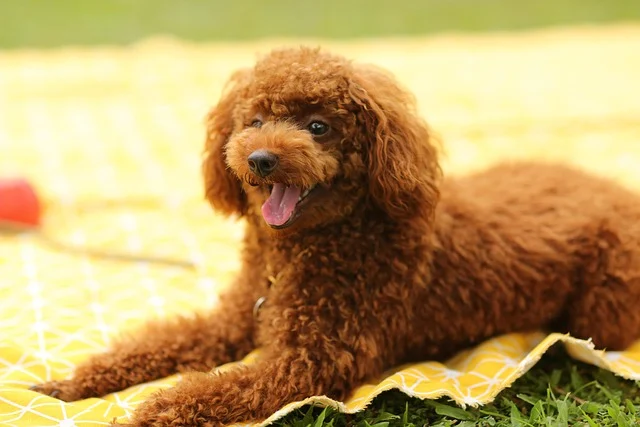
The Miniature Poodle bridges the gap between working retrieving dogs and companion sizes. Standing between 10 and 15 inches at the shoulder and weighing 10 to 15 pounds, the Miniature inherits the active mind and high trainability of the Standard in a compact size that adapts easily to city apartments or smaller living spaces.
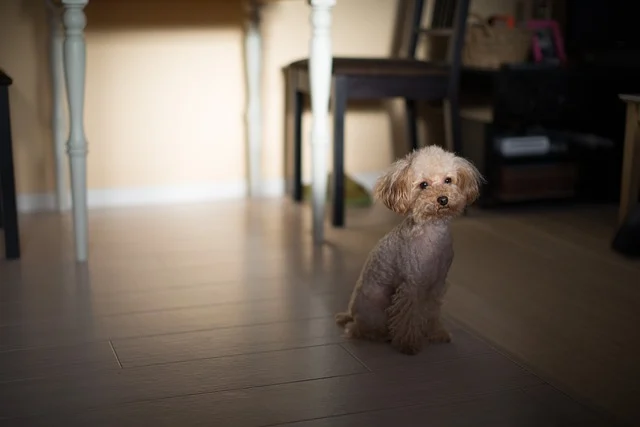
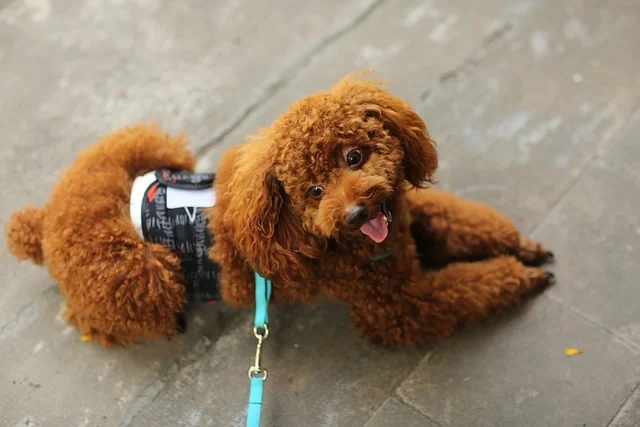
The Toy Poodle is the smallest officially recognized variety, standing under 10 inches at the shoulder and weighing just 4 to 6 pounds. Bred primarily as a companion, the Toy Poodle is highly portable and affectionate. However, its small stature requires careful handling to prevent injury, especially around toddlers or larger household pets.
| Poodle Size Variety | Height at Shoulder | Average Weight | Typical Lifespan | Daily Exercise Need |
|---|---|---|---|---|
| Standard Poodle | Over 15 in (38+ cm) | 45–70 lbs (20–32 kg) | 11–13 years | 60+ minutes |
| Medium Poodle (FCI) | 14–18 in (35–45 cm) | 20–30 lbs (9–14 kg) | 12–14 years | 45–60 minutes |
| Miniature Poodle | 10–15 in (28–38 cm) | 10–15 lbs (4.5–7 kg) | 13–15 years | 30–45 minutes |
| Toy Poodle | Under 10 in (<28 cm) | 4–6 lbs (1.8–2.7 kg) | 14–18 years | 20–30 minutes |
Poodle temperament and intelligence explained
Poodles rank among the most intelligent dog breeds in the world, often cited second only to the Border Collie in working intelligence and obedience. They learn new commands in very few repetitions and display an uncanny ability to read human emotion and body language. This high cognitive capacity makes them eager to please and straightforward to train using positive reinforcement methods.
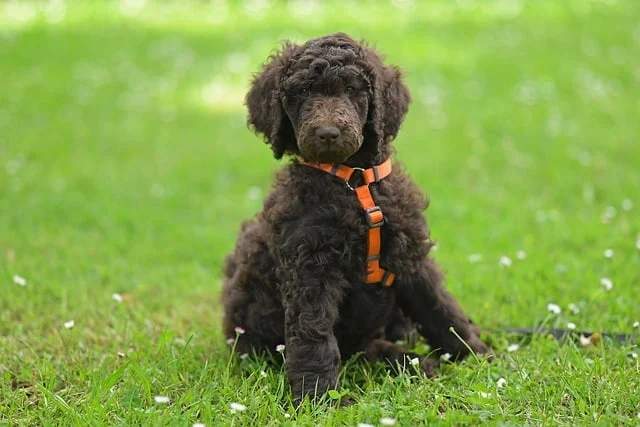
In terms of social temperament, Poodles are typically outgoing, cheerful, and deeply devoted to their human families. They form tight bonds with household members and thrive when included in daily activities. Unlike some hunting breeds that operate with independence, Poodles focus intently on their owners, watching for guidance and feedback.
Despite their refined reputation, Poodles possess a playful, clownish side. They enjoy interactive games, retrieving toys, and exploring outdoor terrain. However, their high intelligence requires active management: a Poodle left without mental engagement will invent its own entertainment. Boredom frequently leads to problem behaviors such as persistent barking, destructive chewing, digging, or escape attempts.
Poodles are sensitive dogs. They respond poorly to loud voices, harsh corrections, or punitive training techniques, which can cause them to become anxious or timid. Gentle, consistent reward-based training builds confidence and yields the best results. Early socialization is essential to ensure that smaller varieties do not develop excessive alarm barking or defensive behaviors toward unfamiliar dogs.
How to care for a Poodle coat
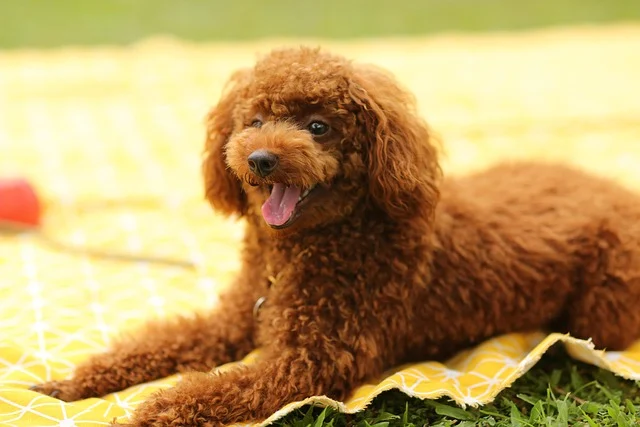
The coat is one of the most distinctive features of the breed, but it also represents the largest ongoing care commitment. Poodles possess a single-layer coat of dense, hair-like fur that grows continuously. Unlike double-coated breeds that shed loose undercoat seasonally, dead hairs from a Poodle coat remain trapped within the surrounding curls.
This coat structure explains why Poodles are widely considered hypoallergenic. While no dog is completely non-allergenic—since allergies can also be triggered by dander and saliva—the lack of airborne shedding significantly reduces allergy symptoms for many sufferers. However, because dead hair remains trapped in the coat, it quickly forms tight mats and tangles if left unbrushed.
Daily grooming and line brushing
To keep the coat healthy, Poodle owners must establish a regular grooming routine. Brushing should occur daily or at least three to four times per week using a long-pinned slicker brush followed by a metal greyhound comb. Simple surface brushing is insufficient; you must practice line brushing, parting the hair down to the skin to ensure no tangles form near the root.
If mats are allowed to develop near the skin, they restrict airflow, trap moisture, and pull painfully on the skin, leading to severe dermatitis and infections. In heavy matting situations, the only humane solution is a full shave-down by a professional groomer.
Professional grooming clips and costs
Poodles require professional clipping every 4 to 6 weeks. Bathing should be done using high-quality canine products to preserve natural coat oils; consult The Best Dog Shampoo for a Healthy Coat to select formulas suitable for dense, curly coats.
Owners can choose from several practical and traditional clip styles:
- Puppy Clip: A practical, uniform cut where the coat is trimmed to an even length all over the body, leaving slightly longer hair on the head and tail. It is easy to brush and popular for pets.
- Sporting Clip: A functional clip featuring a short body trim, a slight pom-pom on the tail, and scissored legs, offering protection for active or swimming dogs.
- Continental Clip: The traditional show ring style, featuring shaved hindquarters with pom-poms on the hips, ankles, and tail tip. Historically, this cut protected vital joints and organs from cold water while reducing drag during retrieving.
Professional grooming costs typically range from £50 to £150 per session, depending on the dog’s size, coat condition, and location. Over a year, professional coat upkeep costs between £600 and £1,800. Owners who wish to groom at home must invest in professional-grade clippers, specialized blades, slicker brushes, and a high-velocity dryer.
Exercise and mental stimulation requirements
Do not let their elegant appearance trick you: all Poodle varieties are active working companions at heart. Providing appropriate outlets for physical energy and mental drive is critical to maintaining a calm, well-behaved dog in the home.

Physical exercise guidelines by size
A Standard Poodle needs at least 60 minutes of daily exercise, including brisk walks, off-lead running in secure areas, or swimming. Because of their retriever heritage, most Standard Poodles naturally enjoy water sports and retrieve games.
Miniature and Toy Poodles require 20 to 45 minutes of daily exercise. While their physical requirements are smaller, short outdoor walks should be paired with interactive games indoors to expend excess energy.
Canine sports and mental enrichment
Physical movement alone is rarely enough to tire out a Poodle. Without mental challenges, an exercised Poodle remains restless. Incorporating cognitive tasks is essential for mental balance:
- Dog sports: Poodles excel in organized sports such as agility, flyball, competitive obedience, and scent work, where they can apply their problem-solving skills.
- Puzzle feeders: Use interactive food puzzles, frozen Kongs, or snuffle mats for daily meals rather than feeding from a standard bowl.
- Trick training: Teach multi-step tricks, such as sorting toys by name or opening cabinets, to give their mind a structured job.
- Scent games: Hide treats or specific scents around the home or garden for the dog to track down.
Poodle health issues and lifespan
Poodles are generally healthy, long-lived dogs, with an overall breed lifespan ranging from 10 to 18 years. Smaller varieties like the Toy and Miniature Poodle routinely reach 14 to 18 years, while Standard Poodles average 11 to 13 years. However, purebred Poodles are susceptible to specific inherited health conditions.
Key genetic health conditions
According to the Poodle Club of America, potential owners should be aware of several primary health risks across the breed varieties:
- Progressive Retinal Atrophy (PRA): A degenerative eye disorder that eventually leads to blindness. Genetic DNA screening allows responsible breeders to test parent dogs and avoid passing the mutation to puppies.
- Hip Dysplasia: A structural malformation of the hip joint that causes painful arthritis and lameness. It is most prevalent in Standard Poodles. Screening through OFA or PennHIP evaluations helps ensure only dogs with healthy joints are bred.
- Sebaceous Adenitis (SA): An autoimmune skin condition that attacks the sebaceous glands, leading to dry scaling, skin inflammation, secondary bacterial infections, and severe hair loss. It affects Standard Poodles most severely.
- Gastric Dilatation-Volvulus (Bloat / GDV): An emergency medical condition primarily affecting deep-chested breeds like the Standard Poodle. The stomach fills with gas and twists, cutting off blood flow. Feeding smaller, frequent meals, using slow-feeder bowls, and avoiding strenuous exercise immediately after eating helps lower GDV risk.
- Patellar Luxation: Common in Toy and Miniature Poodles, where the kneecap slips out of its normal anatomical groove, causing intermittent limping or gait abnormalities.
Veterinary costs and insurance
Managing chronic conditions or emergency surgeries can incur substantial costs. Treating bloat surgery or severe hip dysplasia can run into thousands of pounds. Routine health maintenance, vaccinations, dental cleanings, and screening tests require ongoing financial budgeting. Pet insurance policies for Poodles generally range from £20 to £50 per month, depending on age, size variety, location, and excess levels.
Who is a Poodle right for (and who should avoid one)?
Selecting the right breed requires realistic appraisal of your daily routine, budget, and living arrangements. The Poodle is a versatile dog, but it is not the correct choice for every household.

An ideal match for:
- Active families and individuals: Those who enjoy daily outdoor walks, outdoor recreation, and dedicated interactive play.
- Allergy sufferers: People sensitive to pet dander who require a low-shedding dog and are willing to maintain strict grooming schedules.
- Trainability enthusiasts: Owners who enjoy trick training, obedience competitions, or dog sports and want an exceptionally responsive partner.
- Apartment dwellers (Toy/Miniature): Urban residents seeking a smart, compact companion that easily adapts to smaller spaces when given daily outdoor exercise.
Not suitable for:
- Busy owners away all day: People away from home for long hours without support will struggle with a Poodle’s high need for human interaction and mental engagement.
- Budget-conscious owners unwilling to groom: Those unwilling to dedicate either 30 minutes daily to brushing or £50–£150 every six weeks for professional clipping.
- Low-energy households seeking a sedentary pet: Even Toy Poodles possess active retriever minds and become anxious or destructive without daily exercise and mental challenges.
- Homes with unsupervised toddlers: Delicate Toy Poodles can be accidentally injured by falls or rough handling from young children.
Buying or adopting a Poodle: costs and sourcing
Whether choosing a puppy from a breeder or adopting an adult rescue dog, sourcing your dog responsibly is critical to avoiding genetic health problems and poor temperament.
Finding an ethical breeder
A well-bred Poodle puppy from a reputable breeder costs between £1,000 and £3,000 or more, depending on lineage, size, and location. Ethical breeders perform comprehensive health testing on parent dogs (including hip scoring, eye certifications, and DNA screens for PRA and SA) and readily share test documentation.
Avoid commercial breeders, pet shops, or online sellers offering “teacup” sizes or unverified designer crosses without health clearances. Teacup breeding often relies on pairing unnaturally weak runts, resulting in severe health defects including fragile bones, hypoglycemia, and heart murmurs.
Rescue and adoption
Adopting from a breed-specific rescue organization or general animal shelter is a rewarding option. Adoption fees generally range from £150 to £500, which typically covers spaying or neutering, initial vaccinations, microchipping, and veterinary health checks. Rescues often have adult Standard, Miniature, or Toy Poodles seeking quiet homes.
Common pitfalls to avoid with Poodles
New Poodle owners frequently make preventable mistakes that lead to behavioral or health complications:
- Neglecting skin-level brushing: Brushing only the top layer of hair leaves tight mats near the skin. Always use a metal comb to verify you have reached the skin line across the entire body.
- Underestimating mental stimulation: Assuming physical walks are enough. A bored Poodle will find undesirable jobs, such as barking at street noise or chewing furniture.
- Over-protecting Toy Poodles: Carrying a Toy Poodle everywhere and skipping basic obedience training can foster fearfulness, territorial barking, and small dog behavior issues. Treat small Poodles with the same training expectations as large dogs.
- Exercising Standard Poodles immediately after large meals: Vigorous running or jumping right after eating increases the risk of life-threatening gastric torsion (bloat).
Sources: Poodle
Frequently asked questions
Are Poodles good family dogs?
Yes, Poodles are generally excellent family dogs. They are loyal, gentle, and highly social, bonding closely with adults and children alike when properly trained and socialized from a young age.
Do Poodles shed a lot?
No, Poodles are a low-shedding breed. Their single-layer curly coat traps shed hair within the curls, preventing loose fur from accumulating around the home, making them popular for allergy sufferers.
How much exercise does a Poodle need?
Exercise needs vary by size: Standard Poodles require at least 60 minutes of daily active movement, while Miniature and Toy Poodles need 20 to 45 minutes along with daily mental stimulation.
What is the average lifespan of a Poodle?
Poodles generally live between 10 and 18 years. Smaller varieties like Toy and Miniature Poodles often live 14 to 18 years, whereas Standard Poodles typically live 11 to 13 years.
How much does a Poodle cost?
A puppy from a reputable breeder usually costs between £1,000 and £3,000, while adoption fees from rescue organizations typically range from £150 to £500. Professional grooming adds £600 to £1,800 in annual maintenance costs.