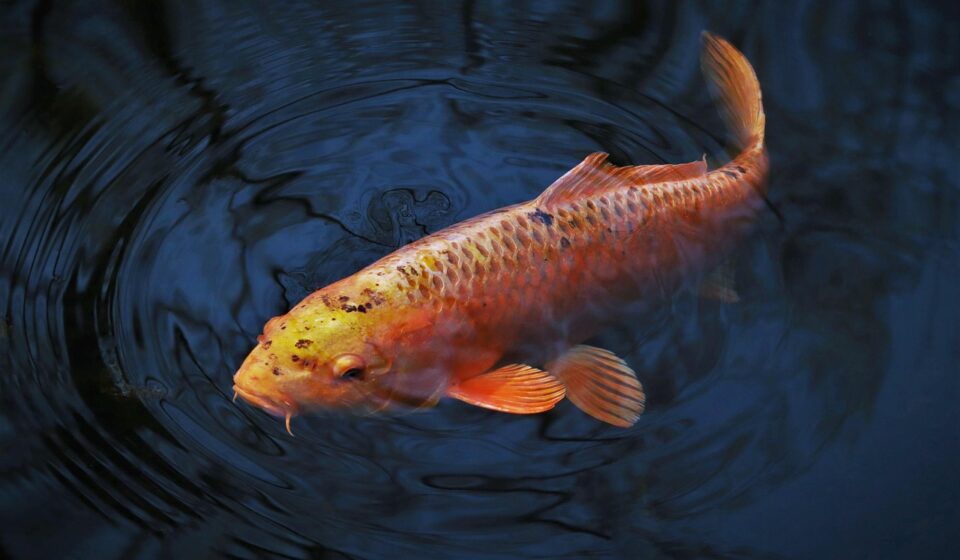
Gourami gourami: What Exactly Are Gourami Fish?
Gourami fish, belonging to the Osphronemidae family, are a diverse group of freshwater anabantoid species native to Asia. Renowned for their striking colours, elaborate fins, and intriguing behaviours, they bring a unique charm to any home aquarium. Their common name, “gourami,” is derived from the Sundanese word “gurame,” and is also applied to species within the Helostomatidae and Anabantidae families, highlighting their varied classifications. A key distinguishing feature of gouramis, like other labyrinth fish, is their labyrinth organ. This specialised structure allows them to breathe atmospheric air directly from the surface, a crucial adaptation for their native wetland environments which can sometimes experience low oxygen levels. This trait means they don’t solely rely on their gills and will periodically ascend to gulp air. In real terms, this means ensuring your aquarium lid is not airtight to allow them access to surface air, though they are also perfectly capable of absorbing oxygen from the water through their gills.
Key Takeaways
- Gouramis are anabantoid fish from the Osphronemidae family, native to Asia, known for their vibrant colours and unique labyrinth organ for breathing air.
- Species vary greatly in size, temperament, and care needs, from the tiny Honey Gourami to the large Kissing Gourami.
- Successful gourami keeping requires understanding their specific dietary needs, social behaviours, and appropriate tank environments.
- Disease prevention, particularly Dwarf Gourami Iridovirus, is a significant consideration for hobbyists.
- Careful selection of tank mates is essential to prevent stress or aggression in community aquariums.
A Spectrum of Gourami Species: Beyond the Dwarf
The gourami family is incredibly diverse, encompassing over 100 species with significant variations in size, coloration, and temperament. While the Dwarf Gourami (Trichogaster lalius) is perhaps the most recognizable and popular choice for many aquarists, it represents just one facet of this fascinating genus. Many other species offer unique visual appeal and distinct care requirements that can better suit different aquarium setups and owner experience levels. For instance, the Honey Gourami (Trichogaster chuna) is a smaller, more peaceful species, making it an excellent option for smaller community tanks. They typically reach only 2 to 3 inches in length and are less prone to the health issues that can plague their larger cousins. In contrast, the Pearl Gourami (Trichopodus leerii) is larger, often reaching 4 to 5 inches, and displays a beautiful pearlescent sheen. They are generally peaceful but can be more boisterous and require a larger tank. The Chocolate Gourami (Sphaerichthys osphromenoides) and Licorice Gourami (Parosphromenus Meissner) are highly sought-after for their unique, subtle beauty and more specialised care needs. These species often prefer softer, acidic water conditions and are best kept in species-only tanks to ensure their delicate nature isn’t overwhelmed by more solid tank mates. The sheer variety means there’s a gourami to suit almost any freshwater aquarium enthusiast, provided their specific needs are met.
Crafting the Perfect Gourami Habitat
Creating the right environment is paramount for the health and well-being of your gourami fish. While they are adaptable, certain conditions promote their best behaviour and longevity. A standard recommendation for most common gourami species, such as the Dwarf or Honey Gourami, is a tank of at least 20 gallons (approximately 75 litres). Larger species will, of course, require significantly more space. Gouramis appreciate a well-planted aquarium with plenty of hiding places. Live plants like Java Fern, Anubias, and Amazon Sword plants not only provide cover but also help maintain water quality. Floating plants, such as Frogbit or Duckweed, are also beneficial as they diffuse light, creating a more subdued environment that gouramis prefer, and provide easy access to the water’s surface for their air-gulping needs. The substrate can be sand or fine gravel, and a moderate flow is generally preferred. Water parameters are critical. Ideal temperatures typically range from 75-82°F (24-28°C). pH levels should ideally be between 6.5 and 7.5, with soft to moderately hard water (5-15 dGH). Regular water changes, about 25% weekly, are essential to maintain water quality and prevent the buildup of nitrates and other harmful compounds. Keep in mind that specific species, like the Chocolate Gourami, may require softer, more acidic conditions. Always research the specific needs of the gourami species you intend to keep.
Nourishing Your Gourami: A Balanced Diet
A varied diet is key to a healthy gourami. While they are omnivores, leaning towards being carnivores, they readily accept a wide range of foods. The foundation of their diet should consist of high-quality flake or pellet food specifically formulated for tropical fish or labyrinth fish. These commercial foods provide a balanced mix of proteins, vitamins, and minerals necessary for their overall health. Supplementing their staple diet with protein-rich treats is highly recommended. This can include live or frozen foods such as brine shrimp, Daphnis, bloodworms, and mysis shrimp. These foods not only provide essential nutrients but also mimic their natural foraging behaviour, offering mental stimulation. For species like the Dwarf Gourami, ensuring the food pieces are small enough is important. Overfeeding should be avoided; only feed what your gouramis can consume within two to three minutes, once or twice a day. It’s also beneficial to offer vegetable matter occasionally. Blanched spinach, peas, or specialised algae wafers can provide necessary fiber and additional vitamins. Observe your gourami’s eating habits to ensure they are getting enough food and that no single fish is dominating the feeding. Some gourami species, particularly those with larger mouths, can be prone to overeating, so monitoring portion sizes is crucial.
Choosing Compatible Tank Mates
Selecting appropriate tank mates for your gourami is crucial, as their temperament can vary significantly between species and even individuals. While many gouramis are considered peaceful, some can become territorial, especially males or larger specimens. They generally do well in community tanks with other non-aggressive fish that appreciate similar water parameters and temperatures. Good tank mates often include smaller, peaceful schooling fish like Tetras (e.g., Neon Tetras, Cardinal Tetras), Rasboras (e.g., Harlequin Rasboras), and Corydoras catfish. Small, peaceful livebearers such as Ender’s Livebearers can also be suitable. These fish are less likely to nip at gourami fins or be intimidated by their presence. Generally, avoid fish that are known fin-nippers, such as Tiger Barbs, or overly aggressive species that will outcompete gouramis for food or territory. It’s also important to consider the size of the gourami. While Dwarf Gouramis are relatively small, larger species like the Opaline Gourami (Trichopodus trichopteran) can grow quite large and may bully or even prey upon smaller fish. Generally, it’s best to house gouramis with fish of a similar size or smaller, peaceful species. Introducing a new gourami to an established tank should be done cautiously, observing interactions closely for any signs of aggression.
Navigating Gourami Health Challenges
One of the most significant health concerns within the gourami community is Dwarf Gourami Disease, often attributed to Dwarf Gourami Iridovirus (DGIV). This viral infection can cause lethargy, loss of colour, physical deformities, and eventually death. There’s no known cure for DGIV, and affected fish should be humanely euthanized to prevent potential spread, though quarantine is an essential first step for any new fish. Other common issues can arise from poor water quality or stress. Ich (white spot disease), fin rot, and fungal infections are prevalent in many aquarium fish and can affect gouramis if their environment is not maintained properly. Symptoms of Ich include tiny white spots resembling salt crystals on the body and fins. Fin rot manifests as frayed or decaying fins, while fungal infections can appear as cottony growths. Preventative measures are the best defense. Maintaining pristine water conditions through regular water changes and proper filtration is paramount. Quarantining all new fish for at least 30 days before introducing them to a main display tank can prevent the introduction of diseases like DGIV. Observing your fish daily for any changes in behaviour, appetite, or appearance allows for early detection and intervention should any health issues arise.
Breeding Gouramis: An Advanced Endeavor
Breeding gouramis can be a rewarding experience for experienced aquarists, though it often requires specific conditions and dedication. Many gourami species are bubble nesters, where the male builds a nest of bubbles at the water’s surface, typically among floating plants. The female then lays her eggs, which the male fertilizes and guards within the nest. To encourage breeding, a separate breeding tank is often recommended, mimicking their natural environment with soft, slightly acidic water, warmer temperatures (around 80-84°F or 27-29°C), and abundant floating plants. Feeding the breeding pair high-protein foods like brine shrimp and bloodworms can help stimulate spawning. Once spawning occurs, the female should be removed to prevent her from being harmed by the male, who will then diligently care for the eggs and fry. Raising the fry presents its own challenges. They are typically fed infusorial or microworms initially, progressing to baby brine shrimp and then finely crushed flake food as they grow. Success in breeding gouramis, particularly more delicate species, relies heavily on precise water parameters, a nutritious diet, and a keen understanding of their reproductive behaviours. For most hobbyists, enjoying these fish in a community setting is more practical than attempting breeding.
Expert Insights for Thriving Gouramis
When selecting gouramis, particularly Dwarf Gouramis, look for active individuals with vibrant colours and clear fins. A common pitfall for beginners is purchasing stressed or unhealthy fish, which can lead to immediate health issues. In my 15 years of experience with freshwater aquatics, I’ve learned that observing fish in their current tank for at least 10–15 minutes before purchase can reveal a lot about their health and temperament. The Dwarf Gourami Iridovirus is a serious concern, and some aquarists opt for hardier gourami species to avoid this risk. Researching the specific species’ temperament is vital; not all gouramis are suited for every community tank. For example, while a Pearl Gourami is generally peaceful, a male might display territorial behaviour towards other gouramis or similarly shaped fish, especially in smaller tanks. It’s often best to keep only one male gourami per tank unless it’s a very large setup with ample visual barriers. Consider the overall bioload of your aquarium. A 20-gallon tank, while suitable for a pair of Honey Gouramis or a single Dwarf Gourami, can quickly become overstocked with additional fish and larger gourami species. Always calculate the adult size of your chosen fish and plan accordingly. Consulting with experienced aquarists or reputable online forums can provide invaluable advice tailored to specific species and tank setups.
Frequently Asked Questions About Gourami Fish
Are gouramis aggressive fish?
Gourami temperament varies by species and individual. While many are peaceful, males can become territorial, especially towards other gouramis or similarly shaped fish. Smaller species like Honey Gouramis are generally more docile than larger varieties.
What is the lifespan of a gourami fish?
With proper care, most gourami species can live for 3 to 8 years. Dwarf Gouramis may have a slightly shorter lifespan, often around 3–5 years, partly due to health concerns like DGIV.
Can gourami fish live with bettas?
This can be a risky combination. While some aquarists have success, bettas can be aggressive, and gouramis can also be territorial. It depends heavily on the individual fish and the tank setup. A large, heavily planted tank with plenty of hiding places offers the best chance of peaceful coexistence.
What size tank do gouramis need?
A minimum of 20 gallons (75 litres) is recommended for smaller gourami species like Dwarf or Honey Gouramis. Larger species, such as the Kissing Gourami, require tanks of 50 gallons (190 litres) or more.
How do I know if my gourami has Dwarf Gourami Disease?
Symptoms of Dwarf Gourami Disease (DGIV) include lethargy, loss of appetite, pale or mottled coloration, irregular swimming, and physical deformities or lesions. Early detection is difficult, and it’s a progressive, incurable condition.
What are the best live foods for gouramis?
Excellent live or frozen food options include brine shrimp, Daphnis, bloodworms, and mysis shrimp. These provide essential protein and encourage natural foraging behaviour, contributing to a well-rounded diet. Information current as of July 2026; pricing and product details may change.