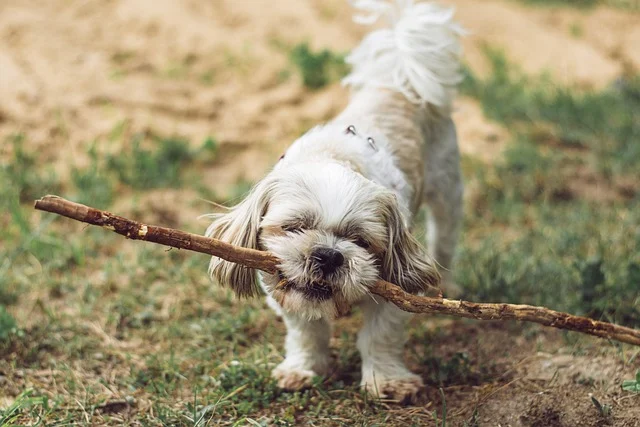
The Shorkie is a small crossbreed produced by mating a Shih Tzu with a Yorkshire Terrier. They typically weigh between 3 and 7 pounds and stand 6 to 11 inches tall. Known for their low-shedding coats and affectionate nature, these toy dogs make lively, loyal companions well-suited for apartment living. They do, however, require consistent grooming and early socialisation.
Shorkie: Your Guide to the Shih Tzu Yorkie Mix
A Shorkie is a small crossbreed created by mating a Shih Tzu with a Yorkshire Terrier. They weigh between 3 and 7 pounds and stand 6 to 11 inches tall. Known for their low-shedding coats and affectionate personality, these toy dogs make lively companions but require consistent daily coat grooming, dental care, and early socialisation to curb nuisance barking.
What is a Shorkie and How Are They Bred?
The Shorkie (sometimes called a Shorkie Tzu or Shortie) is an intentional crossbreed combining two established toy breeds: the regal Shih Tzu and the feisty Yorkshire Terrier. Designed primarily as a companion dog, the Shorkie inherits a mixture of the lapdog calm seen in Tibetan monastery breeds and the quick-alert tenacity of working English terriers.
Most Shorkies sold today are first-generation (F1) crosses. This means one parent is a purebred Shih Tzu and the other is a purebred Yorkshire Terrier. F1 crosses produce the widest variation in physical features, coat texture, and temperamental traits. Multi-generational breeding (mating two Shorkies or backcrossing a Shorkie to a parent breed) produces more consistent physical traits, but it remains less common in this designer mix.

How Big Do Shorkies Get and When Are They Full Grown?
A fully grown Shorkie is a compact toy dog. Their physical proportion depends heavily on which parent breed dominates their genetic makeup.

- Weight: 3 to 7 pounds (1.4 to 3.2 kg). Puppies inheriting the smaller frame of a Yorkie stay closer to 3 to 4 pounds. Those with sturdier Shih Tzu bones weigh closer to 7 pounds.
- Height: 6 to 11 inches (15 to 28 cm) at the shoulder.
- Facial features: A Shorkie may inherit the flatter face (brachycephalic structure) of a Shih Tzu or the longer, pointed snout of a Yorkie. Their eyes are dark, round, and prominent, while ears can hang flat or stand semi-erect.
- Coat texture: Rather than dense fur, Shorkies have continuous-growth hair. This hair ranges from fine and silky to thick and soft.
- Coat colours: Common shades include black and tan, blue and gold, chocolate, white, cream, and multi-colour party patterns. Coat colours often shift as puppies mature into adults.
Shorkies typically reach their full adult size, both in height and weight, between 10 to 12 months of age. Their primary growth phase is generally complete by their first birthday. While they might fill out slightly more over the next few months, this is not a significant change.
Because of their small size and low space demands, Shorkies make excellent candidates for apartment living, provided their vocal habits are managed through training.
Temperament: What to Expect from a Shorkie
Shorkies pack a strong personality into a lightweight body. They are affectionate, loyal, and attached to their household members, frequently following owners from room to room. Their dual heritage creates a distinct balance of traits:
- From the Shih Tzu: A desire for physical affection, cuddles, and calm indoor relaxation. They thrive when included in household activities.
- From the Yorkie: High alertness, vocal reactions to doorbells, a lively prey drive toward small toys, and occasional stubbornness.
Shorkies form close bonds with their main caregivers. However, without early socialisation, their naturally protective and cautious instincts can make them wary around strangers or vocal toward visiting guests. This wariness, if not addressed, can sometimes be misinterpreted as aggression, though true aggression is rare in well-socialised Shorkies. They are more likely to bark or retreat if uncomfortable.
Why Do Shorkies Lick So Much?
Shorkies are highly affectionate dogs, and frequent licking is often a sign of their strong bond and desire to show love and attention to their owners. They may also lick to seek comfort, explore their environment, or even indicate they are feeling anxious or bored. If licking becomes excessive or compulsive, consult a vet to rule out any underlying health issues or discuss behavioural strategies.
Are Shorkies Hypoallergenic?
Both parent breeds, the Shih Tzu and Yorkshire Terrier, have hair instead of fur. This means they produce less dander (skin flakes) that often triggers allergies. Regular grooming is essential to manage any loose hair and dander. It makes them a suitable choice for many individuals with mild dog allergies.
Who is a Shorkie Best Suited For?
While Shorkies adapt well to many living situations, their size and disposition mean they are not suited for every household.
Ideal Homes
- Apartment dwellers and seniors: Their low daily mileage requirements and small footprint make them easy to keep indoors.
- Work-from-home owners or active retirees: Shorkies crave frequent human contact. They do best when someone is home for much of the day. They thrive on companionship and can become stressed if left alone for extended periods.
- Families with older, gentle children: Kids who understand how to handle a delicate animal safely will enjoy a Shorkie’s playful energy.
- First-time dog owners: Their small size makes them physically manageable. Their eagerness to please can make training rewarding, provided owners are consistent with grooming and socialisation.
Homes to Avoid
- Families with toddlers: Young children can accidentally drop or squeeze a toy dog, leading to bone fractures or reactive nipping from the dog in self-defence. Their delicate build makes them vulnerable to rough handling.
- Owners away for long workdays: Left alone for 8 or more hours, Shorkies often develop separation anxiety, manifested as persistent howling or destructive indoor chewing. They need companionship and mental stimulation to thrive.
- People seeking a quiet, low-maintenance pet: Grooming costs and barking habits require active management and budget. Their alert nature means they will often vocalise at perceived threats or new sounds.
Daily Care and Grooming Routine for Shorkies
Maintaining a Shorkie’s hair requires continuous effort. Because they inherit hair rather than fur, they drop minimal loose hair around the home, but dead strands get caught in the coat and quickly form tight mats if ignored.
Brushing and Combing
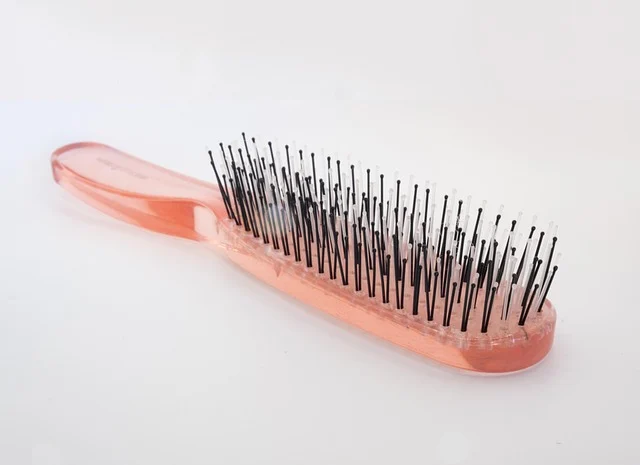
A Shorkie coat must be brushed daily using a pin brush and a fine metal comb. Pay close attention to friction zones: behind the ears, under the armpits, and around the belly. If mats form, work them out gently using a slicker brush and detangling spray rather than pulling on the skin. Regular brushing also helps distribute natural oils, keeping their coat healthy and shiny.
Grooming Trims and Professional Care (Shorkie Haircuts)
Most owners take their Shorkie to a professional groomer every 4 to 6 weeks for a short “puppy cut” or “teddy bear clip.” A shorter clip keeps the coat manageable and clean around the paws and hindquarters. This prevents debris and mats. Other popular styles include a “kennel cut” for a very short, low-maintenance look, or a longer “face trim” to keep hair out of their eyes while maintaining body length. Professional grooming costs typically range from £40 to £80 per session depending on location and coat condition. These costs should be factored into ownership.
Facial, Ear, and Hygiene Care
- Tear staining: Shorkies with flatter faces tear frequently, leaving reddish stain marks under the eyes. Wipe the eye area daily with a damp cloth or specialized wipe to keep skin dry and prevent yeast build-up, which can lead to irritation and infection.
- Ear hygiene: Hair grows directly inside a Shorkie’s ear canals. Inspect weekly for redness, unpleasant odour, or dark wax. Excess ear hair may need gentle trimming or plucking by a groomer or vet to maintain air flow and prevent ear infections.
- Nail trimming: Trim nails every 3 to 4 weeks using small dog clippers. Long nails force small feet to splay, putting stress on joints and making walking uncomfortable. If you hear their nails clicking on hard floors, they are too long.
- Dental care: Due to their compact jaws, Shorkies are prone to dental disease. Daily tooth brushing with canine toothpaste and a small brush is crucial. Regular dental chews can help, but professional veterinary cleanings are often necessary every 1-2 years.
Exercise and Mental Enrichment
A Shorkie does not need long runs, but they do require regular outlets for their mental energy and terrier curiosity.
Daily Activity Limits
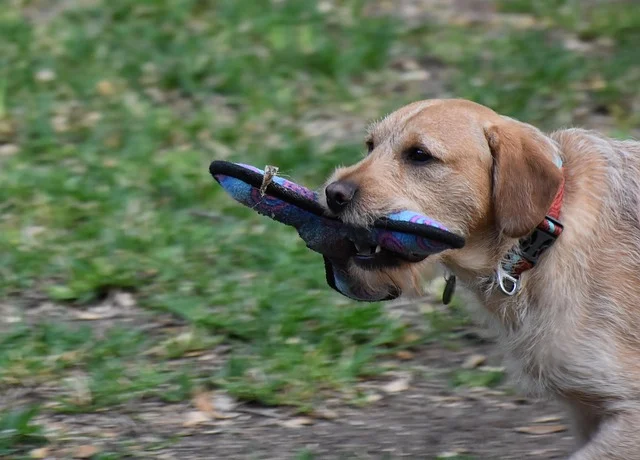
Plan for 15 to 30 minutes of dedicated daily exercise. This can be split into two short 15-minute neighborhood walks combined with short indoor play sessions. Fetch with a small latex toy or soft plush ball keeps them nimble without overexerting fragile joints. While they enjoy play, it’s important not to push them too hard, especially in extreme weather.
Walking Safety and Harness Rules
Never attach a leash directly to a Shorkie’s neck collar. Small toy breeds are vulnerable to tracheal collapse when tugging on a neck strap. Always use a padded step-in chest harness to distribute pulling force across the shoulders and chest, protecting their delicate trachea.
Temperature Precautions
Shorkies with shorter muzzles struggle to regulate body heat efficiently in warm conditions. Limit summer walks to cooler morning or evening hours, keep workouts short, and always provide fresh water. Overheating can be a serious risk. In winter, their thin coat leaves them cold quickly; equip them with a fitting fleece sweater or jacket for outdoor trips to prevent hypothermia.
Training and Housebreaking Strategies
Shorkies are intelligent and process commands quickly, but their stubborn nature requires consistent handling and positive reinforcement techniques.
Potty Training Realities
Housebreaking a Shorkie can take several months. Toy breeds have small bladders and fast metabolisms, requiring frequent potty breaks. Establish a set routine: take your puppy outside immediately after sleeping, within 15 minutes of eating, and after active play. Reward successful outdoor pottying with immediate praise and small treats. Consistency and patience are key. For crate training guidance, see Can Dogs Eat Apples? Common Mistakes to Avoid.
Managing Barking Habits (Are Shorkies Yappy Dogs?)
Their terrier instinct urges them to alert you to every sound outside the window or door, which can lead to frequent barking. To keep barking under control:
- Avoid shouting back when your dog barks, as they interpret loud voices as joining in the alarm, reinforcing the behaviour.
- Teach a firm “quiet” cue by redirecting their focus with a high-value treat as soon as they pause barking. Practice this repeatedly in calm environments before tackling triggers.
- Block visual triggers like low window views with translucent privacy film or by restricting access to windows when you’re not supervising.
- Ensure they have enough mental stimulation through puzzle toys and training sessions to prevent boredom barking.
Early Socialisation Steps
Expose your Shorkie puppy to diverse sounds, smooth and rough walking surfaces, rain gear, traffic noise, and calm dogs from 8 to 16 weeks of age. Controlled, positive exposure prevents defensive fear-barking or timidity around novel sights, sounds, and people later in life. Puppy classes are an excellent way to provide safe socialisation experiences.
Common Shorkie Health Issues and Preventive Care
Shorkies generally live a long life of 10 to 16 years, but they are genetically susceptible to several conditions common to Shih Tzus and Yorkshire Terriers.
Dental Disease
Toy dog jaws are compact, causing adult teeth to crowd tightly together. This traps food particles, accelerating tartar formation, gingivitis, and early tooth loss. Brush your Shorkie’s teeth daily using a small dog toothbrush and enzymatic canine toothpaste. Professional veterinary scaling under anesthesia may be required every 1 to 2 years to prevent severe periodontal disease, which can lead to other systemic health issues.
Luxating Patella
This condition occurs when the kneecap slips out of its normal groove in the femur. Symptoms include a brief “skipping” gait or limping while walking. It can range from mild, intermittent discomfort to severe lameness. Mild cases are managed with joint supplements, anti-inflammatory medication, and weight control to reduce stress on the joints, while severe cases often require surgical repair to stabilise the kneecap.
Tracheal Collapse
Weakening of the cartilaginous rings lining the windpipe leads to tracheal flattening, causing a distinct honking cough, exercise intolerance, and breathing distress. This condition is progressive. Using a chest harness instead of a neck collar is the primary preventive measure. This avoids putting pressure on the trachea. Weight management and avoiding irritants like smoke are also important.
Hypoglycemia
Young Shorkie puppies, particularly those weighing under 4 pounds, struggle to store glucose. Rapid drops in blood sugar cause lethargy, muscle weakness, wobbliness, or seizures. This is a medical emergency. Feed young puppies 3 to 4 small meals per day to keep blood sugar stable. Keep liquid glucose or honey on hand to rub on gums if symptoms appear, followed by immediate veterinary care.
Portosystemic Shunt (PSS)
A congenital liver condition where abnormal blood vessels bypass the liver, preventing toxin filtration. Symptoms, which often appear in puppyhood, include poor growth, disorientation, vomiting, and seizures, particularly after eating. Diagnosis involves blood bile acid tests and ultrasound. Treatment can range from dietary management to surgical correction.
Eye Conditions
Like their Shih Tzu parents, Shorkies can be prone to various eye issues. These include dry eye (keratoconjunctivitis sicca), cataracts, progressive retinal atrophy (PRA), and distichiasis (extra eyelashes rubbing against the eye). Regular veterinary check-ups and prompt attention to any signs of eye irritation or discharge are crucial for early diagnosis and treatment.
How Shorkies Compare to Other Toy Crossbreeds
If you are deciding between popular small crossbreeds, comparing their physical and behavioral traits side by side helps clarify which best fits your daily routine.
| Breed Mix | Parent Breeds | Average Weight | Grooming Need | Key Temperament Style |
|---|---|---|---|---|
| Shorkie | Shih Tzu x Yorkie | 3–7 lbs | Daily brushing, clip 4–6 wks | Affectionate, loyal, alert, vocal |
| Morkie | Maltese x Yorkie | 4–8 lbs | Daily brushing, clip 4–6 wks | Energetic, playful, feisty, lap-oriented |
| Shih-Poo | Shih Tzu x Toy Poodle | 8–15 lbs | Brush 3x weekly, clip 6–8 wks | Gentle, eager to please, friendly |
| Yorkipoo | Yorkie x Toy Poodle | 4–12 lbs | Brush 3x weekly, clip 6–8 wks | Intelligent, active, highly trainable |
Buying or Adopting a Shorkie (Shorkie Puppies for Sale)
Because Shorkies are crossbreeds, prospective owners must take extra care to source puppies from ethical breeders who prioritize animal welfare over profit.
Finding an Ethical Breeder
Avoid pet stores, online brokers, or breeders who refuse home visits. Responsible breeders will:
- Show you where the puppies are raised and introduce you to the mother dog in person. This allows you to observe the living conditions and the mother’s temperament.
- Provide written health screenings for parent dogs, including vet checks for luxating patellas, eye clearances, and cardiac health, to minimise the risk of inherited conditions in the puppies.
- Ask you detailed questions about your home environment, work schedule, and dog experience to ensure a good match for their puppies.
- Provide health guarantees and take the dog back if you can no longer care for it, demonstrating a lifelong commitment to their puppies.
- Be transparent about potential health concerns common to the parent breeds and provide veterinary records for the puppy, including vaccination and deworming history.
Expect to pay between £500 and £1,500 for a well-bred Shorkie puppy from health-tested parentage. This price reflects the breeder’s investment in health screening, proper care, and early socialisation.
Adoption Alternatives
Many small designer crossbreeds end up in shelters due to changes in owner circumstances or unexpected grooming demands. Checking breed-specific rescues for Shih Tzus and Yorkshire Terriers often turns up mixed-breed dogs needing homes. Adoption fees generally range from £150 to £350 and typically cover spaying/neutering, microchipping, and initial vaccinations, offering a more affordable and ethical route to Shorkie ownership.
Frequently Asked Questions About Shorkies
Are Shorkies good for first-time dog owners?
Yes, Shorkies make good pets for first-time owners who can dedicate time to daily grooming, potty training, and early socialisation. Their small size makes them physically manageable, though their vocal nature requires consistent patience.
Do Shorkies shed a lot?
Shorkies are low-shedding dogs because their hair grows continuously instead of cycling out like thick fur. However, dead hair gets caught in the coat, so daily combing is necessary to prevent severe matting.
How much exercise does a Shorkie need daily?
A Shorkie needs 15 to 30 minutes of daily exercise. This can easily be met through two short walks and interactive indoor play sessions, making them suitable for apartment living.
Are Shorkies yappy dogs?
Shorkies can become vocal if they inherit the alert terrier tendencies of their Yorkshire Terrier ancestry. Early socialisation, rewarding quiet behavior, and preventing window triggers help keep nuisance barking under control, but some barking should be expected.
How long do Shorkies live?
A healthy Shorkie has an average lifespan of 10 to 16 years. Proper dental care, weight management, routine vet check-ups, and a nutritious diet help ensure a long and healthy life.