ng with long-haired breeds like the Angora or Persian brought by sailors, these cats developed resilience and unique physical characteristics to thrive in the rugged New England environment. By the late 19th century, the Maine Coon was a well-established breed, even winning the first cat show in North America. However, their popularity waned with the introduction of more exotic breeds, but thankfully, dedicated breeders worked to revive the breed in the mid-20th century, ensuring their continued presence and popularity today.

The Gentle Giant: What to Expect Physically
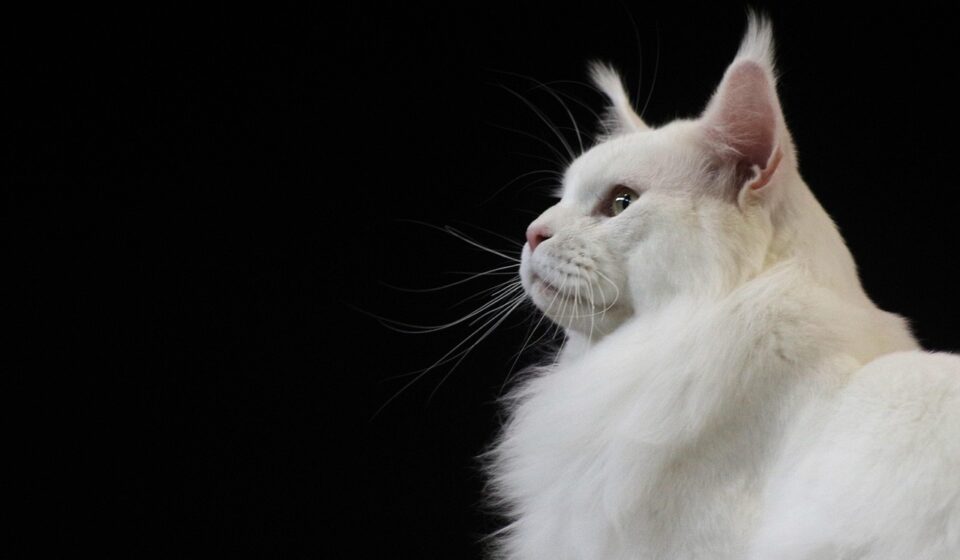
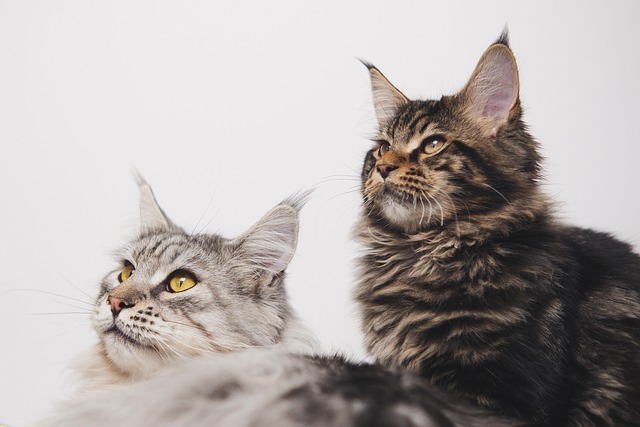
When you picture a Maine Coon, you likely imagine a large cat, and you wouldn’t be wrong. They are one of the largest domesticated cat breeds, with males typically weighing between 15 to 25 pounds (approximately 7-11 kg) and females slightly less, around 10 to 15 pounds (4.5-7 kg). Some individuals can even exceed these weights. Their impressive stature is complemented by a rectangular body, a broad chest, and a magnificent, bushy tail that’s often as long as their body. Their coat is perhaps their most striking feature – a long, shaggy, water-repellent fur that comes in a wide array of colours and patterns, though tabby patterns are particularly classic. The fur is shorter on the shoulders and legs and longer on the stomach and flanks, providing insulation. You’ll also notice tufted ears and paws, which help protect them from the cold, and a characteristic ‘collar’ of fur around their neck.
More Than Just Size: The Maine Coon’s Character
The “gentle giant” moniker is well-earned. Maine Coons are renowned for their amiable, social, and laid-back temperament. They often exhibit ‘dog-like’ behaviours, such as following their humans from room to room, greeting them at the door, and enjoying games of fetch. They are highly intelligent and can even be trained to perform simple tricks. Unlike some cat breeds that prefer solitude, Maine Coons thrive on interaction and are generally very good with children and other pets, including dogs, provided they are properly introduced. They retain a playful spirit throughout their lives, often remaining kitten-like well into adulthood. While they enjoy company, they are typically not overly demanding or clingy, preferring to be in the same room as their family rather than constantly on laps. Their vocalization is also distinctive; they often communicate with soft chirps and trills rather than loud meows.
Keeping Your Gentle Giant Healthy: Care and Grooming
Caring for a Maine Coon involves more than just providing food and shelter. Their luxurious coat, while beautiful, requires consistent grooming to prevent matting and reduce shedding. I’d recommend brushing your Maine Coon at least two to three times a week. Daily brushing is ideal, especially during shedding seasons, which usually occur in spring and autumn. A good quality slicker brush or a metal comb can help work through tangles and remove loose undercoat. Beyond grooming, regular veterinary check-ups are essential. As with many large breeds, Maine Coons can be prone to certain genetic health conditions. This is where being a responsible owner comes in – understanding potential issues and working with your vet to manage them. Regular nail trimming, ear cleaning, and dental care are also part of their routine maintenance.
Potential Health Concerns for Maine Coons
While generally a solid breed, Maine Coons can be predisposed to certain health issues. One of the most significant is Hypertrophic Cardiomyopathy (HCM), a common heart disease in cats that can lead to heart failure. Responsible breeders will screen their breeding cats for HCM, and it’s a good idea to ask for proof of these tests. Another concern is hip dysplasia, a condition where the hip joint doesn’t form correctly, potentially leading to arthritis and lameness. This is more common in larger breeds. Polycystic Kidney Disease (PKD) is also a possibility, though less prevalent than in some other long-haired breeds. Spinal Muscular Atrophy (SMA) is a genetic condition that affects motor neurons, leading to muscle weakness. Early diagnosis and management by a veterinarian are crucial for any of these conditions. According to the VCA Animal Hospitals, early detection and management can significantly improve a cat’s quality of life for conditions like HCM.
Nutrition for a Growing Giant
Feeding a Maine Coon requires attention to their specific dietary needs, especially during their growth phase. They grow for a longer period than many smaller cat breeds, often reaching their full size by three to five years of age. This means they need a diet formulated for growth that’s high in protein and balanced with essential vitamins and minerals. High-quality commercial cat food specifically designed for large breeds can be a good option. Look for foods with meat as the primary ingredient. Avoid foods with excessive fillers like corn, wheat, or soy, which offer less nutritional value. Wet food can be beneficial for hydration, while dry kibble can help with dental hygiene. Always ensure fresh water is available. Your vet can provide personalized recommendations based on your cat’s age, activity level, and specific health needs.
Adopting a Maine Coon: What to Expect
When you decide to welcome a Maine Coon into your life, you have a couple of avenues: adopting from a rescue organization or purchasing from a reputable breeder. Rescue groups often have adult Maine Coons or mixes available, and adoption fees are typically lower than breeder prices. This is a fantastic way to give a deserving cat a second chance. If you’re set on a kitten or a purebred, finding a reputable breeder is paramount.
A good breeder will be transparent about their cats’ health testing (especially for HCM and hip dysplasia), allow you to visit their cattery, and ask you questions to ensure their kittens go to suitable homes. Be wary of breeders who can’t provide health clearances or who seem more interested in your money than the welfare of their cats. The cost for a Maine Coon kitten from a reputable breeder can range from £300 to over £1,000, depending on the lineage, breeder’s reputation, and location. This price reflects the care, health testing, and socialization involved.
Weighing the Decision: Pros and Cons of Maine Coon Ownership
Owning a Maine Coon is a rewarding experience, but it’s important to be realistic about the commitment. I find that many owners adore their gentle giants, but it’s good to consider both sides.
Pros of Owning a Maine Coon:
- Exceptional Companionship: Their friendly, social nature makes them devoted family members.
- Playful and Intelligent: They are engaging pets that enjoy interaction and can be trained.
- Good with Families: Generally patient and tolerant with children and other pets.
- Adaptable: They can adjust to various living situations, though they appreciate space to roam.
- Unique Appearance: Their impressive size and beautiful coat are undeniably striking.
Cons of Owning a Maine Coon:
- Grooming Needs: Their long fur requires regular and thorough brushing to prevent mats.
- Potential Health Issues: Predisposition to HCM and hip dysplasia requires vigilant health monitoring.
- Size: Their large size means they may require more space and larger accessories (beds, litter boxes).
- Cost: Initial purchase price and ongoing care (food, vet bills for potential issues) can be higher.
- Shedding: They do shed, particularly during seasonal changes.
Common Mistakes New Maine Coon Owners Make
One of the most frequent missteps I see is underestimating the grooming commitment. Owners might think a quick brush now and then is sufficient, but a Maine Coon’s dense double coat can quickly become matted if neglected. This can be painful for the cat and lead to skin issues. Another mistake is not providing enough mental stimulation. Their intelligence means they can get bored, leading to destructive behaviours. Puzzle toys, interactive play sessions, and even training can help keep their minds engaged. Finally, not being prepared for their size is also common. A small litter box or a tiny scratching post simply won’t do for a full-grown Maine Coon. Investing in larger, sturdy furniture and accessories from the start will save you hassle and ensure your cat is comfortable and safe. Always choose cat beds and scratching posts sized appropriately for a large breed cat.

Frequently Asked Questions About Maine Coons
Are Maine Coons indoor or outdoor cats?
While they have hardy coats, Maine Coons are generally best kept as indoor cats. This protects them from dangers like traffic, predators, parasites, and diseases common in outdoor environments. Their curious nature might lead them into unsafe situations.
How much exercise do Maine Coons need?
Maine Coons are playful and active, especially when young. They benefit from interactive play sessions with toys that mimic prey, such as feather wands or laser pointers. Providing climbing structures like cat trees and scratching posts also satisfies their need for exercise and exploration.
Do Maine Coons shed a lot?
Yes, Maine Coons have a dense, long coat and tend to shed, particularly during seasonal changes. Regular brushing, ideally a few times a week, is essential to manage shedding and prevent mats. Some owners find professional grooming helpful during peak shedding periods.
How long do Maine Coons typically live?
With proper care, a Maine Coon can live a long and healthy life. The typical lifespan for a Maine Coon is between 10 to 13 years, though many live longer, sometimes into their late teens or even early twenties.
Are Maine Coons noisy cats?
Maine Coons are not typically considered noisy cats. Instead of loud meows, they often communicate with soft chirps, trills, and other gentle vocalizations. This unique communication style adds to their charm and distinctive personality.
What is the average lifespan of a Maine Coon?
The average lifespan of a Maine Coon is between 10 to 13 years. However, with excellent nutrition, regular veterinary care, and a safe indoor environment, many Maine Coons can live well beyond this, sometimes reaching 15–20 years of age.
Bringing Home Your Maine Coon
The Maine Coon is a truly special breed, offering a unique blend of impressive stature and heartwarming companionship. Their gentle, social nature, coupled with their striking appearance, makes them an ideal choice for many families. By understanding their specific grooming, dietary, and health needs, and by providing plenty of love and interaction, you can ensure your Maine Coon lives a happy, healthy, and long life as a cherished member of your household.
Related Articles
- Golden Retriever Dachshund Mix: Your Guide to the ‘Golden Doxie’
- Saarloos Wolfdog: A Complete Guide to the Unique Breed
- Wirehaired Dachshund: Personality, Care, and Quirks