Can dogs have maple syrup? Risks and exceptions
Pure maple syrup, derived directly from maple tree sap, is non-toxic to dogs. This means that a minuscule lick or an accidental drop won’t immediately poison your pet. However, “non-toxic” does not equate to “healthy” or “recommended.” Maple syrup is predominantly composed of sucrose (sugar) and water, providing a concentrated burst of calories without the essential dietary fiber, complex carbohydrates, or protein that dogs need for balanced digestion.
A dog’s digestive system is primarily optimized for processing proteins and animal fats. When they consume simple, refined sugars like those in maple syrup, their body processes these carbohydrates much faster than natural nutrients. This can place unnecessary metabolic stress on their pancreas and lead to rapid spikes in blood glucose levels. While humans have evolved to handle moderate amounts of refined sugars as omnivores, a dog’s physiology is different.
Beyond the pure form, the market is flooded with processed, store-bought syrups. These often contain a cocktail of additives, preservatives, high-fructose corn syrup, and, most critically, artificial sweeteners. These additional ingredients can pose immediate and severe health risks to dogs, ranging from digestive upset to life-threatening toxicity.
The Lethal Risk of Artificial Syrups and Xylitol Toxicity
The biggest danger when dogs eat sweet syrups is artificial sweeteners. Xylitol is especially dangerous. This sugar alcohol is also called birch sugar, wood sugar, or E967. It is in low-calorie, sugar-free, or “light” human foods. Xylitol is harmless for humans. But it is catastrophically toxic for dogs. Even tiny amounts can be deadly. When asking “can dogs have maple syrup”, consider these dangers.
When a dog ingests xylitol, its body mistakes it for real glucose. This triggers a rapid, massive insulin release from the pancreas. Within 10 to 60 minutes, insulin drives blood sugar dangerously low. This condition is severe hypoglycemia. Without immediate vet care, hypoglycemia causes severe symptoms. These include loss of coordination, collapse, and seizures. Acute liver necrosis and fatal organ failure can also occur. This is much more dangerous than asking if can dogs have maple syrup.
Veterinary toxicology data indicates that a dose as small as 0.1 grams of xylitol per kilogram of a dog’s body weight can induce severe hypoglycemia. A higher dose of 0.5 grams per kilogram can cause acute liver failure. Many reduced-calorie pancake syrups rely heavily on xylitol. Therefore, it is critical to check every ingredient label. This is especially true when considering the question of “can dogs have maple syrup” or any other syrup product. If you ever suspect your dog has consumed any syrup containing xylitol, treat it as a critical emergency. Contact your veterinarian immediately. Time is of the essence in these situations.
Does Maple Syrup Offer Any Health Benefits for Dogs?
Pure maple syrup does contain genuine micronutrients. It naturally includes trace minerals such as manganese, zinc, calcium, and potassium, alongside small concentrations of natural antioxidants. Manganese plays an important role in carbohydrate metabolism, bone health, and enzyme function. Zinc supports immune system responses and skin health.
Maple syrup offers few nutritional benefits. Its dense sugar concentration overshadows any good. A dog needs much syrup for manganese or zinc. This sugar volume causes acute stomach distress. It also leads to long-term health issues. For perspective, one tablespoon (15 ml) delivers 52 calories. It also contains 12 grams of sugar. [webmd.com] This makes us wonder, can dogs have maple syrup?
For a medium-sized dog weighing 15 kg, their daily energy requirement varies with the individual dog. [wsava.org] Relying on maple syrup for nutrients is an unnecessary risk. Dogs can easily obtain manganese, zinc, and antioxidants from healthier, species-appropriate foods like spinach, boiled pumpkin, or cooked lean meat. These alternatives provide essential nutrients without the detrimental sugar load.
What Happens if a Dog Eats Too Much Maple Syrup?
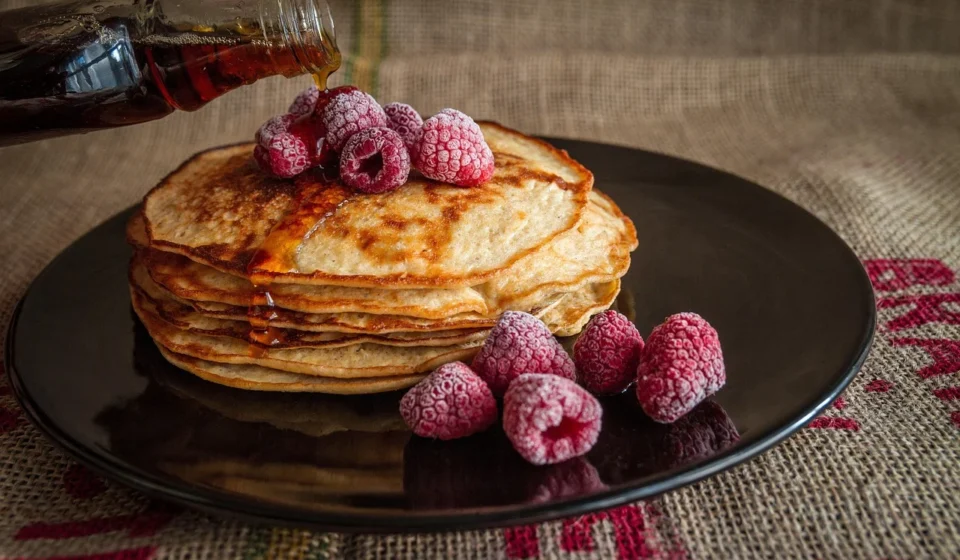
If a dog consumes a large quantity of pure maple syrup—for instance, by knocking over a jug on the kitchen counter or eating a stack of syrup-coated pancakes—the immediate result is typically acute gastrointestinal distress. The intense concentration of sucrose acts osmotically, drawing fluid directly into the digestive tract. This leads to rapid stomach irritation and loose stools.
Short-term symptoms of excess pure maple syrup intake include:
- Vomiting and persistent nausea
- Diarrhoea and watery, frequent bowel movements
- Abdominal bloating, cramping, and visible discomfort, often indicated by restlessness or hunched posture
- Hyperactivity followed by sudden lethargy as blood sugar levels spike and then crash
- Excessive thirst and increased frequency of urination due to sugar processing
Long-term health risks are serious. Sugary foods can become a frequent part of your dog’s routine. Regular sugar leads to rapid weight gain. Canine obesity strains joints. It increases cruciate ligament tears. Also, it burdens the heart and lungs. Sticky sugary liquids coat teeth. This feeds oral bacteria. Those bacteria cause plaque and tartar. Gum inflammation and tooth decay result. Many wonder, “Can dogs have maple syrup?” when considering these risks.
Repeated blood glucose spikes force the pancreas to produce much insulin. Over time, this chronic pancreatic stress contributes to insulin resistance. It also causes canine diabetes mellitus and painful bouts of acute or chronic pancreatitis. Pancreatitis occurs when digestive enzymes activate inside the pancreas. This causes intense severe abdominal pain and persistent vomiting. Dehydration and potential systemic organ damage also result. These can be life-threatening. A common question is, can dogs have maple syrup, but it’s important to consider their health.
How Much Maple Syrup Can a Dog Safely Have?
If you wonder “can dogs have maple syrup,” give only a few drops to a small dog. A large dog can have a quarter-teaspoon. This should be a rare, accidental treat. Never add it daily to meals. Do not offer it as a regular snack. This small amount likely won’t cause harm. It also offers no benefit.
| Dog Size Class | Typical Weight Range | Max Daily Caloric Allowance for Treats | Maximum Maple Syrup Serving Size |
|---|---|---|---|
| Toy and Small Dogs | 2 – 5 kg | 15 – 30 kcal | 1 – 2 drops (lick off a spoon) |
| Medium Dogs | 10 – 20 kg | 50 – 90 kcal | 1/4 teaspoon (approx. 13 kcal) |
| Large Dogs | 25 – 40 kg | 100 – 150 kcal | 1/2 teaspoon (approx. 26 kcal) |
Even within these low limits, it is far wiser to skip maple syrup altogether in favor of healthy treats. These provide genuine nutritional value without spiking blood sugar. The risks far outweigh any perceived benefit or momentary pleasure for your dog.
Which Dogs Should Never Eat Maple Syrup?
While a healthy adult dog may suffer no obvious harm from a tiny lick of pure maple syrup, certain dogs must never consume sugar under any circumstances. You should strictly avoid giving maple syrup to dogs in the following risk groups:
- Diabetic dogs: Canines with diabetes mellitus cannot regulate blood glucose properly. Feeding maple syrup triggers acute hyperglycemia, severely threatening their diabetic management and potentially causing a life-threatening medical emergency.
- Overweight and obese dogs: High-density liquid calories prevent weight loss and compound stress on arthritic joints and cardiovascular systems. Any added calories contribute to further weight gain and related health issues.
- Dogs prone to pancreatitis: Breeds with a genetic predisposition to pancreatic inflammation (such as Miniature Schnauzers, Spaniels, and Terriers) or dogs with a history of pancreatitis should strictly avoid high-sugar foods that excite pancreatic enzyme secretion and can trigger painful and dangerous flare-ups.
- Dogs with dental problems: Dogs with tartar accumulation, inflamed gums, or existing dental disease will experience accelerated tooth decay and worsening gum inflammation from sticky sugar lingering on enamel and feeding oral bacteria.
- Puppies: Young puppies possess sensitive digestive tracts and immature gut microbiomes. High concentrations of sucrose can trigger severe diarrhoea, dehydration, and electrolyte imbalances, which can be particularly dangerous for their small bodies.
- Dogs with food sensitivities or allergies: While rare, some dogs may have sensitivities to specific components of maple syrup. Introducing new, non-essential foods can complicate dietary management.
What to Do if Your Dog Accidentally Eats Syrup
Accidents can happen quickly around the dining table or kitchen counters. If your dog consumes syrup, taking the right action depends entirely on the ingredients and amount ingested.
First, inspect the packaging immediately and thoroughly.
If the syrup contains xylitol, birch sugar, wood sugar, E967, or any artificial ingredients you cannot identify, contact your vet or an emergency poison advice hotline immediately. Xylitol toxicity develops rapidly, so you must seek professional help before symptoms begin. Do not wait to see if symptoms appear.
If your dog consumed pure maple syrup in a very small quantity (e.g., a few drops), monitor them closely at home over the next 24 to 48 hours. Provide fresh drinking water at all times. Look for any signs of gastrointestinal upset.
If your dog ate much pure maple syrup, watch for persistent vomiting. Look for severe diarrhoea, or intense abdominal pain. A hunched posture or reluctance to move are signs. Lethargy is another sign. If gastrointestinal upset lasts over 24 hours, contact your vet. Do this for any severe symptoms too. They may suggest an examination. Your vet can provide supportive care. This manages dehydration and discomfort. This information is key when considering can dogs have maple syrup.
Healthy Low-Sugar Alternatives for Dog Treats
If you want to add flavor to your dog’s dry kibble or offer a sweet, rewarding snack, there are many natural, safe whole foods that offer great taste without the massive sugar content and health risks of maple syrup. These options provide genuine nutritional value and support your dog’s overall health.
Consider offering these nutrient-dense options instead of high-sugar syrups:
- Puréed pumpkin: Plain, unsweetened canned pumpkin purée (not pie filling) is low in calories and packed with soluble fiber, making it fantastic for supporting healthy digestion and firm stools.
- Fresh blueberries: Low in calories and rich in antioxidants, vitamins C and K, blueberries make ideal training rewards for dogs of all sizes. Offer them fresh or frozen.
- Apple slices: Naturally sweet and crisp, sliced apples (without seeds or core, which contain cyanide) provide vitamin C and fiber.
- Carrot sticks: Crunchy raw carrots are low in calories, high in beta-carotene, and support oral hygiene by mechanically scraping teeth during chewing.
- Plain Greek yoghurt: A small tablespoon of unsweetened, xylitol-free plain Greek yoghurt offers protein and beneficial probiotics without added sugars. Ensure it contains live active cultures.
- Steamed green beans: A low-calorie, crunchy snack packed with vitamins and fiber that most dogs enjoy.
- Cooked sweet potato: Plain, boiled, or baked sweet potato (peeled and cooled) is a good source of vitamins, minerals, and fiber.
Related guides
- Can Dogs Have Cottage Cheese? Benefits, Risks, and Serving Rules
- Can Dogs Eat Ginger Biscuits? Risks, Ingredients and Safe Alternatives
- Kefir Milk for Dogs: Benefits, Risks & Safe Use
Sources: Feeding treats to your dog – World Small Animal Veterinary …
Frequently asked questions
Can dogs eat maple syrup on pancakes?
No, it is strongly recommended to avoid feeding dogs pancakes topped with maple syrup. Pancakes are typically heavy in refined flour, butter, and sometimes sugar, and adding sugary maple syrup creates a combination that frequently causes stomach upset, vomiting, or contributes to long-term weight gain and other health issues.
Is artificial maple syrup toxic to dogs?
Artificial maple syrup is extremely toxic if it contains xylitol (also known as birch sugar, wood sugar, or E967). Xylitol is an artificial sweetener that triggers severe hypoglycemia and liver failure in dogs, even in small amounts. Even xylitol-free artificial syrups often contain high-fructose corn syrup and chemical additives that provide no dietary benefit and can cause digestive upset.
Can a small amount of pure maple syrup hurt a dog?
A tiny, accidental lick of pure maple syrup is unlikely to cause immediate harm to a healthy adult dog, as it is non-toxic. However, if the syrup contains xylitol or if your dog suffers from pre-existing conditions like diabetes or pancreatitis, even a minute amount can lead to serious medical issues requiring immediate veterinary attention.
What’s the difference between pure maple syrup and artificial syrup for dogs?
Pure maple syrup is made directly from maple tree sap and contains natural sugars, while artificial syrups are highly processed, often using corn syrup, artificial flavors, and potentially dangerous sweeteners like xylitol. Pure maple syrup is not toxic but unhealthy; artificial syrups with xylitol are highly toxic.
What are the signs of xylitol poisoning in dogs?
Signs of xylitol poisoning typically appear within 10-60 minutes and include vomiting, lethargy, weakness, staggering, incoordination, collapse, and seizures. If you suspect xylitol ingestion, seek immediate veterinary care even if symptoms are not yet present.