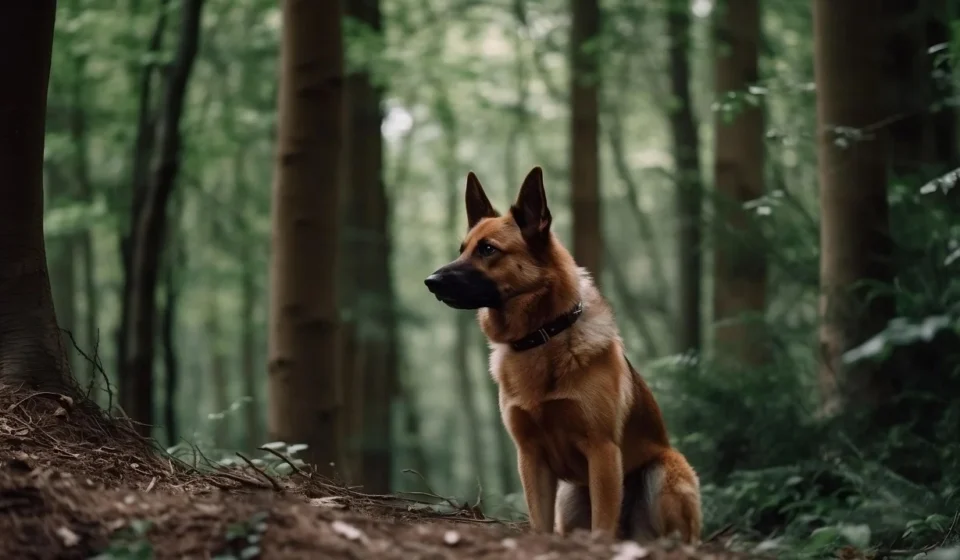
Dutch Shepherd puppies are athletic, highly intelligent working dogs that require structured training, early socialisation, and regular mental exercise. Originally bred in the Netherlands for herding and farm work, they excel in active households and working roles. However, they need an experienced handler who can manage their high energy and natural drive.
Bringing home a Dutch Shepherd puppy is a long-term commitment to a dog that thrives on having a clear job to perform. While their striking brindle coats make them visually stunning, their working temperament means they are not suited for every household. Understanding their development phases, drive levels, and specific care needs will help you decide whether this breed aligns with your lifestyle.
What makes Dutch Shepherd puppies unique?
Dutch Shepherd puppies are defined by their keen intelligence, quick reactivity, and intense bond with their handlers. Unlike breeds developed purely for companionship, the Dutch Shepherd retains strong working instincts, including herding, guarding, and trailing. They learn command sequences rapidly, often picking up basic household rules within a few repetitions. However, this intelligence also means they will quickly exploit inconsistent handling.
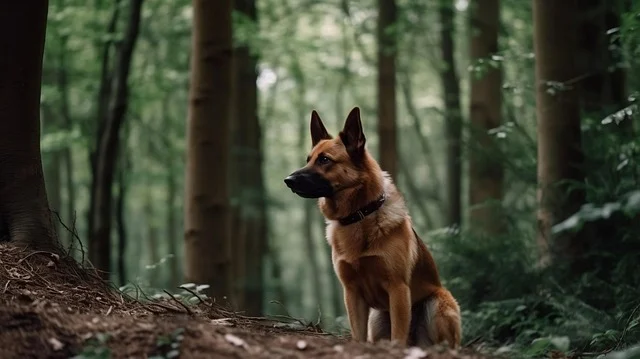
One of the defining physical features of the breed is its coat. It comes in three distinct varieties: short-haired, long-haired, and rough-haired (wire-haired). All three coat types feature the breed’s signature brindle patterning. This ranges from a light silver-brindle to a deep golden-red brindle. The short-haired variety is by far the most common in working and sport lines globally. Long-haired and rough-haired lines are somewhat rarer and often display slightly softer temperaments in domestic settings.
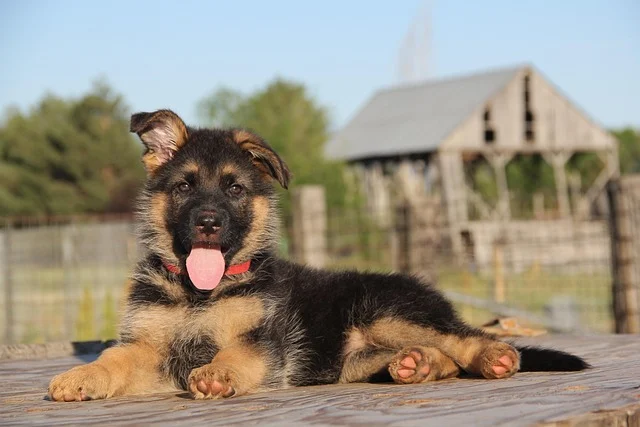
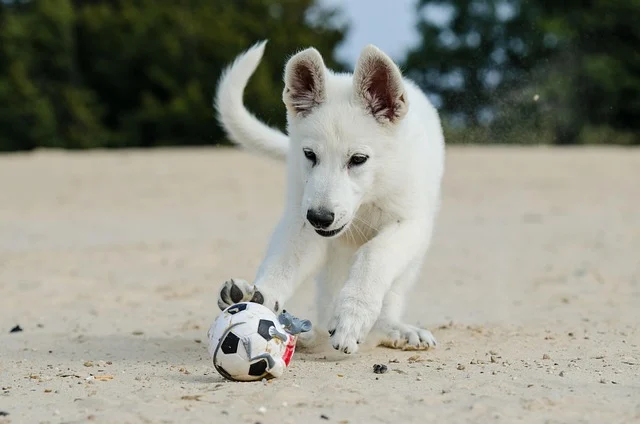
During puppyhood, Dutch Shepherds exhibit a high degree of curiosity paired with strong mouthiness. Because they were historically bred to control livestock using bite pressure and body movement, young puppies will naturally nip at ankles, sleeves, and hands during play. Redirected chewing training and early bite inhibition work are non-negotiable parts of raising a Dutch Shepherd puppy from week eight onward.
How Dutch Shepherds compare to German Shepherds and Belgian Malinois
Prospective owners frequently weigh Dutch Shepherd puppies against Belgian Malinois and German Shepherd Dogs. While all three are European herding and working breeds with overlapping histories, key differences exist in temperament, drive, coat type, and handler focus.
The table below breaks down the key comparative criteria across these three closely related working breeds:
| Trait | Dutch Shepherd | Belgian Malinois | German Shepherd Dog |
|---|---|---|---|
| Primary Coat Pattern | Silver or gold brindle | Fawn with black mask | Black and tan, sables, solid black |
| Energy & Drive Level | Very high (working lines) | Extreme (highest drive) | Moderate to high |
| Off-Switch Potential | Moderate with proper training | Low to moderate | Moderate to high |
| Coat Varieties | Short, long, rough | Short, long, wire, black varieties | Stock coat, long stock coat |
| Average Adult Weight | 20–30 kg | 20–30 kg | 28–40 kg |
| Handler Sensitivity | High (responds to fair, clear rules) | Very high (sensitive to pressure) | Moderate |
In practice, Dutch Shepherds often occupy a middle ground between the extreme, highly strung drive of the Belgian Malinois and the larger, slightly calmer demeanour of working-line German Shepherds. However, working-line Dutch Shepherds bred for sports like IGP or French Ring can match any Malinois in intensity and speed.
Socialization and training steps for Dutch Shepherd puppies
Training a Dutch Shepherd puppy begins the moment you bring them home at eight weeks of age. The key to raising a stable, well-adjusted adult dog lies in balancing mental engagement with strict impulse control. Because this breed possesses high natural arousal levels, learning to settle is just as vital as learning active obedience commands.

1. Teach an early off-switch and crate comfort
High-drive puppies do not naturally know when to sleep. Left to their own devices, a Dutch Shepherd puppy will become overtired, leading to excessive biting, whining, and destructive chewing. Establish a predictable routine using a crate or dedicated playpen where the puppy rests after exercise and meals. We recommend rewarding calm, motionless behaviour inside the crate with high-value food drops to build a strong positive association with rest.
2. Build bite inhibition and redirected chewing
Due to their herding origin, Dutch Shepherd puppies use their mouth to investigate their environment and interact with humans. Never use harsh physical punishment, as this can increase reactivity or create handler suspicion. Instead, immediately redirect mouthiness onto appropriate tug toys, rubber chew balls, or frozen chew treats. If the puppy continues biting skin or clothing, briefly withdraw all attention by stepping behind a baby gate for 15 to 30 seconds.
3. Controlled environmental exposure
Between 8 and 16 weeks of age, expose your puppy to a wide variety of sounds, surface textures, weather conditions, people, and neutral animals. The goal of socialisation is not for your puppy to greet every person or dog they see. Rather, it is to teach them to remain calm and focused on you in the presence of novel stimuli. Walk your puppy on concrete, gravel, wet grass, metal grates, and wooden decking. This will help them gain physical confidence on diverse surfaces.
Health testing and genetic considerations
Dutch Shepherds are generally considered a solid breed with a lower incidence of severe genetic disorders than some other large working breeds. However, responsible breeding practices remain critical to ensure sound structure and health throughout the dog’s life.

Before purchasing a Dutch Shepherd puppy, verify that the breeder has performed standard health screenings on both parents. Key tests and genetic conditions to evaluate include:
- Hip and Elbow Dysplasia: Radiographic evaluations under schemes such as the British Veterinary Association (BVA) or PennHIP evaluate joint conformation. This reduces the risk of early-onset arthritis.
- Inflammatory Myopathy: A hereditary muscular condition specifically identified in Dutch Shepherds. It causes muscle weakness, stiff gait, and difficulty swallowing in young dogs. A DNA test is available to identify clear, carrier, and affected dogs.
- Goniodysplasia / Primary Glaucoma: This is particularly relevant in rough-haired Dutch Shepherds. The eye condition affects fluid drainage and can lead to blindness if unchecked. Breeding stock should have current eye certificates.
- Degenerative Myelopathy (DM): A progressive spinal cord disease tested via genetic screening to prevent passing on mutated genes.
Nutrition and growing physical demands
Dutch Shepherd puppies grow rapidly during their first six months. They require a balanced diet that supports controlled bone development without causing excessive early weight gain. Feeding a high-quality puppy food formulated for medium to large breeds ensures an appropriate calcium-to-phosphorus ratio. This prevents developmental skeletal conditions like osteochondritis dissects.
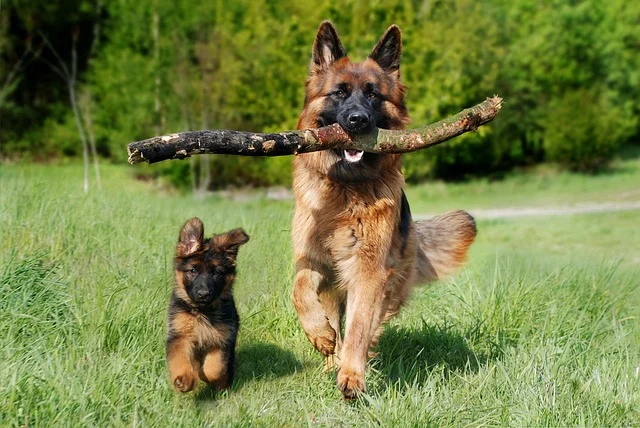
Because young Dutch Shepherds have open growth plates until roughly 12 to 18 months of age, high-impact exercise must be strictly managed. Avoid repetitive jumping, agility hurdles, sharp turns on slick floors, or long distance running alongside a bicycle until your veterinarian confirms joint closure. Instead, substitute strenuous physical running with scent work, trick training, and short exploratory walks on natural ground.
Who should—and should not—buy a Dutch Shepherd puppy?
A Dutch Shepherd puppy is an outstanding match for active individuals, experienced working dog handlers, and enthusiasts who participate in dog sports like agility, tracking, search and rescue, or competitive obedience. They thrive in homes where they receive clear leadership, daily mental challenges, and structured physical exercise.
Conversely, we advise against this breed for the following circumstances:
- First-time dog owners: The combination of high speed, strong mouthiness, and quick learning capacity can overwhelm inexperienced handlers.
- Sedentary households: If your routine allows for only a quick 20-minute neighborhood stroll, a Dutch Shepherd will likely develop destructive behaviours out of boredom.
- Homes lacking structured boundaries: Dutch Shepherds require clear, consistent rules. Permissive handling often results in resource guarding, leash reactivity, or excessive territorial behaviour.
- Owners away from home for long periods: These dogs bond deeply with their family and need frequent interaction to prevent separation distress.
Sources: Dutch Shepherd, Dutch Shepherd
Frequently asked questions
Are Dutch Shepherd puppies easy to train?
Dutch Shepherd puppies are highly trainable due to their intelligence and eagerness to work with their handler. However, they require clear, consistent boundaries and experienced handling to prevent them from developing unwanted behaviours or taking control of sessions.
Do Dutch Shepherd puppies make good family pets?
They can be excellent family companions in active households that provide sufficient physical exercise and mental stimulation. However, their strong herding instincts and mouthing habits mean interactions with young children must always be closely supervised and managed.
How much exercise does a Dutch Shepherd puppy need?
Young puppies need short, structured exercise sessions—roughly 5 minutes per month of age twice daily—alongside daily mental enrichment like puzzle toys and basic obedience training. Adult Dutch Shepherds require at least 1.5 to 2 hours of vigorous exercise and active mental work every day.