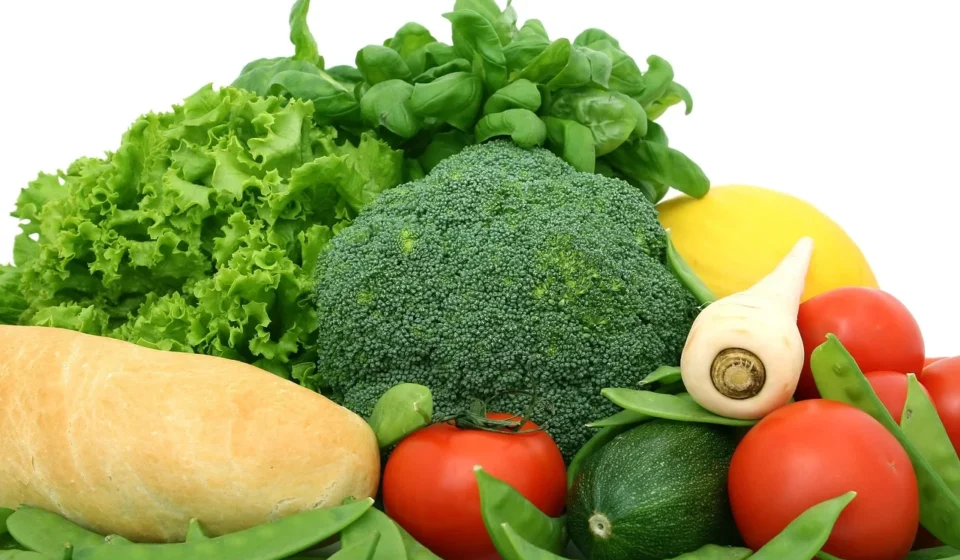
Yes, can dogs have broccoli safely? Absolutely! They can eat it raw or cooked. Just serve it plain; no oils, salt, or seasonings. Proper preparation is key. Strict portion control prevents choking. It also avoids digestive upset. This limits potential toxicity from compounds in the vegetable.
Can dogs eat broccoli? What are the health benefits?
Broccoli is a nutrient-dense vegetable that can provide valuable vitamins, minerals, and fiber. While balanced dog food already supplies your pet’s primary nutritional requirements, adding small pieces of plain broccoli offers healthy variety and useful bioactive compounds.

- Vitamin C: Acts as an antioxidant and supports immune function. Additional dietary intake can assist dogs during times of stress or recovery.
- Vitamin K: Essential for blood clotting and contributes to bone density.
- Dietary fiber: Aids regular bowel movement, nourishes beneficial gut microbes, and helps overweight dogs feel full.
- Sulforaphane: A potent plant compound that acts as an antioxidant and anti-inflammatory agent, supporting cellular health.
- Essential minerals: Provides potassium, calcium, and folic acid.
Why can’t dogs have too much broccoli? Risks to know
While beneficial, feeding too much broccoli or preparing it incorrectly carries chemical and physical risks.
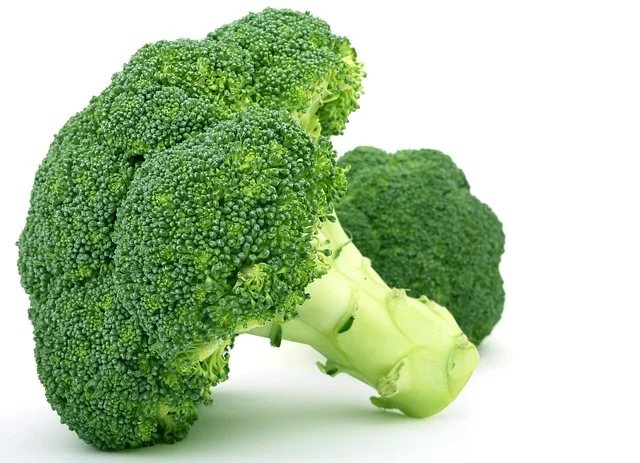
Isothiocyanate toxicity and gastric distress
The primary health concern is broccoli’s content of isothiocyanates. These compounds act as a direct mucosal irritant in a dog’s digestive tract, causing symptoms from mild gas to severe gastrointestinal distress and even toxicity if consumed in large quantities.
- Under 10% of daily caloric intake: Safe for almost all healthy dogs, causing no noticeable side effects. This percentage refers to the total amount of broccoli compared to the dog’s total daily intake. [akc.org]
- 10% to 24% of daily caloric intake: Triggers gastrointestinal irritation, leading to severe flatulence, stomach cramps, loose stools, and vomiting.
- 25% or more of daily caloric intake: Becomes toxic to dogs. Consuming this volume can result in severe toxicosis, systemic dehydration, and life-threatening digestive failure.
Due to these risks, broccoli should always be an occasional treat, not a significant part of your dog’s diet.
Choking hazards and physical blockages from stalks and florets
Broccoli stems and large florets are dense. They are fibrous and hard for dogs to crush. Dogs often swallow food in big pieces. They do not chew thoroughly. The American Kennel Club (AKC) stated in 2026 that choking is a big risk. An intact raw floret can lodge in a dog’s esophagus. A dense stem piece can cause an obstruction. This may need emergency surgery. The topic of can dogs have broccoli raises this concern. This risk is high for smaller dog breeds. It is also high for puppies.
Thyroid suppression from goitrogens
Broccoli contains goitrogens, which interfere with the thyroid gland’s ability to absorb iodine. Long-term, excessive consumption of raw broccoli can suppress thyroid function, posing a risk for dogs with hypothyroidism. While cooking can reduce the goitrogenic effect, moderation is still key, especially for dogs with pre-existing thyroid conditions.
Dangerous additives and seasonings
Broccoli prepared for human meals often contains ingredients dangerous to dogs. For example, onions, garlic, leeks, and chives contain disulfides that can cause hemolytic anemia. Also, cooking oils, butter, and heavy seasonings add excess fat that can trigger acute pancreatitis. Always ensure any broccoli offered to your dog is plain and unseasoned.
Can dogs eat raw broccoli? Raw vs. cooked vs. frozen
Generally, cooked broccoli is the safer and more digestible option for most dogs.
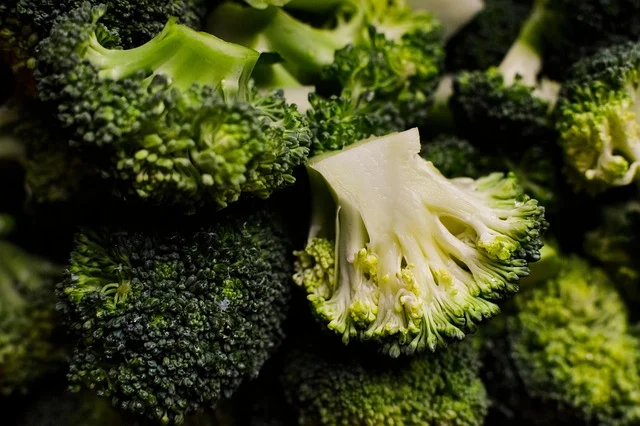
Raw broccoli
Raw broccoli keeps heat-sensitive vitamins. It offers a firm texture. However, a dog’s short gut struggles with its thick cell walls. Raw broccoli is more fibrous. It is harder for a dog’s digestive system to break down, increasing gas. This also raises the likelihood of cramping and choking. Raw stems are especially problematic. Their density and fibrous nature make them a choking hazard. For those asking about can dogs have broccoli, consider the raw form’s issues.
Can dogs eat cooked broccoli?
Cooking broccoli makes it safer for your dog. Steaming or boiling softens tough plant material. This lowers the risk of airway or intestinal blockage. It also reduces goitrogen concentration. Cooked broccoli must be plain. No salt, butter, oil, garlic, or onion powder. Steamed, unseasoned broccoli is best. This is especially true when first introducing it, and for answering the question of “can dogs have broccoli?”
Can dogs eat frozen broccoli?
Frozen broccoli can be a safe, refreshing treat for dogs. Serve it plain and in small pieces. Cook broccoli before freezing. If raw, chop it very small to prevent choking. The cold, hard texture of frozen raw broccoli poses a choking risk. This is especially true for large chunks, particularly for smaller dogs. This information helps answer ‘can dogs have broccoli’.
How to safely prepare and serve broccoli to your dog
To prepare broccoli safely for your dog, follow a clean, simple process:
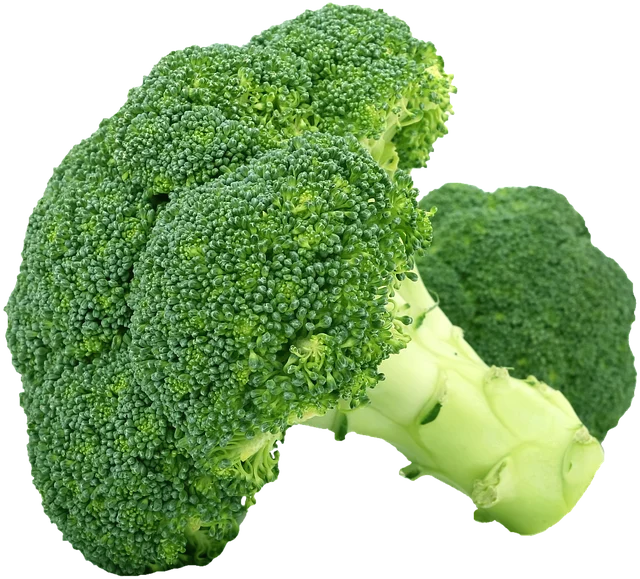
- Wash thoroughly: Rinse fresh broccoli under cold water to eliminate dirt and pesticide residues.
- Separate florets and stems: Cut the florets away from the main stalk.
- Peel tough stems: If you plan to serve the stalk, peel off the fibrous outer skin. This greatly reduces the choking hazard and makes it easier to digest.
- Steam or boil plain: Cook florets and peeled stems in water for 5 to 8 minutes until tender enough to pierce easily with a fork. Do not add butter, oil, salt, or seasonings.
- Cool completely: Let the broccoli reach room temperature to avoid burning their mouth or throat.
- Chop into small pieces: Cut florets and stems into bite-sized pieces appropriate for your dog’s size—no larger than a piece of kibble for small dogs, and under half an inch for larger breeds. Alternatively, purée the cooked vegetable to mix with regular meals, which is the safest option for digestion.
As Canine Bible highlights, careful preparation is key to preventing adverse reactions.
How much broccoli can a dog eat and how often?
Broccoli should only be given as an occasional treat, no more than once or twice a week, to avoid potential digestive upset and the accumulation of goitrogens or isothiocyanates.
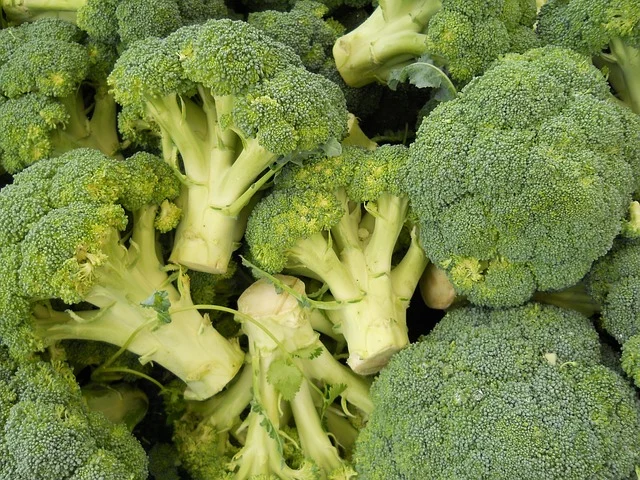
The portion size should always be very small relative to your dog’s total diet, generally staying well under the 10% daily caloric intake threshold to prevent isothiocyanate toxicity. Start with a tiny amount and observe your dog for any adverse reactions.
- Toy and small dogs (under 20 lbs / 9 kg): 1 small floret piece or 1 teaspoon of finely chopped cooked broccoli per serving.
- Medium dogs (20 to 50 lbs / 9 to 23 kg): 2 to 3 small floret pieces or 1 to 2 tablespoons of chopped cooked broccoli per serving.
- Large dogs (50 to 90 lbs / 23 to 41 kg): 3 to 4 bite-sized florets or 3 tablespoons of chopped cooked broccoli per serving.
- Giant breeds (over 90 lbs / 41 kg): Up to 5 bite-sized florets or 1/4 cup of chopped cooked broccoli per serving.
When offering broccoli for the first time, introduce a single bite-sized piece and monitor your dog’s stool consistency and appetite over the next 24 to 48 hours. If any signs of stomach upset appear, discontinue feeding broccoli.
Why does broccoli cause gas in dogs and how can you manage it?
Flatulence is common when dogs consume cruciferous vegetables. Broccoli contains raffinose, a complex carbohydrate. Dogs lack enzymes to fully digest raffinose. Undigested raffinose ferments in the large intestine. This fermentation generates hydrogen and methane gases. Broccoli also contains sulfur-rich glucosinolates. These create foul-smelling gas. Bacteria break down glucosinolates. This information is key for anyone asking ‘can dogs have broccoli?’

To reduce digestive discomfort:
- Steam or boil broccoli thoroughly to soften tough starches before feeding.
- Peel the outer skin off stems or stick strictly to soft florets.
- Chop or purée cooked broccoli with plain water to make it easier to digest.
- Reduce the portion size or eliminate broccoli entirely if your dog suffers from painful bloating or excessive flatulence.
- Consider other dog-safe vegetables if broccoli consistently causes gas.
Which dogs should avoid eating broccoli?
While small amounts of plain, cooked broccoli are safe for most healthy adult dogs, certain dogs should avoid this vegetable entirely or consume it with extreme caution.

- Dogs with sensitive stomachs or Inflammatory Bowel Disease (IBD): High fiber content and isothiocyanates can trigger painful cramping, diarrhea, and vomiting.
- Dogs with hypothyroidism: Goitrogens can interfere with thyroid hormone synthesis. Therefore, avoid raw broccoli and limit cooked broccoli under veterinary guidance.
- Dogs prone to kidney or bladder stones: Broccoli contains moderate amounts of oxalates, which can contribute to calcium oxalate stone formation in susceptible breeds.
- Dogs on prescription veterinary diets: Adding extra treats can alter the balanced nutrient profile required for managing medical conditions. Always consult your vet.
- Dogs prone to pancreatitis: Accidental exposure to cooking oils or butter from human dishes can trigger painful pancreatic inflammation. It’s safer to avoid broccoli altogether.
- Puppies: While puppies can technically have tiny amounts of cooked broccoli, their digestive systems are more delicate and prone to upset. The choking risk is also significantly higher. It’s often best to wait until they are older.
Safe alternative vegetables for dogs
If broccoli causes gas or stomach upset, several alternative vegetables offer safe, healthy nutrition with lower risks of digestive irritation.

The table below compares popular dog-safe vegetable alternatives:
| Vegetable | Key Nutritional Benefits | Preparation Method | Best For |
|---|---|---|---|
| Carrots | Rich in beta-carotene, vitamin A, and fiber; very low in fat. | Raw crunchy sticks or steamed slices. | Dental crunch, weight loss treats, and vision health. |
| Green Beans | High in vitamins A, C, and K, plus iron and manganese. | Steamed, boiled, or raw bite-sized pieces. | Low-calorie filler for dogs on weight management plans. |
| Sweet Potatoes | Packed with soluble fiber, vitamin B6, and beta-carotene. | Plain baked or steamed; cooked sweet potatoes must never be fed raw. | Dogs needing digestive support or slow-release energy. |
| Pumpkin | High in soluble fiber, potassium, and beta-carotene. | Plain canned pumpkin purée (100% pure pumpkin, no spices). | Soothing mild diarrhea and relieving constipation. |
| Cucumbers | Extremely high water content; virtually calorie-free. | Washed, peeled, and sliced into small rounds. | Hydration and overweight dogs needing low-calorie treats. |
Frequently asked questions
Can dogs eat broccoli raw?
While dogs can eat raw broccoli, it is generally safer to serve it cooked. Raw broccoli poses a higher choking risk due to its tough texture, especially the stems, and is harder to digest, which can cause excessive gas and stomach upset.
How much broccoli is too much for a dog?
Broccoli should never exceed 10% of a dog’s daily caloric intake to avoid gastrointestinal irritation from isothiocyanates. For most dogs, this translates to very small, occasional servings, such as a few small, cooked, chopped florets once or twice a week.
Can broccoli stems harm a dog?
Broccoli stems can harm your dog if served whole or in large chunks because they pose a significant choking hazard and can cause intestinal blockages. Stems must be peeled, cooked until tender, and chopped into tiny pieces before they can be safely consumed by dogs.
Are broccoli florets safe for dogs?
Yes, broccoli florets are safe when cooked plain and cut into small, bite-sized pieces. However, florets contain the highest concentration of isothiocyanates, so keep portions modest to avoid stomach irritation and potential toxicity.
Can puppies eat broccoli?
Puppies can eat tiny amounts of plain, cooked broccoli florets once fully weaned. However, caution is necessary for can dogs have broccoli. A puppy’s digestive system and windpipe are much smaller and more sensitive. Raw stalks and large portions must be avoided completely. Introduce it only after their digestive system has matured.
Can dogs have broccoli and cauliflower together?
Yes, dogs can have small amounts of both broccoli and cauliflower, provided both vegetables are cooked plain and chopped into small, digestible pieces. Both are cruciferous vegetables and contain similar compounds, so their combined portion should still adhere to the general moderation guidelines to prevent digestive upset.
Can dogs have broccoli sprouts?
Broccoli sprouts are generally safe for dogs in very small quantities, but they contain a higher concentration of sulforaphane precursors than mature broccoli. While beneficial, excessive amounts could potentially cause digestive upset due to their potency. Offer them sparingly and finely chopped if you choose to include them.
Sources