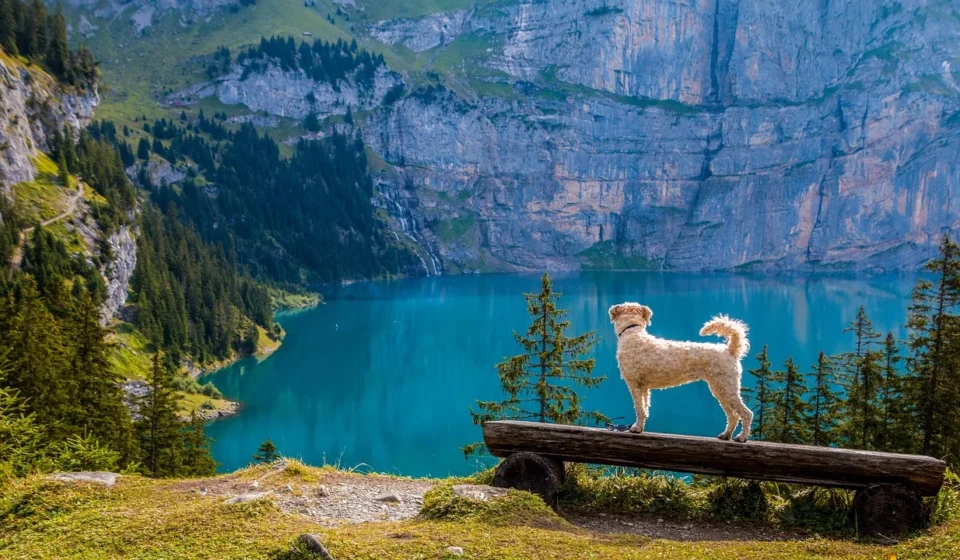
Unlike single-coated breeds that possess a single layer of hair growing continuously, double coated breeds experience distinct seasonal shedding cycles. Understanding how these two layers work together is essential for keeping your dog comfortable year-round, preventing skin conditions, and maintaining your home during high-shedding periods.
How to identify a double coat on your dog
Determining whether your dog has a double coat requires a simple physical inspection. Part your dog’s outer hair gently with your fingers down to the skin level. If you see two clearly different textures of hair, your dog has a double coat.
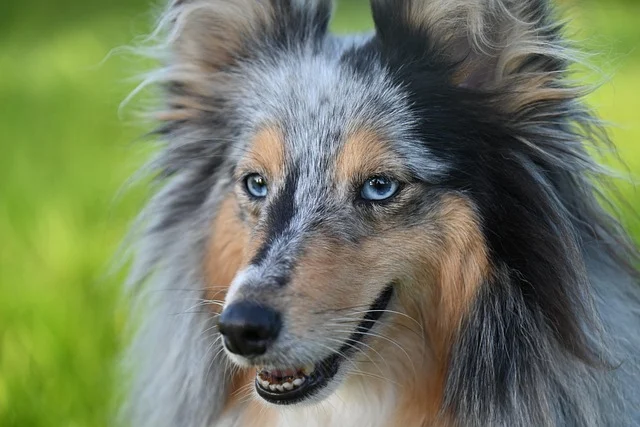
The lower layer, known as the undercoat, consists of short, fine, soft, and dense hairs that feel similar to fleece or wool. This layer sits closest to the skin and creates tiny pockets of trapped air that regulate body temperature. The upper layer, known as the topcoat or guard hair, consists of longer, stiffer, and smoother hairs. These guard hairs grow through the undercoat, giving the dog its outer colour pattern while shielding the skin from dirt, rain, insects, and sun exposure.
You can also identify a double coat by observing how your dog sheds. Single-coated dogs lose small amounts of hair constantly or grow hair continuously like humans. Double coated dogs shed their undercoat in noticeable clumps or tufts, particularly when transitioning between weather seasons.
| Feature | Double Coated Dogs | Single Coated Dogs |
|---|---|---|
| Coat Layers | Two (soft undercoat + guard hair topcoat) | One uniform layer of hair or fur |
| Primary Function | Thermal insulation and weather defense | Basic skin coverage and protection |
| Shedding Pattern | Heavy seasonal coat blowing twice yearly | Minimal shedding or continuous light shedding |
| Shaving Safety | Not recommended; damages coat structure | Safe for many breeds (e.g., Poodles, Schnauzers) |
| Key Grooming Tools | Undercoat rake, slicker brush, blow dryer | Pin brush, bristle brush, clippers |
Which dog breeds have a double coat?
Double coats developed evolutionary in breeds bred for working outdoors, swimming in cold waters, or surviving extreme climates. Many popular dog breeds fall into this category, spanning working, herding, hound, and spitz groups.
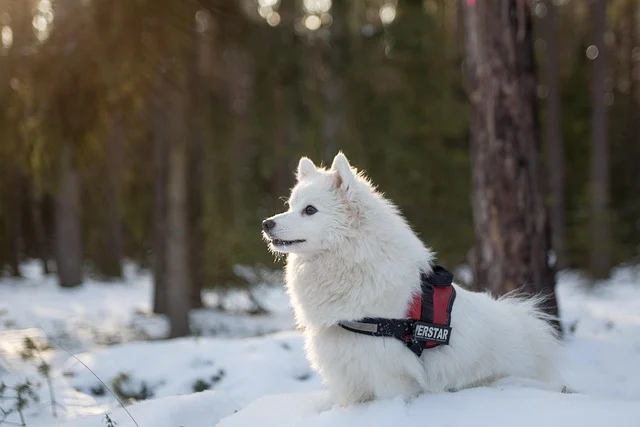
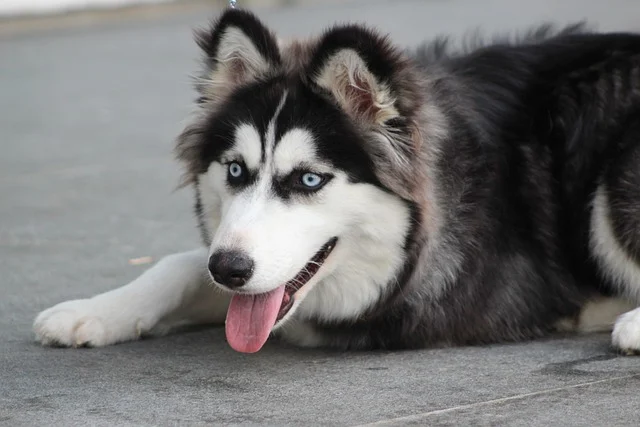
Northern and Spitz-type breeds carry some of the densest undercoats to withstand freezing conditions. These include the Siberian Husky, Alaskan Malamute, Samoyed, Akita, Shiba Inu, American Eskimo Dog, and Norwegian Elkhound. Their thick undercoats trap body heat so effectively that snow can accumulate on their outer topcoat without melting.
Herding breeds use their double coats to stay protected while working in open pastures and rugged terrain. Examples include the German Shepherd, Border Collie, Australian Shepherd, Shetland Sheepdog, and both Pembroke and Cardigan Welsh Corgis. These coats shield the dogs from brush, thorny briars, and unexpected rain squalls.
Retrievers and working breeds often feature water-repellent double coats designed for swimming in frigid waters. Key breeds include the Golden Retriever, Labrador Retriever, Bernese Mountain Dog, Newfoundland, Great Pyrenees, and Saint Bernard. In these breeds, natural coat oils on the topcoat prevent water from penetrating to the warm undercoat layer.
Hound and terrier breeds also include several double-coated examples, such as the Basset Hound, Wirehaired Pointing Griffon, Cairn Terrier, and Scottish Terrier. Even short-coated double breeds like the Labrador and Basset Hound shed substantial amounts of soft undercoat during seasonal shifts.
Why shaving a double coat causes serious harm
When warm weather arrives, owners often assume that shaving off a thick coat will cool down their pet. However, shaving a double coat damages the dog’s natural cooling mechanism and creates long-term health risks.
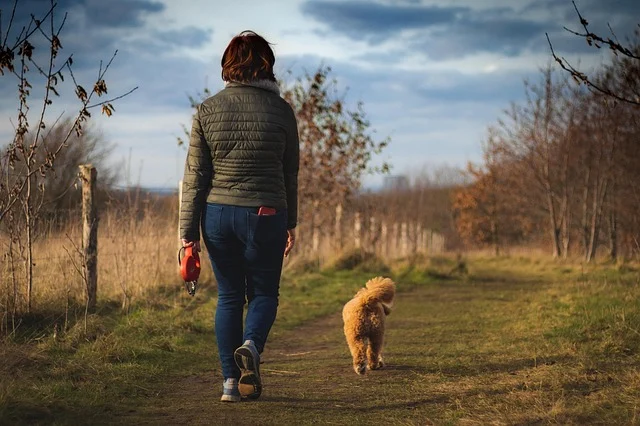
The undercoat acts as an insulating layer against heat as well as cold. By trapping cool air near the skin, the double coat protects the dog from absorbing ambient summer heat. When you shave off the topcoat, solar rays beat directly down on the undercoat and skin. Because dogs cool themselves primarily through panting—not through sweating through their paw pads or their skin—removing the coat actually increases their risk of heat stroke. [petmd.com]
Shaving leaves sensitive skin vulnerable to ultraviolet radiation. Without the outer guard hairs to block rays, light-skinned breeds quickly develop severe sunburns, increasing the long-term risk of skin cancer. Guard hairs also act as physical shields against mosquito bites, flea infestations, and sharp thorns.
Clipping a double coat interrupts the natural hair growth cycle. Undercoat fur grows much faster than topcoat guard hairs. When shaved, the undercoat fills in first, crowding out the slower-growing guard hairs. This results in a coat texture that feels sticky, patchy, and coarse. In many cases, the topcoat never returns to its original condition—a condition known as clipper alopecia. The damaged hair easily tangles, collects burrs, and absorbs moisture rather than repelling it.
Managing seasonal shedding and coat blowing
Twice a year, double-coated dogs go through a heavy shedding event commonly called “blowing their coat.” This process usually happens in spring, when the thick winter undercoat drops out to make way for a lighter summer undercoat, and again in autumn, when the summer coat sheds so the dense winter layer can grow in.
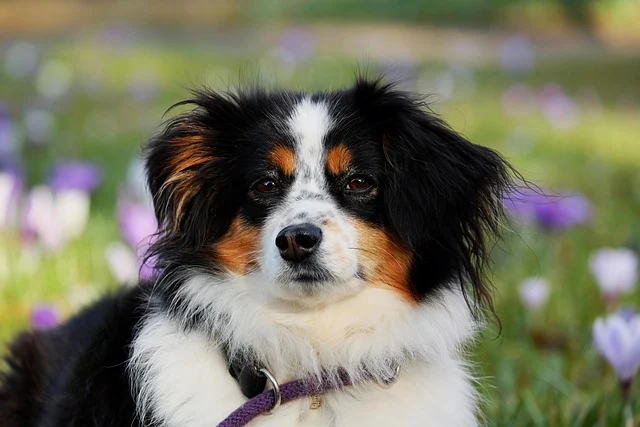
Coat blowing is driven by changes in daylight hours and temperature, triggering natural hormonal changes. During peak shedding weeks, dead hair detaches from the skin in massive quantities. If this loose fur is not brushed out, it becomes trapped beneath the outer topcoat.
Trapped undercoat forms dense clumps that prevent air from reaching the dog’s skin. Over time, moisture from rain, swimming, or humidity gets locked underneath these dead hair mats. This warm, moist environment creates ideal conditions for bacterial growth, leading to severe skin irritation and mats that pull painfully on the dog’s skin during movement.
Essential grooming tools for double coated dogs
Maintaining a double coat requires specific grooming tools designed to reach beneath the outer guard hairs without scraping or scratching the dog’s skin.
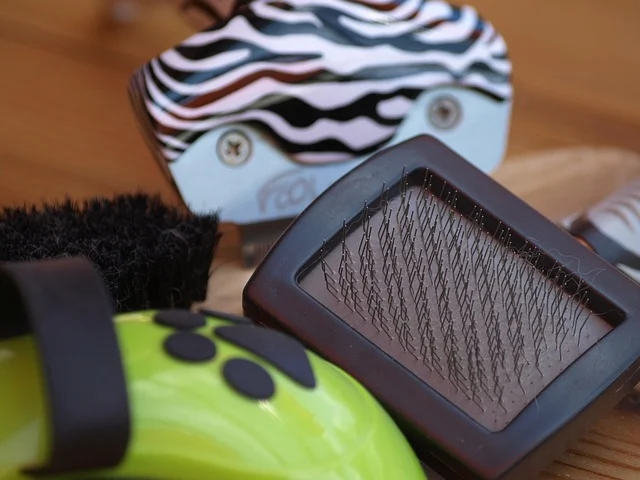
- Undercoat Rake: Features rounded metal teeth spaced to slide past the topcoat and pull out loose, dead undercoat fur. Choose a rake with pin lengths matched to your dog’s coat depth.
- Slicker Brush: Consists of fine wire bristles set on a flat or curved base. It removes minor tangles, smoothes the outer topcoat, and lifts light debris from the surface.
- De-shedding Tool: Uses a fine-toothed metal edge to collect loose hair from the undercoat. Use light pressure to avoid pulling healthy topcoat hairs or damaging the skin.
- Metal Greyhound Comb: Essential for verifying that you have removed all mats down to the skin level. If the steel teeth catch on a clump, you need to work through that area with a rake or slicker.
- High-Velocity Blow Dryer: A powerful dryer that uses force rather than high heat to blast water and loose undercoat fur away from the skin. It is one of the most effective tools for managing heavy coat blowouts.
How to groom a double coated dog: Step-by-step guide
Regular grooming keeps the undercoat free of mats and reduces the amount of hair shed across your home. Follow these practical steps for effective coat maintenance.
- Spray with conditioning mist: Never brush a dry double coat, as dry brushing creates friction that breaks guard hairs. Lightly mist the coat with a dog detangling spray or leave-in conditioner before starting.
- Use the line brushing method: Divide the dog’s fur into small horizontal lines. Push the hair upward with one hand and brush small sections downward from the skin to the tips with your slicker brush or rake. Working layer by layer ensures you reach the undercoat rather than just skimming the surface.
- Rake out the dense areas: Focus your undercoat rake on high-density areas such as the neck ruff, thighs, hindquarters, and tail base. Use smooth, gentle strokes following the direction of hair growth.
- Check with a metal comb: Glide a metal greyhound comb from the skin outward through the coat. If the comb glides smoothly without snagging, the section is completely detangled.
- Bathe with deshedding shampoo: Wash your dog with warm water and a high-quality deshedding shampoo. Massage the soap down into the coat to loosen stubborn dead hair. Rinse thoroughly, as leftover soap residue causes itching and flaking.
- Blow out the coat: Towel-dry the dog, then use a high-velocity dryer to blow moisture and trapped dead hair out of the coat. Hold the nozzle close to the skin at an angle, moving continuously to force out loose hair tufts.
Common health issues from poor coat care
Neglecting double coat care affects more than just appearance; it directly leads to painful physical health issues. Leading veterinary dermatologists frequently treat dogs suffering from acute moist dermatitis, commonly known as hot spots, caused by wet, compacted undercoat trapped against the skin.
When dead undercoat becomes impacted, air cannot circulate. Moisture from rain or bathing remains trapped against the epidermis, breaking down the skin’s natural barrier. Bacteria naturally present on the skin multiply rapidly in this dark, warm environment, creating red, weeping, and intensely painful sores within hours.
Compacted undercoat also hides external parasites like fleas, ticks, and mites from view. Ticks can feed undetected for long periods beneath matted fur, increasing the risk of tick-borne diseases. Also, severe mats restrict skin movement, causing continuous pulling that creates localized swelling, bruises, and skin tears.
Who is a double coated dog NOT suitable for?
While double coated dogs are handsome and resilient, their high grooming requirements do not suit every lifestyle. Before bringing a double coated breed home, consider these important trade-offs:
- People with strict allergy concerns: Double coated dogs shed massive amounts of dander attached to falling undercoat hair. They are not hypoallergenic and can trigger severe reactions in sensitive individuals.
- Owners seeking low-maintenance grooming: Keeping a double coat healthy requires 20 to 40 minutes of brushing several times a week, plus intensive daily brushing during shedding seasons.
- Households sensitive to loose pet hair: Even with daily brushing, double coated dogs drop hair on carpets, furniture, clothing, and car interiors throughout the year.
- Owners in hot, humid climates without indoor air conditioning: While the coat provides thermal insulation, extreme heat combined with high humidity makes cooling difficult for heavy-coated dogs, requiring managed indoor environments.
Understanding these needs ensures a happy partnership between you and your canine companion, helping them stay clean, comfortable, and protected in every season.
Sources: Do Dogs Sweat?
Frequently asked questions
How often should I brush my double coated dog?
During normal times of the year, brush your double coated dog two to three times a week. During peak seasonal coat blowing in spring and autumn, daily brushing is required to prevent loose undercoat from compacting into mats.
What if my double coated dog has severe matting?
If mats are tight against the skin, do not attempt to cut them out with scissors, as you risk slicing the dog’s skin. Use a dematting spray and a metal comb to gently tease out small knots, or take your dog to a professional groomer who can safely shave or detangle the affected area.
Do double coated dogs get hot in summer?
While the undercoat provides natural insulation against both heat and cold, double coated dogs can still overheat in extreme weather. Provide continuous shade, cold drinking water, and air-conditioned indoor spaces, and avoid heavy exercise during peak heat hours.
What is the difference between a double coat and a triple coat?
A double coat consists of an undercoat and topcoat, whereas a triple coat—seen in breeds like the Great Pyrenees—features an unusually dense woolly undercoat, a medium protective mid-layer, and long, coarse outer guard hairs. Grooming techniques remain essentially the same for both coat types.
Why is my double coated dog shedding continuously all year?
Indoor dogs exposed to artificial lighting and temperature-controlled heating or cooling often experience disrupted shedding cycles. This causes them to shed smaller amounts of undercoat continuously throughout the year rather than blowing their coat twice annually.