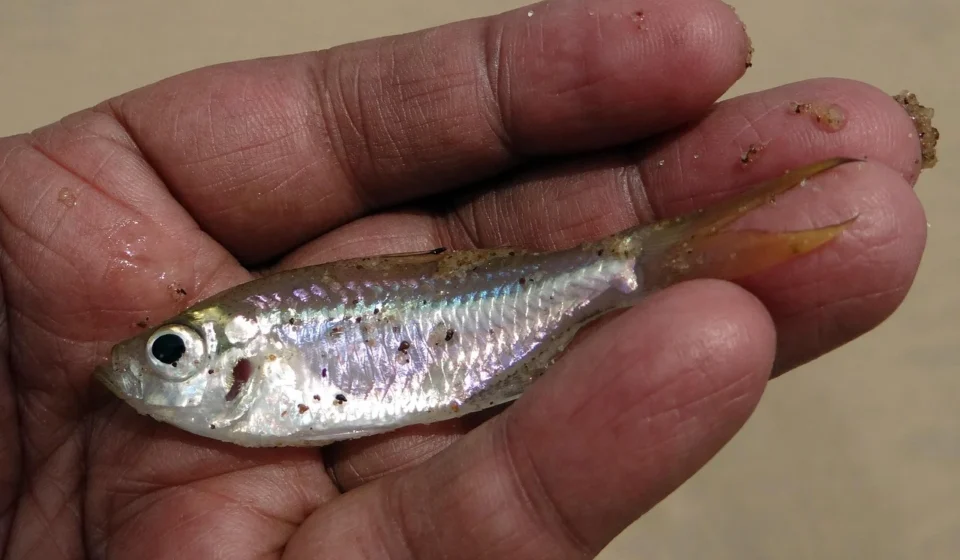
White Cloud Mountain Minnows (Tanichthys albonubes) are small, active, and peaceful freshwater fish. They make an excellent choice for beginner aquarists or those seeking a vibrant, low-maintenance species. To provide optimal white cloud mountain minnow care, you need to understand their specific environmental needs, including appropriate tank size, cool water temperatures, suitable diet, and social requirements.
These resilient fish, native to cool mountain streams in China, thrive in well-maintained aquariums that mimic their natural habitat. They offer a lifespan of three to five years, and potentially longer with exceptional care.
Understanding White Cloud Mountain Minnows
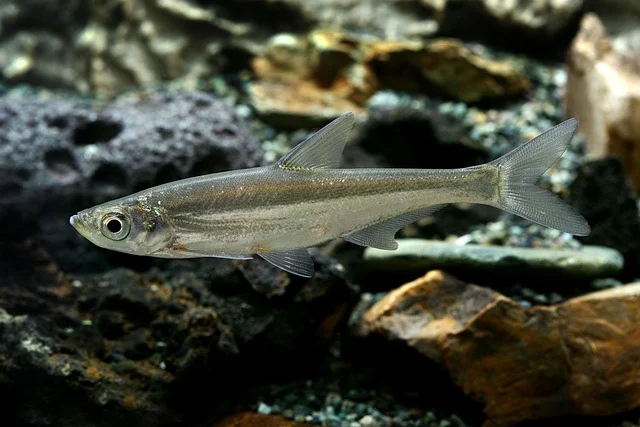
The White Cloud Mountain Minnow is a small, passive, and hardy freshwater fish, typically reaching about 1.5 to 2 inches (4-5 cm) in length as adults. Discovered in 1932 in Guangdong Province, China, they are known for their peaceful temperament and schooling behaviour, making them a popular choice for community tanks, and an easy topic for white cloud mountain minnow care.
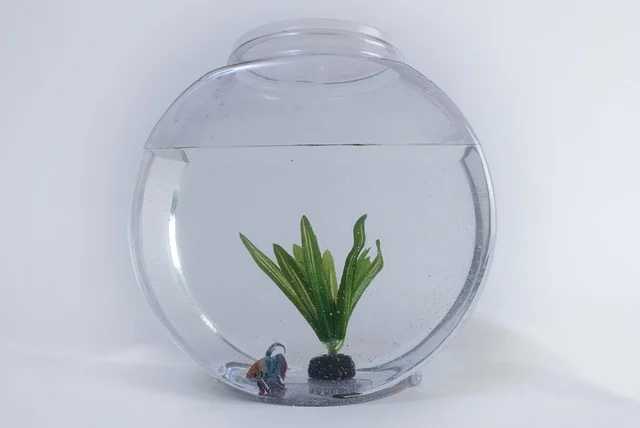
A common misconception is that these fish require a heater, but they actually prefer cooler water. Tropical temperatures can stress them and shorten their lifespan. We advise against heating their tank in most home environments unless ambient temperatures consistently drop below their preferred range. Their solid nature allows them to tolerate a wide range of conditions, but stability within their optimal parameters is key for long-term health.
What Tank Size Do White Cloud Mountain Minnows Need?
White Cloud Mountain Minnows thrive in tanks of at least 10 gallons for a small group. However, a 20-gallon long tank is better for 8-12 fish or a community setup. While small, these fish are active swimmers and require adequate space to school and explore. Providing a larger tank helps dilute waste products. This makes water parameters more stable and reduces stress on the fish.
When selecting a tank, consider its footprint rather than just its volume. A longer tank offers more swimming space horizontally, which is beneficial for schooling fish like minnows. A tank with a good length allows them to exhibit their natural behaviours more effectively.
What Are the Ideal Water Parameters for White Cloud Mountain Minnows?
Maintaining stable and appropriate water parameters is important for the health of your White Cloud Mountain Minnows. These fish are adaptable, but consistent conditions prevent stress and disease.
Optimal Water Temperature for White Cloud Mountain Minnows
White Cloud Mountain Minnows prefer cooler water temperatures. An optimal range is 18-22°C (64-72°F). They can survive temperatures as low as 5°C (41°F). This makes them suitable for unheated tanks in many homes. Keeping them within their preferred cool range contributes significantly to their longevity and vibrancy. Warmer water can indeed cause them stress over time.
If your home’s ambient temperature consistently exceeds 22°C (72°F), you might need to consider methods to keep the tank cool for white cloud mountain minnow care, such as using a fan directed at the water surface or a chiller, though this is rarely necessary in temperate climates.
Recommended pH and Hardness Levels
The ideal pH level for White Cloud Mountain Minnows is between 6.0 and 8.0, with a neutral pH around 7.0 being optimal. They are quite tolerant of varying pH levels within this range, but sudden fluctuations should be avoided. Regarding water hardness, they prefer moderately soft to hard water, specifically 5-19 dGH (degrees of General Hardness).
We recommend regularly testing your tank water using a reliable aquarium test kit to monitor pH, ammonia, nitrite, and nitrate levels. Ammonia and nitrite should always be at 0 ppm, while nitrates should be kept below 20 ppm through regular water changes. Consistency is more important than hitting exact numbers at the extreme ends of their tolerance range.
How Many Minnows Should Be Kept Together?
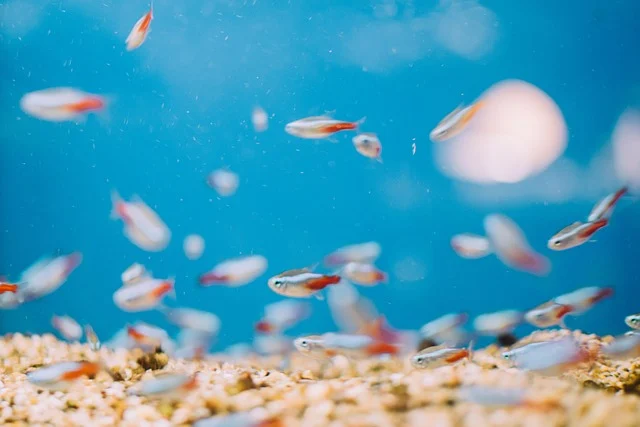
White Cloud Mountain Minnows are schooling fish. This means they thrive and feel most secure when kept in a group. We advise keeping them in schools of at least six individuals for white cloud mountain minnow care. A larger group, ideally 8-12 or more, will allow them to exhibit their natural schooling behaviours. This is fascinating to observe and reduces individual stress.
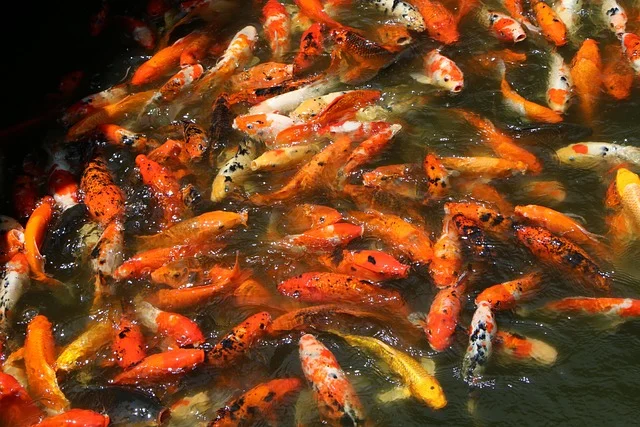
Keeping too few minnows can lead to shyness, stress, and reduced activity. In a proper school, they will be more outgoing and display their full range of behaviours and colours. If a larger tank is available, aiming for a larger school is certainly recommended to see them truly flourish.
What Do White Cloud Mountain Minnows Eat?
White Cloud Mountain Minnows are omnivorous, meaning their diet in the wild consists of both plant matter and small invertebrates. In an aquarium setting, we recommend a varied diet to ensure they receive all necessary nutrients. Their diet should include high-quality flake food or micro-pellets formulated for small omnivorous fish.
Supplement their staple diet with live or frozen foods such as Daphnis, brine shrimp, and bloodworms a few times a week. They also enjoy finely chopped blanched vegetables like spinach or peas. Feeding small amounts two to three times a day is generally better than one large feeding. This helps prevent overfeeding and keeps the water cleaner. Only offer what they can consume within a few minutes to avoid uneaten food decaying and fouling the water.
What Are Some Good Tank Mates for White Cloud Mountain Minnows?
White Cloud Mountain Minnows are peaceful and do best with other calm, cool-water fish of similar size and temperament. Choosing appropriate tank mates is important to prevent stress and aggression. They are considered excellent community fish, but compatibility is key.
Good tank mate options include:
- Other White Cloud Mountain Minnows (essential for schooling)
- Cherry Barbs (if water is on the warmer end of minnow tolerance)
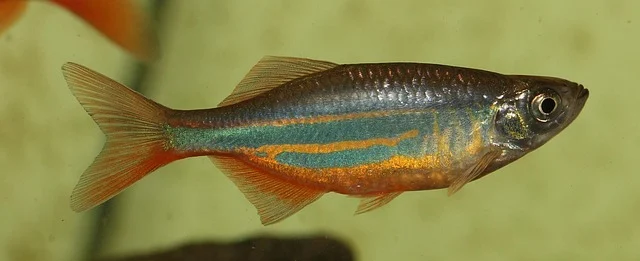
- Zebra Danios
- Small, peaceful tetras (e.g., Neon Tetras, although they prefer slightly warmer water, so check compatibility carefully)
- Corydoras Catfish (for bottom dwelling)
- Kuhli Loaches
- Dwarf Shrimp (e.g., Red Cherry Shrimp), though very young shrimp might be seen as food by hungry minnows.
- Snails (e.g., Nerite Snails, Mystery Snails)
Avoid pairing them with larger, aggressive, or fin-nipping fish, as these can easily stress or injure the minnows. Also, avoid tropical fish that require significantly warmer water, as this will be detrimental to the minnows’ long-term health. The general rule for white cloud mountain minnow care is to match fish by their preferred temperature range and temperament.
Will Minnows Breed in a Tank?
Yes, White Cloud Mountain Minnows are relatively easy to breed in a home aquarium. They often spawn without specific intervention if conditions are favorable. These are egg-scatterers and do not exhibit parental care. If you want to encourage breeding, we suggest providing a dedicated breeding tank to protect the eggs and fry.
Encouraging Breeding
- Conditioning: Feed your adult minnows a rich diet of live and frozen foods for a week or two. This will get them into breeding condition.
- Breeding Tank: Set up a separate 5-10 gallon tank with slightly softer, slightly acidic water (pH around 6.5-7.0). Keep the temperature at the higher end of their optimal range (around 22°C / 72°F).
- Spawning Mop/Plants: Provide plenty of fine-leaved plants like Java Moss or spawning mops. The fish will scatter their eggs on them.
- Gentle Filtration: Use a sponge filter to prevent fry from being sucked up.
- Introduction: Introduce a small group of conditioned adults (e.g., two males and three females). Spawning usually occurs in the morning.
- Egg Protection: Once eggs are visible, remove the adult fish to prevent them from eating the eggs. The eggs are typically clear and adhesive.
- Hatching and Fry Care: Eggs usually hatch within 2–3 days. The fry are tiny and require infusorial or liquid fry food for the first few days. Follow this with newly hatched brine shrimp or micro-worms as they grow.
You can also achieve ‘passive’ breeding in a well-planted community tank. Some fry may survive if there are enough hiding spots, but survival rates will be lower.
Maintaining Your White Cloud Mountain Minnow Aquarium
Regular maintenance is vital for a healthy aquarium environment. Always use a chlorinator when adding new water. Ensure the new water is roughly the same temperature as the tank water to avoid shocking your fish.
Clean the substrate as needed using an aquarium gravel vacuum to remove uneaten food and waste. Check and clean your filter media regularly, but avoid cleaning all media at once to preserve beneficial bacteria. A gentle filter, such as a sponge filter or a hang-on-back filter with a baffle to reduce flow, is sufficient for good white cloud mountain minnow care. Over-filtration with strong currents can stress them, as they come from relatively calm mountain streams.
Decorate the tank with live plants, rocks, and driftwood to provide hiding spots and enrichment. Live plants also help with water quality by absorbing nitrates. Given their cool-water preference, we often suggest plants like Java Moss, Anubias, and Cryptocoryne species, which tolerate cooler temperatures well.
How Can I Keep Minnows Alive for the Long Term?
To keep White Cloud Mountain Minnows alive for the long term, focus on consistency and preventative care. As mentioned, their lifespan with good care is typically 3–5 years, but optimal, cool-water environments can extend this to 5-7 years. The core elements include:
- Stable Water Parameters: Regular testing and consistent water changes are paramount. Avoid sudden shifts in temperature, pH, or hardness.
- Appropriate Temperature: Stick to their preferred range of 18-22°C (64-72°F) and avoid heaters unless truly necessary to prevent extremely low temperatures.
- Varied Diet: A mix of high-quality flakes, micro-pellets, and live/frozen foods ensures complete nutrition.
- Schooling: Always keep them in groups of at least six to reduce stress and encourage natural behaviour.
- Compatible Tank Mates: Choose peaceful, cool-water species to prevent aggression and stress.
- Clean Environment: Regular tank cleaning and filter maintenance prevent disease.
- Observation: Regularly observe your fish for any signs of illness or stress, such as clamped fins, lethargy, or unusual spots. Early detection allows for quicker intervention.
By adhering to these guidelines, you provide a thriving environment where your White Cloud Mountain Minnows can live a full and healthy life.
Sources: Tanichthys albonubes, White cloud mountain minnow : fisheries, aquarium, Tanichthys albonubes (White Cloud Mountain Minnow) · Seriously Fish
Frequently asked questions
Are White Cloud Mountain Minnows easy to care for?
Yes, White Cloud Mountain Minnows are generally considered very easy to care for. They make an excellent choice for beginner aquarists. They are hardy, tolerant of a range of water conditions, and do not require a heated tank in most home environments.
How long do White Cloud Mountain Minnows live?
With proper care, White Cloud Mountain Minnows typically live for 3 to 5 years. In optimal cool-water environments and with consistent, high-quality care, their lifespan can extend to 5-7 years.
Do White Cloud Mountain Minnows need a filter?
Yes, White Cloud Mountain Minnows absolutely need a filter to maintain good water quality. A gentle filter, such as a sponge filter or a hang-on-back filter with reduced flow, is sufficient for white cloud mountain minnow care to remove waste and provide biological filtration without creating strong currents.
Can White Cloud Mountain Minnows live with goldfish?
While both are cool-water fish, we generally advise against keeping White Cloud Mountain Minnows with common goldfish. Goldfish can grow much larger and may outcompete the smaller minnows for food, or even attempt to eat them. Additionally, goldfish produce a significant amount of waste, which can quickly degrade water quality for the more delicate minnows.