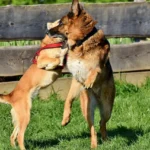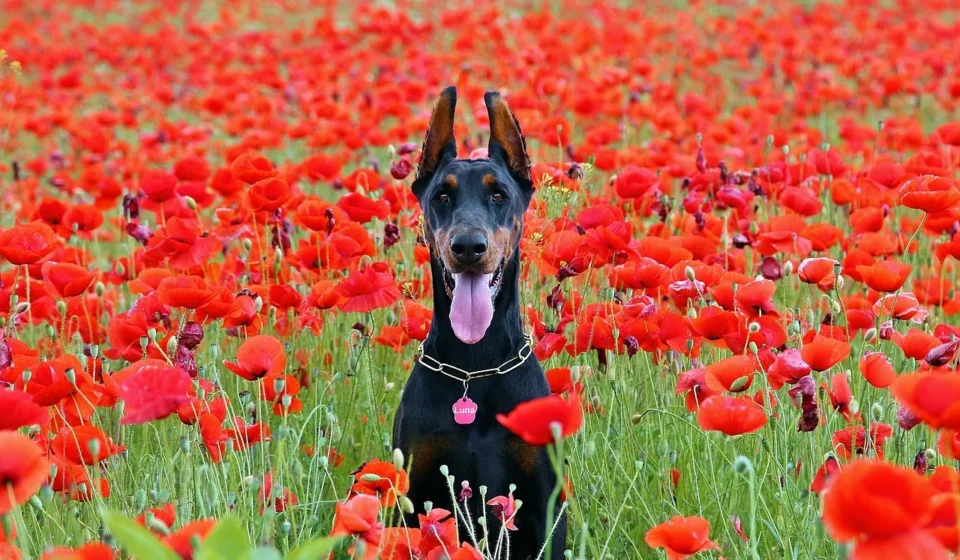
The Doberman Pitbull mix, often called a Dober Pit or Pit Pinscher, is a powerful and intelligent crossbreed. It results from pairing a Doberman Pinscher and an American Pit Bull Terrier. These dogs are known for their loyalty, agility, and alert nature. They often display deep affection for their families, though they demand significant mental and physical engagement from their owners.
Understanding this mix requires a look at both parent breeds. Their combined traits shape the Dober Pit’s personality, appearance, and care requirements. While often perceived controversially due to the reputations of its parent breeds, a well-socialized and trained Doberman Pitbull mix can be a devoted companion for experienced owners.
What is a Doberman Pitbull Mix Called?
People most commonly refer to a Doberman Pitbull mix as a Dober Pit or a Pit Pinscher. These names derive from combining parts of the parent breeds’ names: Doberman Pinscher and American Pit Bull Terrier. While these are the most recognised informal names, you must remember that this is a hybrid, not a recognised purebred with a standardised name.
Knowing these alternative names can be useful when you discuss the breed with others or search for information. Different sources may use different terminology. However, regardless of the name, the core characteristics stem from its Doberman and Pitbull lineage.
What Does a Doberman Pitbull Mix Look Like?
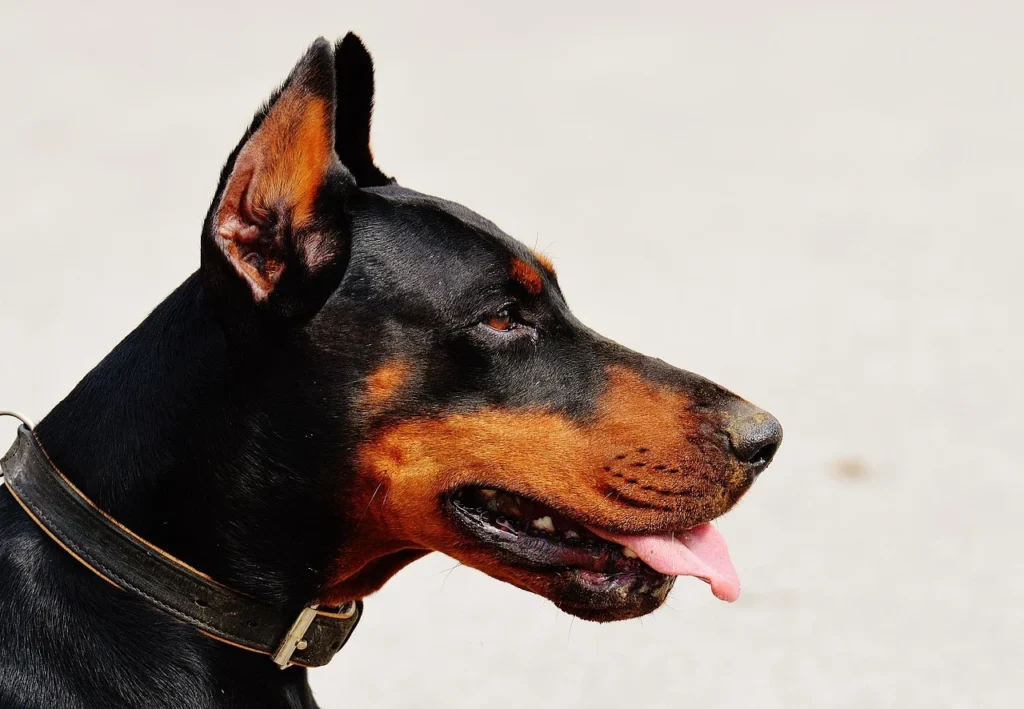
The appearance of a Doberman Pitbull mix can vary significantly. It inherits physical traits from both the sleek Doberman Pinscher and the muscular American Pit Bull Terrier. Typically, they possess a strong, athletic build, often with a broad chest and well-defined musculature.
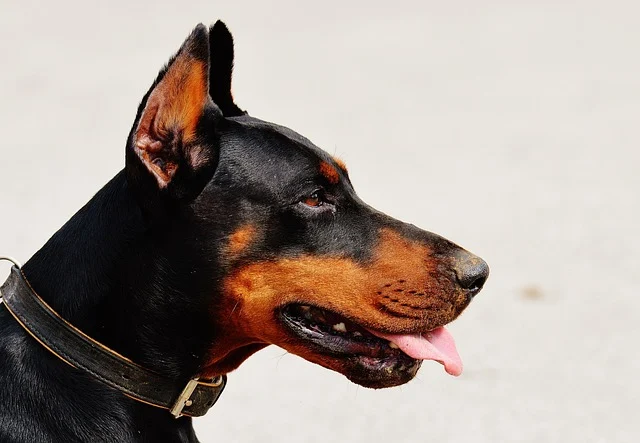
Their coat is usually short, dense, and smooth, requiring minimal grooming. Common coat colours include black, brown, fawn, blue, and red, often with the distinctive rust or tan markings associated with Dobermans, particularly on the muzzle, chest, legs, and above the eyes. Some Dober Pits can also exhibit a brindle pattern, a trait more commonly seen in Pit Bulls. Their ears can be floppy like a Pitbull’s or more upright like a Doberman’s, sometimes with a natural fold. Their eyes are typically expressive, conveying intelligence and alertness.
How Big Do Doberman Pitbull Mixes Get?
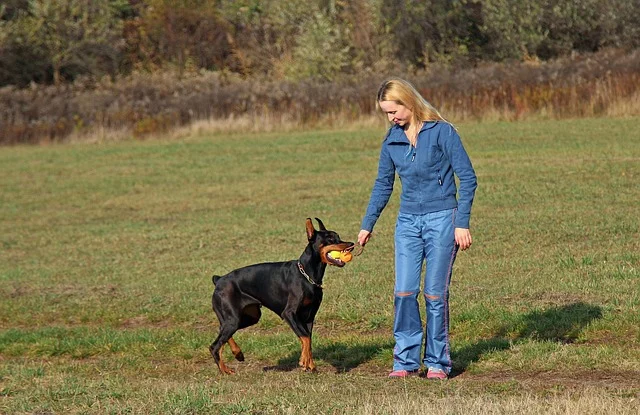
Doberman Pitbull mixes are generally medium to large-sized dogs, reflecting the build of their parent breeds. Their size can vary depending on which parent’s genetics are more dominant and the specific lineage of the individual dog.
-
Height: Most Dober Pits stand between 48 to 66 centimeters (19 to 26 inches) at the shoulder.
-
Weight: They typically weigh between 20 to 45 kilograms (45 to 100 pounds). Males tend to be on the larger and heavier side compared to females.
It is important for prospective owners to understand that these are substantial dogs requiring ample space and a strong handler. Their powerful build means they need consistent training to manage their strength, especially during walks and play.
How Long Do Doberman Pitbull Mixes Live?
The average lifespan of a Doberman Pitbull mix is generally between 10 to 14 years. This lifespan is consistent with many medium to large dog breeds. A combination of genetics, diet, exercise, and overall healthcare influences it.
To support a long and healthy life for your Dober Pit, we recommend focusing on preventative care. This includes regular veterinary check-ups, a high-quality diet appropriate for their activity level, consistent exercise, and maintaining a healthy weight. Genetic predispositions to certain health issues (discussed below) can also impact their longevity, making early detection and management important.
Are Doberman Pitbull Mixes Good Dogs? Understanding Their Temperament
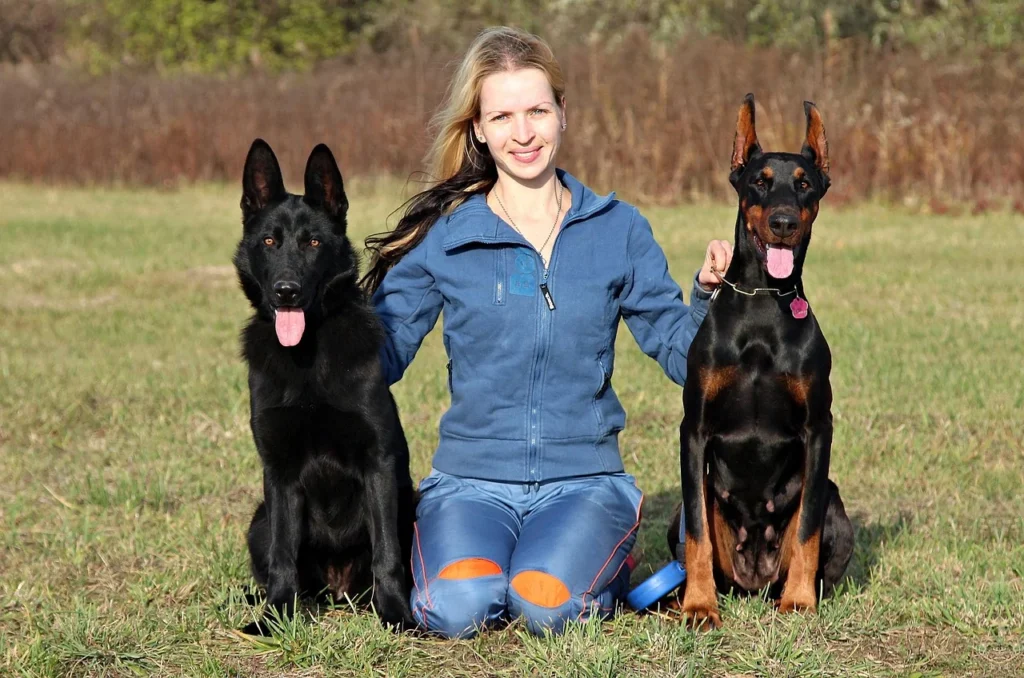
Yes, Doberman Pitbull mixes can be excellent dogs, but their suitability largely depends on the owner’s experience, commitment, and ability to provide appropriate training and socialisation. They are typically intelligent, agile, alert, and loyal, often displaying sweetness and affection towards their owners, according to current facts.
However, their confident, strong-willed, and sometimes stubborn nature means we do not recommend them for novice owners. Understanding and managing their inherent traits is key to a harmonious relationship.
-
Loyalty and Affection: Dober Pits form strong bonds with their families and can be very affectionate, often seeking close companionship. They thrive on being part of the family unit.
-
Intelligence and Trainability: Both parent breeds are highly intelligent, making the Dober Pit generally quick to learn. This intelligence, however, means they need mental stimulation to prevent boredom, which can lead to destructive behaviours.
-
Energy Levels: They are high-energy dogs that require significant mental and physical stimulation. Daily vigorous exercise, such as long walks, runs, or active play sessions, is essential to keep them happy and well-behaved.
-
Protective Nature: Doberman Pitbull mixes are protective of their families and can be wary of strangers, making them effective watchdogs. This protective instinct, if not properly managed with socialisation, can lead to excessive caution or reactivity towards unfamiliar people or situations.
-
Socialisation with Other Animals: They can exhibit dominance and aggression towards other animals if not socialised early and consistently. Introducing them to a variety of dogs and other pets from a young age in a controlled, positive manner is important for them to learn appropriate social behaviour.
Doberman Pitbull mix temperament myths
A common misconception is that Dobermans or Pitbulls are inherently aggressive due to brain swelling; this is false, as their brains grow at the same rate as other dogs. In fact, temperament tests show Pit Bulls have an 82% or better passing rate, compared to 77% for the general dog population. Their temperament is far more influenced by genetics, environment, training, and socialisation.
Training and Socialisation for Doberman Pitbull Mix Puppies
You lay the foundation for a well-adjusted Doberman Pitbull mix during puppyhood. You do this through early and consistent training and socialisation. Given their intelligence and potential for strong will, you cannot overstate the importance of starting these practices as soon as you bring a puppy home.
-
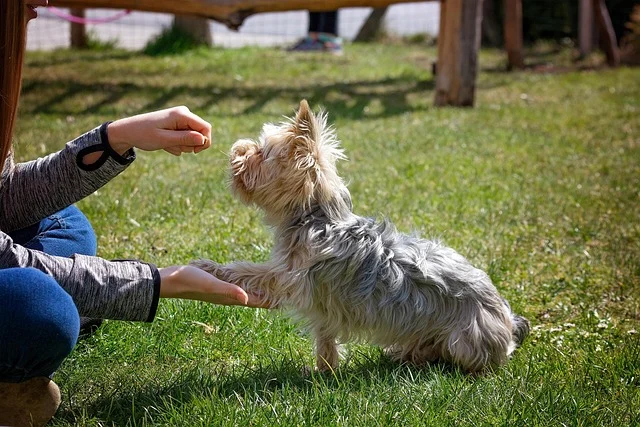
Begin Obedience Training Early: Enroll your Dober Pit puppy in obedience classes as early as your veterinarian recommends. Focus on basic commands like ‘sit’, ‘stay’, ‘come’, and ‘leave it’. Use positive reinforcement methods, such as treats, praise, and toys, to encourage desired behaviours. Consistency is key; everyone in the household should use the same commands and expectations.
-
Prioritize Socialisation: Expose your puppy to a wide variety of people, sounds, sights, and other friendly, vaccinated dogs in a controlled and positive manner. This helps them develop confidence and learn appropriate reactions to new experiences. Puppy playdates, visits to pet-friendly shops, and walks in busy parks (once fully vaccinated) are excellent opportunities. The goal is for them to associate new experiences with positive outcomes.
-
Address Leash Training: Due to their strength and energy, leash training is paramount. Start with a comfortable harness and teach loose-leash walking from a young age. This prevents them from pulling as they grow larger and stronger, making walks enjoyable for both of you.
-
Provide Mental Stimulation: Beyond physical exercise, these intelligent dogs need to work their minds. Incorporate puzzle toys, scent work, and training sessions that challenge them mentally. A bored Dober Pit is more likely to engage in undesirable behaviours like chewing or excessive barking.
- Set Clear Boundaries: Establish clear rules and boundaries from day one. Dober Pits thrive on structure and knowing what you expect of them. Consistent enforcement of rules helps you prevent them from developing dominant or stubborn behaviours later on.
For those considering a Doberman Pitbull mix puppy, we advise seeking out reputable breeders or rescue organisations. They prioritise early socialisation and health screening. Inquiring about the temperament of the parent dogs can also provide valuable insights into what you might expect from a puppy.
Common Health Concerns for Doberman Pitbull Mixes
Like all breeds, Doberman Pitbull mixes can be prone to certain health conditions inherited from their parent breeds. Being aware of these potential issues allows owners to provide proactive care and early intervention.
-
Hip Dysplasia: This is a common orthopedic condition in many large breeds, where the hip joint does not form correctly, leading to arthritis and pain. Regular exercise, maintaining a healthy weight, and supplements can help manage it.
-
Heart Problems: Both Dobermans and Pit Bulls can be predisposed to various cardiac issues. These include dilated cardiomyopathy (DCM) in Dobermans and aortic stenosis or CVI in Pit Bulls. Regular vet check-ups that include heart screenings are essential.
-
Skin Allergies: Pit Bull-type dogs are known for developing skin allergies, which can manifest as itching, redness, and skin infections. Identifying and avoiding triggers, along with appropriate veterinary treatment, is key.
-
Bloat (Gastric Dilatation-Volvulus): Dobermans, with their deep chests, are at higher risk for bloat, a life-threatening condition where the stomach twists. Eating smaller, more frequent meals, avoiding strenuous exercise immediately after eating, and special feeding bowls can help reduce risk.
-
Hypothyroidism: An underactive thyroid gland, which can lead to weight gain, lethargy, and skin problems. It is typically manageable with daily medication.
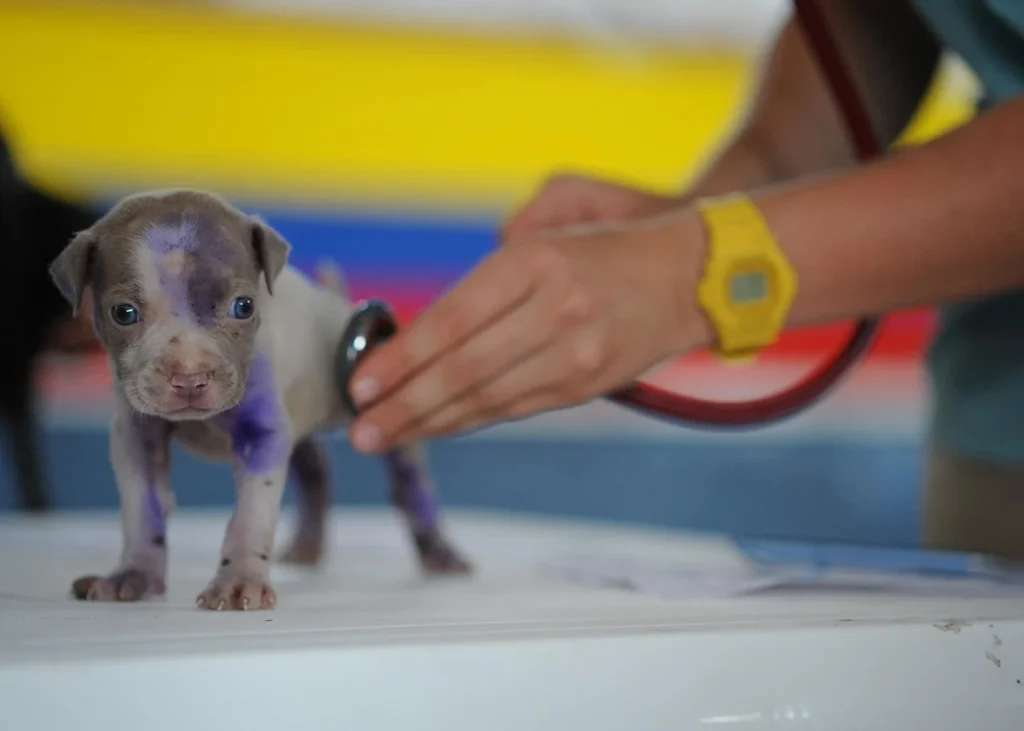
We always recommend discussing these potential health concerns with your veterinarian and considering pet insurance to help with unexpected veterinary costs. Responsible breeders should also be transparent about the health history of the parent dogs and any screenings they have performed.
Breed-Specific Legislation and the Doberman Pitbull Mix
One critical aspect for prospective Doberman Pitbull mix owners to consider is Breed-Specific Legislation (BSL). This legislation often regulates or bans certain dog breeds, including Doberman Pinschers and Pit Bull-type dogs, and frequently extends to their mixes.
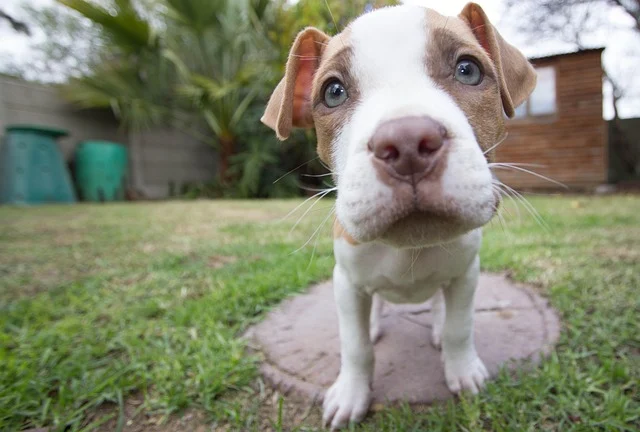
BSL varies significantly by location. Many cities and even entire countries (such as Germany, Ireland, Singapore, and the United Arab Emirates) have specific laws. These laws restrict or ban these breeds and their crosses in some jurisdictions. [avs.nparks.gov.sg] These laws can include requirements for muzzling in public, mandatory spaying/neutering, special insurance, secure containment, or even outright prohibitions on ownership.
We strongly advise anyone considering a Doberman Pitbull mix to thoroughly research the local laws and regulations in their area. You should also check any areas they frequently visit or plan to move to. Ignoring BSL can lead to severe consequences, including fines, confiscation of your dog, or legal action. It is a complex issue. While some argue against BSL, focusing on individual dog behaviour rather than breed, the reality is that these laws exist and you must adhere to them. Always check with your local council or relevant authorities before acquiring one of these mixes.
Doberman Pitbull Mix Price and Adoption
While direct prices for Doberman Pitbull mixes are not widely documented or standardised due to their hybrid nature, you can infer a general range by looking at the cost of their purebred parents. Purebred Doberman puppies from reputable breeders typically cost between £1,200 and £2,800, with European Dobermans sometimes costing upwards of £2,500. [pettrader.co.uk] American Pit Bull Terrier puppies from responsible breeders can range from £500 to £1,000.
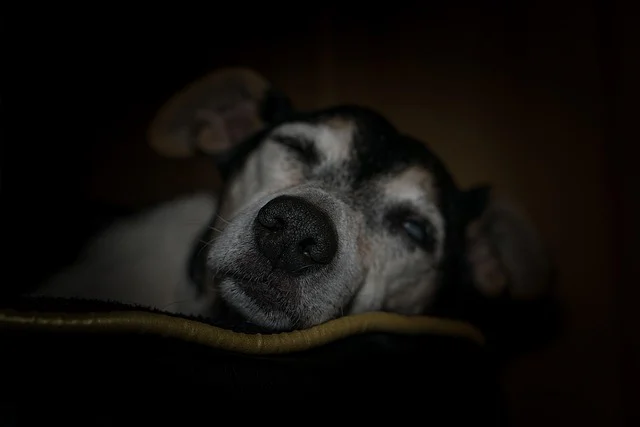
Therefore, a Doberman Pitbull mix puppy from a responsible breeder might fall somewhere in this range. However, it could be lower as they are not purebred. However, the most ethical and often more affordable route is adoption. Many Doberman and Pitbull rescue organisations, as well as general animal shelters, frequently have Doberman Pitbull mixes available. Adoption fees typically range from £150 to £350. This often includes vaccinations, microchipping, and spaying/neutering.
When considering adoption or purchase, we urge you to prioritise the health and welfare of the dog over price. A reputable source, whether a breeder or a rescue, will be transparent about the dog’s history, health screenings, and temperament. Avoid sources that offer puppies at unusually low prices or cannot provide adequate information about the parent dogs or the puppy’s upbringing, as this can often indicate irresponsible breeding practices.
Frequently asked questions
Is a Doberman Pitbull mix a good family dog?
A Doberman Pitbull mix can be a very good family dog for experienced owners. These owners are committed to consistent training, early socialisation, and providing ample exercise. They are loyal and affectionate with their families. However, they require a structured environment and firm guidance to thrive.
How much exercise does a Doberman Pitbull mix need?
Doberman Pitbull mixes are high-energy dogs that require significant daily exercise. We recommend at least 60–90 minutes of vigorous physical activity, such as running, brisk walks, or active play, combined with mental stimulation through training and puzzle toys, to keep them happy and prevent boredom.
Do Doberman Pitbull mixes shed a lot?
No, Doberman Pitbull mixes typically have short, dense coats that are relatively low shedding. They require minimal grooming, usually just a weekly brush to remove loose hair and maintain coat health.
Sources