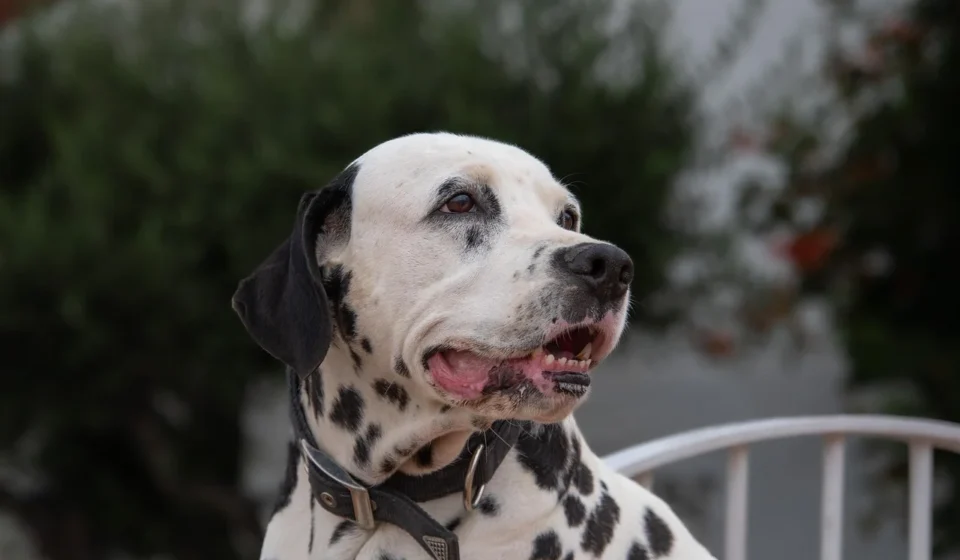
While many Dalmatian mixes display some degree of spotting, their exact look and build depend on the other breed involved. They typically fall into the medium to large size category and can be excellent companions for active individuals or families, provided they receive adequate exercise and early socialization.
This guide explores the diverse traits of Dalmatian mixes, their typical lifespan of 10 to 13 years, and important health considerations such as a predisposition to deafness and urate bladder stones. It also delves into common mixes like the Dalmadoodle or Dalmasky to help anticipate specific characteristics and care needs.
What Exactly is a Dalmatian Mix?
A Dalmatian mix is a domestic dog of mixed ancestry. At least one recent parent is a purebred Dalmatian. This means they combine the distinct characteristics of a Dalmatian with those of another breed. This blend results in a unique dog. It often inherits the Dalmatian’s iconic spotted coat and energetic personality, alongside traits from their other parent breed.
Understanding a Dalmatian mix means appreciating the genetic lottery at play. Each puppy will inherit a different combination of traits, making every individual truly unique. While the Dalmatian parentage provides a strong foundation, the other breed introduces variability in size, coat, temperament, and potential health predispositions.

What Does a Dalmatian Mix Look Like? Do They Have Spots?
The appearance of a Dalmatian mix can vary significantly. This depends on the other breed involved. However, many do inherit the Dalmatian’s distinctive spotted coat. Dalmatians are famously born with pure white coats. Their spots develop within the first 10 days and continue to appear until they are about 18 months old.
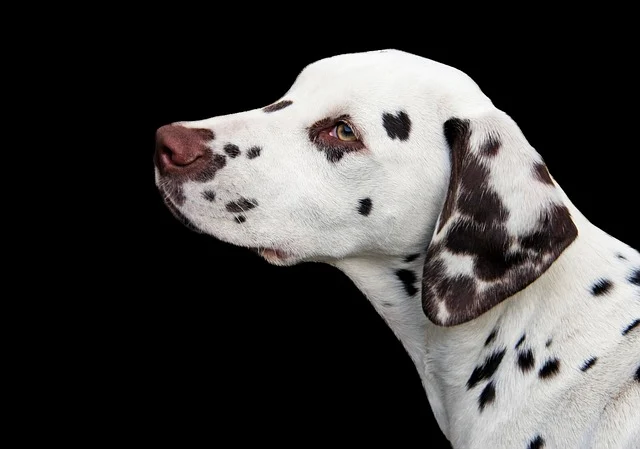
When you mix a Dalmatian with another breed, the likelihood and prominence of spots depend on the dominant genetic traits. If the other parent breed has a solid coat or a different pattern, you might see fewer spots. They could be less defined, or even absent. However, Dalmatian mixes commonly display some degree of spotting. You often see black or liver spots, though the pattern and density can differ from a purebred Dalmatian. Beyond spots, mixes typically fall into the medium to large size category. Dalmatians themselves stand 19 to 24 inches tall and weigh between 45 to 70 pounds, according to current facts. Their build might be leaner or more solid depending on the other parent.
Are Dalmatian Mixes Good Dogs? Temperament and Suitability
Yes, Dalmatian mixes can be excellent dogs. This is especially true for active individuals or families who understand their needs for exercise, training, and socialisation. While Dalmatians are energetic, the misconception that they are aggressive or high-strung is false. They can be wonderful family dogs with proper care, according to current information.
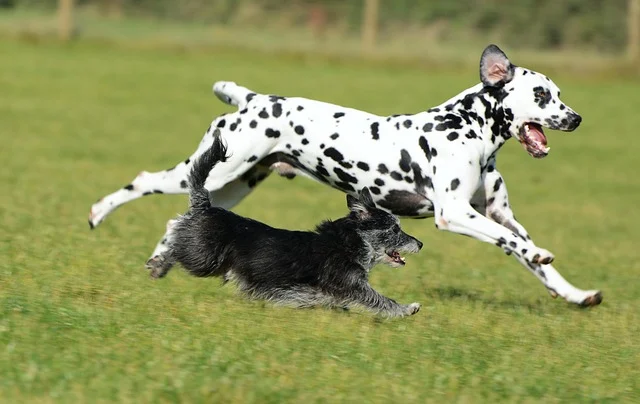
The temperament of a Dalmatian mix is a blend of both parent breeds. From the Dalmatian side, you can expect intelligence, loyalty, and a playful nature. They thrive on companionship and can become quite attached to their families. However, their high energy levels mean they require significant daily exercise to prevent boredom and destructive behaviours. Without adequate physical and mental stimulation, any dog, including a Dalmatian mix, can develop unwanted habits.
It is important to research the temperament of the other breed in the mix. For instance, a Dalmatian mixed with a working breed like a Husky will likely have even higher energy and a stronger prey drive, whereas a mix with a more laid-back breed might result in a calmer companion. Early and consistent socialisation is vital for all Dalmatian mixes to ensure they are well-adjusted around people, other dogs, and different environments. This helps them grow into confident, friendly adults.
How Long Do Dalmatian Mixes Live?
Dalmatian mixes generally have a lifespan similar to that of a purebred Dalmatian. This is typically 10 to 13 years, according to current facts. However, the exact lifespan can be influenced by the health and longevity of the other parent breed, as well as overall care, diet, and genetics.

Mixed-breed dogs often benefit from ‘hybrid vigor.’ A wider genetic pool can sometimes reduce breed-specific genetic diseases. While this can contribute to a potentially longer or healthier life, Dalmatian mixes can still inherit health risks from their Dalmatian parent. We will discuss these in detail below. Regular veterinary check-ups, a balanced diet, consistent exercise, and preventative care are all important factors. You can maximize the lifespan and quality of life for any Dalmatian mix.
Common Dalmatian Mixes and Their Traits
Many different breeds are mixed with Dalmatians. Each creates a unique combination of traits. When you consider a specific Dalmatian mix, it’s important to understand the characteristics of both parent breeds. This helps you anticipate what your dog might be like.
Dalmatian Mixed with Pitbull (Dalmatian Pit or Pitmatian)
A Dalmatian Pit mix often results in a powerful, muscular dog with a strong presence. They tend to be highly energetic, loyal, and protective of their families. From the Pitbull side, they may inherit a high prey drive and a need for firm, consistent training and early socialisation. The spots are often present, sometimes on a more compact, muscular frame. This mix suits experienced owners who can provide consistent leadership and ample exercise.
Dalmatian Mixed with Poodle (Dalmadoodle)
The Dalmadoodle is a popular mix, often sought after for its potential to be a lower-shedding dog. This is thanks to the Poodle’s hypoallergenic coat. They are typically intelligent, trainable, and can be quite playful. Their size can vary depending on whether you use a Standard, Miniature, or Toy Poodle. This mix benefits from mental stimulation and regular grooming to maintain their coat. They generally make excellent family pets for those looking for a smart, active companion with potentially reduced shedding.
Dalmatian Mixed with Golden Retriever (Goldmatian)
Combining the friendly, eager-to-please nature of a Golden Retriever with the energy of a Dalmatian, the Goldmatian can be a wonderful family dog. They are often good with children and other pets, provided they are socialized early. They will likely have a moderate to high energy level and require regular exercise. Their coat might be a blend of the Golden’s soft fur and the Dalmatian’s spots, potentially with a varied colour palette.
Dalmatian Mixed with Husky (Dalmasky)
A Dalmasky is a striking mix, often inheriting the Husky’s piercing blue eyes and thick coat alongside Dalmatian spots. These dogs are typically very energetic, vocal, and can have a strong independent streak. They thrive in active homes where they receive plenty of exercise and mental challenges. Due to their high energy and potential for wanderlust, a secure garden is essential. This mix requires an owner committed to consistent training and outdoor activities.
Dalmatian Mixed with German Shepherd (Shepmatian)
This mix brings together two intelligent and loyal breeds, often resulting in a highly trainable and protective dog. Shepmatians can be excellent guard dogs and dedicated companions. They possess high energy levels and a strong work ethic, needing consistent training, socialisation, and plenty of activity. Their coat can vary, potentially showing a mix of the German Shepherd’s saddle markings and Dalmatian spots. They are best suited for experienced owners who can channel their intelligence and energy effectively.
Dalmatian Mixed with Great Dane (Great Dal)
The Great Dal combines the imposing size of a Great Dane with the distinctive look of a Dalmatian. These are large, powerful dogs that can be surprisingly gentle giants with their families. They will require significant space and a strong, confident owner. While generally calm indoors, they still need regular exercise to maintain their health. Early socialisation is paramount due to their size. Potential owners should be prepared for the costs associated with caring for a very large dog.
Potential Health Concerns for Dalmatian Mixes
Dalmatian mixes may inherit several health risks from their Dalmatian parent, and understanding these is important for responsible ownership. According to current facts, Dalmatians are particularly prone to specific genetic conditions.

Deafness
One significant concern is deafness. Approximately 30% of Dalmatians have some form of hearing deficiency, with about 8% being bilaterally deaf (deaf in both ears). A mix might inherit this predisposition. We recommend that potential owners ensure any Dalmatian mix puppy undergoes a BAER (Brainstem Auditory Evoked Response) test, if possible, to check their hearing. Living with a deaf dog requires specific training methods and increased awareness for their safety.
Urate Bladder Stones (Hyperuricosuria)
Dalmatians carry a unique gene for hyperuricosuria, which leads to high uric acid levels and makes them prone to urate bladder stones. These stones can be life-threatening if untreated. Diet plays a significant role in managing this condition, often requiring a low-purine diet. Owners of Dalmatian mixes should be aware of symptoms like straining to urinate, frequent urination, or blood in the urine, and consult a vet immediately if these occur.
Other Potential Health Issues
Beyond these primary concerns, Dalmatian mixes can also be susceptible to other conditions. These affect Dalmatians or the other parent breed. These include, but are not limited to:
- Hip Dysplasia: A common joint condition in many medium to large breeds.
- Skin Allergies: Dalmatians can be prone to various skin sensitivities.
- Epilepsy: A neurological disorder causing seizures.
- Dilated Cardiomyopathy: A heart condition.
- Dalmatian Bronzing Syndrome: A skin condition causing a bronze discoloration and irritation.
- Laryngeal Paralysis: A condition affecting the larynx, making breathing difficult.
We advise discussing the health history of both parent breeds with the breeder or rescue organisation when considering a Dalmatian mix. Regular veterinary check-ups are essential for early detection and management of any health issues.
Training and Socialising Your Dalmatian Mix
Training a Dalmatian mix requires consistency, patience, and positive reinforcement, as the belief that Dalmatians are impossible to train is false; they are intelligent and trainable but require experienced owners, according to current information. Their intelligence means they learn quickly, but their energetic and sometimes independent nature can make them challenging without the right approach.
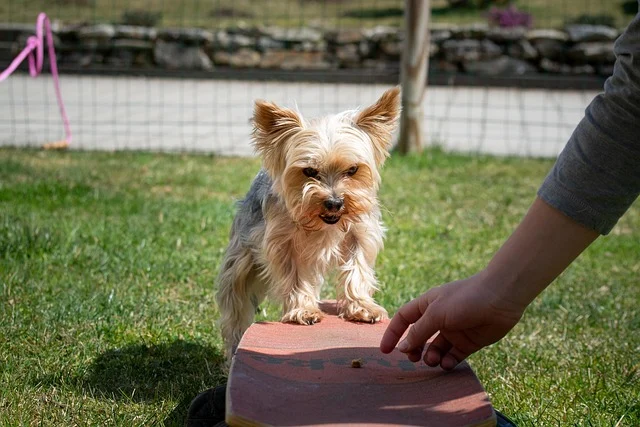
Early socialisation is paramount. Expose your Dalmatian mix puppy to a wide variety of sights, sounds, people, and other friendly dogs from a young age. This helps them develop into well-adjusted adults, reducing the likelihood of fear-based aggression or shyness. Puppy classes are an excellent way to achieve this in a structured environment.
For training, we recommend focusing on positive reinforcement methods, using treats, praise, and play to reward desired behaviours. Harsh corrections can be detrimental to their sensitive nature and may lead to fear or resistance. Consistency across all family members is key, ensuring everyone uses the same commands and expectations. Due to their energy, incorporating training into play sessions can be very effective.
Caring for a Dalmatian Mix: Exercise, Grooming, and Diet
Providing proper care for a Dalmatian mix means addressing their specific needs for exercise, grooming, and nutrition to ensure a healthy and happy life.
Exercise Needs
Dalmatian mixes are typically high-energy dogs that require substantial daily exercise. This isn’t just a brief walk around the block; it means vigorous activity like long runs, brisk walks, hiking, or engaging in dog sports. We suggest aiming for at least 60–90 minutes of active exercise daily, broken into multiple sessions. Mental stimulation is equally important; puzzle toys, obedience training, and interactive games can help tire their minds as well as their bodies.
Grooming Requirements
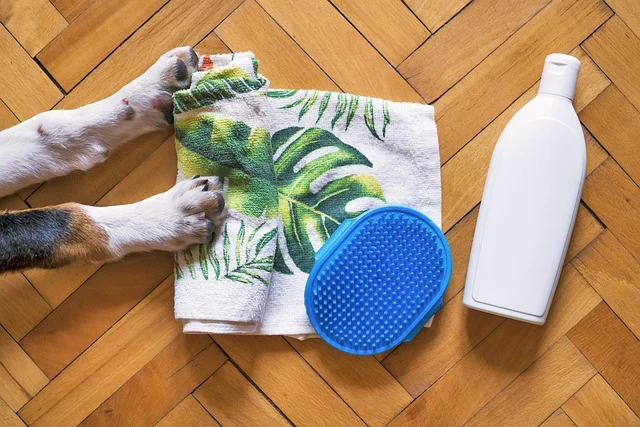
Dalmatians have short, dense coats that shed year-round. Their mixes will likely inherit similar shedding patterns. However, the other parent breed can influence this. Regular brushing, 2–3 times a week, is usually sufficient to remove loose hair and keep their coat healthy. They do not require frequent bathing unless they get particularly dirty. Too much bathing can strip natural oils from their skin. You should pay attention to nail trims, ear cleaning, and dental hygiene as part of their routine care.
Diet and Nutrition
A high-quality, balanced diet is essential for a Dalmatian mix. Your veterinarian can advise you about the best diet. You should consult them, especially if your dog shows signs of this condition or has a strong family history. A low-purine diet may be recommended to help manage uric acid levels. Always provide fresh water access, particularly for dogs prone to bladder issues. This encourages hydration and helps flush their system.
What to Consider Before Getting a Dalmatian Mix Puppy
Before bringing a Dalmatian mix puppy into your home, there are several practical considerations to ensure a good match for both you and the dog.

Costs and Adoption
Dalmatian mix puppies from registered breeders typically cost £400 to £950, while shelter adoption fees range from £80 to £250, according to current information from Pets4Homes. We always recommend considering adoption from a reputable rescue organisation first. If purchasing from a breeder, ensure they are ethical and can provide health clearances for the parent dogs, especially regarding deafness and hyperuricosuria.
Legal and Housing Considerations
While Dalmatian mixes are generally legal to own in most jurisdictions, you must check local dog licensing and leash laws. Some rental agreements and insurance companies include Dalmatians on restricted breed lists. However, breed-specific legislation does not commonly target them as high-risk breeds, according to current facts. We advise you to thoroughly check your housing agreement and insurance policy before committing to a Dalmatian mix. This is especially important if the other breed in the mix is on common restricted lists (e.g., Pitbulls).
Commitment to Training and Exercise
Dalmatian mixes are not suitable for sedentary lifestyles or first-time dog owners. You must be prepared for their energy and training demands. They require a significant time commitment for daily exercise, ongoing training, and socialisation. If you lead a very busy life with little time for dog activities, or if you prefer a less active companion, a Dalmatian mix might not be the right choice for you.
Frequently asked questions
What is the best Dalmatian mix?
There isn’t a single ‘best’ Dalmatian mix, as suitability depends entirely on an owner’s lifestyle, experience, and preferences. The ideal mix combines the Dalmatian’s traits with those of another breed that complements your living situation, such as a Dalmadoodle for potentially lower shedding or a Goldmatian for a friendly family dog.
Is a Dalmatian a good house dog?
A Dalmatian can be a good house dog. You must meet their significant exercise needs daily. They are highly social and thrive on being part of the family indoors. However, without adequate physical and mental stimulation, their energy can lead to destructive behaviours within the home.
Are Dalmatians mixed?
Purebred Dalmatians are not mixed; they are a distinct breed with a long history. However, the term ‘Dalmatian mix’ refers to a dog that has a purebred Dalmatian as one of its parents. It combines with another breed.