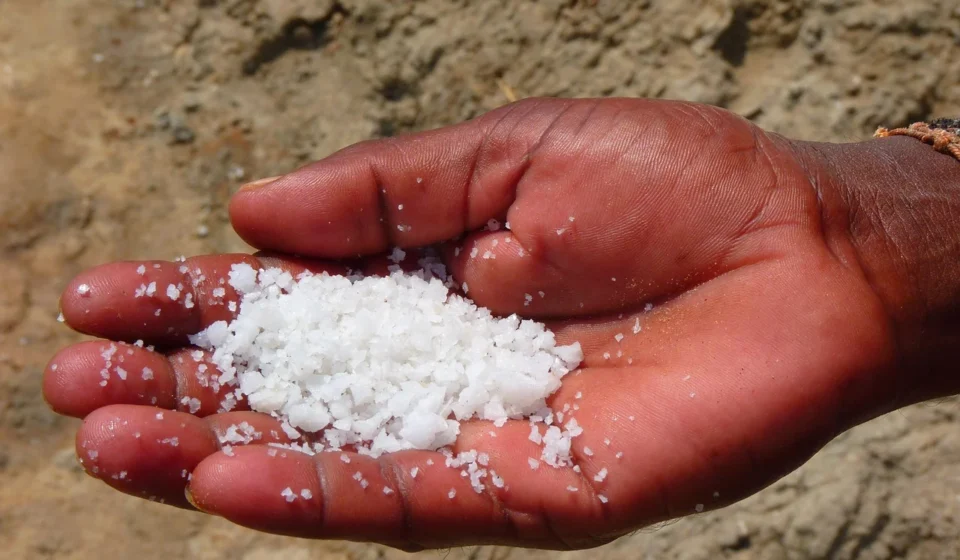
When you spot tiny white specks on your fish, resembling grains of salt or sugar, you are likely dealing with White Spot Disease, also known as Ich (Ichthyophthirius multifiliis). Treating white spot on fish with aquarium salt is a widely used and often successful method for freshwater aquariums. This works particularly well when you combine it with carefully managed temperature increases. This approach targets the vulnerable, free-swimming stage of the Ich parasite. It helps to eradicate it from your tank.
What Exactly is White Spot Disease (Ich)?
White Spot Disease, or Ich, is a highly contagious parasitic protozoan that infects freshwater fish. It manifests as small, visible white cysts on their body, fins, and gills. These visible spots are actually the feeding stage of the parasite, called trophonts. They are embedded in the fish’s skin and protected from most direct treatments. Understanding the parasite’s life cycle is crucial for effective treatment, as only its free-swimming stage, the theront, is vulnerable to interventions like salt.
The Ich parasite has a three-stage life cycle: the trophont (feeding on the fish), the tomont (reproductive stage, detached from the fish), and the theront (free-swimming, seeking a new host). The entire cycle can take anywhere from a few days to several weeks. This depends largely on water temperature. Many people believe Ich is always present in aquariums. However, infected fish, water, plants, or equipment actually introduce it. Stress can trigger outbreaks.
Can Aquarium Salt Get Rid of Ich?
Yes, aquarium salt can get rid of Ich in freshwater aquariums. It irritates the parasite and disrupts its osmotic balance during its free-swimming stage. While the trophonts (the visible spots) are protected within the fish’s skin, the salt primarily targets the theronts, the infective stage. They emerge from the tomonts and seek new hosts. We recommend using only plain aquarium salt (sodium chloride, non-iodized) for this treatment. Table salt often contains anti-caking agents or iodine which can be harmful to fish. Epsom salt is a different chemical compound not suitable for Ich treatment.
Salt’s effectiveness significantly increases when you combine it with higher water temperatures. This speeds up the parasite’s life cycle. It pushes the parasite through its stages more quickly. This exposes more theronts to the salt treatment within a shorter period. However, you must recognize that salt tolerance varies widely among different fish species, invertebrates, and plants. This means a universal “recipe” for salt treatment is not always appropriate, as recent guidance (as of September 2026) has emphasized.
White spot on fish treatment: salt, heat, and other options
To treat white spot on fish using aquarium salt, we advise a careful, step-by-step approach that combines salt application with a gradual increase in water temperature. This method maximizes efficacy while minimizing stress to your fish.
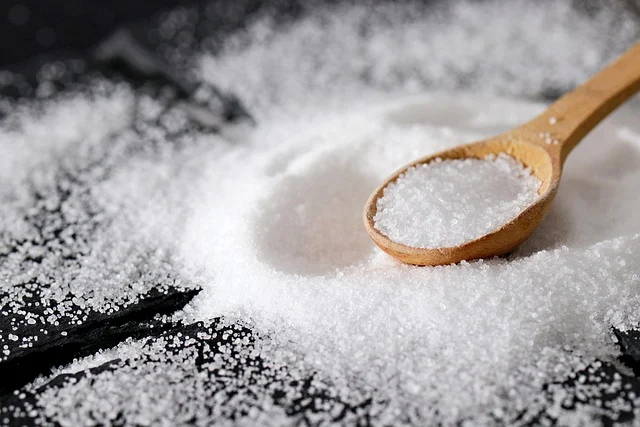
What You Will Need:
- Plain aquarium salt (sodium chloride, non-iodized)
- An accurate aquarium thermometer
- A reliable aquarium heater
- Next, a water test kit to monitor water parameters (ammonia, nitrite, nitrate)
- A bucket or container for mixing salt
- Also, a siphon or gravel vacuum for water changes
The Treatment Process:
- Remove Sensitive Tank Inhabitants: Before starting, we strongly recommend removing any live plants and most invertebrates, such as shrimp and snails, from the main treatment tank. Therapeutic salt concentrations are often harmful to these organisms. If you have scaleless fish (like corydoras or loaches) or other sensitive species (e.g., tetras), consider a half-dose of salt or relying solely on heat treatment. Their salt tolerance is lower. Goldfish and koi, being coldwater fish, should not have their temperature raised to 86°F. For them, we often recommend salt plus medication at cooler temperatures, with longer treatment times.
- Gradually Increase Water Temperature: Over 24–48 hours, slowly raise the water temperature to 28–30°C (82–86°F). This acceleration of the parasite’s life cycle is crucial. Increase the temperature by no more than 1°C (2°F) per hour to avoid shocking your fish. Ensure your heater can maintain this temperature consistently.
- Prepare and Add Aquarium Salt: The recommended dosage for aquarium salt treatment typically ranges from 1 tablespoon per 5 gallons of water to 1 tablespoon per 2 gallons, or approximately 1–3 grams per litre. Given the varying tolerances, you should start with 1 tablespoon per 5 gallons (roughly 1.2 grams per litre) for a general freshwater tank with solid fish. Dissolve the measured salt in a small amount of tank water in a separate container. Then slowly add it to your aquarium over several hours. This prevents a sudden shock to your fish. For example, if you have a 20-gallon tank, you would add 4 tablespoons of aquarium salt.
- Maintain Treatment for an Extended Period: Continue both the elevated temperature and salt concentration for at least 10-14 days after the last visible white spot disappears from your fish. This extended duration is critical to ensure all stages of the parasite’s life cycle are eradicated. This prevents a rebound of the disease. At lower temperatures, you may need to maintain treatment for up to 28 days.
- Perform Water Changes and Replenish Salt: Perform small, regular water changes (e.g., 25% every 2–3 days) to maintain water quality, especially with elevated temperatures. Remember that aquarium salt does not evaporate. So, you only need to add salt proportionally to the amount of new water you introduce. For instance, if you remove 5 gallons of water from a 20-gallon tank and replace it, you would add 1 tablespoon of salt back into the tank.
- Monitor Fish Behaviour and Water Parameters: Observe your fish closely for any signs of distress or improvement. Keep a close eye on ammonia and nitrite levels. Warmer water can reduce oxygen levels and stress fish, potentially impacting the beneficial bacteria in your filter.
- Gradually Reverse Conditions: Once the treatment period is complete and you have seen no spots for at least 10-14 days, gradually lower the water temperature back to its normal range (again, no more than 1°C or 2°F per hour). Over several weeks, perform larger water changes without adding salt. This will slowly dilute the salt concentration in the tank.
What is the Best Treatment for White Spot in Fish?
The “best” treatment for white spot in fish often involves a combination of methods, with aquarium salt and heat being a primary approach for freshwater Ich. For severe infestations or highly sensitive fish, specific medications formulated to treat white spot disease (Ich) in aquarium fish can be very effective, sometimes offering a quicker resolution. These medications typically contain ingredients like malachite green or formalin, which directly target the free-swimming stages of the parasite.
For many hobbyists, starting with the salt and heat method is a good initial step, especially if you catch the infestation early. This is due to its accessibility and lower cost. However, if you have scaleless fish, delicate species, or a tank with many invertebrates and plants that you cannot easily remove, a commercial Ich medication might be a more suitable or safer option. Always read medication labels carefully. Ensure they are safe for all your tank inhabitants.
Understanding Salt Tolerance in Different Fish Species
It’s crucial to understand that not all fish tolerate salt equally, and this is a key factor in deciding whether to use salt treatment and at what concentration. As previously mentioned, the recent shift in guidance away from universal salt recipes highlights this variability. Here’s a breakdown of common considerations:

- High Tolerance: Many livebearers (like mollies and guppies) and some cichlids (especially those from brackish environments) have a relatively high tolerance for salt and can often handle the full therapeutic dose of 1 tablespoon per 5 gallons, or even higher in some cases.
- Moderate Tolerance: Most common community fish like platies, swordtails, and many tetras (though some are more sensitive) can generally tolerate the lower end of the therapeutic range, around 1 tablespoon per 5 gallons.
- Low Tolerance/Scaleless Fish: Species such as corydoras catfish, loaches (e.g., Kuhli loaches, clown loaches), and knife fish are known for their sensitivity to salt. Their scaleless bodies absorb salt more readily. This makes them prone to stress and damage at higher concentrations. For these fish, we strongly recommend you reduce the salt dosage by half (e.g., 1 tablespoon per 10 gallons). Alternatively, you can avoid salt altogether and rely on heat treatment and/or specific medications.
- Coldwater Fish: Goldfish and koi are coldwater species. You should not subject them to the high temperatures recommended for tropical fish. They can tolerate salt. However, the combination of high heat and salt can be detrimental. For these, a lower temperature with salt and/or medication is a more appropriate approach. Expect a longer treatment duration.
Always observe your fish closely for any signs of distress, such as rapid breathing, erratic swimming, or loss of appetite, after introducing salt. If you notice these symptoms, perform a partial water change immediately to dilute the salt concentration.
Common Mistakes to Avoid During Treatment
Even with the best intentions, it’s easy to make mistakes during Ich treatment that can hinder its effectiveness or harm your fish. We want to highlight some of the most common pitfalls:

- Stopping Treatment Too Soon: This is perhaps the most frequent error. Many people stop treatment as soon as the visible white spots disappear. However, as the VCA Animal Hospitals website explains, this is incorrect. The parasite may have only left the fish to reproduce. This leads to a rebound of the disease. You must continue treatment for at least 10-14 days after you see the last spot. This ensures you eradicate all stages of the parasite.
- Using the Wrong Type of Salt: As mentioned, you should use only plain, non-iodized aquarium salt (sodium chloride). Table salt, rock salt, or Epsom salt are not suitable. They can contain additives harmful to your fish or simply won’t have the desired therapeutic effect.
- Overdosing or Underdosing Salt: Too much salt can be toxic to fish, especially sensitive species, while too little will be ineffective against the parasite. Always measure carefully and adjust for the actual volume of water in your tank (not just the tank’s stated capacity, as substrate and decorations displace water).
- Neglecting Temperature Control: Relying solely on salt without increasing the temperature significantly reduces the treatment’s effectiveness. The elevated temperature is key to speeding up the Ich life cycle, exposing more theronts to the salt.
- Not Removing Sensitive Inhabitants: Failing to remove live plants, snails, or shrimp before treatment can result in their death. They are highly sensitive to therapeutic salt levels.
- Ignoring Water Quality: Elevated temperatures can stress fish and reduce oxygen levels, potentially impacting beneficial bacteria. Regular water testing and partial water changes are still vital to prevent ammonia and nitrite spikes.
- Treating the Display Tank for Marine Ich: It’s important to distinguish between freshwater Ich (Ichthyophthirius multifiliis) and marine Ich (Cryptocaryon irritans). The search phrase “white spot on fish treatment salt” primarily refers to freshwater Ich. Treating marine Ich effectively often requires different protocols, including specific medications or transferring fish to a quarantine tank, as salt concentrations safe for a reef tank are usually not therapeutic for marine Ich.
When to Consider Other Treatments or Professional Help
While aquarium salt and heat are often effective, there are situations where we advise considering alternative treatments or seeking professional veterinary advice:
- Persistent or Severe Outbreaks: If the white spots persist or worsen despite a diligently followed salt and heat regimen, or if your fish are showing severe signs of distress (e.g., heavy breathing, lethargy, loss of appetite), it might be time for a stronger approach.
- Very Sensitive Fish Species: For tanks containing a high proportion of scaleless fish, delicate tetras, or other species with known low salt tolerance, the risks of salt treatment might outweigh the benefits. In these cases, a commercial Ich medication designed to be safe for sensitive species could be a better choice.
- Mixed Tanks with Invertebrates and Plants: If you have a heavily planted tank or numerous invertebrates that you cannot easily remove, using salt at therapeutic levels is generally not feasible. You cannot do this without harming these inhabitants. A fish-only quarantine tank for treatment or a plant/invertebrate-safe medication might be necessary.
- Uncertain Diagnosis: If you’re unsure whether the white spots are indeed Ich and not another condition like Lymphocystis or Marine Velvet (which can look similar, especially in marine tanks), a professional diagnosis from an aquatic veterinarian or experienced fish store can prevent misdiagnosis and ineffective treatment. Bulk Reef Supply, for instance, provides guidance on distinguishing between Ich and Marine Velvet in saltwater fish.
- Saltwater Ich: If you have a saltwater aquarium, the treatment for marine Ich (Cryptocaryon irritans) is different. While some methods involve manipulating salinity, it’s not the same simple aquarium salt approach used for freshwater Ich. Often, copper-based medications or hyposalinity (reducing salinity below a marine fish’s natural tolerance, which is a complex process) are used, usually in a dedicated quarantine tank.
Always prioritize the health and safety of your fish. If you’re in doubt, a more targeted medication or expert advice can make all the difference.
Frequently asked questions
What is the best treatment for white spot in fish?
For freshwater fish, the best treatment for white spot (Ich) often involves a combination of aquarium salt and gradually increasing the water temperature to 28–30°C (82–86°F). For severe cases or sensitive fish, specific Ich medications may be more effective.
How do I get rid of Ich in a salt water tank?
Getting rid of Ich in a saltwater tank (Cryptocaryon irritans) is different from freshwater Ich. You typically need to transfer infected fish to a quarantine tank for treatment. Use copper-based medications or hyposalinity for this purpose, as therapeutic salt levels are not safe for reef tanks.
Can white spot go away on its own?
No, white spot disease (Ich) rarely goes away on its own. It is a parasitic infection that will continue to spread and worsen without intervention, often leading to severe stress and death for infected fish if left untreated.
Is white spot on fish contagious?
Yes, white spot disease is highly contagious among fish in an aquarium. The parasite has a free-swimming stage (theront) that actively seeks out and infects new hosts, quickly spreading the infection throughout the tank if not addressed.