Cavapoos are a charming crossbreed. They are a mix of a Cavalier King Charles Spaniel and a Poodle (typically Toy or Miniature). They have become incredibly popular in the UK for their affectionate nature and generally low-shedding coats. Understanding their specific needs from puppyhood is important for a happy, healthy life together. This guide will walk you through the essentials. It covers their unique characteristics, daily care, training, and health considerations.
A guide to what a cavapoo puppy is
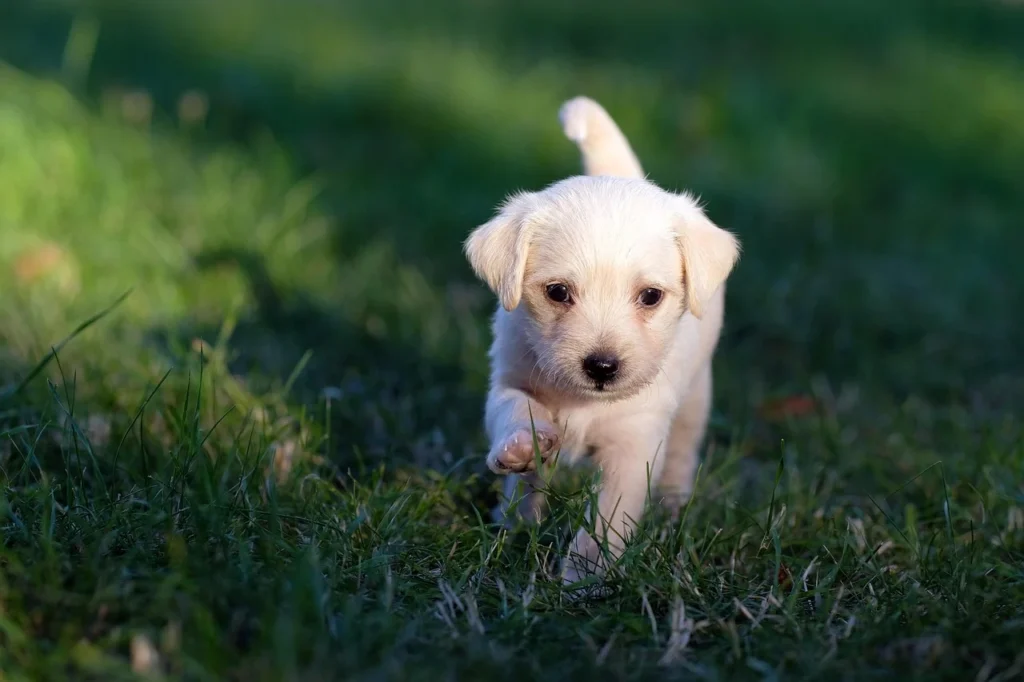
A Cavapoo puppy is a delightful crossbreed. It results from pairing a Cavalier King Charles Spaniel and a Poodle, usually a Toy or Miniature Poodle. This combines the gentle, affectionate nature of the Cavalier with the intelligence and low-shedding qualities often associated with Poodles.
These puppies are also sometimes known as Cavoodles, Cavadoodles, or Cavapoodles. They are a crossbreed. Therefore, major kennel clubs like The Kennel Club (UK) do not recognize Cavapoos. This means there isn’t an official breed standard. Their appearance and temperament can vary more than purebred dogs, as a cavapoo puppies guide would show. This depends on which parent’s traits are more dominant. Typically, adult Cavapoos stand between 9–14 inches tall and weigh 8–25 pounds. The Poodle parent largely influences their size.
While often marketed as ‘hypoallergenic’, it’s important to understand that no dog is truly 100% hypoallergenic. Allergens come from dander, saliva, and urine, not just hair. However, Cavapoos are generally considered low-shedding, which can make them a more suitable choice for some individuals with mild allergies, as explained in a cavapoo puppies guide, though individual shedding levels can vary significantly depending on their specific coat type.
Understanding Cavapoo Temperament and Behaviour
Cavapoo puppies are generally known for their affectionate, intelligent, and playful personalities. They make excellent companions for families and first-time dog owners who can provide consistent attention and early socialisation.
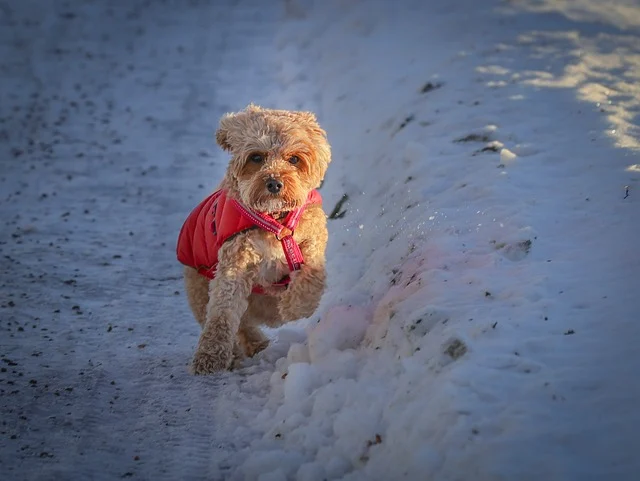
They thrive on companionship and bond strongly with their owners, often following them from room to room. This people-oriented nature, while endearing, also makes them prone to separation anxiety if not properly prepared for alone time from a young age. Early socialisation is key to developing a well-rounded Cavapoo, as detailed in a cavapoo puppies guide. Exposing your puppy to a variety of sights, sounds, people, and other friendly dogs during their critical socialisation period (typically up to 16 weeks) helps them grow into confident and adaptable adults.
Regarding the question, ‘Are Cavapoo puppies aggressive?’, the general answer is no. Cavapoos are not typically aggressive dogs. Their parent breeds are known for their gentle and friendly dispositions. However, like any dog, a Cavapoo can develop undesirable behaviours, including aggression. This can happen if you do not properly socialise, train them, or if they experience fear or pain. Consistent positive reinforcement training and ensuring they feel safe and secure are vital for preventing behavioural issues. Most behavioural problems stem from a lack of clear communication and early intervention, rather than an inherent ‘difficult’ nature.
Essential Care for Your Cavapoo Puppy
You provide essential care for your Cavapoo puppy. This involves a balanced approach to nutrition, regular grooming, and routine veterinary check-ups. You also create a safe, stimulating home environment to support their physical and mental development.
Feeding Your Cavapoo Puppy
You need a high-quality, balanced puppy food appropriate for their size and age. This is important for your Cavapoo’s growth. Specific feeding amounts and schedules vary based on the puppy’s weight, age, and activity level. They also depend on the food’s nutritional density.
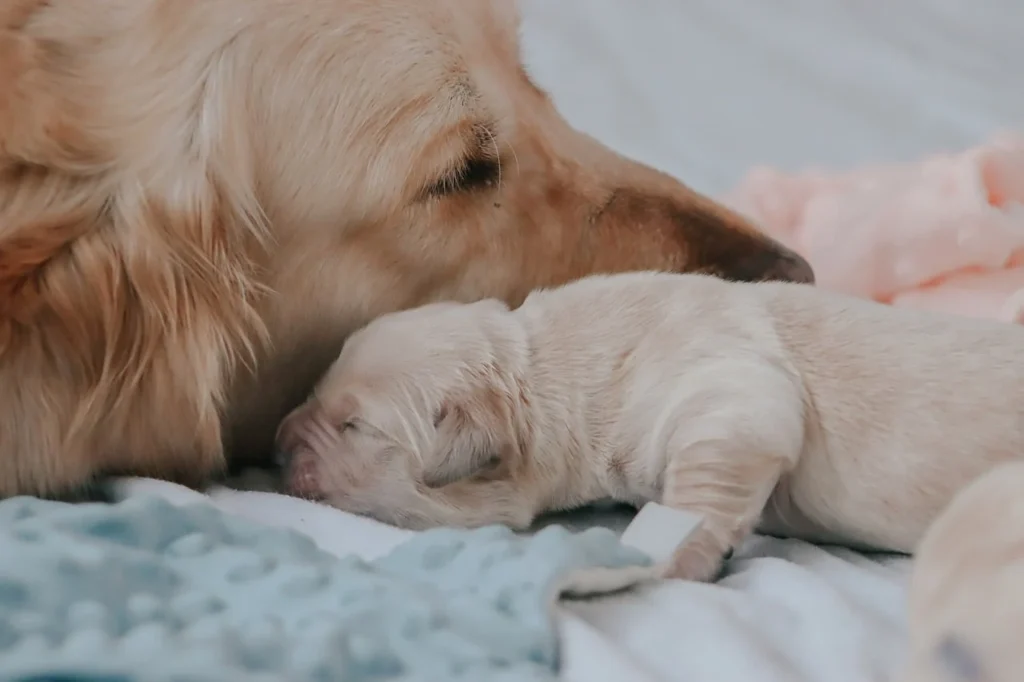
We recommend consulting your veterinarian for a precise feeding plan tailored to your puppy. Generally, Cavapoo puppies require several small meals throughout the day. This supports their rapid growth and maintains stable blood sugar levels. For example, an 8-week-old puppy might need to be fed three to four times a day. Always ensure fresh water is available. Avoid free-feeding, as this can lead to overeating and make house training more challenging. You typically transition to adult food around 12 months of age. Your vet can advise on the best timing for your individual puppy, offering a cavapoo puppies guide for their nutrition.
Grooming Your Cavapoo Puppy
Cavapoos require regular grooming due to their typically curly or wavy coats, which need daily or every-other-day brushing at home to prevent matting and professional grooming every 4–8 weeks to maintain coat health and hygiene.
Their Poodle heritage means they often have hair that continues to grow, rather than shedding out. Without consistent brushing, their coats can quickly become matted. This is painful for the dog and difficult to remove. When considering, ‘What is the best first cut for a Cavapoo?’, we advise keeping it simple. The first professional groom often occurs around 12–16 weeks after their final vaccinations. It should focus on a sanitary trim, tidying around the eyes, and a light trim to keep the coat manageable. This introduces the puppy to the grooming process positively. It avoids overwhelming them with a drastic style change. A ‘puppy cut’ keeps the hair relatively short and even all over. It is a popular and practical choice for maintenance, as detailed in a cavapoo puppies guide.
Training Your Cavapoo Puppy Effectively
Effective training for a Cavapoo puppy should begin early, ideally around eight weeks old, focusing on positive reinforcement methods, consistency, and patience to build a strong bond and establish good behaviour from the outset.
Cavapoos are intelligent and eager to please, which generally makes them quite trainable. However, like all puppies, they require clear boundaries and consistent guidance. We always recommend starting with basic commands such as ‘sit’, ‘stay’, ‘come’, and ‘leave it’. Use high-value treats and praise to reward desired behaviours. Short, frequent training sessions (5-10 minutes) are more effective than long, infrequent ones, as puppies have short attention spans.
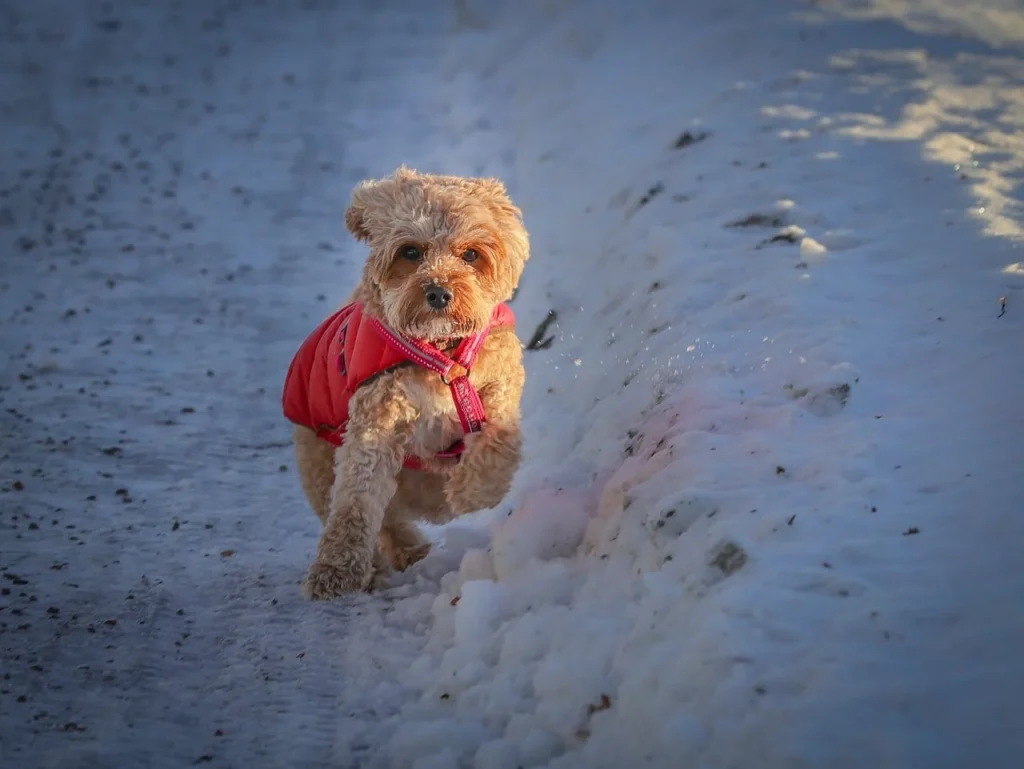
Crate Training and Alone Time
Crate training is an invaluable tool for house training and teaching your Cavapoo puppy to be comfortable alone, requiring a crate that allows them to stand, turn around, and lie down comfortably, but without excessive space.
For a Cavapoo puppy, ‘what size crate for a Cavapoo puppy’ depends on their expected adult size. However, a crate around 24–30 inches long is typically suitable. You can often use a divider to adjust the space as they grow. Your goal is to make the crate a safe, positive den. Introduce it gradually with treats and toys. To ‘train a Cavapoo to be alone’, start with very short periods. Gradually increase the duration. Leave them with a safe chew toy or a puzzle feeder. Building positive associations with alone time from a young age is important for preventing separation anxiety. This cavapoo puppies guide explains they are prone to this due to their strong attachment to their owners.
The 7-7-7 Rule for Puppies
The 7-7-7 rule for puppies outlines a general guideline for new owners, suggesting that during their first seven days, seven weeks, and seven months in a new home, puppies will experience different stages of adjustment, learning, and bonding.
This isn’t a strict scientific rule. It is a helpful framework for managing expectations during your puppy’s transition. In the first 7 days, your puppy will be overwhelmed. They may be shy or withdrawn. Focus on creating a safe, quiet environment and building trust. In the first 7 weeks, they’ll start to settle, learn routines, and show their true personality. This is a important period for consistent training and socialisation. By the first 7 months, they should be fully integrated into your family. They will display established behaviours and a strong bond. Understanding this progression helps owners to be more patient and proactive in their puppy’s development. This cavapoo puppies guide helps them avoid expecting too much too soon.
Common Health Concerns and How to Mitigate Them
Cavapoos can inherit health concerns from their parent breeds, including mitral valve disease, patellar luxation, and progressive retinal atrophy, making it essential to choose a reputable breeder who conducts thorough health testing on their breeding dogs.
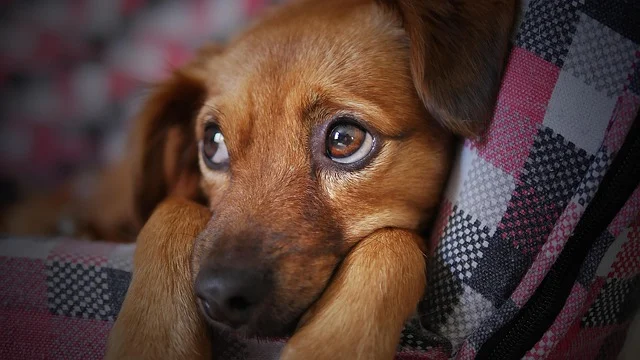
From the Cavalier King Charles Spaniel side, mitral valve disease is a significant concern. This heart condition can lead to heart failure. From the Poodle side, conditions like progressive retinal atrophy (an eye disease leading to blindness) and patellar luxation (a condition where the kneecap dislocates) are more common. Other potential issues include hip dysplasia, dental problems, and allergies. You cannot eliminate all risks. However, choosing a breeder who screens their breeding dogs for these conditions significantly reduces the likelihood of your puppy developing them. We cannot stress enough the importance of asking for health clearances for the parent dogs in a cavapoo puppies guide.
What Are the Must-Haves for a Cavapoo Puppy?
For a Cavapoo puppy, essential must-haves include a suitable crate, high-quality puppy food, appropriate food and water bowls, a comfortable bed, a lead and harness, age-appropriate toys, grooming tools, and a secure playpen or baby gates for safe confinement.
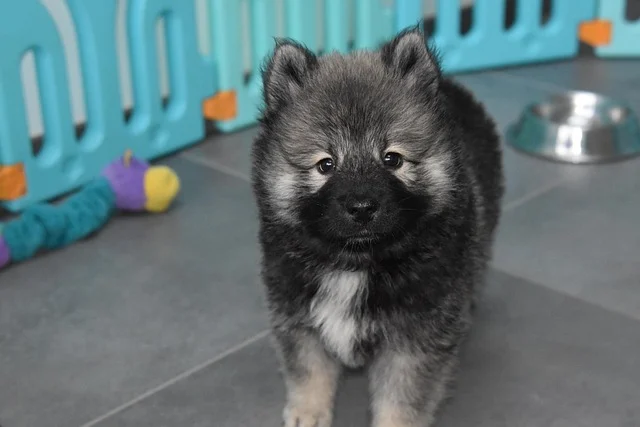
Beyond physical items, a important ‘must-have’ is a commitment to early, ongoing socialisation and training. Puppy pads can be useful for house training, but we advise using them strategically to avoid prolonged indoor toileting. Safe chew toys are vital for puppy development, helping with teething and providing mental stimulation. A solid pet insurance policy is also considered a must-have, providing peace of mind against unexpected veterinary costs, which can range from £1,000 to £2,500 or more for first-year expenses (according to a cavapoo puppies guide in Google’s current facts).
Choosing a Reputable Cavapoo Breeder
Choosing a reputable Cavapoo breeder is paramount to ensuring you bring home a healthy, well-socialized puppy, focusing on breeders who prioritize the health and temperament of their dogs through extensive health testing and ethical breeding practices.
A good breeder will be transparent about the health history of the parent dogs. They will provide documentation for screenings such as those for mitral valve disease, hip and elbow dysplasia, and eye conditions. They will also allow you to meet the puppy’s mother. You can also see the environment where the puppies are raised. Be wary of breeders who offer puppies at unusually low prices or cannot provide health clearances. In the UK, the typical price range for a Cavapoo puppy is £1,000 to £2,500 or more. Prices are slightly increasing year over year due to rising veterinary costs and breed-specific testing. We advise against purchasing from pet shops or online marketplaces that cannot provide detailed information about the puppy’s lineage and health. A truly reputable breeder, as a cavapoo puppies guide outlines, will also be keen to ask you questions. They ensure their puppies are going to suitable homes.
Frequently asked questions
Are Cavapoos difficult puppies?
Cavapoos are generally not considered difficult puppies; their intelligence and eagerness to please make them responsive to training. However, they require consistent positive reinforcement, early socialisation, and patience to thrive and prevent common issues like separation anxiety.
What is the average lifespan of a Cavapoo?
Cavapoos generally live for 10–15 years, with some living up to 16 years, depending on their overall health, genetics, diet, and care. Regular vet check-ups and a healthy lifestyle contribute significantly to their longevity.
How much exercise does a Cavapoo puppy need?
Cavapoo puppies require moderate exercise, typically around 30–60 minutes per day, split into several shorter walks and play sessions. It’s important not to over-exercise young puppies to protect their developing joints.