he breeder’s experience and standing within the breed community, and the puppy’s specific pedigree and potential for show.
Last updated: May 17, 2026

Factors Influencing Pomeranian Dog Breed Price
Several elements contribute to the overall Pomeranian dog breed price. Reputable breeders invest heavily in health testing their breeding stock, ensuring puppies are free from common genetic issues like patellar luxation and tracheal collapse. Puppies from parents with show titles or superior pedigrees command higher prices due to their perceived quality and potential for future breeding or showing.
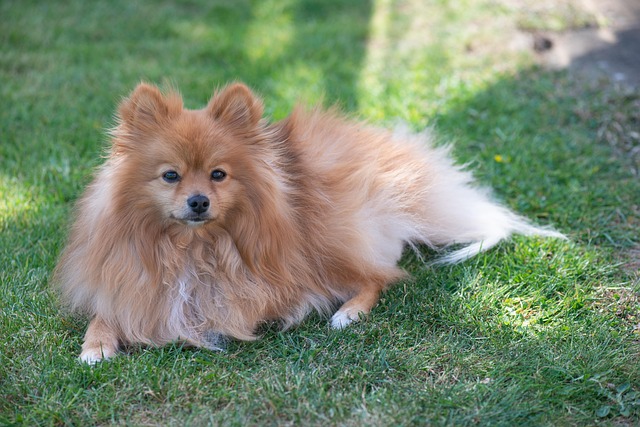
The colour of the Pomeranian can also play a role. While traditional colours like red, orange, black, and sable are common, rarer colours such as blue, merle, or parti-coloured might fetch a premium. A breeder’s investment in early socialization, vaccinations, and deworming also adds to the cost, reflecting their commitment to producing well-adjusted, healthy puppies.
Pomeranian Price from a Reputable Breeder
A key differentiator for Pomeranian puppy cost is the breeder’s reputation and ethical practices. Professional, responsible breeders dedicate considerable resources to the health, well-being, and genetic soundness of their dogs. This includes rigorous health screenings for conditions like hip dysplasia, eye problems, and heart issues, as recommended by the American Pomeranian Club.
According to the American Pomeranian Club, responsible breeders will readily provide health clearances for the puppy’s parents and offer a health guarantee for their puppies. The price reflects this commitment, typically falling between £1,500 and £4,000. These breeders also offer ongoing support and guidance, ensuring their puppies go to suitable, prepared homes.
Pomeranian Adoption Fees: A More Affordable Route
For those seeking a more budget-friendly option, adopting a Pomeranian from a breed-specific rescue or a general animal shelter is an excellent choice. Adoption fees are substantially lower than purchasing from a breeder, typically ranging from £100 to £300. These fees usually cover initial veterinary checks, vaccinations, spaying or neutering, and microchipping.
While rescue Pomeranians may not come with a pedigree, many are well-loved pets who have found themselves in need of a new home due to unforeseen circumstances. Remember that breed-specific rescues often have waiting lists, and there may be an application process to ensure a good match. The American Society for the Prevention of Cruelty to Animals (ASPCA) supports adoption as a highly rewarding way to find a pet.
Initial Setup Costs: Beyond the Puppy Price Tag
Once you bring your Pomeranian home, there are essential supplies you’ll need to purchase. These one-time or infrequent purchases constitute the initial setup costs. This typically includes a comfortable bed, food and water bowls, a collar and lead, a microchip (if not already done), grooming tools such as brushes and nail clippers, and a selection of chew toys.
For a new Pomeranian owner, these initial expenses can range from £150 to £500. High-quality food formulated for small breeds is an investment in your dog’s health. Training pads, a crate or carrier for travel or house-training, and basic safety items like stair gates can also add to this initial outlay. Investing in durable, good-quality items can save money in the long run.
Annual Cost of Owning a Pomeranian
The Pomeranian dog breed price discussion wouldn’t be complete without considering the ongoing annual expenses. These are the recurring costs that ensure your Pomeranian remains healthy, happy, and well-cared for throughout its life. As of May 2026, annual costs can vary widely but generally fall between £800 and £2,000, sometimes more.
The largest components of annual spending are food, routine veterinary care (including vaccinations, parasite prevention, and annual check-ups), and professional grooming. Pomeranians have a luxurious double coat that requires regular, professional attention to prevent matting and maintain skin health. Pet insurance is also a wise consideration, with premiums varying but often falling within the £20-£50 monthly range, potentially saving thousands in unexpected veterinary emergencies.
Other Potential Expenses to consider
Beyond the predictable costs, several other expenses may arise. Training classes are highly recommended for Pomeranian puppies to ensure they develop good behaviour and social skills. These can cost anywhere from £100 to £300 for a course.
Unexpected veterinary bills due to illness or accidents can be substantial. While pet insurance helps mitigate this, it doesn’t cover pre-existing conditions or sometimes initial consultation fees. Dental care, specialised diets for allergies, or treatments for breed-specific conditions like luxating patellas can add to the overall expenditure. The ASPCA advises owners to have an emergency fund for unexpected pet expenses.
Money-Saving Tips for Pomeranian Owners
Managing the Pomeranian dog breed price and its associated costs is achievable with smart planning. Buying in bulk for food and treats, looking for sales, and preparing your own dog treats can reduce expenditure. For grooming, learning basic maintenance tasks like brushing and nail trimming at home can supplement professional grooming sessions.
Consider adopting a mature Pomeranian, as they may already be house-trained and past the most expensive puppy stages. Shopping around for pet insurance and comparing quotes can ensure you get the best coverage for your budget. Delayed gratification, such as waiting for sales on puppy supplies, can also help manage initial setup costs without compromising quality.
Pomeranian Price vs. Other Small Breeds
Compared to other popular small breeds, the Pomeranian dog breed price often sits in the mid-to-high range. For instance, a Shih Tzu or a Yorkshire Terrier puppy from a reputable breeder might have a similar price bracket, typically £800 to £3,000. However, breeds like the Cavalier King Charles Spaniel, known for its health issues, can sometimes command higher prices due to demand and extensive health testing protocols.
On the other hand, some companion breeds, such as mixed breeds or designer dogs with less established lineages, might be available for less. However, it’s vital to research any breeder thoroughly, regardless of breed. The American Kennel Club (AKC) strongly advises against purchasing from pet stores or online dealers, as these sources may not prioritise health or ethical breeding practices, potentially leading to higher veterinary costs down the line.
Frequently Asked Questions
What is the average price for a Pomeranian puppy in 2026?
As of May 2026, the average price for a Pomeranian puppy from a reputable breeder typically ranges from £1,500 to £4,000. This figure reflects the breeder’s investment in health testing, lineage, and care.
How much does it cost to adopt a Pomeranian from a shelter or rescue?
Adoption fees for Pomeranians are considerably lower, usually between £100 and £300. These fees help cover the cost of veterinary care, vaccinations, and spaying/neutering provided by the rescue organisation.
What are the main ongoing annual costs for a Pomeranian?
Annual expenses, including high-quality food, routine veterinary care, professional grooming, and parasite prevention, can range from £800 to £2,000. Pet insurance premiums are an additional monthly cost.
Why are Pomeranian dogs so expensive compared to other breeds?
Pomeranians are expensive due to their meticulous breeding standards, the cost of health testing their parents, their high grooming needs, and the demand for this popular toy breed. Reputable breeders invest significantly in producing healthy, well-socialized puppies.
What factors influence the Pomeranian dog breed price the most?
The most significant factors are the breeder’s reputation and the puppy’s pedigree. Puppies from champion bloodlines or with show potential from highly regarded breeders will command the highest Pomeranian dog breed price.
Are there any hidden costs associated with owning a Pomeranian?
Hidden costs can include unexpected veterinary emergencies, specialised training classes, potential dental procedures, and the need for specialised grooming tools or products if your dog develops skin issues.
Last reviewed: May 2026. Information current as of publication; pricing and product details may change.
Editorial Note: This article was researched and written by the Pet Magazine editorial team. We fact-check our content and update it regularly. For questions or corrections, contact us.