A pitbull and rottweiler cross, often called a Pitweiler, is a powerful hybrid dog combining the athletic agility of an American Pit Bull Terrier with the heavy strength and protective instinct of a Rottweiler. Weighing between 70 and 130 pounds, this formidable mix requires an experienced owner capable of providing rigorous daily exercise, structured socialisation, and consistent leadership.
The Pitbull Rottweiler cross has great allure. It combines two strong, loyal working breeds. This blend mixes characteristics of the American Pit Bull Terrier. It also includes the Rottweiler. As a result, it produces a capable guard dog. It is also a devoted family companion. However, understanding its physical power is essential. You must also understand its behavioral drives. Consider this before bringing one home.
This crossbreed is not suited for first-time dog owners. It also does not fit inactive households. It demands an owner who understands canine drive. The owner must enforce clear boundaries through reward-based training. Also, they must provide extensive daily physical exercise and mental work. When properly socialised and trained, a pitbull and rottweiler cross grows into a balanced family member. It becomes affectionate and protective.
What is a pitbull and rottweiler cross?
The Pitweiler is a first-generation (F1) hybrid. It results from the direct mating of an American Pit Bull Terrier and a purebred Rottweiler. Both foundation breeds share a history as working dogs. However, their original duties differed. The Pit Bull side traces back to 19th-century bull-and-terrier dogs. These dogs were bred for tenacity, high energy, and human-directed affection. The Rottweiler heritage stems from ancient Roman drover dogs. These dogs moved livestock and protected property in Germany. As a result, they left a lineage of heavy bone structure and natural guarding instincts.
When these two distinct gene pools combine, offspring inherit a variable mixture of traits from both sides. This genetic dynamic means puppies within the same litter can vary noticeably. They can differ in temperament, muscular build, and drive intensity. For example, some puppies display the higher energy and lean agility of the Pit Bull. Others inherit the stocky build and stoic demeanor of the Rottweiler.
Crossbreeding can sometimes reduce the risk of inheriting purebred recessive health disorders—a concept known as hybrid vigour. However, hybrid vigour does not guarantee immunity from inherited conditions. If both parent dogs carry genetic predispositions for orthopedic or cardiac defects, those traits can still pass directly to the puppies.
What does a pitbull rottweiler cross look like?
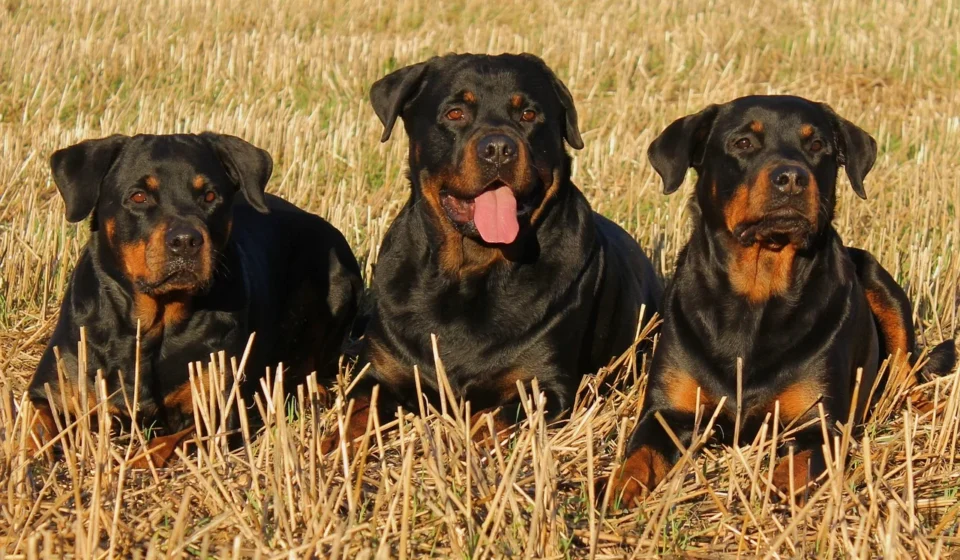
In physical appearance, a pitbull and rottweiler cross is a large, heavily muscled dog. It has an imposing stance. The head shape is typically broad and blocky. It inherits wide cheek muscles from the Pit Bull. Also, it gets a broad skull with a defined stop from the Rottweiler. The jaws are exceptionally strong. They attach to a thick, muscular neck and a wide chest.
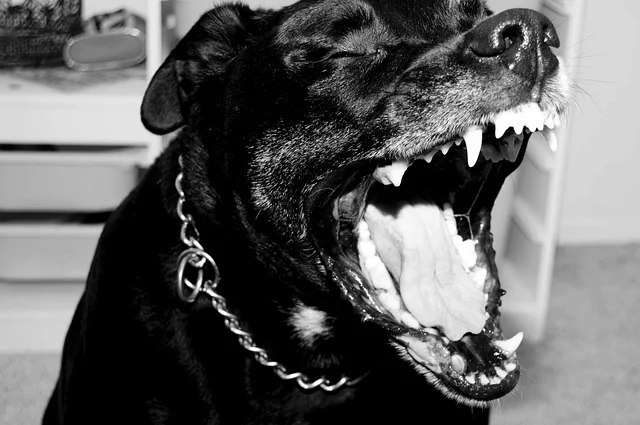
Physical size varies depending on which parent breed dominates the puppy’s genetic makeup, with males consistently larger than females:
- Male height: 24 to 27 inches (61 to 69 cm) at the shoulder
- Male weight: 70 to 130 pounds (32 to 59 kg)
- Female height: 20 to 24 inches (51 to 61 cm) at the shoulder
- Female weight: 60 to 90 pounds (27 to 41 kg)
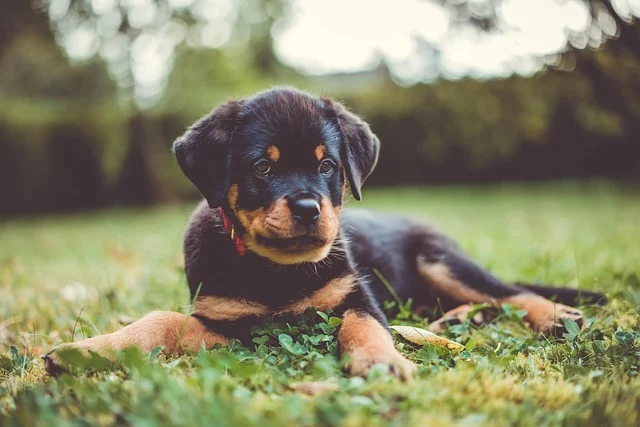
- 8-week puppy weight: 15 to 25 pounds (7 to 11 kg)
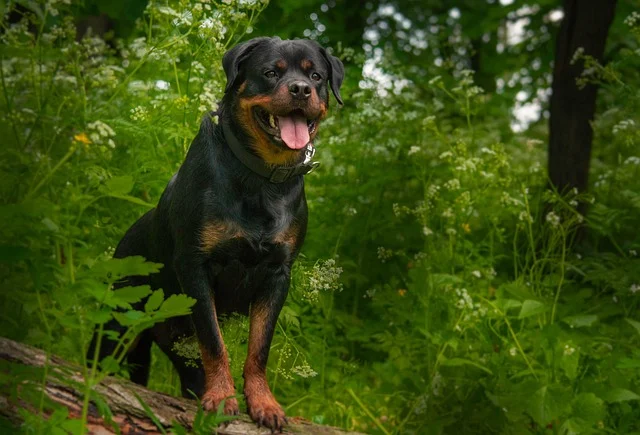
A Pitweiler’s coat is typically short. It is also smooth and dense. The coat fits closely to the body. Some dogs inherit a short double coat. This comes from the Rottweiler side. As a result, they shed moderately twice a year. This happens during seasonal coat blows. Common coat colours include black with tan or mahogany points. These points appear on the face, chest, and legs. Also, you can find solid brindle, chocolate brown, red, and fawn coats. White chest markings are common.
What is the temperament and drive of a Pitweiler?
The temperament of a pitbull and rottweiler cross balances intense family devotion with strong territorial guarding instincts. These dogs form profound bonds with their owners and often seek continuous physical affection when indoors. However, their dual working background gives them heightened awareness of their surroundings and a natural suspicion toward uninvited strangers.
Both parent breeds possess substantial working drives. The Pit Bull contributes relentless determination and high physical energy, while the Rottweiler contributes a stoic, defensive guarding drive. Without structured outlet and direction, this combination can result in over-protectiveness or territorial reactivity around property borders.
This crossbreed often has an elevated prey drive. For example, a Pitweiler may view smaller animals as target prey. This includes cats, rabbits, or small dogs. Multi-pet households require early desensitisation. Also, strict management is needed from puppyhood. Around children, well-socialised Pitweilers are often patient. They are also protective. However, their sheer physical power means boisterous play can easily knock down small toddlers. Therefore, adult supervision is required during all interactions.
Unmanaged protective traits can quickly escalate into fear-based reactivity. Review the ASPCA’s guidelines on canine behavior modification. They highlight how structured environmental conditioning prevents early defensive behaviors. This stops them from becoming fixed habits.
Who should and should not get a pitbull rottweiler cross?
A pitbull and rottweiler cross requires a specific home environment to thrive safely. Before acquiring one, evaluate whether your living situation matches this breed’s physical and mental demands.

This crossbreed is well suited for:
- Experienced dog owners who have previously managed large, confident, working or guardian breeds.
- Active households ready to dedicate at least 60 to 90 minutes every day to intense exercise and conditioning.
- Homeowners with a spacious, securely fenced yard equipped with high fencing (minimum 6 feet) and anti-dig reinforcements.
- Handlers committed to life-long positive reinforcement training, early socialisation classes, and clear household boundaries.
This crossbreed is NOT suited for:
- First-time or passive dog owners who struggle to establish clear rules and physical handling control.
- Apartment dwellers or tenants living in properties with strict weight limits or breed-specific housing bans.
- Busy professionals who leave their dog home alone for 8 to 10 hours daily, which invites severe boredom and destructive chewing.
- Households with loose, unmanaged small pets or owners unable to provide continuous supervision around young children.
How do you socialise and train a pitbull rottweiler cross puppy?
Training a pitbull and rottweiler cross requires early intervention. It also needs clear consistency and positive reinforcement. Because adult Pitweilers possess massive jaw strength, they have great physical pulling power. So, you must establish basic control long before the dog reaches full physical maturity.
- Maximise the critical socialization window (7 to 16 weeks): Safely expose the puppy to various sights and sounds. This includes household sounds, traffic, umbrellas, and strange surfaces. Also expose them to people of different ages and appearances. According to veterinary guidelines, structured socialization during this critical period prevents fear-based aggression. It also stops territorial overreactivity in mature guardian dogs.
- Organise controlled dog exposures: Introduce your puppy to neutral, fully vaccinated adult dogs in calm environments. Avoid public dog parks, where negative or aggressive interactions can cause lasting trauma and dog reactivity.
- Practice body handling and desensitisation: Handle your puppy’s paws, ears, tail, and mouth daily while offering high-value food rewards. This routine ensures stress-free veterinary visits, claw trimming, and mouth checks.
- Establish basic impulse control: Teach commands like ‘sit’, ‘stay’, ‘down’, and ‘leave it’. Do this before giving meals, opening doors, or clipping on the leash. Building frustration tolerance early prevents rude door-surging or resource guarding later.
- Implement loose-lead training early: Use a front-clip harness to manage pulling force without putting pressure on the trachea. Practice reward-based heel walking indoors and in quiet outdoor spaces before moving into high-distraction environments.
Avoid harsh physical punishment or dominate-based alpha methods. Punitive training methods create fear, increase anxiety, and can trigger defensive aggression in confident guardian breeds.
What are the daily exercise and mental stimulation needs?
The pitbull and rottweiler cross is a high-energy hybrid. It requires 60 to 90 minutes of active exercise daily. You must combine physical exertion with focused brain work. This keeps a Pitweiler calm. It also keeps them satisfied in the home.
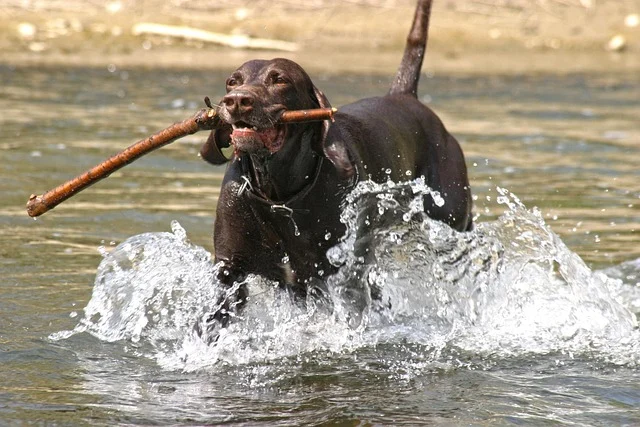
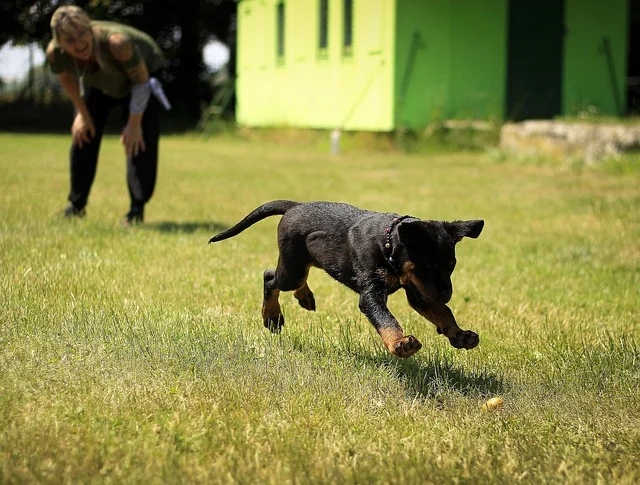
Effective physical activities include brisk walking. You can also try trail hiking. Jogging with adult dogs is another option. Play controlled games of fetch with durable rubber toys. Flirt pole sessions are also good. Flirt poles provide an excellent outlet. They burn off explosive energy. In addition, they reinforce impulse control commands. For example, use ‘drop it’ and ‘wait’.
Mental stimulation is equally vital. Engage your dog’s intelligence with puzzle feeders, snuffle mats, hidden treat searches, and daily 10-minute obedience refresher sessions. Mentally exhausted dogs are far less likely to engage in destructive yard digging, door scratching, or excessive barking.
You must protect growing joints during puppyhood. Therefore, avoid forced running on concrete surfaces. Also, do not allow intense high-impact jumping. Wait until growth plates fully fuse. This usually occurs between 18 and 24 months of age.
What diet and feeding schedule does a Pitweiler require?
To support heavy bone structure and lean muscle mass, a pitbull and rottweiler cross requires high-quality nutrition formulated for large breeds. Look for commercial kibble or balanced raw diets that list a whole animal protein (such as chicken, beef, lamb, or salmon) as the primary ingredient.
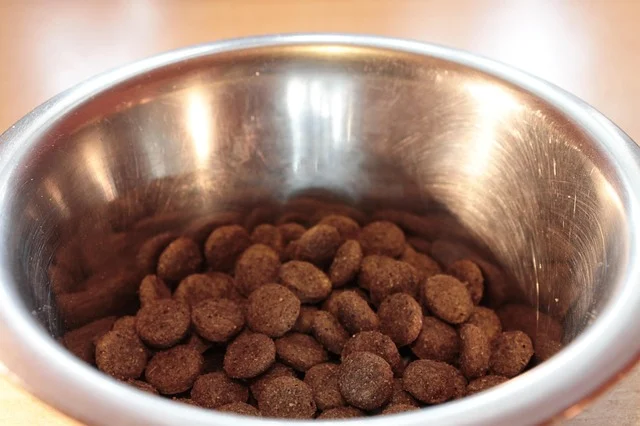
An adult Pitweiler typically consumes 1,000 to 1,500 calories daily. This translates to about 2 to 4 cups of premium, large-breed kibble. Divide this into two daily meals. However, caloric needs vary. They depend on age, neuter status, metabolism, and daily activity level.
Due to the deep-chested build inherited from the Rottweiler side, Pitweilers are vulnerable to Gastric Dilatation-Volvulus (GDV), commonly known as bloat. Bloat occurs when the stomach fills with gas and twists, cutting off blood flow—a life-threatening emergency. Mitigate bloat risk with these daily steps:
- Feed two or three smaller, scheduled meals each day rather than one massive feeding.
- Use slow-feeder bowls to prevent rapid gulping of dry food and air swallowing.
- Enforce 60 minutes of calm rest before and after every meal—strictly forbid vigorous running or jumping.
- Prevent heavy water gulping immediately after strenuous exercise.
What health conditions affect a pitbull and rottweiler mix?
A pitbull and rottweiler cross can inherit genetic health vulnerabilities. These are common to both parent lines. Working with breeders who perform official health screenings is vital. Also, keep up with preventative veterinary care. This maintains long-term health.
- Hip and Elbow Dysplasia: Malformed hip or elbow joints cause painful friction, arthritis, and eventual lameness. Parent dogs should undergo joint evaluations through organisations like the Orthopedic Foundation for Animals (OFA) or PennHIP.
- Subaortic Stenosis (SAS): A congenital heart disorder inherited from Rottweiler lines where a ring of fibrous tissue obstructs blood flow from the heart. Regular veterinary heart auscultation and echocardiograms can spot early murmurs.
- Gastric Dilatation-Volvulus (GDV): Rapid stomach twisting requiring emergency surgical intervention. Watch for unproductive retching, swollen abdomen, pacing, and severe distress.
- Progressive Retinal Atrophy (PRA) and Cataracts: Inherited eye disorders that lead to night blindness and eventual loss of sight. Screening parent stock reduces inherited risks.
- Skin Allergies and Atopy: Pit Bull lineage causes these environmental and food allergies. They lead to severe itching, redness, and skin infections. Also, chronic ear inflammation can occur.
- Oncological Conditions: Higher incidence of osteosarcoma (bone cancer) and lymphoma in middle-aged and senior dogs.
The average lifespan of a pitbull and rottweiler cross ranges from 10 to 12 years. Consistent weight management, joint supplementation (glucosamine and chondroitin), regular parasite prevention, and routine wellness checkups help maximize health and longevity.
How does a pitbull rottweiler cross compare to other guardian breeds?
Comparing the Pitweiler to purebred working and guardian options helps clarify whether this cross matches your lifestyle compared to a purebred Rottweiler, American Pit Bull Terrier, or German Shepherd.
| Breed | Typical Size (Weight) | Temperament Focus | Exercise Needs | Training Intensity | Lifespan (Years) |
|---|---|---|---|---|---|
| Pitbull Rottweiler Cross (Pitweiler) | 70–130 lbs (32–59 kg) | Loyal, Protective, High-Drive | High (60–90+ min/day) | High (experienced handler) | 10–12 |
| Rottweiler | 80–135 lbs (36–61 kg) | Stoic, Calm, Dutiful, Guarding | Moderate-High (60+ min/day) | High (experienced handler) | 9–10 |
| American Pit Bull Terrier | 30–65 lbs (14–30 kg) | Tenacious, Affectionate, Energetic | High (60–90+ min/day) | Moderate-High (consistent rule setup) | 12–16 |
| German Shepherd | 50–90 lbs (23–41 kg) | Intelligent, Versatile, Alert | High (90+ min/day) | High (experienced handler) | 7–10 |
Where can you buy or adopt a pitbull rottweiler cross?
Acquiring a pitbull and rottweiler cross requires diligent evaluation of both adoption options and independent breeders.
Rescue centers and breed-specific organisations regularly house Pitweilers and similar large crossbreeds. Adopting through an established rescue typically costs between £150 and £400, covering core vaccinations, spay or neuter surgery, microchipping, and basic temperament evaluations.
Expect prices between £800 and £2,500+. This applies if you purchase a puppy from a breeder. Select a breeder who conducts mandatory health tests. These tests are for parent dogs. They include OFA/PennHIP hip scores. Also, cardiac clearances and eye examinations are essential. Avoid breeders advertising dogs purely for excessive size. You should also avoid those promoting hyper-aggression. Finally, do not buy from sellers who refuse to let you view the mother. You must see her in her living environment.
What common owner mistakes should you avoid?
Avoid several critical pitfalls when raising a pitbull and rottweiler cross to ensure a safe, stable adult dog:
- Skipping early socialisation: Assuming a puppy will inherently like people and other animals without controlled exposure leads to fear reactivity. Fix: Commit to structured puppy socialisation from 7 weeks onward.
- Inconsistent household boundaries: Allowing a young puppy on furniture or letting them jump on visitors creates confusion when the dog grows into a 100-pound adult. Fix: Enforce identical household rules across all family members from day one.
- Relying on heavy-handed punishment: Physical force breaks trust and induces defensive reactivity in confident guardian dogs. Fix: Focus on positive reinforcement, treat rewards, and clear body language.
- Neglecting early leash control: Delaying leash training until the dog is strong enough to drag you across the street creates dangerous walking habits. Fix: Use front-clip harnesses and reward heel positioning from puppyhood.
Sources: Rottweiler Dog Breed Information
Frequently asked questions
Are pitbull rottweiler crosses good with young children?
When socialised early, a Pitweiler can be a gentle and loyal family companion. It can also be raised alongside children. However, due to their large size and muscular power, an adult must actively supervise all interactions. This applies to young children and a Pitweiler.
Are pitbull and rottweiler mixes aggressive by nature?
Aggression is not an inherent trait of the crossbreed, but both parent breeds possess protective and territorial instincts. Without proper early socialisation and structured positive reinforcement training, these protective traits can manifest as unwanted suspicion or reactivity toward strangers.
How large does a pitbull rottweiler cross get when fully grown?
An adult male Pitweiler typically stands 24 to 27 inches high at the shoulder and weighs between 70 and 130 pounds. Females are slightly smaller, standing 20 to 24 inches tall and weighing between 60 and 90 pounds.
What is the average lifespan of a pitbull and rottweiler mix?
The average lifespan of a healthy pitbull and rottweiler cross ranges from 10 to 12 years. Balanced nutrition, weight management, joint supplements, and regular veterinary care help maximize their lifespan.