Understanding the Shepherd-nees: A Hybrid’s Blueprint
For prospective dog owners seeking a companion that blends the formidable presence of a Great Pyrenees with the intelligence and eagerness of a German Shepherd, the Great Pyrenees German Shepherd mix, affectionately known as the ‘Shepherd-nees’, presents a compelling proposition. As of May 2026, this hybrid breed continues to capture attention for its unique combination of traits, offering a glimpse into a loyal, protective, and often surprisingly gentle canine. Understanding this mix requires delving into the distinct characteristics of its parent breeds.
Last updated: May 30, 2026
The Shepherd-nees is a large, powerful dog that inherits a dual nature. From the Great Pyrenees, they gain a calm, patient, and deeply devoted disposition, coupled with an innate guarding instinct. From the German Shepherd, they receive sharp intelligence, trainability, and a strong work ethic. This blend results in a dog that can be both a vigilant protector and a loving family member, though their strong needs require careful consideration.
The Pillars of the Mix: Great Pyrenees & German Shepherd
To truly appreciate the Great Pyrenees German Shepherd mix, one must first understand the foundational characteristics of its parent breeds. The Great Pyrenees, originally from the Pyrenees Mountains of France and Spain, was bred to be a livestock guardian. This heritage instills in them a calm demeanour, independence, and a strong protective instinct, often expressed through watchful vigilance rather than overt aggression. They are known for their patience, gentleness with children, and a surprising agility for their size.
Conversely, the German Shepherd, a breed developed in Germany for herding sheep, is renowned for its intelligence, versatility, and loyalty. They excel in various roles, from police and military work to service dogs and family companions. German Shepherds are typically eager to please, highly trainable, and possess a strong physical presence, often displaying a more active and alert disposition than the Great Pyrenees.
The interplay between these two breeds creates a fascinating blend. The Shepherd-nees can inherit the Pyrenean’s serene watchfulness and the Shepherd’s sharp intellect and drive. This combination means potential owners should anticipate a dog that’s both a steadfast guardian and an active participant in family life, requiring consistent training and socialisation to harness its full potential.

Temperament and Personality: A Tale of Two Breeds
The temperament of a Great Pyrenees German Shepherd mix can be a delightful, albeit complex, tapestry woven from its parentage. Generally, these dogs exhibit a deep loyalty and a protective nature. They tend to be good with children, especially if raised alongside them, mirroring the Great Pyrenees’ natural gentleness. However, the German Shepherd’s alertness means they can be more reserved with strangers than a purebred Pyrenees, requiring proper socialisation to develop into well-adjusted adults.
One common characteristic is their independent streak, a trait more pronounced from the Great Pyrenees side. This means they might not always be as overtly eager to please as a German Shepherd, sometimes preferring to make their own decisions. This independence, combined with the Shepherd’s intelligence, can make training a rewarding challenge. They often possess a calm demeanour when content but can become vigilant and alert when they perceive a threat or when their family is involved.
remember that the expression of these traits can vary significantly. Some Shepherd-nees may lean more towards the placid, watchful nature of the Pyrenees, while others might display the more energetic and task-oriented drive of the German Shepherd. Early and consistent socialisation, exposure to various people, environments, and other animals, is crucial for nurturing a balanced and confident Shepherd-nees. Without it, their protective instincts, especially those inherited from the Great Pyrenees, could manifest as excessive caution or territorial behaviour.
Physical Characteristics: Size, Coat, and Appearance
The Great Pyrenees German Shepherd mix is invariably a substantial dog. Adult Shepherd-nees typically stand between 25 to 32 inches (approximately 63 to 81 cm) at the shoulder and can weigh anywhere from 70 to 120 pounds (around 32 to 54 kg). Males are generally larger and more strong than females. Their build is strong and athletic, reflecting the power and endurance of both parent breeds.
Their coat is usually a dense double coat, a hallmark of both parent breeds, designed for insulation. The outer coat is typically medium to long, straight or slightly wavy, and can be coarse in texture, while the undercoat is soft and fluffy. Colouration can vary widely. Common colours include white, cream, black, grey, tan, or a combination of these. Many Shepherd-nees exhibit a mask or markings reminiscent of the German Shepherd, often on a primarily white or lighter-coloured coat inherited from the Great Pyrenees.
Facial features often blend the two breeds. They might have the broad head and gentle expression of a Pyrenees, combined with the alert, intelligent eyes and erect ears of a German Shepherd. Their tails are typically carried in a plume and are often curled over the back when alert, a common trait in both parent breeds.

Training and Socialisation: Navigating the Shepherd-nees’ Needs
Training a Great Pyrenees German Shepherd mix requires patience, consistency, and an understanding of their dual heritage. The German Shepherd component makes them highly intelligent and responsive to training, eager to learn commands and tasks. However, the Great Pyrenees’ independent and sometimes stubborn nature can present a challenge. It’s essential to establish yourself as a calm, confident leader from day one.
Positive reinforcement methods, such as reward-based training using treats, praise, and play, are most effective. Harsh corrections can backfire, leading to stubbornness or even distrust, particularly from the Pyrenean side. Early socialisation is paramount. Exposing your Shepherd-nees puppy to a wide variety of sights, sounds, people, and other animals from 8 to 16 weeks of age is crucial. This helps them grow into well-adjusted, confident adults who are less prone to fearfulness or over-protectiveness.
Consider enrolling your Shepherd-nees in puppy socialisation classes and obedience training. These environments provide controlled exposure to other dogs and people, under the guidance of experienced trainers. For instance, at “Pawsitive Pals Academy” in Springfield, a recent Shepherd-nees puppy named ‘Bear’ excelled in their structured playgroups, learning to interact appropriately with smaller breeds after initial hesitation, thanks to consistent handler guidance.
Given their guarding instincts, it’s also wise to train them on how to greet visitors. Teaching a ‘stay’ or ‘settle’ command when guests arrive can help manage their natural desire to protect the home. The goal is to channel their protective tendencies into appropriate vigilance rather than unmanageable guarding behaviours.
Health and Lifespan: Potential Concerns for the Mix
As with any hybrid breed, the Great Pyrenees German Shepherd mix can inherit health issues common to both parent breeds. Responsible breeding practices, including health screenings of the parent dogs, are vital in minimising these risks. The average lifespan for a Shepherd-nees is typically between 8 to 12 years, though individual dogs may live longer or shorter lives depending on genetics, diet, exercise, and overall care.
Potential health concerns include hip and elbow dysplasia, common in large breeds like both the Great Pyrenees and German Shepherd. Bloat (gastric dilatation-volvulus) is another serious risk, particularly for deep-chested breeds, which can be managed with careful feeding practices and avoiding strenuous activity immediately after meals. Eye conditions such as cataracts and progressive retinal atrophy can also occur.
The Great Pyrenees is also prone to certain cancers, such as osteosarcoma, and heart conditions like subvalvular aortic stenosis (SAS). German Shepherds can be susceptible to degenerative myelopathy, a neurological condition affecting the spinal cord. While not all Shepherd-nees will develop these conditions, owners should be aware of the potential risks and maintain regular veterinary check-ups. According to the American Kennel Club (AKC) 2025 breed health statistics, hip dysplasia affects an estimated 10-15% of large breed dogs, making proactive screening and management essential.
Regular veterinary visits, a balanced diet, appropriate exercise, and prompt attention to any signs of illness are key to ensuring your Shepherd-nees lives a long and healthy life. Early detection and treatment can significantly improve outcomes for many of these potential health issues.

Diet and Nutrition: Fueling a Large, Active Dog
Proper nutrition is fundamental for the health and well-being of a Great Pyrenees German Shepherd mix, especially considering their large size and potential for significant growth. Puppies require a diet specifically formulated for large-breed puppies to ensure controlled growth, which helps prevent skeletal issues like hip dysplasia. High-quality commercial dog food brands that list a named meat source as the first ingredient are recommended. Look for foods with appropriate calcium and phosphorus levels, as imbalances can contribute to skeletal problems.
For adult Shepherd-nees, a diet rich in protein, healthy fats, and essential vitamins and minerals is vital. The exact amount of food will depend on the dog’s age, activity level, and metabolism. As a general guideline, large breeds often require 2 to 4 cups of high-quality dry kibble per day, divided into two meals. Overfeeding should be avoided, as obesity can exacerbate joint problems and other health issues.
Consider consulting your veterinarian or a veterinary nutritionist to determine the optimal diet for your specific Shepherd-nees. They can provide tailored recommendations based on your dog’s individual needs. For instance, a Shepherd-nees belonging to a local agility enthusiast in Portland, Oregon, named ‘Max’, was transitioned to a specialised diet with added glucosamine and chondroitin supplements, which appeared to significantly improve his joint comfort during training sessions, as reported by his owner.
As of 2026, there’s a growing trend towards incorporating fresh, whole food ingredients into dog diets. While complete and balanced commercial foods are generally sufficient, small additions of cooked lean meats, certain vegetables, or fruits can be beneficial as occasional treats, provided they are safe for canine consumption. Always introduce new foods gradually and monitor your dog for any digestive upset.
Exercise and Enrichment: Keeping the Shepherd-nees Engaged
The Great Pyrenees German Shepherd mix is a large, active dog that requires a significant amount of physical and mental stimulation to thrive. Without adequate exercise, they can become bored, leading to destructive behaviours such as chewing, digging, or excessive barking. A daily routine of moderate to vigorous exercise is essential.
Aim for at least 60 to 90 minutes of exercise per day. This could include long walks, brisk hikes, or energetic play sessions in a securely fenced yard. Given their intelligence and work ethic, activities that challenge their minds are equally important. Puzzle toys, scent games, and training sessions can help keep their minds sharp and prevent boredom. Introducing them to dog sports like agility or obedience can also be highly beneficial, tapping into the German Shepherd’s drive and the Pyrenees’ natural protective vigilance in a controlled, engaging manner.
The Great Pyrenees is naturally inclined to roam and patrol, while the German Shepherd thrives on having a ‘job.’ The Shepherd-nees will likely appreciate opportunities to explore and engage in activities that utilise their natural instincts. For example, a family in rural Canada uses their Shepherd-nees, ‘Shadow’, for supervised ‘herding’ of their flock of chickens around the garden, a task that provides both physical and mental engagement, significantly reducing his tendency to dig.
Mental enrichment is as critical as physical exercise. Providing a variety of chew toys, rotating them regularly to keep things interesting, and engaging in daily training or puzzle-solving activities will contribute to a happy and well-behaved Shepherd-nees. Consider advanced training classes or even therapy dog training if your dog shows the right aptitude and temperament.
Grooming Requirements: Managing a Double Coat
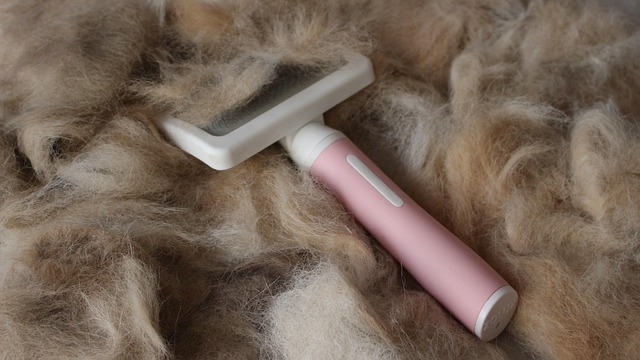
The double coat of the Great Pyrenees German Shepherd mix is beautiful but requires diligent grooming. These dogs are moderate to heavy shedders, with particularly intense shedding periods, or ‘blowouts,’ typically occurring twice a year. Regular brushing is essential to manage shedding and prevent matting. Aim to brush your Shepherd-nees at least 2-3 times a week, and daily during shedding seasons.
A sturdy slicker brush or an undercoat rake can be effective for removing loose hair from both the outer coat and the dense undercoat. Brushing should be done thoroughly, working from the skin outwards, paying attention to areas prone to matting, such as behind the ears, under the legs, and around the tail. Consistent grooming not only keeps the coat healthy and reduces hair around the house but also provides an excellent opportunity to check for any skin issues, parasites, or lumps.
Bathing is usually only necessary every few months or when the dog becomes particularly dirty. Use a dog-specific shampoo to avoid stripping natural oils from the coat. After bathing, ensure the dog is thoroughly dried, as trapped moisture can lead to skin irritation or ‘hot spots.’ Professional grooming services can be helpful, especially for managing the thick undercoat during shedding seasons. A professional groomer in Denver, Colorado, notes that regular de-shedding treatments can significantly reduce home shedding by up to 70% when performed consistently year-round.
Nail trimming, ear cleaning, and dental care should also be part of the regular grooming routine. Long nails can cause discomfort and affect gait, while regular ear cleaning can prevent infections, especially in dogs with floppy ears. Brushing teeth several times a week helps maintain dental hygiene and prevent gum disease.
Living with a Shepherd-nees: Real-World Scenarios
Bringing a Great Pyrenees German Shepherd mix into your home is a significant commitment, and understanding real-world scenarios can help potential owners prepare. These dogs are best suited for homes with ample space, ideally with a securely fenced yard where they can patrol and play safely. Apartment living is generally not recommended due to their size and energy levels, although exceptions can be made for highly active individuals who can provide extensive daily exercise and mental stimulation outside the home.
In a family setting, a well-socialised Shepherd-nees can be an excellent companion. Their protective nature makes them vigilant around children, and their patience, inherited from the Great Pyrenees, can be a wonderful asset. However, their sheer size means supervision is always recommended around very young children to prevent accidental bumps or knocks. For instance, the Miller family in Wisconsin found their Shepherd-nees, ‘Duke’, to be a patient playmate for their three young children, always staying close but never being overly boisterous with them.
Their guarding instincts mean they may be naturally wary of strangers or unusual noises. This is a positive trait for a guardian but requires careful management. If you live in a busy neighbourhood or have frequent visitors, consistent training on how to greet guests calmly is essential. They also tend to bark to alert their family to perceived threats, which can be a concern for close neighbours if not managed through training.
Potential owners should also consider their exercise commitment. A Shepherd-nees left alone for long periods without adequate stimulation is likely to develop behavioural issues. If your lifestyle involves long working hours away from home, this breed may not be the best fit unless you can arrange for significant daily exercise and attention, perhaps through dog walkers or doggy daycare.
Common Mistakes to Avoid When Owning a Shepherd-nees
Several common mistakes can lead to difficulties when owning a Great Pyrenees German Shepherd mix. One of the most prevalent is underestimating their size and strength. These dogs grow into powerful adults, and a lack of early training can result in a large, unruly dog that’s difficult to manage. Proper obedience training and continued reinforcement are non-negotiable.
Another frequent error is neglecting socialisation. Both parent breeds have strong guarding instincts. If a Shepherd-nees is not exposed to a wide variety of people, places, and other animals from a young age, they can develop fear-based aggression or excessive territoriality. This is particularly true for the German Shepherd’s tendency to be naturally wary of unfamiliar individuals.
Underestimating their exercise and mental stimulation needs is also a significant mistake. Boredom can lead to destructive behaviour. A Shepherd-nees that isn’t given enough to do will find its own ‘job,’ which often involves chewing furniture or digging up the garden. Providing engaging activities daily is crucial for their well-being and your peace of mind.
Finally, owners sometimes make the mistake of assuming they can handle such a large and intelligent breed without seeking professional guidance. While many Shepherd-nees are well-behaved with consistent training, seeking help from a qualified dog trainer or behaviourist for specific challenges, such as leash reactivity or excessive barking, can make a world of difference. A family in London discovered that their Shepherd-nees, ‘Shadow’, exhibited strong prey drive towards smaller animals. Consulting a behaviourist helped them implement a management plan and training regime that allowed them to safely introduce a cat into their household, a step they hadn’t thought possible.
Expert Insights and Tips for Shepherd-nees Owners
Expert advice for Great Pyrenees German Shepherd mix owners often centres on understanding and managing their dual nature. ‘The key is to harness the German Shepherd’s eagerness to work while respecting the Great Pyrenees’ independent guardian spirit,’ notes Dr. Anya Sharma, a canine behaviourist who has worked extensively with large breeds. This means providing clear boundaries and consistent training, but also allowing them some autonomy.
One practical tip is to invest in sturdy, high-quality training equipment. A strong leash, a well-fitting harness or collar, and durable chew toys are essential. For training, consider using a clicker for precise communication, as the German Shepherd component often responds well to clear, consistent cues. Positive reinforcement should always be the primary method, rewarding desired behaviours promptly. For example, rewarding a Shepherd-nees for remaining calm when the doorbell rings can reinforce good manners.
Another crucial tip involves preparing for their size. Ensure your home is ‘dog-proofed’ for a large breed. This means securing electrical cords, keeping valuable or chewable items out of reach, and ensuring any outdoor spaces are escape-proof. Many owners find that a reinforced fence, at least 6 feet tall, is necessary to contain a determined Shepherd-nees, especially given the Great Pyrenees’ history of roaming.
Finally, remember that these dogs can be sensitive to their owner’s emotions. If you are stressed or anxious, your Shepherd-nees may pick up on it. Maintaining a calm, confident presence will help your dog feel secure and well-adjusted. Consider the breed’s potential for guarding and ensure they are not left unsupervised with small children or other pets if there are any concerns about their behaviour. As of 2026, many veterinary clinics are offering specialised wellness plans for large breeds, which can help manage the cost of regular check-ups and preventative care.
Frequently Asked Questions
Are Great Pyrenees German Shepherd mixes good family dogs?
Yes, Great Pyrenees German Shepherd mixes can be excellent family dogs, especially when properly socialised and trained from a young age. They tend to be loyal, protective, and patient with children, inheriting the gentle nature of the Great Pyrenees and the devoted disposition of the German Shepherd. Their large size requires supervision around very young children.
How much exercise does a Shepherd-nees need daily?
A Shepherd-nees requires a significant amount of exercise, typically 60 to 90 minutes per day. This should include brisk walks, vigorous play, and mental stimulation like puzzle toys or training sessions. Insufficient exercise can lead to boredom and destructive behaviour in these intelligent, energetic dogs.
What is the average lifespan of a Great Pyrenees German Shepherd mix?
The average lifespan for a Great Pyrenees German Shepherd mix is generally between 8 to 12 years. This is typical for large dog breeds. Factors such as genetics, diet, exercise, and overall veterinary care play a significant role in their longevity.
Are Shepherd-nees dogs prone to barking?
Yes, Shepherd-nees can be prone to barking. This is a characteristic inherited from both parent breeds; the Great Pyrenees are natural watchdogs that alert to any perceived threat, while German Shepherds are also vigilant. Consistent training to differentiate between appropriate alerts and unnecessary barking is important.
How much do Great Pyrenees German Shepherd mix puppies typically cost?
The cost of a Great Pyrenees German Shepherd mix puppy can vary widely, typically ranging from £800 to £2,000 (or approximately $1,000 to $2,500 USD) from a reputable breeder. Factors influencing price include the breeder’s reputation, location, health testing of parent dogs, and demand for the breed.
Do Shepherd-nees dogs shed a lot?
Yes, Shepherd-nees dogs are significant shedders due to their dense double coats. They shed moderately year-round and experience heavier shedding periods twice a year. Regular, consistent grooming, including daily brushing during shedding seasons, is essential to manage loose hair.
Conclusion: Is the Shepherd-nees Your Ideal Companion?
The Great Pyrenees German Shepherd mix, or Shepherd-nees, is a magnificent hybrid breed that offers a unique blend of guardian instincts, intelligence, and loyalty. They possess the potential to be devoted family protectors and loving companions for active households prepared to meet their considerable needs for training, socialisation, exercise, and grooming. Potential owners must be realistic about their size, energy levels, and potential health concerns. By understanding and honouring the distinct traits inherited from both parent breeds, and committing to consistent, positive training and care, you can forge a strong bond with a truly remarkable dog.
Information current as of May 2026; pricing and product details may change.
Editorial Note: This article was researched and written by the Pet Magazine editorial team. We fact-check our content and update it regularly. For questions or corrections, contact us.
Related read: Belgian Malinois Brindle: Fact vs. Fiction in 2026.
Related read: Pomeranian Dog Breed Price: What to Expect in 2026
Related read: Can Dogs Eat Salami? A Detailed Look in 2026.