The Enigmatic Brindle Belgian Malinois: Separating Fact from Fiction in 2026
This guide covers everything about belgian malinois brindle. The image of a Belgian Malinois with a brindle coat is one that captivates many dog enthusiasts, conjuring visions of a unique and striking canine. However, as of June 2026, the reality of a ‘brindle Belgian Malinois’ is a topic that often leads to confusion and misinformation. Unlike many other dog breeds where brindle is a standard and cherished pattern, for the Belgian Malinois, it’s a pattern that falls outside the official breed standards. This guide delves into the specifics of Belgian Malinois coat colours, the genetics behind brindle patterns, and what it means for breed authenticity and owner expectations.
Last updated: June 5, 2026
Key Takeaways
- Official breed standards for the Belgian Malinois don’t recognise the brindle coat pattern.
- The commonly accepted colours are fawn, red, or mahogany, with a black mask and overlay.
- Genetic variations can sometimes lead to unusual colour expressions, but these are not considered standard.
- A dog exhibiting a true brindle pattern is unlikely to be a purebred Belgian Malinois.
- Focus on temperament, health, and lineage when choosing a Malinois, rather than non-standard colour variations.
Understanding the Belgian Malinois’s Standard Coat
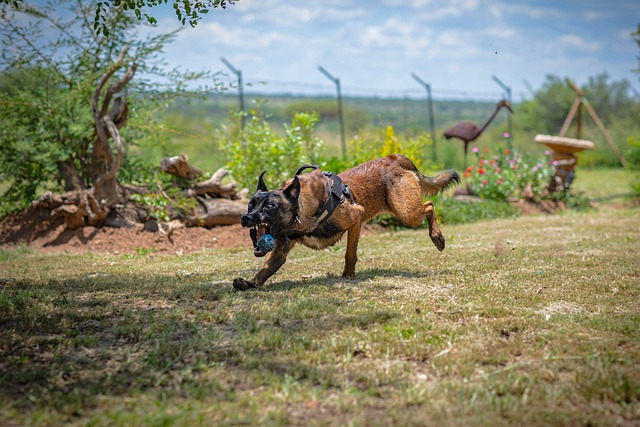
The Belgian Malinois is renowned for its distinctive appearance, which includes a short, dense coat that typically presents in shades of fawn, red, or mahogany. These colours are not just superficial; they are deeply rooted in the breed’s history and genetic makeup, as defined by major kennel clubs worldwide. A defining feature across these accepted colours is the black mask that graces the dog’s face, along with black tips on the hairs of the ears and muzzle, and often a black overlay across the back and tail. This combination creates a sharp, noble, and alert expression that’s characteristic of the breed.
The FCI (Fédération Cynologique Internationale) and the AKC (American Kennel Club) standards are quite specific about the ideal colouration. They describe a short coat, typically fawn to mahogany, with a black mask and black ears. The intensity of the fawn or mahogany can vary, but it should always be present, providing a warm base for the striking black markings. Any deviation from this, such as a solid black coat or a coat with excessive white, is generally considered a fault or disqualification according to strict breed standards.
The Science of Brindle: What It Means for Canines
Brindle is a coat pattern characterised by alternating stripes of dark and light hair. In canines, this pattern is primarily caused by the expression of a specific gene known as the ‘K’ locus. This locus has several alleles, with ‘ky’ (non-agouti) allowing the expression of underlying base colours to form brindle stripes. The ‘brindle’ allele (Kbr) is dominant over the recessive ‘non-brindle’ allele (ky). When a dog inherits at least one copy of the Kbr allele, it can express the brindle pattern, provided it also has the necessary base coat colour underneath.
The intensity and distinctness of the brindle stripes can vary significantly, influenced by other genes that control the base colours (like red, brown, or black) and the distribution of pigment. For instance, a brindle dog with a red base colour might appear as a reddish-brown with darker red or brown stripes. If the base colour is black, the stripes will be a lighter shade against the black, often appearing as grey, tan, or even a diluted brown. This genetic mechanism is what gives breeds like Boxers, Bull Terriers, and Greyhounds their characteristic striped coats.
Why Brindle Isn’t a Standard Belgian Malinois Colour
The primary reason brindle is not a recognised colour in Belgian Malinois is historical and breed standard-based. Kennel clubs based on establishs breed standards the historical appearance and perceived ideal traits of a breed. For the Belgian Malinois, the development and recognition of the breed focused on the fawn to mahogany coat with black mask and overlay. These specific colourations were deemed characteristic and desirable for the breed’s working heritage, believed to offer camouflage and a distinctive working appearance.
Over generations of selective breeding, breeders have focused on maintaining and refining these specific colours. While genetic mutations can occur in any breed, leading to unusual colour expressions, the Belgian Malinois community and its governing bodies have not embraced or standardised the brindle pattern. Therefore, any Belgian Malinois exhibiting a true brindle pattern is generally considered to be outside the breed’s accepted standard. This doesn’t necessarily diminish the dog’s quality as a companion or working animal, but it does impact its standing in conformation shows and according to breed purists.

Accepted Belgian Malinois Colours and Markings Explained
The accepted colours for Belgian Malinois are clear and well-defined: fawn to mahogany. Within this spectrum, there’s a range of shades that are considered desirable. Lighter fawns, rich reds, and deep mahoganies are all acceptable. The key is that the colour should be warm and well-defined, not muted or washed out.
The amount of black pigment, known as black mask and black overlay, is also crucial. A well-defined black mask is a hallmark of the breed, extending over the muzzle and up to the eyes. The black overlay, where black tips of hair are interspersed with the base colour, should be present on the ears, back, and tail, giving the dog a ‘masked’ or ‘shaded’ appearance.
The FCI standard, for instance, specifies that the coat should be relatively short, dense, single-layered, and straight, lying close to the body. The colour should be fawn to mahogany, varying in shade. The black mask should be distinct. A small amount of white is permissible on the chest or toes, but extensive white markings are considered a fault. These specific colour and marking requirements ensure uniformity and recognisability of the breed across different lines and countries, reinforcing its identity as a working dog breed.
Worth noting, some Malinois might appear to have a darker, almost charcoal-like appearance due to a heavy black overlay, but the underlying colour should still be discernible as fawn or mahogany. This can sometimes be mistaken for a variation that borders on brindle, but it’s technically a heavy pigmentation rather than a striped pattern. The American Belgian Malinois Club, adhering to AKC standards, echoes these colour requirements, emphasising the fawn to mahogany with black mask and overlay as the only acceptable colours.
Genetic Variations and Potential ‘Look-Alikes’
While brindle is not a standard colour, genetics can be complex. Occasionally, dogs that are primarily Belgian Malinois might exhibit unusual colourations due to recessive genes or crossbreeding. A dog that appears brindle might be a Malinois with a very strong pattern of black overlay on a fawn coat, or it could be a mixed breed. Breeds like the Dutch Shepherd share a common ancestry and a similar working heritage with the Malinois, and Dutch Shepherds commonly exhibit brindle coats. It’s possible for a dog advertised as a Belgian Malinois to be a crossbreed involving a Dutch Shepherd or another brindle-patterned breed.
Another possibility is that the term ‘brindle’ is being used loosely by owners or breeders to describe a Malinois with a very dark, heavily masked, or ‘sable’ appearance, which can sometimes have streaks of dark pigment that might be misconstrued as brindle by the untrained eye. Sable, a pattern where the tips of the hairs are black, can occur in some Malinois lines, and when combined with a fawn base, it can create a darker, more complex look. However, this is distinct from true brindle, which involves stripes of alternating colour across the hair shaft itself.
In real terms, if you encounter a dog that’s unequivocally brindle and presented as a Belgian Malinois, it’s crucial to investigate its lineage. Reputable breeders will be transparent about the dog’s parentage and adhere to breed standards. The Belgian Shepherd Dog Club of America (BSDCA), which represents the breed in the US, emphasises that only the specified colours are standard, and any deviation suggests a lack of pure breeding or a misunderstanding of the breed standard.

Identifying a Purebred Belgian Malinois: Beyond Coat Colour
When seeking a Belgian Malinois, focusing solely on coat colour can be misleading, especially concerning non-standard patterns like brindle. The true markers of a purebred Belgian Malinois lie in their conformation, temperament, and lineage. Purebred Malinois typically possess a well-muscled, athletic build, with a proud carriage and an alert, intelligent expression. They are known for their courage, dedication, and high drive, making them excellent working dogs in fields such as police work, protection, search and rescue, and competitive dog sports.
A responsible breeder will provide documentation of the puppy’s pedigree, showing the lineage of both parents and often several generations back. This pedigree is crucial for verifying the dog’s breed status. Temperament is also a key indicator. While individual personalities vary, purebred Malinois exhibit a consistent level of intelligence, trainability, and energy. They are naturally protective and can be reserved with strangers, but they are loyal and devoted to their families when properly socialised and trained.
The Belgian Malinois Club of America (BMCA) offers resources for prospective owners, highlighting the importance of meeting breed standards not just in appearance but also in temperament and health. If a breeder is advertising ‘brindle Belgian Malinois’ as a standard or desirable trait, it’s a significant red flag. It suggests a lack of understanding of the breed or, worse, an attempt to pass off a mixed-breed dog as a purebred. Always seek out breeders who are members of official breed clubs and who actively participate in conformation shows or working trials, as these individuals are typically knowledgeable and committed to upholding the breed standard.
Rarity, Cost, and What to Expect
Genuine Belgian Malinois puppies from reputable breeders typically range in price from approximately $1,500 to $4,000 USD, depending on the breeder’s reputation, the puppy’s lineage, and its potential for show or work. Prices can fluctuate based on demand and geographical location. As of June 2026, there isn’t a specific price point for a ‘brindle Belgian Malinois’ because they are not recognised and therefore not typically bred for or sold as such. If a breeder is offering a ‘brindle Belgian Malinois’ at a premium price, it’s a strong indicator of a non-standard or mixed-breed animal.
The rarity of a true brindle Belgian Malinois is essentially zero within the confines of the official breed standard. The rarity associated with the breed itself stems from its demanding nature. Belgian Malinois are not suited for novice owners; they require experienced handlers who can provide consistent training, ample exercise, and mental stimulation. Their high energy levels and strong protective instincts mean they thrive in active households where they have a job to do, whether that’s in a working capacity or as a highly engaged family pet.
For those specifically seeking a brindle-patterned dog, there are many other breeds where brindle is a standard and beautiful colouration, such as the Dutch Shepherd, Boxer, Greyhound, and Cane Corso. These breeds offer different temperaments and needs that might be a better fit for owners attracted to the brindle pattern, while still aligning with recognised breed characteristics. Focusing on a breed that naturally exhibits the desired coat colour ensures you are acquiring a dog true to its breed standard and lineage.

Health and Temperament: Prioritising What Matters
Regardless of coat colour, the Belgian Malinois is a breed known for its strong health and strong temperament. However, like all purebred dogs, they can be predisposed to certain genetic health conditions. These include hip and elbow dysplasia, progressive retinal atrophy (PRA), and certain cardiac issues. Reputable breeders will screen their breeding stock for these conditions, providing health clearances for the parents and often for the puppies themselves. This commitment to health testing is a vital part of responsible breeding and helps ensure you are bringing home a healthy companion.
The temperament of a Belgian Malinois is what truly defines them. They are highly intelligent, sensitive, and energetic dogs that thrive on having a purpose. Their high drive and eagerness to please make them incredibly trainable, but they require early and consistent socialisation and firm, fair training methods. Without adequate socialisation, they can become overly reserved or reactive to new people, environments, or other animals. Their intense energy means they need significant daily exercise and mental challenges to prevent boredom and potential behavioural issues.
When considering a Belgian Malinois, whether you’re drawn to a standard fawn, red, or mahogany coat, or perhaps have a passing interest in unusual variations, always prioritise health and temperament. A dog’s colour is a superficial trait; its health, disposition, and suitability for your lifestyle are paramount. Choosing a dog from a breeder who prioritises genetic health, provides thorough socialisation, and understands the breed’s demanding needs will lead to a more rewarding experience for both you and the dog.
Common Misconceptions and Mistakes to Avoid
One of the most common misconceptions is the existence of a standard ‘brindle Belgian Malinois’. As we’ve established, this is not recognised by breed standards. A mistake owners often make is underestimating the Malinois’s energy and training needs. These dogs are not lap dogs; they are powerful working animals that require significant commitment in terms of time, training, and exercise. Failing to meet these needs can lead to destructive behaviour, anxiety, or aggression.
Another mistake is assuming that because a dog looks like a Malinois, it must be one, particularly if it displays a non-standard colour like brindle. Many mixed-breed dogs can resemble purebreds. It’s essential to verify a dog’s lineage through proper registration papers and to be wary of sellers who can’t provide them or who promote ‘rare’ or ‘unusual’ colours at inflated prices. The pursuit of a specific, non-standard colour can sometimes lead individuals to bypass ethical breeders and compromise on the health and genetic integrity of the dog.
And, expecting a Malinois to be a suitable pet for a sedentary household or a first-time dog owner is a significant error in judgment. Their intensity, intelligence, and drive require an experienced handler who can channel their abilities constructively. Investing time in research, visiting reputable breeders, and understanding the breed’s true characteristics are crucial steps to avoid disappointment and ensure a harmonious relationship.
Tips for Finding a Healthy Belgian Malinois
When searching for a Belgian Malinois, focus on breeders who are passionate about the breed and adhere to the official standards. Look for breeders who are members of recognised breed clubs, such as the American Belgian Malinois Club or the United States Belgian Tervuren Club (which also covers Malinois standards in some contexts), and who participate in conformation shows or working trials. These breeders are typically invested in the health and temperament of their dogs.
Ask potential breeders about their health testing protocols. They should be able to provide proof of genetic health screenings for conditions like hip and elbow dysplasia, eye conditions, and cardiac issues for the parent dogs. They should also be transparent about the temperament and working drive of their lines, helping you choose a puppy that’s a good fit for your experience level and lifestyle. A responsible breeder will also ask you many questions to ensure you are a suitable owner for a Malinois.
Never purchase a puppy from a breeder who can’t provide pedigree information, who advertises ‘rare’ or ‘unique’ colours like brindle Belgian Malinois as a special feature, or who seems more interested in making a sale than in ensuring a good match. Trust your instincts; if something feels off, it probably is. Opting for a standard-coloured Malinois from a reputable source guarantees you are getting a dog true to its breed, with a higher likelihood of good health and a stable temperament, ready for the challenges and joys of life with an experienced handler.
Frequently Asked Questions
Are brindle Belgian Malinois real dogs?
While dogs with brindle coats exist, a purebred Belgian Malinois with a standard brindle pattern is not recognised by breed standards. Any dog presented as a brindle Belgian Malinois is likely either a mixed breed or has a colouration that’s a non-standard variation.
What are the accepted colours for a Belgian Malinois?
The accepted colours for Belgian Malinois are fawn to mahogany, always accompanied by a black mask and black overlay. Variations in the shade of fawn or mahogany are acceptable, but brindle is not.
Can a Belgian Malinois have brindle markings?
True brindle markings, characterised by alternating stripes of dark and light hair, are not considered standard or acceptable in Belgian Malinois according to breed registries.
Why would a breeder sell a ‘brindle Belgian Malinois’?
Breeders selling ‘brindle Belgian Malinois’ are likely either misinformed about breed standards, knowingly selling mixed breeds, or using the term loosely to describe dogs with heavy black overlay or sable patterns.
Are brindle Belgian Malinois puppies more expensive?
Since brindle is not a recognised colour, there’s no standard price for a ‘brindle Belgian Malinois’. If a breeder charges a premium for such a dog, it’s a strong indication that the dog is not a purebred Malinois according to breed standards.
What breeds are similar to Malinois and come in brindle?
Breeds like the Dutch Shepherd, Boxer, Greyhound, and Cane Corso are similar in some aspects to the Malinois and commonly exhibit brindle coats. These breeds might be a suitable alternative if you are specifically looking for the brindle pattern.
Conclusion: Focus on Breed Integrity
The allure of a brindle Belgian Malinois is understandable, given the striking nature of the brindle pattern. However, for those seeking an authentic Belgian Malinois, it’s essential to understand and adhere to the breed’s established standards. The recognised colours of fawn to mahogany, with a distinct black mask and overlay, are what define the breed’s appearance. While genetic variations can occur, true brindle is outside the standard and often points to a mixed lineage.
As of June 2026, prospective owners should prioritise finding a healthy, well-tempered Belgian Malinois from a reputable breeder who champions breed standards. Focus on the dog’s overall health, temperament, and lineage rather than seeking out non-standard coat colours. By doing so, you ensure you are acquiring a genuine representative of this incredible working breed, ready to be a loyal and capable companion for years to come.
Last reviewed: June 2026. Information current as of publication; pricing and product details may change.
Related read: The African Ridgeback Dog: Your 2026 Complete Guide
Editorial Note: This article was researched and written by the Pet Magazine editorial team. We fact-check our content and update it regularly. For questions or corrections, contact us. Knowing how to address belgian malinois brindle early makes the rest of your plan easier to keep on track.