Cat breeds vary dramatically in coat type, energy level, vocalization, and care needs. They range from calm, lap-loving companions to high-energy, vocal animals. Choosing the right breed requires matching a feline’s distinct temperament, grooming demands, and genetic health predispositions to your daily routine, living space, and budget.
For many households, bringing a cat home is driven by affection and a desire for companionship. However, overlooking the subtle physical and behavioural differences between distinct cat breeds can lead to a mismatch between an animal’s daily requirements and what you can comfortably provide. Beyond basic physical traits like coat color or face shape, breed traits influence activity patterns, social independence, noise levels, and long-term veterinary care. Understanding these factors is the essential first step in finding a cat whose lifestyle fits smoothly into your home.
How do cat breeds differ in temperament and activity?
Personality varies among individual cats, but breed genetics establish predictable baseline behaviours. Knowing whether a breed leans toward high activity, relaxed companionship, or intense social interaction helps set realistic expectations for daily life.
High-energy active breeds
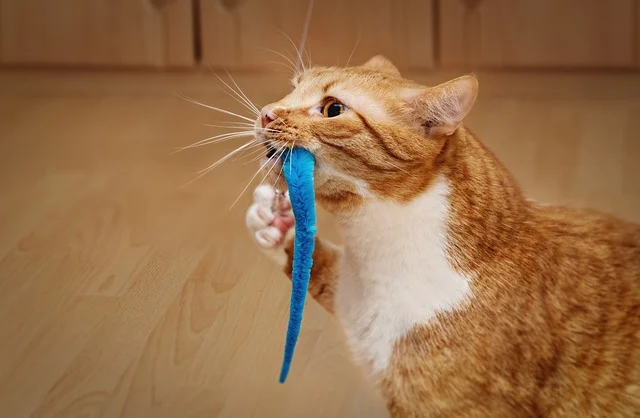
Breeds like the Bengal and Abyssinian possess intense physical drive and high intelligence. Bengals maintain active hunting instincts and require daily mental stimulation through climbing trees, interactive puzzle toys, and agility games. Many Bengals enjoy playing with running water. Without structured exercise and vertical territory, athletic cats can develop unwanted habits like door-darting or scratching furniture. To help keep energetic indoor cats engaged, see British Blue Cat Food: What Your Regal Companion Needs for environmental enrichment ideas.
Relaxed, sedentary companions
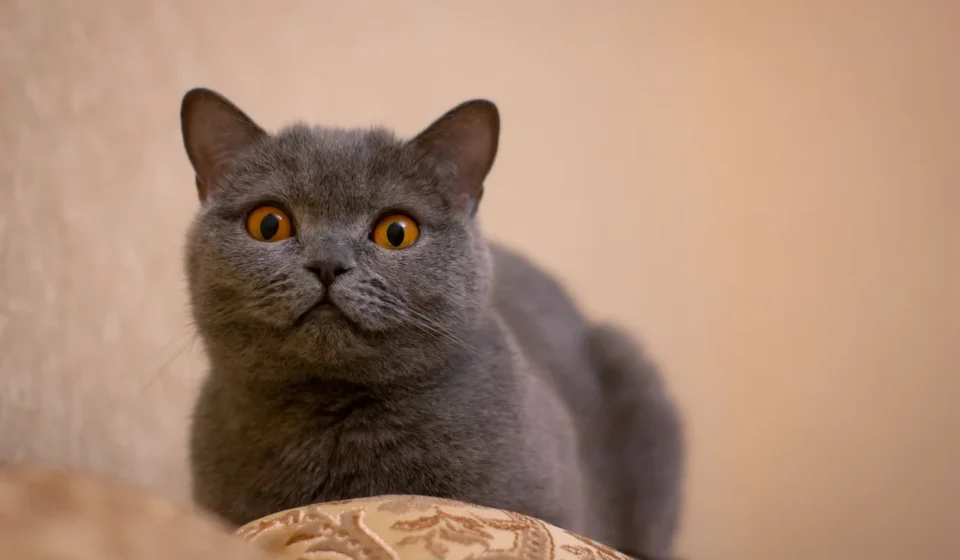
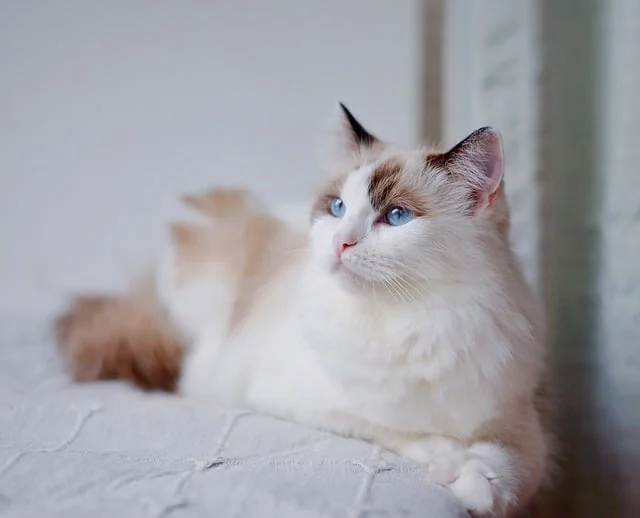
If you prefer a calm, easygoing presence, breeds like the Ragdoll, British Shorthair, and Persian offer a balanced, low-intensity companion. Ragdolls are famous for their docile nature. They often relax fully when held and enjoy gentle floor play over energetic jumping. British Shorthairs display a quiet, self-contained affection. They prefer to lounge on a soft chair nearby rather than requesting constant active play.
Social and highly vocal breeds
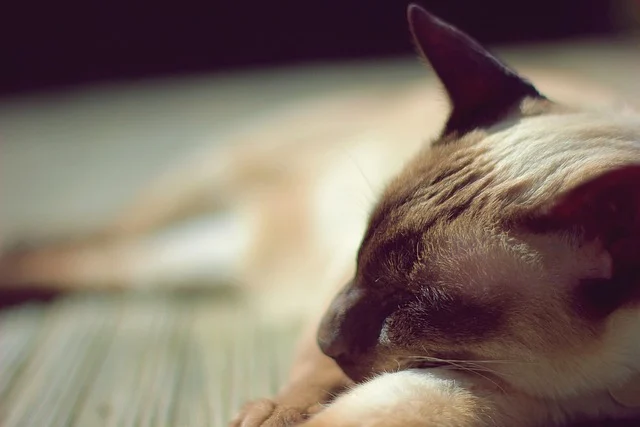
Siamese and Oriental Shorthair cats seek frequent social contact and express themselves with loud, distinct vocalizations. Siamese cats form intense bonds with family members, often following owners from room to room and speaking continuously. Because they rely heavily on companionship, they can experience stress or separation anxiety if left alone for full workdays without a feline companion or human presence.
Comparing popular cat breeds: Grooming, activity, and living needs
Every breed presents a distinct balance of physical size, coat upkeep, exercise demands, and home suitability. Comparing these key traits side-by-side simplifies choosing a feline that fits your home environment.
| Breed | Typical Weight | Coat Type & Grooming Needs | Energy Level | Ideal Home Environment |
|---|---|---|---|---|
| Ragdoll | 4.5–9 kg | Semi-long coat; brush 2–3 times weekly | Low to Moderate | Calm houses or apartments; great for families |
| Maine Coon | 5.5–11 kg | Heavy double coat; daily brushing required | Moderate | Spacious homes with vertical climbing options |
| British Shorthair | 4–8 kg | Short, dense coat; weekly brushing | Low | Apartments or homes seeking a quiet companion |
| Siamese | 3–5 kg | Short, fine coat; low maintenance | High (Vocal) | Active homes where people are frequently around |
| Bengal | 4–7 kg | Short, pelt-like coat; low maintenance | Very High | Large living spaces with active enrichment |
| Sphynx | 3–5 kg | Hairless; requires weekly warm baths | High | Temperature-controlled indoor environments |
| Russian Blue | 3–5.5 kg | Short, dense double coat; weekly brushing | Moderate | Quiet, predictable households |
What grooming care does each coat type require?
Coat care is one of the most demanding daily responsibilities for cat owners. Underestimating grooming requirements can cause painful skin problems for the cat and unwanted shedding throughout your home.
Long-haired breeds
Persians, Maine Coons, and Norwegian Forest Cats carry thick fur that tangles easily. Grooming these breeds requires wide-tooth metal combs and slicker brushes to remove loose undercoat. This prevents mats from forming near the legs, tail, and stomach. Neglected mats trap moisture against the skin, causing bacterial infections and discomfort. Owners must commit 10 to 15 minutes every day to brush long-haired cats thoroughly.
Hairless and rex coats
Hairless breeds like the Sphynx lack fur to absorb natural body oils. These oils accumulate on skin folds, requiring sponge baths or gentle warm water washing every 1 to 2 weeks. They also need regular ear cleaning to remove dark wax buildup. Cornish Rex and Devon Rex cats possess short, wavy coats that shed minimally. However, their skin remains sensitive and requires soft brush grooming to distribute natural oils evenly without causing irritation.
Low-maintenance short coats
Abyssinians, Russian Blues, and American Shorthairs feature dense, close-fitting coats that shed moderately. A brief brush once a week removes dead fur, keeps hair off furniture, and reduces hairballs. These breeds are ideal if you want an easy-care coat that does not require professional grooming sessions.
Which cat breeds suit small spaces and apartment living?
Living space directly impacts how comfortable a cat feels. Floor area and ceiling height determine whether active breeds can expend energy naturally or become stressed from confinement.
Large, muscular breeds like the Norwegian Forest Cat and Maine Coon need sufficient space to move, leap, and stretch. In smaller apartments, heavy athletic cats require tall cat trees, sturdy wall-mounted shelves, and clear floor spaces to run. Without adequate vertical space, active cats become frustrated and may display disruptive habits.
Sound levels are another essential consideration for apartment dwellers. Oriental Shorthairs and Siamese vocalize forcefully throughout the day, which can easily echo through thin walls and disturb neighbors. Quieter breeds like the Russian Blue, American Curl, and British Shorthair make softer vocal sounds, making them far better suited for peaceful apartment living.
Are there truly hypoallergenic cat breeds?
Many prospective owners look for hypoallergenic cat breeds to avoid sneezing, watery eyes, or asthma symptoms. However, feline allergies are triggered primarily by the Fel d 1 protein, which is secreted in a cat’s saliva, skin glands, and urine rather than by fur alone.
When a cat licks its coat during grooming, saliva dries on the fur. This breaks down into fine airborne dander. Breeds like the Siberian naturally produce lower concentrations of the Fel d 1 protein in their saliva. This allows some sensitive owners to live comfortably with them. Hairless breeds like the Sphynx shed less airborne dander because they lack fur. However, they still produce skin oils and saliva containing the protein.
According to the Asthma and Allergy Foundation of America (AAFA) (2025), allergen production varies significantly between individual cats, regardless of breed. Spending time in person with a specific adult cat or kitten before adopting is the only reliable way to test your individual allergic reaction.
What genetic health issues affect purebred cats?
Purebred cat lines carry specific genetic traits that require careful screening and ongoing veterinary attention. Knowing these predispositions helps you select healthy kittens and plan future veterinary care.
The Scottish Fold carries a specific gene mutation responsible for its folded ears, known as osteochondrodysplasia. This condition also affects bone and cartilage structure throughout the rest of the body. It leads to painful joint abnormalities, stiff ankles, and impaired mobility as the cat ages. Because of these chronic discomfort risks, prospective owners must evaluate the welfare trade-offs before choosing this breed.
Maine Coons and Ragdolls show higher inherited risks for hypertrophic cardiomyopathy (HCM). This genetic condition thickens the heart muscle walls and restricts blood flow. According to the Cornell University College of Veterinary Medicine (2025), HCM is a common heart disease across domestic cats. However, specific genetic lines within Maine Coons carry elevated risk. Maine Coons are also susceptible to hip dysplasia due to their heavy bone structure. Ethical breeders test parent cats using DNA screening and cardiac ultrasound (echocardiograms) before breeding to reduce these risks.
What should you know about rare and developing cat breeds?
Beyond established purebreds, emerging and rare breeds offer distinct physical appearances and playful temperaments. A primary example is the Lykoi, often called the ‘werewolf cat’, which possesses a roan coat pattern with missing fur around its eyes, nose, muzzle, and ears caused by a natural hair follicle mutation.
As of July 2026, international feline organizations like The International Cat Association (TICA) continuously evaluate developing breeds. They establish clear health standards, registry status, and breeding guidelines. Acquiring rare breeds usually involves long breeder waiting lists and substantially higher initial costs. Because developing breeds have fewer generations of long-term health records, researching breeder ethics and requesting complete parent health records is vital before placing a deposit.
How to choose the right cat breed: Step-by-step evaluation
Finding the right feline companion requires systematically evaluating your home environment, schedule, and expectations. Follow these practical steps to choose the best cat breed for your life:
- Assess your daily schedule: Determine how many hours your home is empty each day. Busy professionals suit self-sufficient breeds like the British Shorthair. People working from home can support companion-focused breeds like the Siamese.
- Evaluate indoor space and vertical height: Measure floor area and wall space for cat trees or window perches. High-energy climbers like the Bengal require dedicated exercise space, while lap cats thrive in smaller rooms.
- Calculate grooming time and routine costs: Decide whether you can spend 15 minutes daily combing a Persian or bathing a Sphynx every two weeks. Factor professional grooming and specialized shampoo into your monthly budget.
- Verify health screenings with breeders: When purchasing purebred kittens, ask breeders for certified documentation showing parent testing for conditions like HCM, polycystic kidney disease (PKD), or hip dysplasia.
- Visit local shelters and breed rescues: Consider adoptable adult cats and non-pedigree domestic shorthairs or longhairs. Mixed-breed cats often display strong health resilience and varied, loving personalities.
Common mistakes to avoid when picking a cat breed
Selecting a cat based solely on coat color or attractive facial features is a frequent mistake. A long-haired Persian may look striking. However, if work demands prevent daily combing, matted fur will quickly compromise the cat’s health. Similarly, adopting a Bengal for its leopard-like coat without providing athletic play outlets leads to frustration for both owner and pet.
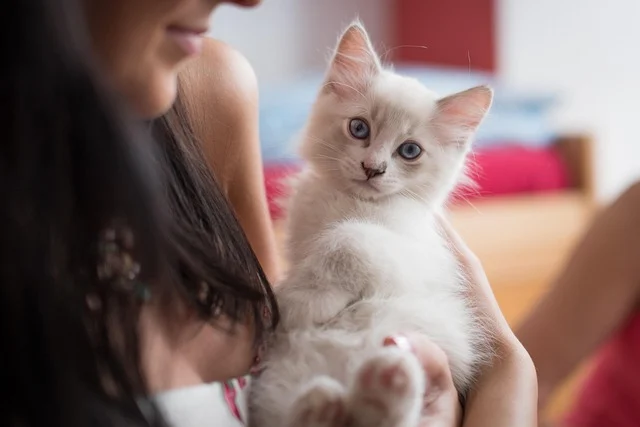
Another common mistake is assuming every cat adheres strictly to breed stereotypes. While breed averages outline general traits, individual personalities vary based on early socialization, home environment, and personal history. Meeting adult cats or kittens in person gives you the clearest picture of their true behavior.
Finally, non-pedigree domestic cats (often called Domestic Shorthairs or Domestic Longhairs) make up the majority of rescued felines. These cats possess natural genetic diversity (hybrid vigor), which reduces inherited genetic health risks while providing energetic, affectionate companionship.
Frequently asked questions
What is the most popular cat breed in 2026?
The Maine Coon ranks first in the CFA's 2026 list, with the Ragdoll remaining exceptionally popular in second place due to its docile temperament and affectionate nature. [moderncatsociety.com] Breeds like the Maine Coon and British Shorthair also consistently rank high in popularity for their adaptability and striking appearance.
Are there any truly hypoallergenic cat breeds?
No cat breed is completely hypoallergenic, but breeds like the Siberian produce lower levels of the Fel d 1 protein, while Sphynx cats lack fur to hold dander. Because individual allergen output varies, you should spend time with a specific cat before bringing them home.
Which cat breeds are best suited for families with young children?
Breeds known for patient, calm temperaments—such as the Ragdoll, Maine Coon, and American Shorthair—are generally excellent choices for family homes. Their tolerant nature allows them to handle playful interactions easily when properly socialized.
What are some of the most independent cat breeds?
The Russian Blue, British Shorthair, and Persian are recognized for their independent nature. While they enjoy quiet affection, they are content entertaining themselves during the day without requiring constant human interaction.
Which cat breeds are known for being very vocal?
Siamese and Oriental Shorthair cats are famous for frequent, loud vocalizations to communicate with their owners. Bengals and Abyssinians are also expressively vocal, particularly when soliciting play or attention.
How does breed affect a cat’s lifespan?
Overall lifespan depends on nutrition, care, and genetics, but smaller, less extreme physical breeds often live into their late teens or early twenties. Breeds with severe inherited health conditions may face shorter average lifespans unless careful genetic screening is practiced.