A Captivating Glimpse of the Wild The allure of a serval cat is undeniable. With their tall, slender bodies, enormous ears, and strikingly spotted coats, they evoke a sense of untamed wilderness. Many are drawn to the idea of owning such a magnificent creature, imagining a unique companion unlike any domestic feline. However, as of July 2026, bringing a serval cat into your home is a decision that requires profound consideration and a deep understanding of their wild heritage. While undeniably beautiful, serval cats are not simply larger domestic cats. They possess complex needs rooted in their African savanna origins, demanding a commitment far beyond that of a typical house pet. This article will explore what it truly means to own a serval cat, exploring their behaviour, dietary requirements, housing needs, and the legal and ethical considerations involved.
- Serval cats are wild animals native to Africa, not domesticated pets, requiring specialised care.
- Their diet consists primarily of whole prey, and they have a strong hunting instinct.
- Enclosures must be expansive, secure, and enriched to mimic their natural habitat.
- Legal ownership varies drastically by region, with many areas prohibiting them entirely.
- Serval cats require significant socialization from a young age to manage their wild behaviours.
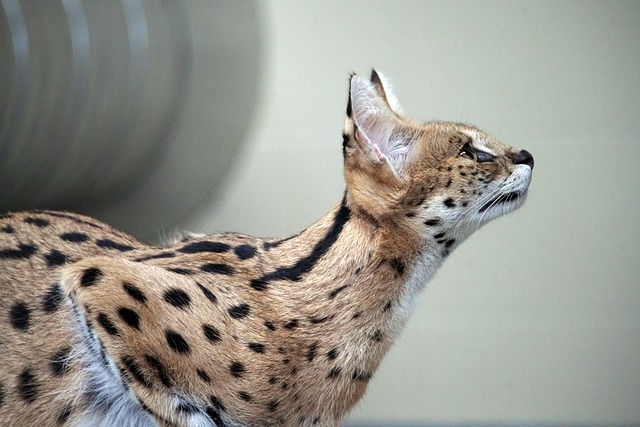
More Than Just a Big Cat The serval (Leptailurus serval) is a medium-sized wild cat native to Africa. Standing up to 24 inches at the shoulder and weighing between 20–40 pounds, they are built for their environment. Their most striking features are their exceptionally long legs – the longest of any cat relative to body size – and their large, highly sensitive ears, which help them locate prey hidden beneath grass or soil. Unlike domestic cats, servals are primarily crepuscular and diurnal hunters, meaning they are active during dawn, dusk, and daylight hours. They are solitary by nature, coming together only for mating. Their natural diet consists of rodents, birds, frogs, insects, and small reptiles, which they hunt with incredible agility, often leaping several feet into the air to pounce on unsuspecting prey. This inherent wildness is crucial to understand when considering them as pets.
Feeding Your Wild Hunter A serval cat’s dietary needs are vastly different from that of a domestic cat. They are obligate carnivores that require a diet of whole prey to thrive. This means feeding them a balanced combination of muscle meat, organs, and bones, mirroring what they would consume in the wild. Common feeding protocols for pet servals involve feeding commercially available whole prey animals like mice, rats, rabbits, and chicks, often supplemented with specific vitamins and minerals to ensure nutritional completeness.
Feeding a serval cat is not for the squeamish or those on a tight budget. Sourcing and preparing whole prey can be challenging and costly. According to reports on exotic pet care, a balanced diet for a serval can easily run into hundreds of pounds per month, depending on the availability and type of prey animals. This is a significant commitment that many potential owners underestimate. In real terms, this means regular trips to specialised suppliers or even raising your own prey animals.
Creating a Savanna in Your Backyard Serval cats require significantly more space than a typical house cat. A small enclosure simply won’t suffice. Experts recommend a large, secure outdoor enclosure that allows for ample running, jumping, and exploring. The enclosure must be tall enough to prevent escape – servals are excellent jumpers – and made of sturdy materials like reinforced mesh or solid fencing. Digging is also a natural behaviour, so the base of the enclosure often needs to be secured or buried to prevent escape.
Inside the enclosure, enrichment is paramount. Providing vertical spaces like platforms, shelves, and sturdy branches encourages climbing and observation. Hiding places, such as sturdy boxes or tunnels, cater to their need for security. Toys that stimulate their hunting instincts, like dangling prey-simulating items or puzzle feeders, are essential for mental stimulation and to prevent boredom-related behavioural issues. Without adequate space and enrichment, a serval cat can become stressed, destructive, or develop stereotypic behaviours, such as pacing.

Navigating Their Wild Instincts The serval cat retains many of its wild instincts, which can manifest in ways that are challenging for domestic pet owners. They are not naturally inclined to be cuddly or affectionate in the way a domestic cat is. While they can form bonds with their owners, their affection is often expressed differently – through playful interactions, following their owner, or bringing ‘gifts’ (which might be prey items).
Socialization from a very young age is critical. Kittens need to be handled extensively and exposed to various sights, sounds, and gentle interactions. However, it’s important to remember that even a well-socialized serval is still a wild animal. They can be unpredictable, prone to sudden bursts of energy, and may react defensively if startled or threatened. They are also known for their distinctive vocalizations, including chirps, hisses, and growls, which differ significantly from domestic cat meows.
Worth noting, servals have a strong scent-marking instinct, which can be difficult to manage. While some owners attempt litter training, it’s not always successful, and they may resort to spraying urine to mark their territory. This is a natural behaviour that owners must be prepared to manage. Is Owning a Serval Cat Legal? The legality of owning a serval cat varies dramatically across the globe and even within countries. In many regions, including numerous US states and cities, owning servals or any exotic cat species is strictly prohibited due to public safety concerns, the potential for escape, and ethical considerations regarding their welfare in captivity.
As of 2026, you must thoroughly research the specific laws in your local area, state, and country before even considering acquiring one. For example, while some US states might permit ownership with special permits or licenses, others have outright bans. In the UK, servals fall under the Dangerous Wild Animals Act 1976, meaning a licence is required from the local authority to keep one, which is typically only granted for specific purposes like zoos or licensed breeding centres, not for private pet ownership.
Acquiring a serval without the proper legal documentation can result in severe penalties, including hefty fines and confiscation of the animal. Beyond legality, there are significant ethical questions. Can a private home truly provide the complex environmental, social, and dietary needs of a wild animal? Many animal welfare organisations and conservationists argue that it can’t. They advocate for servals to remain in their natural habitats or in accredited sanctuaries and zoos that can offer specialised care and contribute to conservation efforts. For those passionate about these cats, supporting conservation organisations is a far more responsible approach than attempting private ownership.
Health Concerns and Longevity Serval cats, like other wild felines, can be susceptible to certain health issues. Parasitic infections, both internal and external, are common and require regular veterinary attention. They can also suffer from dental problems, and their large size can predispose them to joint issues, especially if not provided with adequate space and appropriate diet to maintain a healthy weight. Finding a veterinarian experienced in treating exotic cats, particularly servals, is crucial.
Standard veterinary practices for domestic cats may not be sufficient. These specialised vets can diagnose and treat conditions unique to wild felines and advise on preventative care. According to the Feline Conservation Federation, a well-cared-for serval cat in a suitable captive environment can live for 15 to 20 years. This is a substantial commitment, requiring consistent care and financial resources throughout their long lives. Exploring Hybrids and Other Options The interest in servals has led to the development of serval hybrids, most notably the Savannah cat.
Savannah cats are a cross between a serval and a domestic cat, with early generations (F1, F2) exhibiting more serval-like traits and later generations (F3, F4, F5 and beyond) becoming more domesticated. While Savannah cats are generally more manageable than pure servals and are legal in more places, they still require owners to be aware of their unique needs, which are more demanding than those of a standard domestic cat.
For those captivated by servals but unable to meet the demanding requirements of owning one, or for whom ownership is illegal, there are alternatives. The most responsible way to appreciate these magnificent animals is to support conservation efforts or visit accredited sanctuaries and zoos. These facilities provide expert care, contribute to species preservation, and offer opportunities to observe servals in environments that best meet their needs. Common Pitfalls in Serval Cat Ownership One of the most significant mistakes potential owners make is underestimating the commitment required.
Many are drawn to the exotic appeal without fully grasping the specialised diet, extensive housing, stringent legalities, and complex behavioural needs. This often leads to the serval not receiving adequate care, resulting in behavioural problems, health issues, or the animal being surrendered. Another common error is assuming a serval can be trained like a domestic dog or cat. While some level of training is possible, especially with early socialization, their wild instincts are strong.
Owners may also fail to secure adequate veterinary care, as not all vets are equipped to handle exotic cats. Finally, many overlook the financial implications; the cost of food, specialised housing, veterinary care, and permits can be substantial and ongoing. Expert Advice for the Prospective Owner If you are still considering a serval cat after understanding these demands, seek out reputable breeders or rescue organisations that specialise in these animals.
Engage with experienced serval owners and professionals to gain real-world insights. Be prepared for a lifetime commitment that requires significant financial investment, dedicated time, and a profound respect for the animal’s wild nature. Consider fostering an exotic cat if possible, or volunteering at a sanctuary. Serval cat offers a practical way to understand the daily realities of caring for such animals without the long-term commitment of ownership. As of July 2026, the world of exotic pet ownership is constantly evolving, with increasing scrutiny on animal welfare and public safety.
Ensure you are fully informed about current regulations and best practices before making any decisions. Frequently Asked Questions
Can a serval cat be litter trained?
While some serval cats can be litter trained, it’s not always successful. They have a strong natural instinct to mark their territory with scent, which can include spraying urine or defecating in areas they deem theirs, even if a litter box is present. Consistent training from a very young age is necessary, but success is not guaranteed.
Are serval cats aggressive?
Serval cats are wild animals and can exhibit unpredictable behaviour. While they are not inherently aggressive towards humans, they can become defensive if startled, threatened, or cornered. Their predatory instincts are also strong, and they may view smaller pets as prey. Proper socialization and understanding their body language are crucial to managing their behaviour.
What is the lifespan of a serval cat?
In a well-managed captive environment, a serval cat can live for approximately 15 to 20 years. This long lifespan requires a sustained commitment from the owner to provide specialised care, diet, housing, and veterinary attention throughout the animal’s life.
What are the biggest challenges of owning a serval cat?
The biggest challenges include meeting their extensive dietary needs for whole prey, providing adequate and secure housing with ample enrichment, navigating complex legal restrictions, managing their scent-marking behaviours, and finding experienced veterinary care. Their wild instincts also mean they are not suitable for typical domestic pet environments.
Are serval cats good with children?
Generally, serval cats are not recommended for households with young children. Their wild nature, unpredictable behaviour, and strong predatory instincts can pose a risk. While early socialization may improve tolerance, they are not typically as gentle or forgiving as domestic cat breeds, and their powerful build means an accidental scratch or bite can be more severe.
What is the difference between a serval and a Savannah cat?
A serval is a pure African wild cat, whereas a Savannah cat is a hybrid resulting from crossing a serval with a domestic cat. Early generations of Savannah cats (F1, F2) retain more serval traits, while later generations become more domesticated. Savannah cats are generally considered easier to own than pure servals but still have more complex needs than domestic cats.