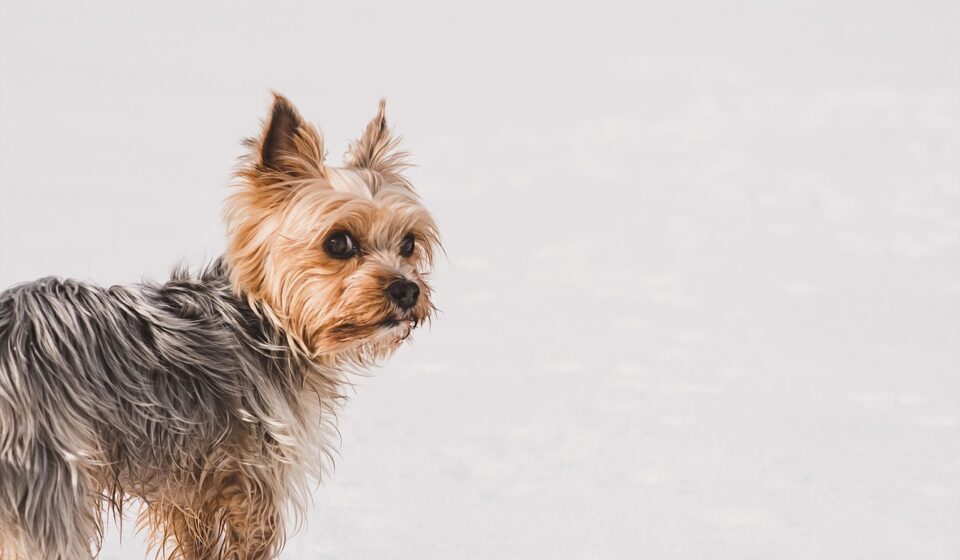
Meet the Canine Yorkie: A Small Dog with a Big Personality
A common question asked is whether the Yorkshire Terrier, affectionately known as the Yorkie, is the right canine companion for them. As of July 2026, these feisty little dogs continue to capture hearts worldwide with their sparkling personalities and surprisingly bold demeanour, packed into a petite frame. Despite their small stature, Porkies are not mere lapdogs; they possess the tenacity and spirit of their Terrier ancestors, making them fascinating and rewarding pets for the right owner.
Last updated: July 6, 2026
Understanding the unique needs of a Yorkie is crucial for their well-being. From their specific grooming requirements to their potential health concerns and training nuances, a well-informed owner can ensure their canine Yorkie thrives. This guide looks at what makes the Yorkshire Terrier such a beloved breed and provides practical advice for providing them with a happy and healthy life.
- Porkies are spirited, intelligent, and can be prone to barking due to their alert nature.
- Despite their size, they require consistent training and socialization from an early age.
- Their long, silky coat demands daily brushing and regular professional grooming to prevent matting.
- Common health concerns include luxating patellas, tracheal collapse, and dental issues.
- Porkies can make excellent companions for individuals or families prepared for their specific needs.
The Spirited Yorkie: Personality Traits to Expect
The Yorkshire Terrier’s temperament is a captivating blend of bravery, intelligence, and affection. Bred originally to catch rats in clothing mills, they possess an inherent boldness and a determined spirit. This tenacity often translates into a confident, sometimes stubborn, attitude that requires patient and consistent training. Don’t let their size fool you; a Yorkie will often act like a much larger dog. They are keenly aware of their surroundings and quick to alert their family to any perceived intruders with a sharp bark.
This alert nature makes them excellent watchdogs, but it also means early socialization and training are paramount. Without proper guidance, a Yorkie can develop a tendency to bark excessively. They are also known for their loyalty and can become very attached to their owners, often seeking constant companionship. While they can be loving with familiar family members, their small size and sometimes feisty nature mean supervision is recommended around very young children or other pets until their interactions are well-established.
Keeping Your Yorkie Looking Their Best: Grooming Essentials
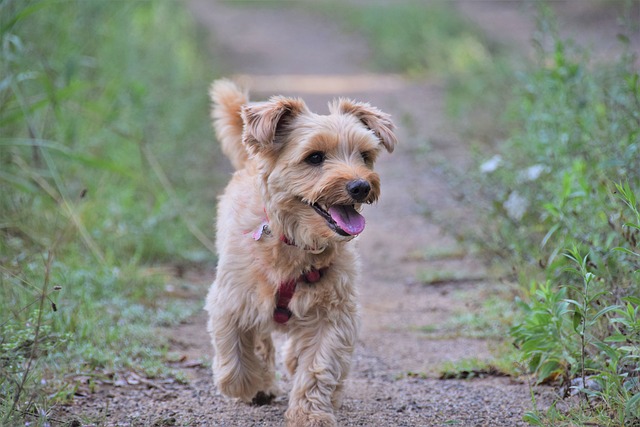
One of the most defining characteristics of the Yorkshire Terrier is their beautiful, long, silky coat, which is very similar in texture to human hair and, unlike many dog breeds, doesn’t shed excessively. However, this luxurious coat comes with significant grooming responsibilities. Daily brushing is essential to prevent tangles and mats, which can be painful and lead to skin infections.
Many owners opt to keep their Yorkie’s coat trimmed in a shorter ‘puppy clip’ or ‘teddy bear cut’ for easier maintenance. Regardless of length, regular baths with a good quality dog shampoo and conditioner are necessary. Pay special attention to the face and eyes; the hair around these areas can grow long and may require daily wiping to prevent staining. Professional grooming appointments every 4–6 weeks are often recommended to maintain the coat and provide a thorough clean, including nail trims and ear cleaning.
Common Health Issues for Yorkshire Terriers
While generally a strong breed, Yorkshire Terriers are prone to certain health conditions that prospective owners should be aware of. As of 2026, responsible breeders screen for many of these issues, but vigilance is still key. One common problem is luxating patellas, where the kneecap slips out of place; this can range from mild to severe and may require surgical intervention.
Another concern is tracheal collapse, often caused by genetics or injury, where the cartilage rings of the trachea weaken. This can result in a characteristic honking cough. Dental hygiene is also critical for Porkies; their small mouths are prone to overcrowding and periodontal disease, so regular dental check-ups and at-home brushing are vital. Other potential issues include hypoglycemia (low blood sugar), particularly in puppies, portosystemic shunts (liver shunts), and progressive retinal atrophy (PRA), an eye condition.
Nourishing Your Petite Pal: Yorkie Diet and Feeding Guide
Choosing the right diet is fundamental for maintaining a Yorkie’s health and energy levels, as due to their small size, they have a higher metabolism relative to their body mass and require nutrient-dense food. High-quality commercial dog food specifically formulated for small breeds is generally recommended. Look for foods with a primary protein source like chicken, lamb, or fish.
Feed Porkies appropriate portion sizes to prevent obesity, which can exacerbate health problems like luxating patellas and dental issues. As mentioned, their small mouths can make chewing larger kibble difficult, so opting for small-breed specific kibble is often best. Fresh water should always be available. Consulting with your veterinarian about the best diet and feeding schedule for your individual canine Yorkie, considering their age, activity level, and any specific health needs, is always the most reliable approach.

Training Your Yorkshire Terrier: Patience and Consistency are Key
Yorkshire Terriers are intelligent dogs, but they can also be independent and, at times, a little stubborn. This means that training requires patience, consistency, and positive reinforcement methods. Early socialization is perhaps the most critical aspect of training. Exposing your Yorkie puppy to a variety of sights, sounds, people, and other well-behaved dogs from a young age (after appropriate vaccinations) will help them grow into a well-adjusted adult dog.
House-training can sometimes be a challenge with small breeds, as they have smaller bladders and may be harder to house-train than larger dogs. Establishing a consistent routine for potty breaks, rewarding success generously, and using enzymatic cleaners for accidents are all effective strategies. For obedience training, using treats, praise, and play as rewards works best. Keep training sessions short and engaging to maintain their interest, and advanced training can include teaching them tricks or agility, which they often excel at due to their intelligence and agility.
Meeting Your Yorkie’s Exercise Requirements
Contrary to popular belief, even small dogs like the Yorkshire Terrier need regular exercise to stay healthy and happy. While they don’t require marathon-length walks, daily activity is important for their physical and mental stimulation. A couple of short walks a day, perhaps 15–20 minutes each, are generally sufficient for most adult Porkies. This helps burn off energy, prevents boredom. It also satisfies their natural instinct to explore.
Beyond walks, interactive play is excellent for Porkies. Games like fetch with a small, soft toy, or puzzle toys that dispense treats can provide mental stimulation and keep them engaged. Ensure they have a safe space to play indoors, and always supervise them during play to prevent accidents, especially with their delicate bone structure. Over-exercising should be avoided, particularly in extreme weather conditions, as their small size makes them susceptible to temperature fluctuations.

The Yorkie Lifespan: From Puppyhood to Senior Years
Yorkshire Terriers are known for their relatively long lifespan, often living between 12 to 16 years, and sometimes even longer with excellent care. This longevity means they’re a cherished member of the family for many years. As they age, their needs may change, requiring adjustments in diet, exercise, and veterinary care. Senior Porkies might become less active, develop age-related health issues like arthritis or vision problems, and require more frequent veterinary check-ups to monitor their health.
Transitioning to a senior-specific diet may be beneficial to support their changing nutritional needs and manage any emerging health conditions. Gentle exercise routines should be maintained to keep them mobile, but strenuous activity should be avoided. Providing a comfortable, warm sleeping area and ensuring their environment is safe and easily accessible are important considerations for senior canine Porkies.
Choosing a Yorkshire Terrier: Breeder vs. Rescue
When looking to welcome a Yorkie into your home, you have two primary avenues: purchasing from a reputable breeder or adopting from a rescue organization. Reputable breeders will focus on health, temperament, and breed standards, often providing health clearances for the parents. It’s crucial to visit the breeder, see the living conditions, and meet the puppy and parents if possible. Avoid breeders who seem more interested in selling than in the welfare of their dogs, or those who can’t provide health documentation.
Alternatively, adopting a Yorkie from a breed-specific rescue or a general animal shelter can be incredibly rewarding. Many wonderful Porkies, including puppies and seniors, are looking for second chances. Rescue organizations often have a thorough understanding of their dogs’ temperaments and needs, and adoption fees are typically lower than breeder prices. This route also gives a deserving dog a loving home. According to the American Kennel Club (AKC) as of 2026, the Yorkshire Terrier remains one of the most popular small breeds, meaning opportunities to find one are generally good through either channel.
Frequently Asked Questions About Canine Porkies
Are Porkies good for first-time dog owners?
Yes, Yorkshire Terriers can be good for first-time owners, but they require commitment. Their training needs and grooming demands mean owners must be prepared to invest time and effort into their care and socialization.
Can Porkies live in apartments?
Absolutely. Due to their small size and moderate exercise needs, Porkies adapt very well to apartment living, provided they receive sufficient daily activity and mental stimulation.
Do Porkies shed a lot?
Yorkshire Terriers have hair similar to human hair, which sheds minimally compared to many other breeds. However, their hair requires consistent grooming to prevent matting.
How much does a Yorkshire Terrier typically cost?
The cost of a Yorkie can vary widely. From reputable breeders, prices can range from 1,500 to 3,000, depending on lineage and breeder reputation. Adoption fees from rescues are typically much lower, often between 100 to 300.
Are Porkies yappy?
Porkies are known for being vocal. Their alert nature means they will bark to signal potential threats or to get attention. Early training and socialization can help manage excessive barking.
What’s the average lifespan of a Yorkie?
With proper care, Yorkshire Terriers typically live between 12 to 16 years, though many live well into their late teens.
Are Porkies good with other dogs?
Porkies can get along with other dogs, especially if socialized from a young age. However, their spirited nature means introductions should be supervised, and they may assert themselves with larger breeds.
The Enduring Appeal of the Canine Yorkie
The Yorkshire Terrier is a breed that offers immense joy and companionship. Their spirited personalities, unwavering loyalty, and distinctive appearance make them a favorite for many. While they require dedicated grooming, consistent training, and awareness of their potential health issues, the rewards of sharing your life with a Yorkie are substantial. By understanding and meeting their specific needs, you can ensure your canine Yorkie remains a vibrant and cherished member of your family for years to come.
Information current as of July 2026; pricing and product details may change.
Source: Britannica
Editorial Note: This article was researched and written by the Pet Magazine editorial team. We fact-check our content and update it regularly. For questions or corrections, contact us. Knowing how to address canine yorkie early makes the rest of your plan easier to keep on track.
Related read: Merle Great Danes: Unpacking the Enigma of This Stunning Coat.