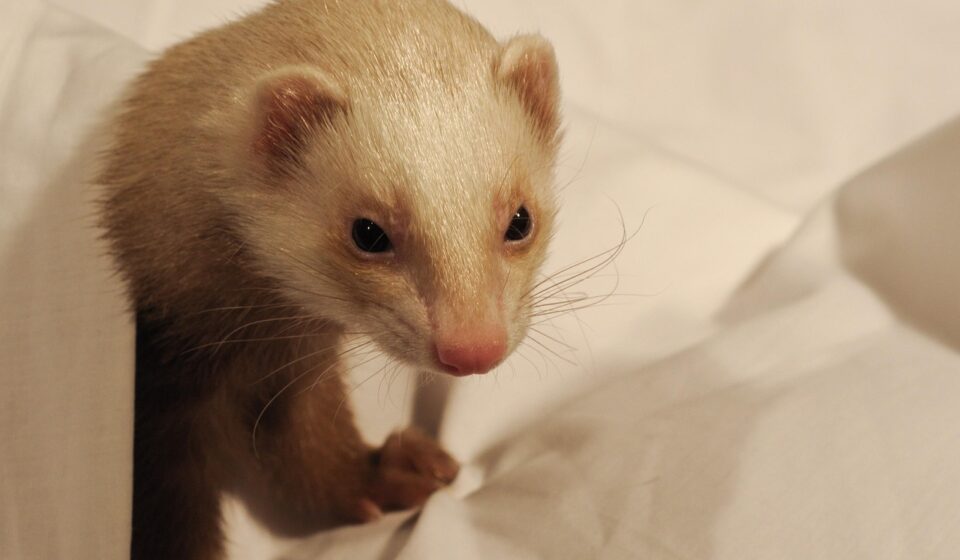
Finding Your New Companion: What to Know About Ferrets for Sale in 2026
If you’re considering bringing a ferret into your home, you’re likely exploring options for ferrets for sale. These energetic, curious, and often mischievous creatures can make wonderfully engaging pets, but responsible ownership starts with thorough research. As of July 2026, the world of sourcing a new pet ferret involves understanding reputable breeders, adoption centres, and the essential care requirements that ensure a healthy and happy life for your new companion.
Last updated: July 23, 2026
Most prospective owners underestimate the commitment, focusing solely on the initial purchase price. However, the true cost and effort lie in providing a suitable environment, proper nutrition, and consistent veterinary care throughout a ferret’s lifespan, which can range from 5 to 10 years. Understanding these factors upfront is crucial for both your well-being and the ferret’s.
- Sourcing ferrets for sale in 2026 requires looking beyond just price, focusing on health, temperament, and ethical origins.
- Expect initial purchase prices for ferrets to range from £150 to £400, with ongoing costs for food, housing, and veterinary care.
- Reputable sources often provide health checks, vaccinations, and de-scenting, which are crucial for a healthy pet.
- Ferret behaviour is distinct; they are naturally curious, sleep for long periods, and require dedicated playtime outside their enclosure.
- Long-term commitment is essential, covering diet, hygiene, socialization, and potential veterinary needs throughout their 5-10 year lifespan.
Understanding Ferret Temperament and Needs
Ferrets are members of the Mustelidae family, related to weasels, polecats, and otters. This ancestry imbues them with specific behaviours and needs. They are naturally inquisitive, intelligent, and enjoy exploring their surroundings, often in a ‘ferret dance’ of hops and tumbles when excited. Their typical sleep cycle involves 18–20 hours of rest per day, interspersed with periods of intense activity.
When looking for ferrets for sale, consider their socialization. Ferrets raised from kits by experienced handlers tend to be more accustomed to human interaction and less prone to nipping. A well-socialized ferret will be more confident and adaptable to its new home. It’s important to note that while playful, they can be nippy if not handled correctly from a young age or if startled.

Where to Find Ferrets for Sale: Ethical Sourcing
As of July 2026, finding ferrets for sale can be approached through several avenues, each with its own set of considerations. The most reliable sources are dedicated ferret breeders or rescue organisations.
Reputable Breeders: A responsible breeder will prioritise the health and temperament of their ferrets. They should be able to provide details on the ferret’s lineage, health history, and vaccinations. They will also be knowledgeable about ferret care and willing to answer your questions, assessing whether you are a suitable owner. Prices from reputable breeders typically range from £150 to £400, depending on thcolorur, markings, and their health certifications.
Ferret Rescues and Sanctuaries: Adopting a ferret from a rescue is a commendable choice. These organisations often have ferrets of all ages, and the staff can offer insights into their individual personalities and needs. While adoption fees are usually lower than breeder prices (often £50-£150), these funds go towards the care of other animals. Rescue ferrets may have pre-existing health conditions or behavioural quirks, but with patience and proper care, they can become loving companions.
Pet Stores: While some pet stores may offer ferrets for sale, caution is advised. It can be challenging to verify the source, health status, and socialization of the animals. If considering a pet store, ask for detailed information about their suppliers and the care the ferrets receive. Ensure the store provides clean housing and that the ferrets appear alert and healthy.
The True Cost: Ferret Purchase Price and Ongoing Expenses
The initial price tag for a ferret can vary significantly. Based on market observations as of July 2026, expect to pay anywhere from £150 for a ferret from a private seller or a pet store to £400 or more from a highly reputable breeder who may include initial vaccinations and health guarantees. Rescue adoption fees are considerably less, typically £50-£150.
However, the purchase price is just the beginning. Ongoing costs are substantial and should be factored into your decision to buy a ferret:
- Housing: A large, multi-level wire cage is essential. Expect to spend £100-£300 for a suitable enclosure. Accessories like hammocks, tubes, litter boxes, and food/water dishes will add another £50-£100.
- Diet: Ferrets are obligate carnivores. A high-quality ferret-specific kibble or a carefully balanced raw diet is necessary. Annual food costs can range from £100-£200.
- Veterinary Care: This is a significant expense. Annual check-ups, vaccinations (like distemper and rabies), flea and tick treatment, and potential emergency care for common ferret ailments (such as adrenal disease, insulinoma, or blockages) can add up to £200-£500 per year, potentially more for chronic conditions or emergencies.
- Litter and Bedding: Daily cleaning supplies and replacement bedding will cost approximately £50-£100 annually.
- Toys and Enrichment: Ferrets need stimulation. Budget £30-£60 per year for safe toys and enrichment items.
In real terms, the first year’s expenses, including the purchase price and all necessary supplies, can easily exceed £600-£1000. Subsequent years will likely be around £400-£700 annually, primarily for food, vet care, and replacements.
Preparing Your Home for a New Ferret
Before your new ferret arrives, it’s vital to ferret-proof your home. Ferrets are notorious for getting into small spaces and chewing on things they shouldn’t. Think of them as curious toddlers with sharp teeth and a knack for escaping.
- Secure Enclosure: The cage should be spacious, with solid flooring to prevent paw injuries. Avoid cages with wire bottoms. Ensure there are no gaps where a ferret could escape or get stuck.
- Litter Training: Ferrets can be litter trained, though they may have accidents. Place litter boxes in corners of their enclosure and in areas where they tend to relieve themselves. Use paper-based or wood-pellet litter; avoid clumping clay litters, which can cause blockages if ingested.
- Ferret-Proofing Areas: Block off any small holes or gaps in walls, under furniture, or behind appliances. Secure electrical cords, as ferrets may chew them. Remove toxic plants and any small objects that could be swallowed, such as rubber bands, buttons, or small toys. Ferrets have a habit of hoarding items, so regularly check under furniture for missing possessions.
- Safe Play Areas: Designate a safe, supervised area for your ferret to explore outside its cage daily. This should be a room or a large playpen where you can monitor them closely.
Ferret Diet and Nutrition Essentials
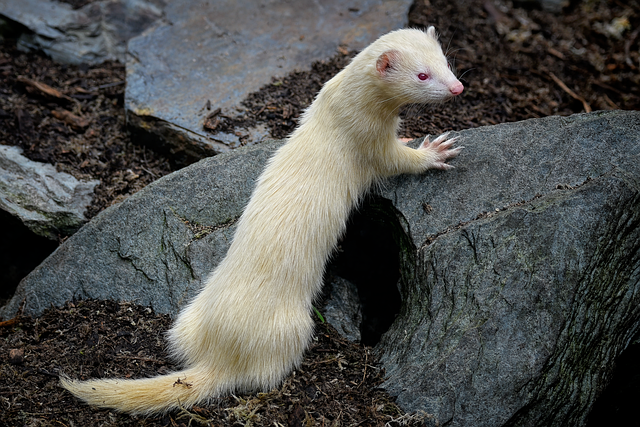
Ferrets are obligate carnivores, meaning their digestive system is designed to process and thrive on animal-based protein. Their diet must be high in animal protein and fat, with very low fiber and carbohydrates. As of July 2026, the consensus among veterinarians and ferret experts remains consistent on this point.
High-Quality Kibble: The most common and convenient diet is a high-quality, ferret-specific kibble. Look for brands where the first few ingredients are meat (e.g., chicken, lamb). The guaranteed analysis should show a minimum of 30-40% protein and 18-30% fat, with no more than 3% fiber. Avoid cat or dog foods, as they often contain too many plant-based ingredients and carbohydrates unsuitable for ferrets.
Raw Diet: Some owners opt for a raw diet, which mimics their natural prey. This typically involves feeding whole prey items (like mice or chicks) or a combination of muscle meat, organs, and bone. If choosing a raw diet, it’s crucial to consult with a veterinarian or an experienced raw feeder to ensure the diet is nutritionally complete and balanced to avoid deficiencies or excesses.
Treats: Ferrets have a short digestive tract and a fast metabolism. They should not be fed sugary treats or fruits, as their bodies can’t process these effectively and can lead to health problems like insulinoma. Safe treats include small pieces of cooked meat or commercially available ferret treats made from meat. Always offer treats in moderation.
Common Health Concerns and Veterinary Care
Ferrets are prone to several health issues that require prompt veterinary attention. Finding a veterinarian experienced with exotics, particularly ferrets, is paramount when you are looking at ferrets for sale.
- Adrenal Disease: This is a common condition in older ferrets, characterized by hair loss, lethargy, and increased thirst. It’s caused by overproduction of adrenal hormones.
- Insulinoma: A type of pancreatic cancer that affects insulin production, leading to low blood sugar. Symptoms include weakness, wobbliness, and seizures.
- Gastrointestinal Blockages: Ferrets love to chew and swallow indigestible items (like foam, rubber, or plastic). Ingesting these can lead to serious blockages requiring surgery.
- Heart Disease: Various heart conditions can affect ferrets, often diagnosed through heart murmurs found during a vet check.
- Dental Issues: Tartar buildup and gum disease are common, especially in older ferrets.
Regular veterinary check-ups, ideally annually for young ferrets and twice yearly for seniors, are essential for early detection and treatment. Vaccinations against canine distemper and rabies are also recommended, as ferrets are susceptible to these diseases.
Ferret Behaviour and Enrichment
Ferrets are intelligent animals that require mental and physical stimulation. Without adequate enrichment, they can become bored, stressed, or develop behavioural issues.
Playtime: Supervised out-of-cage time for at least 1–2 hours daily is crucial. Ensure the play area is ferret-proofed. Provide tunnels, balls, and puzzle toys to keep them engaged. Ferrets enjoy interactive play, so consider introducing them to fetch or chase games.
Foraging: Hide treats or kibble around their play area to encourage natural foraging behaviour. You can also use treat-dispensing toys.
Socialization: Ferrets can be kept alone or in pairs/groups. If introducing new ferrets, do so slowly and under supervision, as their social dynamics can be complex. Introducing a new ferret to existing pets (like cats or dogs) should only be done with extreme caution and under strict supervision, as ferrets are prey animals and can be injured.
Chewing: Provide safe chew toys made of hard plastic or durable materials to satisfy their natural urge to chew and help keep their teeth clean. Avoid soft rubber or foam toys that can be easily ingested.
Frequently Asked Questions About Ferrets for Sale
Are ferrets good pets for first-time owners?
Ferrets can be good pets for first-time owners if they are well-prepared. They require specific care, a dedicated diet, and regular interaction. Potential owners must research their needs thoroughly, as their unique behaviour and health considerations differ significantly from more common pets like cats or dogs.
How much does a ferret typically cost to buy in 2026?
As of July 2026, the purchase price for a ferret generally ranges from £150 to £400. This cost can be higher fromspecializedd breeders who may offer health guarantees and initial vaccinations, or lower through adoption from a rescue organisation or private seller.
What are the essential supplies needed for a new ferret?
Essential supplies include a large, secure multi-level cage, appropriate bedding, litter boxes with ferret-safe litter, food and water dishes, a high-quality ferret kibble or raw food diet, safe chew toys, and a carrier for vet visits. Ferret-proofing your home is also critical.
How long do ferrets live?
The average lifespan for a domestic ferret is between 5 to 10 years. With excellent nutrition, proper veterinary care, and a safe environment, some ferrets can live even longer. Regular health checks are vital to ensure they remain healthy throughout their lives.
Are ferrets noisy pets?
Ferrets are generally quiet animals. They don’t bark or meow, but they may make soft ‘dooking’ sounds when playing or contented, and sometimes a hiss when agitated or frightened. Their activity is mostly visual and physical rather than auditory.
Can ferrets be left alone all day?
While ferrets sleep for 18–20 hours a day, they require several hours of supervised playtime outside their enclosure daily. Leaving them confined to their cage for extended periods without interaction can lead to boredom, stress, and behavioural issues. A minimum of 1–2 hours of supervised interaction per day is recommended.
Information current as of July 2026; pricing and product details may change.
Source: Britannica.
Knowing how to address ferrets for sale early makes the rest of your plan easier to keep on track.