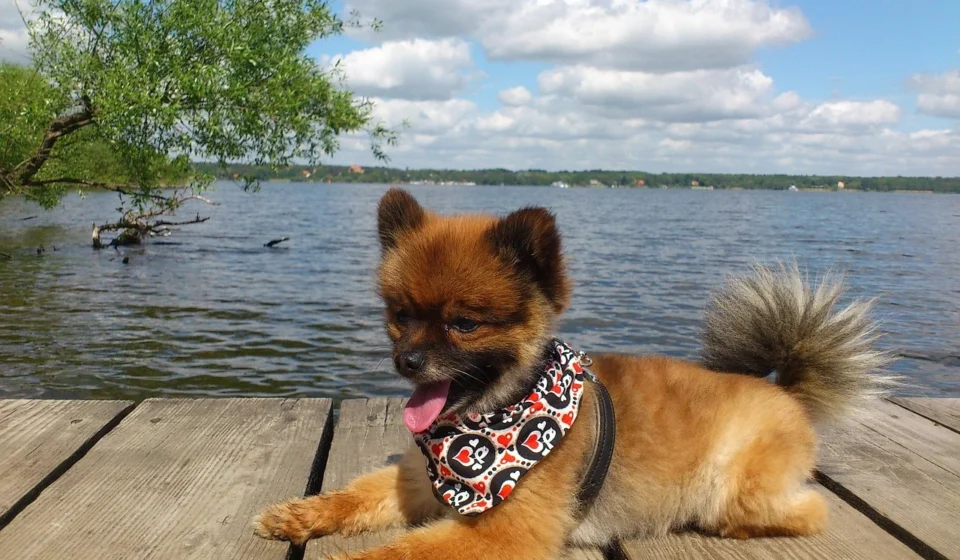
The Pomeranian is a compact, energetic toy breed. It descended from larger Arctic Spitz dogs, famous for its plush double coat, fox-like face, and bold personality. Weighing between 1.5 to 3 kilograms (3 to 7 pounds), this intelligent companion requires regular daily exercise. It also needs dedicated coat brushing three to four times weekly, and consistent positive training to manage barking.
Despite their diminutive stature, Pomeranians possess considerable confidence, alert curiosity, and high energy. They form deep bonds with their owners and adapt easily to urban living, provided their physical and mental needs are met. However, prospective owners must understand that maintaining their health and famous coat demands routine commitment, specialized equipment, and careful handling.
- Size and lifespan: Toy breed weighing 3 to 7 lbs (1.4 to 3.2 kg) with an average lifespan of 12 to 16 years.
- Grooming needs: High double coat maintenance requiring thorough brushing 3 to 4 times weekly and professional grooming every 4 to 6 weeks.
- Exercise requirements: Moderate activity needing 30 to 60 minutes of daily physical walks and mental stimulation.
- Temperament: Confident, curious, loyal, highly vocal, and occasionally stubborn.
- Health risks: Prone to patellar luxation, tracheal collapse, dental overcrowding, Alopecia X, and cardiac issues.
What defines the Pomeranian breed characteristics and origin?
Pomeranians trace their ancestry back to large Arctic sled and herding dogs from the Spitz family. Reduced in size in the Pomerania region (located along the Baltic coast of present-day Poland and Germany), the breed gained widespread recognition in the 19th century when Queen Victoria of the United Kingdom established her own breeding kennel and exhibited them. This selective breeding shrank the dog from a working animal weighing 10 to 15 kilograms down to the tiny toy companion standard recognized today.
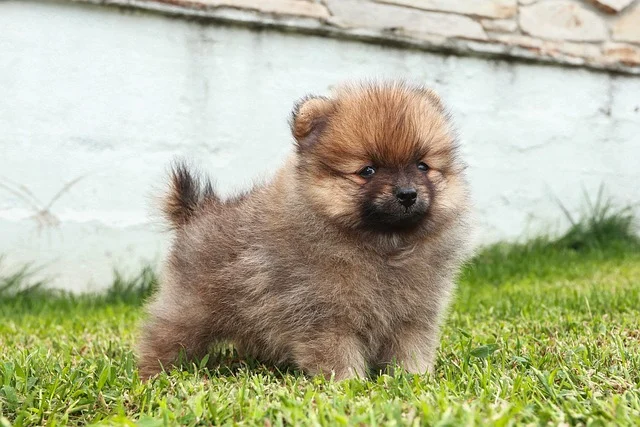
According to the American Kennel Club (AKC) 2025 breed standards, Pomeranians belong to the Toy Group. Physically, they feature a compact, square-proportioned body with a short back. Their signature silhouette includes a thick neck ruff, a delicate wedge-shaped head with small erect ears, and a plume-like tail set high and lying flat over the back. Their coat comes in a wide variety of colors and patterns, including orange, black, white, cream, sable, brindle, and wolf sable.
Don’t let their small frame deceive you; Pomeranians retain the fearless, vigilant attitude of their large Spitz ancestors. They are inherently vocal watchdogs, quick to sound an alert whenever a stranger approaches or an unexpected noise occurs. While this makes them lively housemates, their strong-willed nature means they often perceive themselves as guardians of their home, requiring calm leadership and clear structure.
How do you properly groom a Pomeranian double coat?
The standout characteristic of a Pomeranian is its dense double coat. This consists of a short, soft, woolly undercoat and a long, harsh, straight outer coat. Without meticulous grooming, shedding hair becomes trapped in the undercoat, forming tight mats against the skin. These mats trap moisture, cause irritation, and restrict airflow.
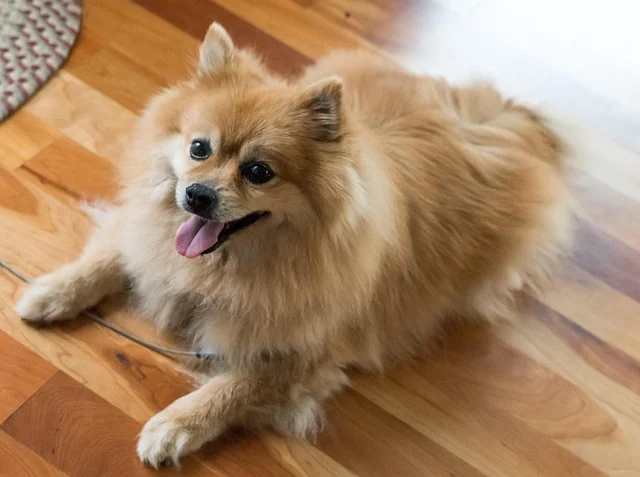
To care for a Pomeranian coat effectively, set aside 20 to 40 minutes three to four times a week for a thorough line-brushing session. Line-brushing involves parting the hair with one hand and brushing layer by layer from the skin outward rather than skimming over the top layer.
- Mist the coat lightly: Spritz the fur with water or a leave-in conditioning spray before brushing. Brushing dry fur causes friction, breaking delicate guard hairs and damaging the outer coat.
- Work with a slicker brush: Use a medium-soft slicker brush to work gently through small sections of fur. Start from the lower legs and body, working upward toward the neck and back.
- Deep comb with a metal comb: Follow up with a stainless-steel wide and fine greyhound comb. Slide the comb gently to the skin to detect hidden mats behind the ears, beneath the armpits, around the groin, and under the fluffy tail.
- Detangle gently: If you encounter a knot, hold the hair root near the skin with your fingers to protect your dog from pulling, then tease the knot apart using the end tines of the metal comb. Never cut mats out with scissors near the skin.
- Clean ears and eyes: Wipe the eye corners daily with a soft damp cloth to prevent tear staining. Inspect the inner ears weekly for redness, odor, or wax buildup, wiping with an approved veterinary ear cleaner.
Trimming and shaving cautions
Professional grooming every 4 to 6 weeks is recommended to trim the fur neatly around the paws, sanitary areas, and hocks. Never shave a double-coated dog like a Pomeranian unless medically necessary. Shaving destroys the natural insulation mechanism that protects them from both heat and cold. The fur may regrow patchy, coarse, or fail to grow back at all (a condition known as post-grooming alopecia).
How much exercise and mental stimulation does a Pomeranian need?
Although small enough to carry, Pomeranians are energetic dogs. They require structured daily activity to maintain muscle tone, cardiovascular health, and behavioral stability. An adult Pomeranian needs roughly 30 to 60 minutes of exercise per day. This is best divided into two 20- to 30-minute walks alongside daily indoor play.
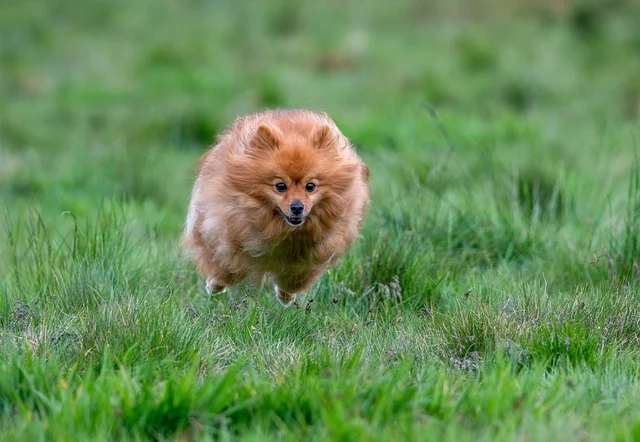
Because Pomeranians are susceptible to physical injury from larger animals and rough terrain, outdoor exercise requires careful precautions:
- Always use a Y-shaped harness: Never attach a leash directly to a Pomeranian’s neck collar. Pulling against a neck collar places concentrated pressure on the neck, increasing the risk of tracheal collapse.
- Monitor thermal conditions: Their dense double coat makes Pomeranians sensitive to heat stroke. Avoid walking in direct summer sun or high temperatures, and always test pavement temperatures before stepping out.
- Watch for predators and large dogs: Due to their tiny size, Pomeranians can be vulnerable around off-lead dogs or large birds of prey in rural areas. Keep them on a secure lead in open spaces.
Physical exercise alone is insufficient for this bright, alert breed. Pomeranians need daily mental stimulation to prevent boredom-induced nuisance behaviors such as persistent barking or chewing furniture. The ASPCA notes that mental enrichment is as important as physical exercise for small breeds to prevent behavioural issues. Use puzzle toys, food-dispensing balls, lick mats, and short 5-minute trick training sessions to keep their sharp minds occupied.
How do you train a Pomeranian and curb excessive barking?
Pomeranians are intelligent, quick learners, but their independent streak and bold attitude can lead to stubbornness if training lacks structure. Early socialization and reward-based training are essential from the day you bring your puppy home.
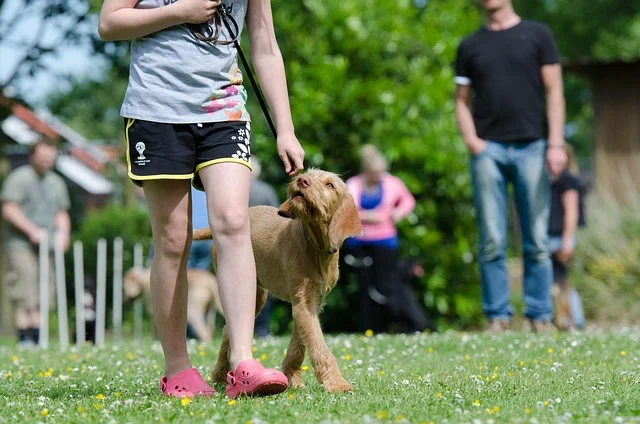
Positive reinforcement methods using small, high-value treats, verbal praise, and play yield the best results. Harsh corrections can cause fear, anxiety, or defensive behavior in a toy breed.
Managing excessive barking
Barking is one of the most common behavioral challenges for Pomeranian owners. Pomeranians naturally alert bark at passersby, doorbells, unexpected sounds, or when seeking attention.
- Teach the “Quiet” command: When your dog barks, acknowledge the alert calmly, then show them a high-value treat. When they stop barking to sniff the treat, wait three seconds, say “Quiet”, give the treat, and praise them.
- Block environmental triggers: Use window film or adjust blinds so your Pomeranian cannot sit on furniture and stare out the window barking at passersby all day.
- Avoid rewarding demand barking: If your dog barks at you for food, attention, or to be picked up, turn your back and completely ignore them until they are silent for at least five seconds before offering attention.
House-training steps for small dogs
Housetraining a Pomeranian requires extra diligence because small breeds have small bladders and rapid metabolisms.
- Establish a strict feeding schedule and take your puppy outside immediately upon waking up, 10–15 minutes after eating, after naps, and after play sessions.
- Take them to the exact same potty spot each time so scent cues prompt them.
- Reward them lavishly with a treat immediately upon finishing outdoor elimination—never wait until you return inside.
- Crate train your Pomeranian using positive associations to give them a safe sleeping sanctuary and prevent overnight accidents (see Can You Give Your Dog Canine Benadryl? Safe Dosing and Risks for puppy training routines).
What health issues are common in Pomeranians?
While Pomeranians are generally resilient with a lifespan of 12 to 16 years, like all purebred dogs they are genetically predisposed to specific health problems. Recognizing early symptoms allows for timely veterinary intervention.
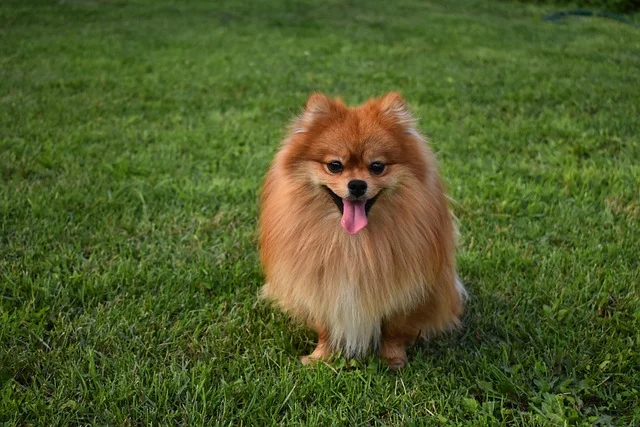
Primary health concerns
- Patellar Luxation: A condition where the kneecap slips out of its normal anatomical groove on the femur. Symptoms include a sudden skipping step, limping, or holding a hind leg off the ground before kicking it back into place. Severe cases require surgical repair.
- Tracheal Collapse: Occurs when the cartilage rings supporting the windpipe weaken and flatten. This causes a distinctive dry, goose-honking cough, difficulty breathing, and exercise intolerance. It is aggravated by excitement, weight gain, hot weather, and pressure from neck collars.
- Dental Disease and Overcrowding: Tiny jaw sizes mean Pomeranians frequently suffer from crowded teeth, retained baby teeth, rapid plaque buildup, gingivitis, and early tooth loss. Daily brushing with dog-safe toothpaste and regular dental checks are crucial.
- Alopecia X (Black Skin Disease): A condition marked by progressive hair loss and skin hyperpigmentation (darkening). While it does not cause physical pain, the precise genetic and hormonal factors remain under study.
- Cardiac Conditions: Pomeranians are vulnerable to congenital heart disorders such as Patent Ductus Arteriosus (PDA) and acquired conditions like Mitral Valve Disease. Regular stethoscope evaluations during routine check-ups help detect murmurs early.
- Hypoglycemia: Toy puppies are susceptible to sudden drops in blood sugar, causing lethargy, trembling, or wobbliness. Feeding small, frequent meals throughout the day mitigates this risk.
According to the Pomeranian Club of America, responsible breeders will screen their dogs for common genetic issues, and prospective owners should always ask about health clearances for knees, eyes, and heart health.
What is the best nutrition and diet plan for a Pomeranian?
Feeding a Pomeranian requires balancing high caloric demands with careful portion control. Because toy breeds have a higher metabolic rate per pound than large dogs, they require energy-dense nutrition packed into smaller kibble portions designed for tiny mouths.
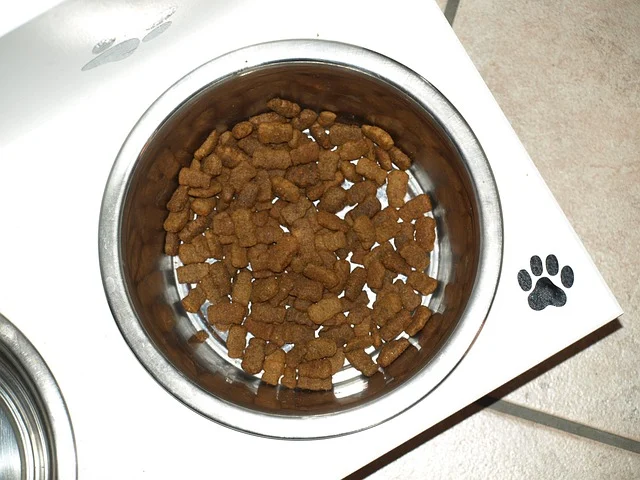
Select a high-quality dry kibble formulated specifically for toy or small breeds where a named meat source (such as chicken, lamb, or salmon) is the primary ingredient. Avoid formulas heavy in unspecified animal by-products, artificial colors, or excessive filler ingredients.
Daily feeding recommendations
- Puppies (up to 12 months): Require 3 to 4 small meals daily rich in high-quality protein and fat to support rapid growth and prevent hypoglycemia.
- Adults (1 to 8 years): Typically require 1/4 to 1/2 cup of high-quality dry food per day, divided into two meals. Adjust exact caloric intake based on activity level and weight.
- Seniors (8+ years): Benefit from joint-support supplements, moderate calorie levels to prevent obesity, and softer wet food options if dental wear is present.
Portion control is critical. Excess body weight puts severe stress on fragile knee joints and accelerates tracheal degradation, making weight management one of the most effective ways to prolong your Pomeranian’s health.
Is a Pomeranian the right dog for your household?
Before bringing a Pomeranian into your home, evaluate whether their specific traits align with your household dynamic, schedule, and lifestyle.
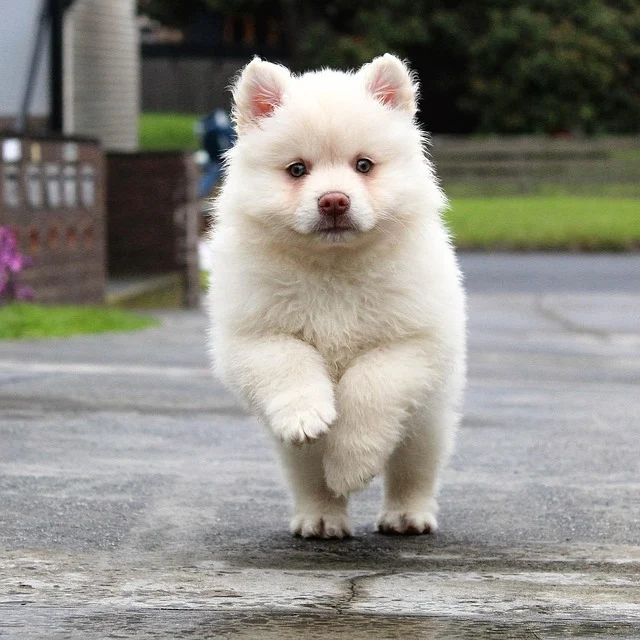
Who Pomeranians suit best
Pomeranians thrive with individuals, couples, or families with older children who understand how to handle small dogs gently. They are exceptionally well-suited for apartment living because of their compact size and manageable indoor exercise requirements. Owners who work from home or retirees often find Pomeranians to be ideal companions because they enjoy near-constant human presence.
Who Pomeranians are not suited for
- Families with toddlers or very young children: Young children may accidentally drop, step on, or play roughly with a toy dog, risking severe bone fractures or triggering defensive behavior.
- Owners away from home for long periods: Pomeranians form strong bonds with their human family and are prone to separation anxiety if left isolated for full workdays, leading to persistent barking and destructive habits.
- Owners unwilling to maintain a strict grooming schedule: Neglecting brushings causes severe pelted mats, skin infections, and discomfort.
- Noise-sensitive living spaces: If you reside in an apartment with strict noise bans, a Pomeranian’s inclination to alert bark will require intensive daily management.
How do you find and adopt a healthy Pomeranian?
Whether you choose to buy from a breeder or adopt through a rescue, taking time to verify the source ensures you bring home a healthy, well-adjusted pet.
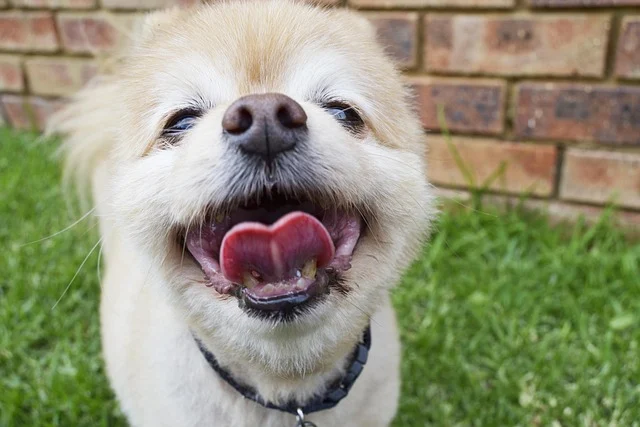
Choosing a responsible breeder
A responsible breeder prioritizes the health and temperament of their dogs above all else:
- They allow you to visit their facility, meet the mother dog, and see where the puppies are raised.
- In addition, they perform genetic health testing (including patella and cardiac clearances) and provide documentation.
- They raise puppies in a home environment with early socialization.
- Next, They provide a written health contract. They will take the dog back at any point in its life if you can no longer care for it.
- Avoid red flags: breeders marketing “teacup” Pomeranians (an unofficial term used to sell unhealthily undersized dogs), breeders selling puppies under 8 weeks old, or those who refuse to show parent health clearances.
Adopting from a rescue
Adopting through a breed-specific rescue organization or local shelter gives a deserving dog a second chance. Many adult Pomeranians enter rescue programs due to owner lifestyle changes rather than behavioral faults. Rescue dogs are generally health-checked, vaccinated, microchipped, and spayed or neutered prior to placement.
Sources: Pomeranian
Frequently asked questions
Do Pomeranians bark a lot?
Yes, Pomeranians are naturally vocal and alert watchdogs that bark at new sounds, visitors, or when seeking attention. Consistent positive reinforcement training and mental enrichment are necessary to keep barking under control.
Are Pomeranians difficult to house-train?
Pomeranians can take longer to house-train than larger breeds because of their small bladders and fast metabolism. A strict routine, frequent outdoor trips, crate training, and immediate treat rewards ensure successful house-training.
How much exercise does a Pomeranian need daily?
An adult Pomeranian requires 30 to 60 minutes of exercise every day, usually split into two short daily walks and playful interactive games indoors.
Do Pomeranians shed a lot of fur?
Pomeranians shed moderately throughout the year and experience heavier seasonal shedding twice annually when their coat blows. Regular brushing three to four times a week removes loose hair and prevents painful matting.
What is the average lifespan of a Pomeranian?
A healthy Pomeranian that receives proper nutritional care, dental hygiene, and regular veterinary check-ups typically lives between 12 and 16 years.