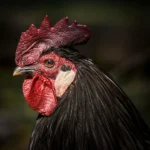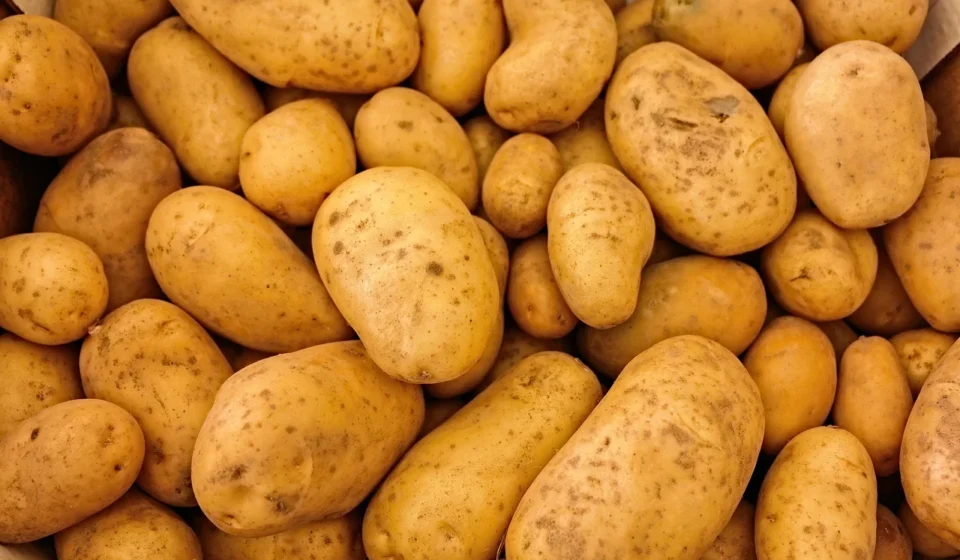
Many people wonder, “can chickens have potatoes?” Chickens can safely eat cooked, plain white potatoes. Offer these in small amounts. Never feed them raw potatoes, green skins, sprouts, or potato plant foliage. Raw or green potato parts contain solanine. This toxic glycoalkaloid harms poultry. It causes severe neurological and digestive damage.
While cooked white potatoes provide carbohydrates and quick energy, they lack the balanced protein, amino acids, and calcium essential for egg production and flock health. Treating white potatoes as an occasional kitchen scrap rather than a dietary main stay ensures your birds benefit from the energy boost without risking toxicity or nutritional deficiencies.
Can chickens have potatoes? Why some are toxic
White potatoes (*Solanum tuberosum*) belong to the Solanaceae family, commonly known as nightshades. Like tomatoes, eggplants, and peppers, potato plants produce natural chemical defense mechanisms called glycoalkaloids, primarily solanine and chaconine. These compounds act as biological pesticides, protecting the plant against insects, fungi, and foraging animals.
The green parts of the potato plant hold the most solanine. This includes stems, leaves, flowers, sprouts (eyes), and green skin. Green patches form when tubers get light. This happens during growth or storage. Chlorophyll production rises sharply then. Solanine levels also increase. Glycoalkaloids disrupt nervous system functioning. They inhibit cholinesterase enzymes. Cell membranes in the GI tract suffer severe damage. This is according to the Merck Veterinary Manual. Many ask, “Can chickens have potatoes?” when considering these facts.
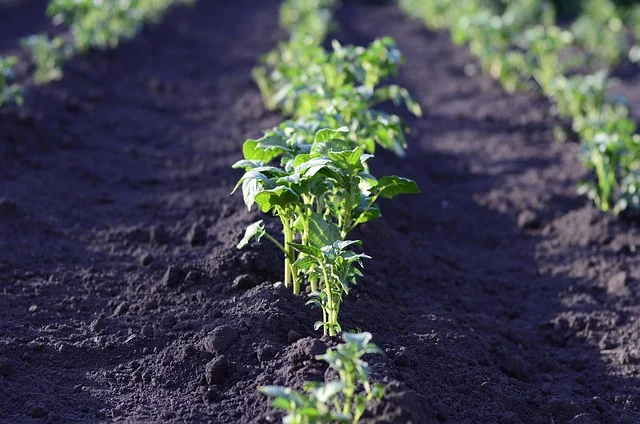
The question of whether can chickens have potatoes if not green is complex. Raw white potatoes are risky. Uncooked potato starch resists avian digestion. A chicken’s gizzard and enzymes struggle with raw starches. This can cause crop impaction. Fermentation issues may arise. Bacterial overgrowths in the ceca are also possible.
Second, raw skins have baseline solanine. Heat diminishes these levels. Feeding raw peels or whole uncooked tubers causes distress. This is important for anyone asking “can chickens have potatoes?”. Cooking breaks down starches. [flockguide.com] Also, it alters chemical bonds. This lowers solanine. As a result, it makes the tuber digestible for birds.
White potatoes versus sweet potatoes: how they differ
It is common to group all potatoes together, but white potatoes and sweet potatoes (*Ipomoea batatas*) belong to completely different botanical families. Sweet potatoes are members of the Convolvulaceae (morning glory) family and do not produce solanine or related nightshade toxins.
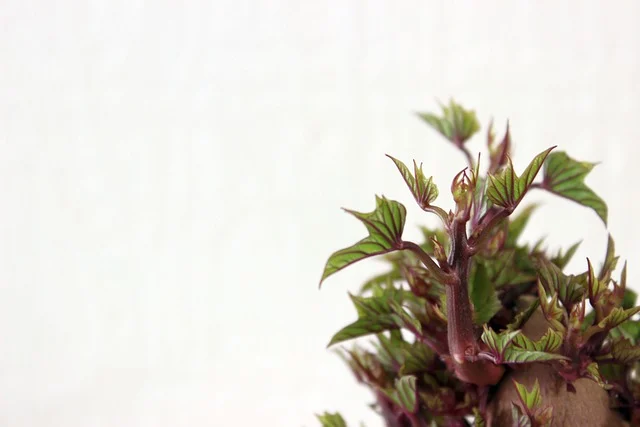
Because of this fundamental biological difference, sweet potatoes are substantially safer and more nutritious for chickens. Both the flesh and the skin of sweet potatoes can be fed to birds raw or cooked. Cooking sweet potatoes enhances nutrient absorption and digestibility. Sweet potatoes are dense in beta-carotene, an antioxidant that chickens convert into vitamin A. This is a key distinction when we discuss topics like, can chickens have potatoes. According to a study published in the Journal of Animal Science, diets rich in beta-carotene help enhance egg yolk pigmentation. This produces deeper orange yolks while supporting immune function.
| Property | White Potato (Solanum tuberosum) | Sweet Potato (Ipomoea batatas) |
|---|---|---|
| Botanical Family | Solanaceae (Nightshade) | Convolvulaceae (Morning Glory) |
| Contains Solanine? | Yes (high in raw, green skin, and sprouts) | No |
| Safe to Feed Raw? | No (toxic solanine and hard starch) | Yes (though cooked is easier to digest) |
| Safe Parts | Flesh only when peeled and fully cooked | All parts (flesh, skin, leaves, and vines) |
| Key Nutrients | Carbohydrates, potassium, vitamin C | Beta-carotene (Vitamin A), fiber, potassium |
Nutritional value and drawbacks of cooked white potatoes
When prepared properly, cooked white potatoes offer specific dietary benefits for backyard poultry. This is particularly true during cold weather when birds require extra calories to maintain core body temperature:
- Carbohydrates: Highly digestible cooked starches yield rapid caloric energy to fuel activity and warmth.
- Potassium: Supports fluid balance, nerve signal transmission, and muscle contraction.
- Vitamin C and B-complex vitamins: Provide antioxidant support and assist metabolic conversion of protein and fats.
Despite these benefits, white potatoes lack important building blocks necessary for productive layer flocks. Overfeeding cooked potatoes dilutes the bird’s overall nutrition. This can lead to reduced egg production, soft eggshells, weight gain, and fatty liver syndrome. This is an important consideration when discussing whether can chickens have potatoes.
According to guidance from the Poultry Science Association, table treats and kitchen scraps should never exceed 10% of a chicken’s total daily feed intake.
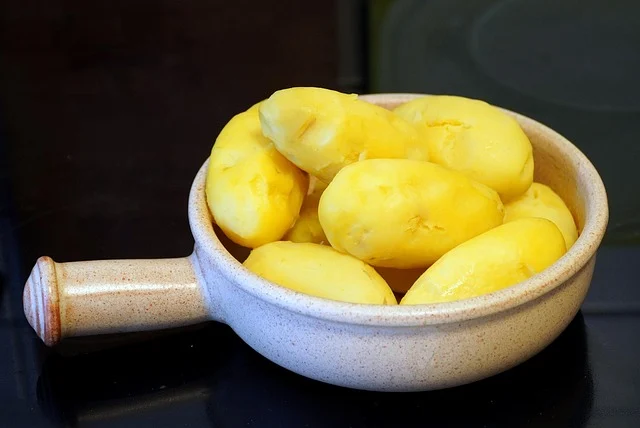
How to cook and serve potatoes safely to your flock
If you want to offer leftover white potatoes to your flock, follow these preparation steps to prevent accidental poisoning or illness:
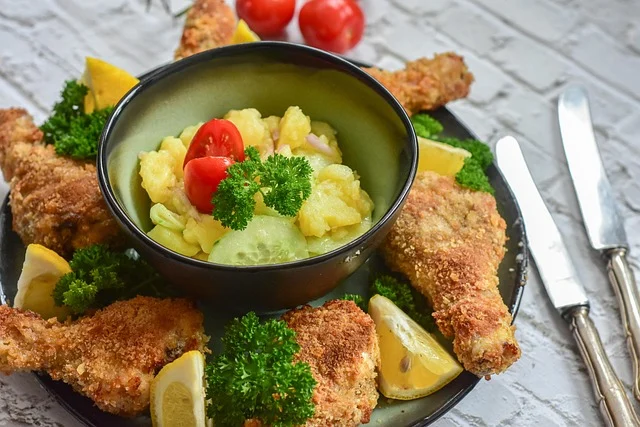
- Inspect the potatoes: Carefully examine each tuber. Discard any potato that exhibits green skin, soft spots, or sprouts. Trimming green spots is often insufficient because solanine spreads into surrounding tissue.
- Peel completely: Remove the skin thoroughly to minimize any lingering glycoalkaloid content.
- Boil or bake plain: Cook the peeled potatoes in boiling water or in an oven until completely soft. Do not add salt, butter, margarines, cooking oils, garlic, onion, or milk. High levels of salt strain avian kidneys, while toxic compounds in onions and garlic can cause hemolytic anemia in birds.
- Cool thoroughly: Allow the cooked potato to cool completely down to ambient room temperature. Hot food can scorch a chicken’s delicate crop lining.
- Dice or mash: Cut cooked potatoes into manageable bite-sized chunks or mash them roughly so all birds in the flock get equal access without choking risks.
- Limit portion sizes: Serve no more than 1 to 2 tablespoons of cooked potato per hen, offered once or twice per week maximum. For a flock of 6 birds, one small-to-medium cooked potato split among them is an appropriate portion.
Recognizing and treating solanine toxicity in chickens
Accidental exposure to raw potato scraps, discarded garden vines, or green potatoes can occur quickly. This happens if chickens access compost piles or vegetable gardens. Solanine toxicity can manifest within 2 to 24 hours depending on the quantity ingested relative to the bird’s body weight.
Monitor your birds closely for these physical and behavioral signs of solanine poisoning:
- Lethargy, drooping wings, and unresponsiveness to the flock
- Loss of motor coordination, stumbling, or inability to stand upright (ataxia)
- Profuse, watery diarrhea or unusual crop stasis
- Heavy breathing, gasping, or respiratory distress
- Muscle tremors, seizures, or partial paralysis
If you suspect a bird has eaten green potatoes or raw plant material, remove all potato sources immediately. Isolate the affected chicken in a quiet, warm place. Also, provide clean, fresh water to flush toxins. You can give food-grade activated charcoal mixed with water directly into the beak; this helps bind intestinal toxins. Severe cases need immediate professional care. The American Veterinary Medical Association (AVMA) emphasizes early intervention. Fluid support is vital for improving survival outcomes; this is true for agricultural plant poisonings. Many ask, “Can chickens have potatoes?” The answer is complex.
Healthier treat options for chickens
While cooked white potatoes can be fed occasionally, several alternative fruits, vegetables, and grains carry far fewer risks. They also deliver superior nutritional benefits:
- Leafy greens: Kale, spinach, lettuce, cabbage, and swiss chard supply essential vitamins, calcium, and minerals. These promote vibrant health and rich egg yolk color.
- Berries and soft fruits: Strawberries, blueberries, raspberries, and watermelon offer hydration and antioxidants without toxicity concerns.
- Cooked grains: Plain brown rice, cooked quinoa, and steel-cut oats provide steady energy without complex raw starches.
- Garden vegetables: Cooked squash, cucumbers, carrots, and sweet potatoes are safe, popular choices that supply abundant beta-carotene.
Sources: Can Chickens Eat Potatoes? Cooked Yes, Green or Raw No – FlockGuide
Frequently asked questions
Can chickens eat potato peels?
Chickens can eat white potato peels only if the potato showed no green coloration, sprouts, or spoilage, and the peels are fully cooked without oil or salt. Raw potato peels contain high concentrations of solanine and hard starch, making them dangerous and difficult for chickens to digest.
Can chickens eat raw potato sprouts?
No, chickens should never eat raw potato sprouts. Potato sprouts contain the highest concentration of toxic solanine found anywhere on the tuber, making ingestion extremely dangerous for poultry.
How often can I feed my chickens potatoes?
You can offer plain cooked white potatoes once or twice a week as an occasional treat. They should make up no more than 10 percent of your flock’s total daily intake. This ensures they do not displace essential nutrients from complete commercial layer feed.
Can chickens eat mashed potatoes?
Yes, plain, unseasoned mashed potatoes are safe for chickens once cooled down completely. Ensure no salt, butter, garlic, milk, or spices were added during preparation.
What if my chicken ate a green potato?
If a chicken eats a green potato or raw potato sprouts, isolate the bird, provide plenty of fresh water, and monitor closely for lethargy, diarrhea, or loss of balance. Consult an avian veterinarian immediately if symptoms of solanine poisoning appear.
Are potato leaves and stems safe for chickens?
No, potato leaves, stems, and flowers belong to the toxic nightshade plant family and contain dangerous levels of solanine. Therefore, keep your flock fenced away from growing potato plants and active compost piles.
What is the best way to serve potatoes to chickens?
The safest method is to peel off all skin, confirm there are no green spots or sprouts, boil or bake the potato plain until soft, let it cool completely, and cut or mash it into bite-sized pieces for your flock.