The Essential Guide to Duck Food for Ducklings in 2026
Providing the correct duck food for ducklings is paramount for their rapid growth, solid health, and overall development. As of July 2026, understanding their specific nutritional needs sets them apart from chicks, making specialised feeding crucial. A common question among new keepers is whether chicken feed is suitable, but the answer is a definitive no for prolonged use due to differing dietary requirements, particularly niacin. This article will guide you through the essential components of a duckling’s diet, from commercial feeds to safe supplemental foods, and highlight what to avoid. Ensuring your young waterfowl thrive starts with the right mealtime strategy.
Key Takeaways
- Ducklings require a specially formulated starter feed with adequate niacin, unlike chicken feed.
- Commercial duckling starter feeds typically contain 20-24% protein and are fortified with essential vitamins and minerals.
- Avoid medicated chick starter feed, as the medication can be harmful to ducklings.
- Introduce small amounts of niacin-rich supplements like brewer’s yeast or fish meal cautiously.
- Safe supplemental foods include finely chopped greens, peas, corn, and mealworms, offered in moderation.
Why Proper Duckling Nutrition Matters
Ducklings grow at an astonishing rate, doubling their size in the first few weeks. This rapid development demands a diet rich in protein, vitamins, and minerals. Unlike chicks, ducklings have a higher requirement for niacin (Vitamin B3) to prevent leg deformities and ensure proper bone development. According to the Merck Veterinary Manual, a niacin deficiency can lead to debilitating leg weakness, a condition often referred to as ‘splayed leg’ or ‘Aspasia’. The correct duck food for ducklings provides the foundational building blocks for a healthy immune system, strong feather development, and energetic behaviour. Getting this right from day one minimizes the risk of long-term health issues and ensures your ducklings can reach their full potential.
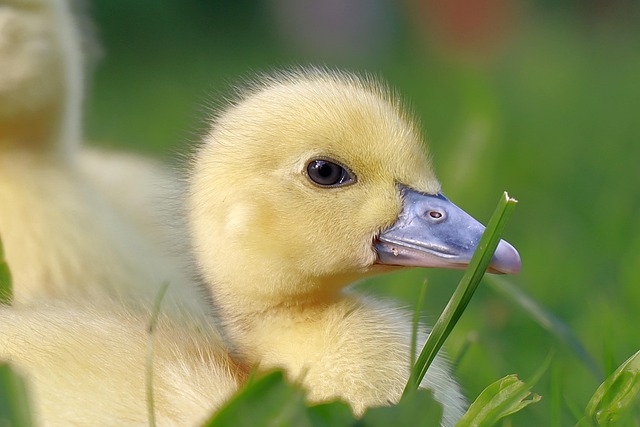
Commercial Duckling Starter Feeds: The Foundation
The most convenient and reliable way to meet your ducklings’ nutritional needs is through a commercial duckling starter feed. These feeds are specifically formulated to provide the balanced nutrition young waterfowl require. Look for feeds labelled for ‘ducklings’ or ‘waterfowl starter’. These specialised feeds typically contain between 20% and 24% protein, essential for rapid growth. They are also fortified with crucial vitamins such as A, D, and E, and minerals like calcium and phosphorus in the correct ratios. Importantly, they should contain sufficient niacin, or be formulated to be supplemented with it. A common pitfall is using medicated chick starter feed. While some chick feeds contain medications like amprolium to prevent coccidiosis, this medication can be detrimental to ducklings. Always check the label and opt for non-medicated feed, or feed specifically formulated for waterfowl. If coccidiosis is a concern, consult your veterinarian for appropriate waterfowl-specific treatments.
The Critical Role of Niacin for Ducklings
Niacin, or Vitamin B3, is perhaps the most critical nutrient that differentiates duckling feed from chick feed. Ducklings can’t synthesize sufficient niacin on their own, and their diet must provide it generously. Without adequate niacin, ducklings are prone to developing leg problems, including weakness, lameness, and splayed legs. This is a significant concern that can lead to permanent disability if not addressed promptly. Commercial duckling feeds should contain at least 25 milligrams of niacin per kilogram of feed. If you are using a feed that doesn’t explicitly state its niacin content or is low, you will need to supplement. Common and effective niacin supplements include brewer’s yeast, which is readily available and palatable to ducklings. Another option is fish meal, but ensure it’s from a clean source and not excessively high in other minerals that could cause imbalances. When supplementing, start with small amounts. For brewer’s yeast, a common recommendation is to mix it into their feed at a rate of 1-2% by weight. For instance, if you’re preparing 1 kilogram of feed, you would add 10–20 grams of brewer’s yeast. Always introduce new supplements gradually and monitor your ducklings for any adverse reactions. Experience insight: In my years of raising waterfowl, I’ve found that consistent niacin supplementation, especially when using a feed not explicitly labelled for ducklings, is the single most effective preventative measure against leg issues. It’s far easier to add a bit of brewer’s yeast than to try and correct severe leg deformities later.

What Not to Feed Your Ducklings
While ducklings are naturally curious foragers, not everything they might peck at is safe or beneficial. Certain foods can cause digestive upset, nutritional imbalances, or even be toxic. It’s vital to know what tavoid protectingct your young flock. Medicated chick feed is a primary concern, as mentioned. The medication may be toxic to ducklings. Avocado, particularly the pit and skin, contains persin, which is toxic to many birds. Onions, garlic, and excessive amounts of citrus can also cause digestive issues or be harmful in large quantities. Bread and processed human foods offer little nutritional value and can lead to obesity or nutrient deficiencies. They fill ducklings up without providing the essential vitamins and proteins they need. Avoid feeding wild waterfowl, as this can spread diseases and disrupt their natural feeding behaviours. Always ensure any supplemental foods are cut into small, manageable pieces to prevent choking hazards, especially for very young ducklings.
Safe and Nutritious Supplemental Foods
Once your ducklings have settled in and are eating their starter feed reliably, you can introduce small amounts of supplemental foods. These should complement, not replace, their main diet. Think of them as healthy treats or enrichment. Finely chopped leafy greens like spinach, kale, or romaine lettuce are excellent choices. Peas (fresh or frozen, thawed), corn (cooked, kernels removed from cob), and cooked rice are also good. Small, live insects like mealworms or fruit flies provide natural protein and foraging practice. As of July 2026, many owners are also successfully offering small pieces of cooked eggs or even tiny amounts of plain, cooked pasta. When offering greens, ensure they are chopped finely enough for the ducklings to swallow easily. For older ducklings (a few weeks old), you can offer whole peas or larger pieces of greens. Always introduce new foods one at a time and in small quantities to monitor for any digestive upset. Worth noting: When feeding outside of their regular feed, ensure the ducklings still have access to their primary starter feed. The goal is enrichment and a small nutritional boost, not replacing the carefully balanced commercial diet.
How to Feed Your Ducklings
The method of feeding is as important as the food itself. Ducklings are messy eaters, especially when water is involved. Provide their food in shallow dishes or trays that are easy for them to access. Avoid deep containers that could cause them to drown. A common practice is to place their food dish in a shallow water bath or a waterer that allows them to dip their heads. This helps them wash down dry feed and encourages them to eat. However, this also means their food will get wet and can spoil quickly. For this reason, it’s best to offer food in small amounts that they can consume within 15–20 minutes. Remove any uneaten wet feed after this period to prevent the growth of mold and bacteria, which can cause illness. Clean the feeders and waterers daily. As they grow, you can transition to slightly larger feeders and ensure they always have access to clean, fresh water. The water should always be deep enough for them to submerge their beaks and clean their nostrils, but not so deep that they risk drowning.
Transitioning to Grower Feed
Ducklings typically transition from starter feed to grower feed around 6–8 weeks of age. Grower feed usually has a slightly lower protein content (around 16-18%) than starter feed, as their growth rate slows down. It’s important to make this transition gradually to avoid digestive upset. Begin by mixing a small amount of the grower feed with their starter feed, gradually increasing the proportion of grower feed over a week to ten days. Continue to monitor your ducklings for any signs of digestive distress, such as diarrhea. Once they are fully accustomed to the grower feed, you can feed it exclusively. A practical tip: Some keepers prefer to stick with a quality waterfowl starter feed for longer, up to 10–12 weeks, especially if they are raising very fast-growing breeds or if the starter feed has a good niacin level. Assess your ducklings’ condition and consult with experienced keepers or avian veterinarians if unsure.
Common Mistakes to Avoid
Several common mistakes can hinder your ducklings’ healthy development. One of the most significant is feeding them exclusively chicken starter feed. While it might seem similar, the lower niacin content and different mineral balance can lead to serious health problems, as highlighted by the American Poultry Association’s guidelines on waterfowl nutrition. Another mistake is providing insufficient water. Ducklings need constant access to clean water, not just for drinking but also for cleaning their nostrils and eyes, and to help them swallow their food. Failing to remove uneaten wet food also leads to spoilage and potential illness. Over-supplementing with vitamins or minerals without understanding their specific needs can also cause imbalances. Finally, offering snacks too early or in too large quantities can disrupt their intake of essential starter feed. Always ensure that any treats are given in moderation and that the ducklings’ primary diet remains balanced and complete.
Expert Tips for Optimal Feeding
As of July 2026, the consensus among experienced waterfowl keepers and avian nutritionists remains consistent: focus on a quality, niacin-rich waterfowl starter feed. If you’re not using a feed specifically formulated for ducklings, always add brewer’s yeast or another niacin source. Observe your ducklings closely. Their droppings can tell you a lot about their digestive health; look for firm, well-formed droppings. Ensure their feed is fresh and stored properly to prevent mold and degradation. Avoid sudden diet changes. Foraging opportunities can be introduced gradually once they are a few weeks old, but always ensure they have access to their balanced feed first. When feeding supplemental foods, aim for variety but keep it simple. Finely chopped greens, peas, and small amounts of protein like mealworms are generally safe and beneficial. A unique insight: Many keepers overlook the importance of feed texture. Ducklings often prefer smaller, finer crumbles. If your feed is too large, they might struggle to eat it. You can lightly moisten starter crumbles with a tiny amount of water or electrolyte solution to make them easier to consume, especially for the very young. This also helps them get a little extra hydration.
Frequently Asked Questions About Duckling Food
Can ducklings eat chicken feed?
While ducklings can nibble on chicken starter feed in a pinch, it’s not recommended as their primary diet. Chicken feed lacks the adequate niacin levels ducklings require and can lead to leg deformities. Always opt for waterfowl-specific feed or supplement chicken feed heavily with niacin.
How much feed should I give my ducklings?
Offer ducklings small amounts of feed that they can consume within 15–20 minutes, several times a day. They should have access to food from morning until evening. Adjust the quantity based on how quickly they finish it and avoid leaving large amounts of wet feed out for extended periods.
What is the best niacin supplement for ducklings?
Brewer’s yeast is widely considered the best and most accessible niacin supplement for ducklings. It can be mixed into their feed at a rate of 1-2% by weight. Ensure it’s food-grade brewer’s yeast and not nutritional yeast, which may not have the same niacin profile.
Can ducklings eat bread?
No, ducklings should not eat bread. Bread offers very little nutritional value and can fill their small stomachs, leading to malnutrition or digestive issues. It also contributes to poor water quality when consumed near water sources.
What do I do if my ducklings have splayed legs?
Splayed leg is often caused by niacin deficiency or improper footing. If you notice splayed legs, immediately ensure your ducklings are receiving adequate niacin. You can also try creating a non-slip surface for them, such as a towel or rubber mat, and gently tape their legs into a more natural position for short periods. Consult a veterinarian for severe cases.
When can ducklings eat grains and vegetables?
Once ducklings are about 2–3 weeks old and eating their starter feed consistently, you can begin offering small amounts of finely chopped vegetables and grains as treats. Always ensure these supplements are small enough to be swallowed easily and are offered in moderation.
Can ducklings eat mealworms?
Yes, ducklings can eat mealworms, which are an excellent source of protein and provide enrichment. Offer them as treats in moderation once the ducklings are a few weeks old. Ensure the mealworms are from a safe, commercially sourced provider to avoid introducing parasites. Choosing the right duck food for ducklings is a cornerstone of successful waterfowl husbandry. By prioritising a niacin-rich, balanced starter feed and supplementing wisely with safe foods, you lay the groundwork for a healthy, vigorous flock. Remember to always provide ample clean water and observe your ducklings for any signs of distress or nutritional deficiency. Information current as of July 2026; pricing and product details may change.