The ideal duck food for ducklings is a commercial non-medicated waterfowl starter crumble containing 20% to 22% protein, supplemented with adequate niacin (vitamin B3) to support bone and leg development. From hatch to two weeks, ducklings require this feed alongside continuous fresh drinking water deep enough to submerge their nostrils and clear their beaks.
Ducklings grow rapidly, often multiplying their hatch weight by more than ten times within their first month. This metabolic drive makes proper nutrition critical from their very first meal. While domestic chicks can thrive on standard poultry diets, young waterfowl have distinct anatomical and physiological requirements. Feeding them an improper diet quickly leads to permanent bone deformities, organ strain, or stunted growth. Understanding how to balance protein, vitamins, minerals, and hydration ensures your ducklings mature into strong, healthy adults.
What nutritional requirements do ducklings have?
Duckling nutritional needs change rapidly over their first two months of life. Unlike chicks, ducklings build heavy bone structures and dense muscle tissue while developing waterproof plumage. Meeting these physiological demands requires specific dietary parameters from day one.
Protein levels and growth stages
High quality protein supplies the essential amino acids needed for muscular development and organ growth. However, maintaining this elevated protein level for too long is harmful.
Excessive protein and high calorie intake after two weeks, often from inappropriate duck food for ducklings, cause ducklings to grow heavy body tissue faster than their wing bones and joints can support. This imbalance is the primary cause of a condition known as angel wing, where the wrist joints rotate outward, leaving flight feathers sticking out sideways. See What Did Your Turtle Eat? A Guide to Safe Feeding for advice on recognizing feather growth stages.
Niacin (Vitamin B3) requirements
Niacin is the most vital micronutrient. Ducklings synthesize little niacin. They need 55 to 70 milligrams per kilogram of duck food for ducklings. This supports bone, tendon, and metabolic development. Chicken starter feeds have less. Chicks only need about 30 milligrams per kilogram.
Without niacin, ducklings fed chick starter develop leg weakness. This happens in two to three weeks. Symptoms include bowed legs and enlarged hock joints. Splayed legs and inability to stand or walk also occur. Prevent niacin deficiency with dedicated waterfowl feed. Alternatively, fortify standard unmedicated duck food for ducklings.
Calcium and mineral balancing
Never feed adult layer rations to young ducklings. Consuming high-calcium layer feed damages a duckling’s kidneys, leading to visceral gout and juvenile mortality.
Feed texture and physical form
Ducklings scoop up feed with broad bills. Commercial feeds come as crumbles, mash, or pellets. Hatchlings need small, soft crumbles or dry mash. However, hard pellets are too large for young ducklings. They create a choking hazard. Lightly moistening crumbles with warm water creates a soft mash. This ‘duck food for ducklings’ appeals to newly hatched ducklings. Also, it helps those struggling to swallow dry food.
Which commercial feed options are best for ducklings?
Choosing the right primary feed depends on availability in your area and whether you are raising ducklings alongside other poultry species. Below is a comparison of the primary commercial options suitable for young waterfowl.
| Feed Type | Protein Content | Niacin Level | Pros | Cons & Best For |
|---|---|---|---|---|
| Dedicated Waterfowl Starter | 20% – 22% | 55 – 70 mg/kg | Fully balanced for ducklings; no extra supplements required. | Harder to find locally; slightly more expensive. Best for dedicated duck keepers. |
| Unmedicated Chick Starter (Supplemented) | 18% – 20% | ~30 mg/kg (Deficient) | Widely available at farm supply stores; affordable. | Requires daily niacin fortification (brewer’s yeast). Best when waterfowl feed is unavailable. |
| All-Flock / Gamebird Starter | 20% – 24% | 45 – 60 mg/kg | Suitable for mixed flocks; good niacin content. | Protein can be too high; must dilute with oats at week 3. Best for mixed chicken and duck flocks. |
Dedicated waterfowl starter crumbles represent the safest choice because manufacturers formulate them specifically for duckling growth rates and bill mechanics. If dedicated waterfowl feed is unavailable in your region, an unmedicated chick starter feed fortified with nutritional supplements is an effective alternative.
All-flock rations designed for turkeys, gamebirds, and waterfowl are also popular. When using gamebird starter with 24% protein, dilute the feed starting in week three by mixing in raw rolled oats (up to 20% by volume) to bring the overall protein percentage down to safe grower levels.
How to supplement niacin using brewer’s yeast
When you feed standard unmedicated chick starter to ducklings, you must supplement their diet with extra niacin until they reach eight weeks of age. Food-grade brewer’s yeast is the most reliable and palatable natural supplement for this purpose.
Correct dosage and mixing technique
Mix 1.5 to 2 tablespoons of food-grade brewer’s yeast into every 1 kilogram (approx 2.2 pounds) of unmedicated chick starter crumbles. Alternatively, add 2 to 3 pounds of brewer’s yeast per 50-pound bag of feed. Ensure the yeast is evenly distributed throughout the crumbles so every duckling receives a consistent dose with every meal.
If the dry yeast powder settles to the bottom of your feeder, lightly spray the crumbles with clean water or a tiny mist of vegetable oil before stirring in the yeast. This helps the fine yeast powder cling directly to the feed particles.
Alternative niacin sources
If brewer’s yeast is unavailable, alternative niacin supplements include:
- Niacin tablets (Vitamin B3): Use plain, standard niacin tablets—do not use flush-free or niacinamide formulations. Crush a standard 100 mg niacin tablet and dissolve it thoroughly into 1 gallon (approx 3.8 litres) of drinking water. Supply this enriched water fresh every day.
- Nutritional yeast: Food-grade nutritional yeast can be used at the same ratio as brewer’s yeast (1.5 to 2 tablespoons per kilogram of feed).
- Duckling vitamin supplements: Water-soluble poultry vitamin powders containing high niacin levels can be added to drinking water according to package instructions.
Feeding schedule and portion guide by age
Managing feed transition schedules prevents growth disorders and reduces feed waste. Follow this week-by-week diet structure for optimal duckling development.
Week 1 to Week 2: High-protein starter stage
Newly hatched ducklings have tiny stomachs and burn energy rapidly. Therefore, ensure fresh water is always placed directly adjacent to the feed container. A week-old duckling consumes roughly 30 to 50 grams of dry feed daily.
Week 3 to Week 8: Grower stage
Feed intake increases significantly during this phase, with ducklings consuming 100 to 150 grams per day per bird.
Week 9 to Week 20: Maintenance and developer stage
Ducklings can now eat larger crumbles. Also, allow controlled foraging on untreated lawns, as grass and outdoor greens supplement their diet naturally.
Week 20 onward: Layer transition
Keep layer feed away from young, growing ducklings under 18 weeks old.
How to feed ducklings safely with water and grit
Feeding ducklings requires strict attention to hydration mechanics and digestive aids. Ducklings eat differently than terrestrial birds, requiring specific feeder and waterer arrangements.
The essential connection between food and water
Ducklings lack enough saliva for dry feed. They scoop crumbles, then dip beaks in water. This makes a moist slurry for swallowing. Always provide continuous, fresh water with duck food for ducklings. Place it right beside the feed bowl. Dry food without water causes throat impaction and choking.
Water container depth and safety
Water containers must be deep enough for ducklings to submerge their entire beak. This clears their nostrils. The water washes away duck food for ducklings dust. It prevents clogged respiratory passages and eye infections. However, young ducklings lack waterproof down feathers. They can easily drown. They may suffer hypothermia if they fall into deep water bowls.
Use a sturdy waterer with a narrow drinker trough, or place clean, heavy river stones inside a shallow water dish. This structure allows ducklings to submerge their heads fully while preventing them from climbing inside and getting wet or drowning.
Providing chick grit for digestion
Ducklings store feed in their crop. Then food passes to the gizzard for grinding. Commercial crumbles dissolve easily in water. They do not require grit. However, offer chick-sized insoluble granite grit with supplemental greens, vegetables, or insects. Sprinkle a pinch of fine chick grit over their duck food for ducklings once or twice a week. Or, offer it in a separate small dish. Never use soluble grit like oyster shell for young ducklings. Excess calcium damages their kidneys.
Managing wet mash spoilage
Because ducklings transfer water back and forth from their waterer to their feed dish, feed quickly becomes damp. Damp, warm feed ferments rapidly and grows harmful molds within hours. Dump out moist feed, scrub feeders daily, and only offer the amount of food ducklings can finish within a few hours.
Safe duck food for ducklings and other supplemental treats
While commercial starter feed must remain the primary source of nutrients, offering healthy supplemental treats provides mental enrichment and introduces varied textures.
Safe greens and vegetables
- Leafy greens: Finely chopped romaine lettuce, dandelion greens, Swiss chard, kale, and spinach (in small quantities). Floating greens in a shallow pan of water encourages natural dabbled feeding.
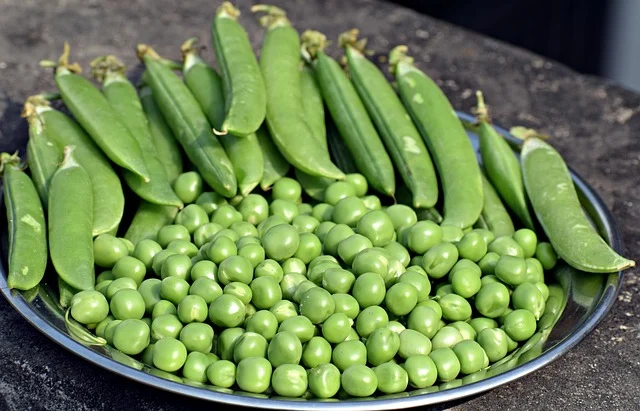
- Peas and corn: Thawed frozen green peas and sweet corn kernels (cooked or thawed) are favorite treats that float easily.
- Cucumbers and zucchini: Diced into tiny, manageable pieces or grated fine.
Protein treats and live foods
- Mealworms and earthworms: Live or dried mealworms, small earthworms, and black soldier fly larvae offer high-protein foraging practice.
- Cooked eggs: Plain scrambled or hard-boiled eggs mashed into small crumbles provide an easily digestible nutrient boost.
Foods that are toxic or dangerous to ducklings
Ducklings are opportunistic foragers and will peck at almost anything offered to them. You must strictly avoid feeding them the following dangerous items:
- Medicated chick feed: Many medicated chick starter formulations contain amprolium or ionophore coccidiostats. Ducklings consume significantly more feed and water per body weight than chicks, making them susceptible to overdosing on feed medications. Always choose unmedicated feed unless a qualified avian veterinarian instructs otherwise.
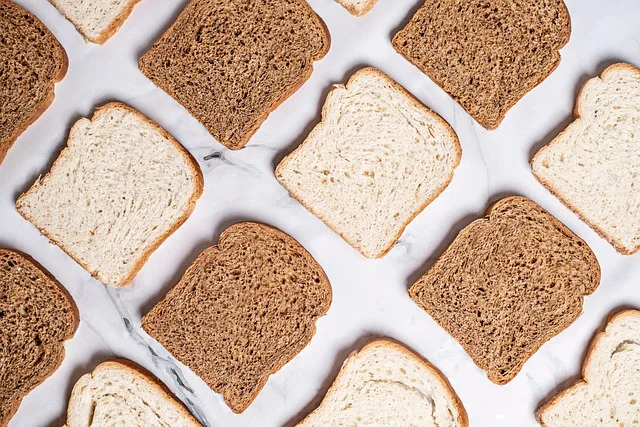
- Bread, crackers, and bakery products: Bread offers empty carbohydrates, zero niacin, and high sodium. Also, it expands in the crop, leads to sour crop, and fills their stomach without providing nutritional value, directly causing angel wing and severe skeletal deformities.
- Avocado: The pit, skin, and flesh of avocados contain persin, a fatty acid derivative highly toxic to birds that causes heart distress and respiratory failure.
- Onions and garlic: Contain thiosulfates that destroy red blood cells in poultry, leading to hemolytic anemia and lethargy.
- Citrus fruits: Grapefruit, lemons, limes, and oranges contain high levels of citric acid, which can cause severe digestive upset and interfere with calcium absorption.
- Raw dried beans: Raw or uncooked beans contain phytohaemagglutinin, a natural toxin that is fatal to poultry even in small quantities.
- Lawn clippings: Cut grass from lawnmowers can pack tightly in the crop, causing impaction. Mown grass may also contain chemical fertilizers, herbicides, or pesticides.
Common feeding problems and how to fix them
Catching feeding problems early prevents permanent disability or flock losses. So, here are the most frequent nutrition-related issues in ducklings and how to correct them.
Niacin deficiency (Splayed legs and hock joint swelling)
If a duckling seems shaky, sits often, or has outward-bowing legs, act fast. Increase niacin. Offer concentrated brewer’s yeast or dissolve 100 mg of non-flush niacin per gallon in their drinking water. Provide non-slip bedding. Use ribbed shelf liner, rubber mats, or clean cotton towels. Avoid slippery newspaper; it worsens leg problems. See Can Dogs Eat Apples? Common Mistakes to Avoid for brooding pen setup tips. This also applies to duck food for ducklings.
Angel wing (Carpo-metacarpal rotation)
Angel wing manifests when the wrist joint of one or both wings twists outward, causing primary flight feathers to point sideways rather than lying flat against the body. This condition is caused by high-calorie, high-protein diets or excess carbohydrates (such as bread) during weeks three to six.
Crop impaction and choking
If a duckling has a hard, distended crop or gasps for air after eating, check their water source. Always ensure feed dishes sit next to clean, deep waterers. If you are feeding greens or insects as duck food for ducklings, ensure insoluble chick grit is available. This helps the gizzard crush tough fibrous plant tissues.
Sources: Duck as food
Frequently asked questions
Can ducklings eat chicken feed?
Ducklings can eat unmedicated chick starter only if you fortify it with additional niacin, such as food-grade brewer’s yeast. Standard chicken feed lacks the niacin levels ducklings require and will cause leg deformities if fed without supplements. Never use medicated chick feed without veterinary direction.
How much water do ducklings need when eating?
Ducklings must have continuous access to fresh drinking water whenever food is available, as they cannot swallow dry crumbles without water. The waterer must be deep enough for ducklings to submerge their entire beak to clean their nostrils, but designed to prevent them from falling in and drowning.
What is the best niacin supplement for ducklings?
Food-grade brewer’s yeast is the safest and most convenient niacin supplement for ducklings. Mixing 1.5 to 2 tablespoons of brewer’s yeast into every kilogram of dry starter feed provides the extra vitamin B3 required for healthy leg and joint development.
Can ducklings eat bread?
No, ducklings should never eat bread, rolls, or crackers. Because bread lacks essential vitamins and niacin, expands in the digestive tract to cause crop impaction, and directly contributes to malnutrition and angel wing deformity.
What causes angel wing in ducklings?
Lowering protein levels at three weeks and providing regular exercise helps prevent this condition.