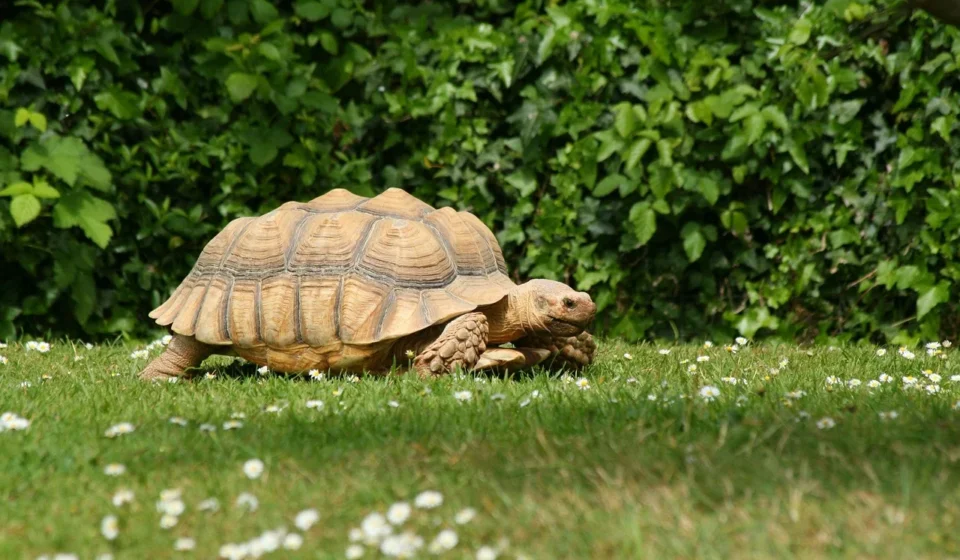
Knowing how to take care of a turtle means providing a species-appropriate enclosure. It needs a controlled thermal gradient. Also, dedicated UVB lighting is key. Clean water or proper substrate is vital. A balanced diet suited to their life stage completes their care.
Different species have distinct requirements, from deep swimming tanks with heavy-duty filtration for aquatic Red-Eared Sliders to damp burrowing substrates for terrestrial Box Turtles. Proper maintenance also involves routine sanitation and ongoing costs, such as replacing UVB bulbs every 6 to 12 months.
This guide explains how to select the right turtle species. It also covers constructing aquatic or land enclosures, following age-based feeding schedules, and maintaining water quality.
How to Take Care of a Turtle: Complete Habitat, Diet, and Health Guide
To take care of a turtle, you must provide a species-appropriate enclosure with a controlled thermal gradient, dedicated UVB lighting, and clean water or proper substrate. You must also feed a balanced omnivorous or herbivorous diet suited to their life stage. Additionally, maintain strict habitat sanitation to prevent common health issues.
Is a pet turtle right for your household?
Learning how to take care of a turtle begins with an honest assessment of your home, lifestyle, and financial readiness. Reptiles do not require daily walks or social bonding like dogs or cats. However, their environmental sensitivity demands strict routine maintenance and specialized equipment.
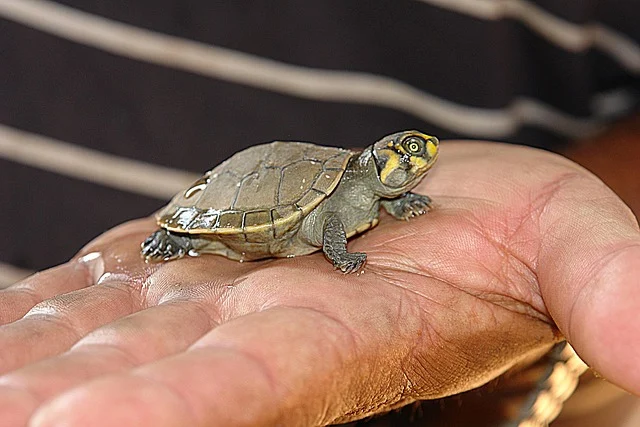
Who pet turtles suit:
- Dedicated reptile enthusiasts who enjoy setting up and maintaining controlled micro-environments.
- Keepers who prefer observing natural behaviors rather than holding or petting an animal.
- Households prepared for a commitment spanning several decades, as captive aquatic and land turtles regularly live between 20 and 50 years.
Who pet turtles do not suit:
- Families looking for a cuddly, touch-friendly pet for young children.
- Anyone on a strict budget should be aware of significant initial and recurring costs. These include high-capacity external canister filters, large aquariums (75 to 120 gallons), and replacing UVB bulbs every 6 to 12 months.
- Frequent movers or renters, as moving massive water-filled tanks and delicate environmental setups is cumbersome. If you are weighing low-maintenance options among popular household pets, see What Are the Most Popular Pets? Your Guide for realistic care comparisons.
- Individuals unwilling to follow strict handwashing protocols to prevent Salmonella exposure.
How do you choose the right turtle species?
The first step in understanding how to take care of a turtle is selecting a species whose mature size, diet, and habitat requirements fit your available space. Many pet turtles fall into three distinct habitat categories: aquatic, semi-aquatic, and terrestrial.
Aquatic species need deep water for swimming. This includes Red-Eared Sliders, Painted Turtles, and African Sideneck Turtles. They also need an easily accessible dry basking station. Terrestrial species require large land enclosures. Eastern Box Turtles are an example. They need deep, moist substrate for burrowing. Semi-aquatic species split time evenly. They use both land and shallow water zones. These are all part of how to take care of a turtle.
Adult Red-Eared Sliders grow to 10-12 inches. They need a 75-100 gallon aquarium. Box Turtles require a 4×2 foot indoor area. They can also use a secure outdoor enclosure. Learning how to take care of a turtle is key. Buy from a reputable breeder. Reptile rescues are also good. This ensures a healthy, captive-bred turtle. Avoid wild-caught specimens. Do not buy from temporary markets. These animals often have parasites. They also suffer from poor care.
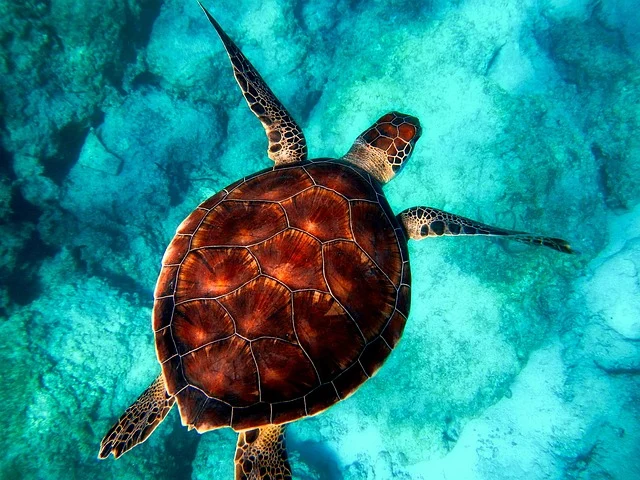
Comparing popular turtle species and their core needs
| Species Category | Common Species | Primary Environment | Minimum Enclosure Size | Water Temp | Basking Surface Temp | Primary Diet |
|---|---|---|---|---|---|---|
| Aquatic | Red-Eared Slider, Painted Turtle | Deep swimming tank with dry basking dock | 75–100 gallons (10 gal per inch of shell) | 75°F–80°F (24°C–27°C) | 85°F–95°F (29°C–35°C) | Aquatic pellets, dark leafy greens, aquatic plants, feeder insects |
| Semi-Aquatic | African Sideneck, Mud Turtle | Shallow water section with extensive land area | 50–75 gallons or custom paludarium | 75°F–82°F (24°C–28°C) | 88°F–92°F (31°C–33°C) | Insects, earthworms, aquatic pellets, small feeder shrimp |
| Terrestrial | Eastern Box Turtle, Ornate Box Turtle | Moist topsoil/mulch substrate with shallow soaking basin | 4ft x 2ft enclosure or outdoor pen | N/A (Air: 75°F–82°F) | 85°F–90°F (29°C–32°C) | Earthworms, insects, dark leafy greens, berries, slugs |
How do you build an aquatic turtle habitat?
An aquatic habitat must support swimming space, efficient waste management, and proper thermoregulation. Setting up an enclosure involves several critical steps:
- Calculate tank size: Apply the standard rule of 10 gallons of water for every 1 inch of shell length. A turtle with a 7-inch shell requires at least a 70-gallon tank. Always choose wider, longer aquariums over tall, narrow ones to maximize surface area and swimming room.
- Install heavy-duty filtration: Turtle waste contains concentrated ammonia and organic solids. Therefore, use an external canister filter rated for 2 to 3 times your tank’s actual water volume. Filters designed for standard fish aquariums clog rapidly and fail to neutralize toxic spikes.
- Maintain water temperature: Use a submersible glass or titanium aquarium heater to maintain water temperatures between 75°F and 80°F (24°C–27°C) for most common species. Fit a sturdy plastic heater guard around the heating element so your turtle cannot bite, crack, or burn itself on the tube.
- Construct an accessible basking zone: Create a solid dry platform where your turtle can climb entirely out of the water. The platform must allow the turtle to dry its shell completely on both top (carapace) and bottom (plastron).
- Install heat and UVB lighting: Position a heating lamp over the basking dock to create a surface temperature of 85°F to 95°F (29°C–35°C). Mount a dedicated high-output UVB tube light (5.0 or 10.0 strength) or a mercury vapor bulb directly beside the heat lamp. Do not place glass or acrylic panels between the UVB bulb and the basking area. Solid barriers block beneficial light waves. However, replace UVB bulbs every 6 to 12 months.
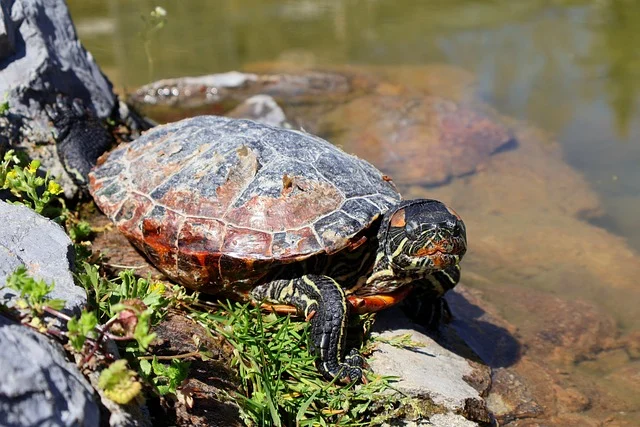
How do you construct a terrestrial turtle enclosure?
Land turtles like Box Turtles need floor space, burrowing substrates, and controlled air humidity rather than deep water setups.
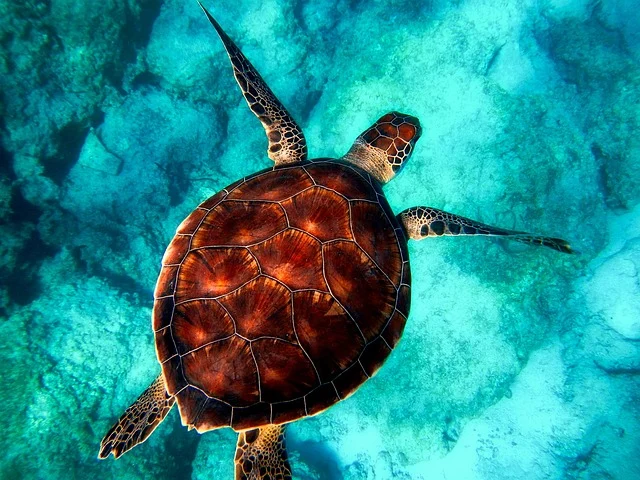
- Select an appropriate enclosure structure: Glass fish tanks restrict air turnover and reflect images, causing stress for land turtles. Instead, use a wooden tortoise table, a heavy plastic stock tank, or a secure outdoor enclosure in warm climates.
- Layer a deep burrowing substrate: Fill the bottom with 4 to 6 inches of a damp organic topsoil, coconut coir, and sphagnum moss mixture. This substrate supports natural digging instincts. It also retains moisture to preserve microclimate humidity without becoming waterlogged.
- Establish a thermal gradient: Keep ambient air between 75°F and 82°F (24°C–28°C). Also, use a focused heat lamp warming a basking surface to 85°F–90°F (29°C–32°C). Provide multiple hides on both the warm and cool ends of the enclosure so your turtle can regulate its body temperature comfortably.
- Regulate humidity and soaking areas: Maintain relative air humidity between 60% and 80% through light daily misting. Also, provide a shallow water dish with low ramp edges. This allows the turtle to step in and soak safely without risk of tipping over or drowning.
What and how often should you feed your turtle?
Feeding your turtle requires matching their dietary evolution as they age. Most aquatic turtles start out heavily carnivorous as hatchlings to support rapid growth and become increasingly herbivorous as adults.
Feeding frequency by age:
- Hatchlings and juveniles (under 1 year): Feed daily. Offer only what they consume in 5 to 10 minutes.
- Sub-adults (1 to 3 years): Feed every second day.
- Mature adults (3+ years): Feed 3 times per week.
Dietary breakdown for aquatic turtles:
Offer leafy greens. These include dandelion, romaine, turnip, collard, and kale. Also, provide aquatic plants like duckweed or Anacharis. Offer animal protein weekly. For example, use live earthworms, crickets, or dubia roaches. However, avoid feeder fish, like goldfish or rosy red minnows. These fish contain thiaminase. This enzyme breaks down Vitamin B1. As a result, it leads to severe neurological deficiencies.
Dietary breakdown for box turtles:
Essential dietary supplements:
Dust food with pure calcium carbonate powder. Do this twice a week for juveniles, once a week for adults. Also, provide a multi-vitamin powder with pre-formed Vitamin A. Give it once every two weeks to prevent eye and respiratory issues. Keep a cuttlebone in the habitat. This helps with how to take care of a turtle’s beak health. Turtles can gnaw it for extra calcium.
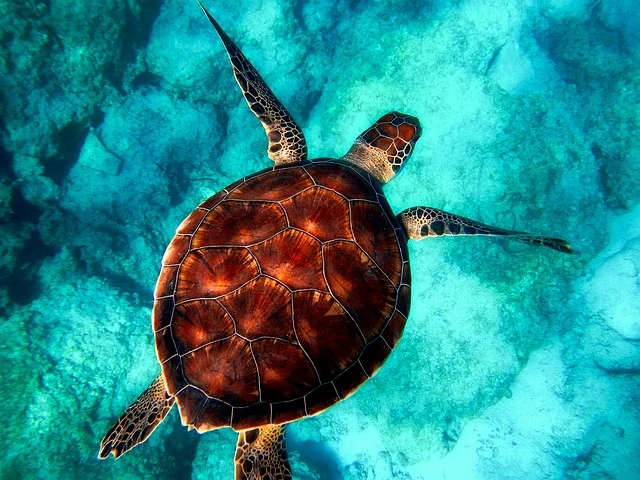
How do you maintain clean water and enclosure sanitation?
Maintaining water quality keeps your turtle healthy and prevents foul odors from developing in your home.
Weekly tank care:
- Siphon out 25% to 30% of the aquarium water using a gravel vacuum, removing uneaten food particles and debris from the bottom substrate.
- Treat cold tap water with a water dechlorinator to neutralize chlorine, chloramines, and heavy metals before adding it to the tank.
- Test water using liquid test kits to verify that ammonia and nitrite remain at 0 ppm, while nitrates stay below 20 ppm.
Monthly filter care:
- Disassemble canister filters and rinse mechanical pads in buckets of extracted tank water. Never use fresh tap water to clean filter media. Because chlorine kills the beneficial bio-filter bacteria responsible for breaking down toxic waste.
- Wipe down tank glass, inspect electrical cords for wear, and ensure heating elements function smoothly.
What common health issues affect pet turtles?
According to the Merck Veterinary Manual, many common turtle diseases stem directly from husbandry errors. These include poor lighting, cold water, or improper diets. However, spotting early signs helps prevent life-threatening complications.

Metabolic Bone Disease (MBD)
Metabolic Bone Disease occurs when a turtle cannot absorb calcium. This is due to a lack of UVB light, low dietary calcium, or unbalanced calcium-to-phosphorus ratios. Symptoms include a soft shell, misaligned jaws, weak limbs, and difficulty walking or swimming. Shell pyramiding is another sign. To prevent early MBD, upgrade lighting fixtures. This provides strong UVB coverage. Also, administer oral calcium supplements. Consult a reptile vet for Vitamin D3 therapy in severe cases. This is all part of how to take care of a turtle.
Shell rot
Shell rot is a bacterial or fungal infection. It penetrates scutes after physical scratches. Dirty water or no drying under a heat lamp also cause it. Symptoms include soft, discolored, white, red, or foul-smelling shell patches. Flaking scute layers or exposed bone also appear. Treatment, part of how to take care of a turtle, requires isolation. Place the turtle in a dry container for part of the day. Clean lesions with dilute antiseptic solution. Apply prescribed topical or systemic antibiotics from a veterinarian.
Respiratory infections
Chilly drafts, low water temperatures, or improper humidity cause respiratory infections. Symptoms include wheezing, nasal discharge, or gaping. Eye swelling or tilted swimming also occur. These are signs of lung inflammation. For how to take care of a turtle, immediately increase water and basking temperatures. Seek veterinary antibiotic treatment.
Vitamin A deficiency
Unbalanced diets cause Vitamin A deficiency. This includes a lack of dark greens. Solely dried insects or iceberg lettuce are also culprits. Swollen, crusty eyelids are symptoms. Refusal to eat and raw skin patches also occur. Secondary respiratory illness can develop. For how to take care of a turtle, feed beta-carotene rich foods. Dandelion greens, carrots, and sweet potatoes are good choices. Apply veterinary Vitamin A treatments as directed.
How should you handle and interact with a pet turtle?
Turtles are non-social animals that view handling as a potential predator threat. Therefore, minimizing handling keeps stress levels low and prevents accidental injuries.
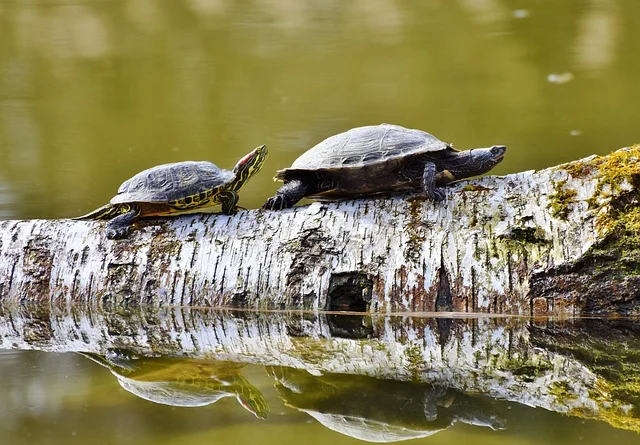
Handling guidelines and hygiene:
- Support the turtle securely using two hands along the middle sides of the shell. However, keep your hands behind the front leg openings to prevent bites from strong-jawed species.
- Keep the turtle low to the ground to prevent fatal injuries from accidental drops if they squirm.
- Never place a turtle on its back, as turning upside down compresses their internal organs and lungs.
- Practice strict Salmonella safety. Turtles naturally carry Salmonella bacteria in their digestive tracts without displaying symptoms. So, wash hands thoroughly with soap and warm water immediately after handling your turtle, touching habitat equipment, or changing water. Also, keep tank equipment out of kitchen sinks and food preparation zones.
Environmental enrichment:
Keep your turtle active by providing physical variety within the enclosure. For example, in aquatic tanks, arrange smooth river rocks, non-toxic driftwood, and sturdy live plants like Anubias or Java Fern. For terrestrial enclosures, vary the terrain with gentle soil mounds, shallow leaf litter, and subterranean hiding caves.
When should you consult a reptile veterinarian?
Turtles naturally hide illness until advanced. Establish care with an exotic pet veterinarian. Find a vet registered with the Association of Reptile and Amphibian Veterinarians. Do this soon after getting your turtle. Schedule an annual wellness exam. This checks weight, shell density, and fecal parasite loads. For more on how to take care of a turtle, contact your vet promptly. Do so if your turtle stops eating for over a week. Also if it swims tilted to one side. Or shows persistent eye swelling. Or develops soft spots on its shell.
Sources: Turtle
Frequently asked questions
Can I keep an aquatic turtle in a small fish bowl or plastic container?
No, keeping an aquatic turtle in a small container or standard fish bowl causes severe stress, stunted growth, and toxic ammonia buildup. Aquatic turtles require at least 10 gallons of water volume per inch of shell length, equipped with heavy-duty canister filtration and designated thermal basking zones.
How long do pet turtles live in captivity?
With proper diet, filtration, and UVB lighting, pet turtles routinely live between 20 and 50 years or longer depending on the species. Red-Eared Sliders often reach 30 years, while Box Turtles can live over 50 years with correct care.
Do pet turtles need UVB lighting if they sit near a sunny window?
Without direct UVB light exposure, turtles cannot synthesize Vitamin D3 or process dietary calcium, leading to Metabolic Bone Disease.
How can I tell if my turtle’s shell is healthy?
A healthy shell should feel firm and solid to gentle touch without soft spots, pitting, peeling scutes, or foul odors. Smooth, uniform growth rings indicate healthy development, whereas raised conical bumps (pyramiding) signal past or ongoing dietary and lighting imbalances.
What should I do if my turtle refuses to eat?
Check environmental temperatures immediately if your turtle stops eating. Cool water or air slows their metabolic rate. It also slows their digestive system. If temperatures and lighting are correct, but your turtle still refuses food for over a week, consult a reptile veterinarian. They can check for respiratory infections or parasites. This is a key part of how to take care of a turtle.