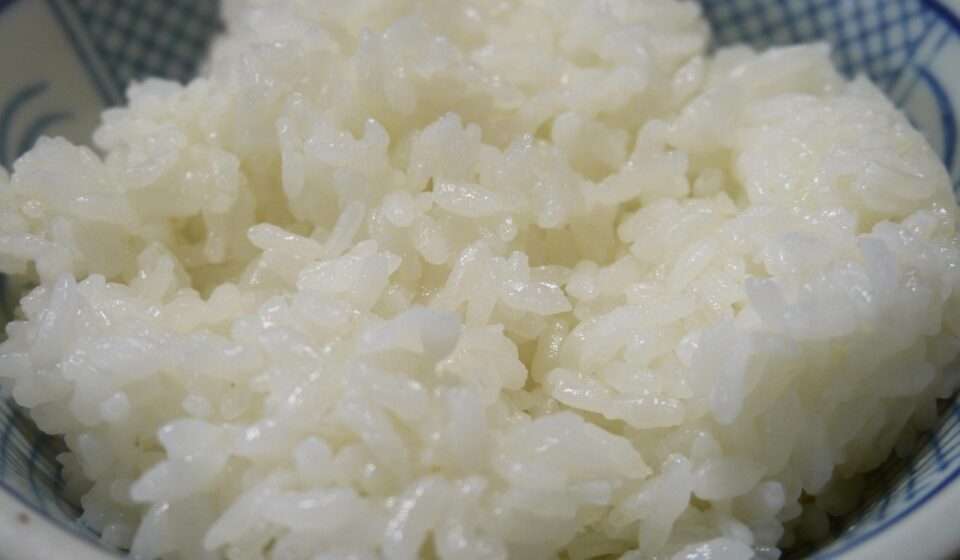
Yes, dogs can safely eat plain cooked rice. Plain white rice is easy to digest and frequently recommended by vets for treating dogs with upset stomachs, while brown rice provides added fibre and nutrients for healthy dogs when served plain and in moderation.
Why plain white rice helps dogs with diarrhoea and upset stomachs
When a dog experiences acute gastrointestinal distress, such as mild diarrhoea or an upset stomach, the digestive system requires temporary relief from complex proteins, heavy fats, and rich ingredients. Plain white rice serves as an ideal binding agent because it is low in dietary fibre and rich in simple starches. This composition allows the intestinal tract to process the grain effortlessly while absorbing water and recovering its natural lining.
The People’s Dispensary for Sick Animals (PDSA) regularly recommends a temporary bland diet combining plain boiled white rice with boiled, skinless, boneless chicken breast. White rice moves through the digestive tract quickly, leaving minimal metabolic residue while helping to firm loose stools. Because white rice is gentle on an inflamed digestive tract, it provides immediate, easily accessible energy without forcing the stomach or pancreas to work hard during digestion.
White rice vs brown rice for dogs
Although both white and brown rice originate from the same grain plant, their processing methods give them distinctly different nutritional profiles and digestive effects. White rice has its outer hull, bran layer, and germ removed during milling. Brown rice retains its natural bran coating and germ layer, which increases its vitamin and mineral content but also makes it much harder to digest.
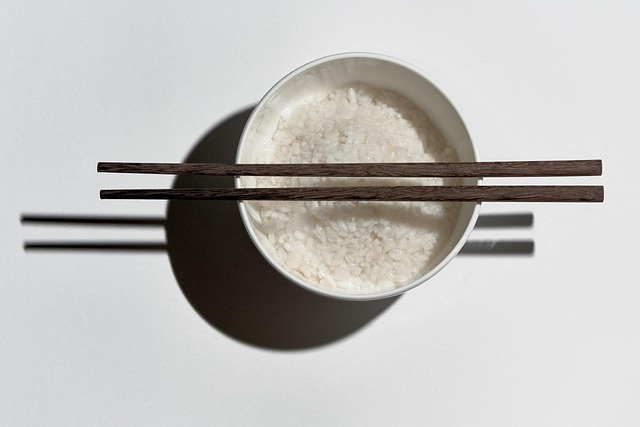
Here is how white rice and brown rice compare for canine nutrition:
| Feature | White Rice | Brown Rice |
|---|---|---|
| Digestibility | Very high (ideal for inflamed or sensitive stomachs) | Moderate (requires a healthy digestive system to process) |
| Fibre Content | Low (approx. 0.4g per 100g cooked) | Higher (approx. 1.8g per 100g cooked) |
| Glycaemic Index | High (causes rapid glucose absorption) | Medium (digested slower with gradual glucose release) |
| Nutrient Profile | Lower natural vitamins due to processing | Richer in natural B vitamins, magnesium, and phosphorus |
| Best Used For | Short-term recovery from diarrhoea or stomach upsets | Periodic diet addition for healthy, active dogs |
White rice should remain your primary choice for emergency bland diets during sudden gastrointestinal episodes. Brown rice makes a suitable supplementary carbohydrate for healthy dogs with strong digestive systems, but you should never feed brown rice to a dog currently suffering from active diarrhoea, vomiting, or acute stomach irritation.
Which other types of rice can dogs eat?
Not all commercial rice varieties or cooking preparations are equally safe for dogs. Different grain lengths, aromatic compounds, and seasonings change how rice affects your dog’s body.
Jasmine and Basmati rice
Jasmine and basmati rice are long-grain aromatic varieties that are safe for dogs when cooked plain in water. Basmati rice has a lower glycaemic index than standard short-grain white rice, meaning it causes a more gradual change in blood sugar levels while remaining easy to digest. If plain short-grain white rice is unavailable, plain cooked basmati or jasmine rice works as an effective substitute for a bland recovery diet.
Wild rice
Wild rice is not a true rice grain, but rather the seed of an aquatic marsh grass. It contains elevated levels of zinc, magnesium, and dietary fibre. Healthy dogs can consume plain wild rice in small quantities, but its tough outer sheath makes it difficult to break down. If you choose to serve wild rice, you must overcook it thoroughly until the grains pop open and soften completely; otherwise, it can cause intestinal cramping or pass through unabsorbed.
Seasoned rice, fried rice, and microwave pouches
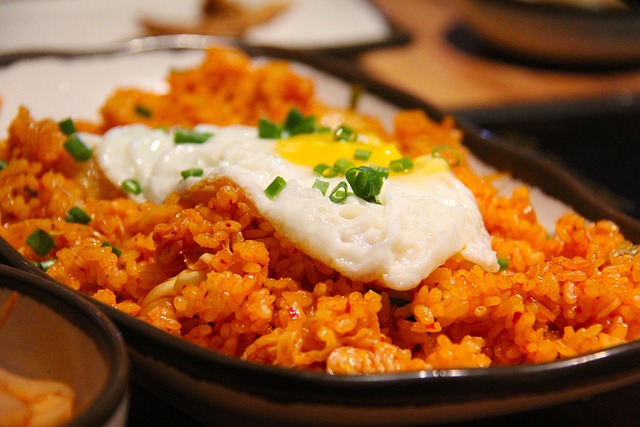
You should never feed your dog fried rice, pilaf, pre-seasoned rice mixes, or pre-packaged microwave rice pouches. Commercial human rice preparations contain ingredients, oils, and seasonings that can cause severe illness in dogs:
- Garlic and onions: Including garlic powder and onion granules, which contain compounds that damage canine red blood cells and lead to oxidative haemolytic anaemia.
- High sodium and soy sauce: Excessive salt content can trigger sodium ion toxicity, severe thirst, and systemic dehydration.
- Oils, butter, and lard: Rich fats can trigger acute pancreatitis, a painful and dangerous inflammation of the pancreas.
If your dog accidentally eats rice prepared with onions, garlic, or excess fat, monitor them closely for signs of lethargy, vomiting, pale gums, or dark-coloured urine, and contact a veterinarian immediately.
How to cook rice for your dog step-by-step
Preparing rice for a dog requires a precise method to maximize digestibility and eliminate hazardous ingredients. Human recipes often rely on added fats, salt, or stock, all of which must be avoided when cooking for pets.
- Rinse the raw rice thoroughly: Place dry rice in a fine-mesh sieve and rinse it under cold running water until the runoff is clear. This washes away excess surface starch and reduces trace levels of inorganic arsenic.
- Increase the water ratio: Use a higher water-to-rice ratio than normal human recipes require—typically 2.5 to 3 cups of water for every 1 cup of dry rice. Over-softening the grains aids gastrointestinal breakdown.
- Boil and simmer without additives: Bring the water to a boil, stir in the rinsed rice, cover with a tight-fitting lid, and reduce the heat to low. Do not add salt, broth, butter, seasonings, or olive oil.
- Simmer until soft and tender: Cook plain white rice for 18 to 20 minutes (or brown rice for 40 to 45 minutes) until the grains absorb all moisture and become soft and slightly sticky.
- Cool completely before serving: Spread the cooked rice on a flat plate to cool to room temperature. Serving warm or hot rice can burn your dog’s mouth and throat or cause trapped gas in the stomach.
How much rice should you feed your dog?
Portion control is critical whether you are using rice as a temporary bland diet or as an occasional treat.
When serving a short-term recovery diet for mild gastrointestinal issues, combine two parts plain boiled white rice with one part plain boiled skinless chicken breast. Divide your dog’s total daily portion into three or four small meals throughout the day rather than one large feeding.
Use these total daily volume guidelines (chicken and white rice mixture combined) based on your dog’s body weight:
- Toy breeds (under 5 kg): 2 to 3 tablespoons per meal.
- Small dogs (5–10 kg): 1/4 to 1/2 cup per meal.
- Medium dogs (10–25 kg): 1/2 to 1 cup per meal.
- Large dogs (25–40 kg): 1 to 1.5 cups per meal.
- Giant breeds (over 40 kg): 2 cups per meal.
The European Pet Food Industry Federation (FEDIAF) highlights that complete commercial dog foods provide all the balanced vitamins, minerals, and proteins a dog requires.
How to transition your dog back to regular food
A bland diet of chicken and white rice lacks essential long-term minerals, calcium, and fatty acids. Once your dog’s stool becomes firm and their digestion stabilizes, transition them back to their regular complete dog food over 3 to 4 days:
- Day 1: Serve 75% chicken and rice mixture combined with 25% regular dog food.
- Day 2: Serve 50% chicken and rice mixture combined with 50% regular dog food.
- Day 3: Serve 25% chicken and rice mixture combined with 75% regular dog food.
- Day 4: Return to 100% regular dog food.
If loose stools or vomiting return at any point during this transition, reduce the portion of regular dog food and contact your veterinarian.
When is rice not suitable for dogs?
While plain white rice is a standard veterinary diet tool, certain health conditions mean rice can be harmful or counterproductive:

Dogs with diabetes mellitus
White rice has a high glycaemic index, causing rapid blood glucose spikes after consumption. For diabetic dogs, feeding white rice can trigger unpredictable blood sugar fluctuations that disrupt insulin management. Always consult your vet before offering carbohydrates like white rice to a diabetic pet.
Overweight or inactive dogs
Rice is calorie-dense and rich in simple carbohydrates. In dogs struggling with obesity or reduced physical activity, adding extra carbohydrates leads to unwanted weight gain and places unnecessary strain on joints.
Dogs prone to systemic yeast infections
Simple carbohydrates convert into sugar during digestion, which feeds underlying yeast growth (such as Malassezia dermatitis). Breeds prone to skin and ear yeast infections—including West Highland White Terriers, Cocker Spaniels, and Basset Hounds—may experience symptom flare-ups when fed starchy grains like rice.
Dogs with grain sensitivities or allergies
Although grain allergies in dogs are less common than protein allergies, some dogs develop gastrointestinal or skin sensitivities to rice. Signs of an adverse reaction include itching, red skin, chronic ear issues, or persistent diarrhoea.
Is arsenic in rice dangerous for dogs?
Rice naturally absorbs inorganic arsenic from soil and water more readily than most other food crops. The U.S. Food and Drug Administration (FDA) and the Royal Society for the Prevention of Cruelty to Animals (RSPCA) note that elevated long-term intake of inorganic arsenic presents potential health concerns.
However, feeding plain white rice for a few days during an upset stomach poses virtually zero risk of heavy metal toxicity. If you plan to feed rice regularly as a dietary addition, you can minimize potential arsenic intake by taking two simple precautions:
- Thoroughly rinse raw rice in cold running water before cooking to strip away surface residue.
- Choose basmati or jasmine rice imported from India, Pakistan, or California, which naturally test for lower arsenic levels compared to grains grown in other regional soils.
Sources: Potcake dog, Can Dogs Eat Rice?
Frequently asked questions
Can I feed my dog rice every day?
Feeding plain cooked rice every day is not recommended for a healthy dog unless it is part of a complete, professionally formulated commercial dog food. Serving plain rice daily at home can displace balanced nutrients, leading to deficiencies in key vitamins, minerals, and amino acids over time.
How many days should a dog stay on a chicken and rice diet?
A bland diet of boiled chicken and white rice should generally be fed for 2 to 4 days until digestive function returns to normal. If your dog’s diarrhoea or stomach distress does not improve within 48 to 72 hours, consult your veterinarian for an accurate diagnostic evaluation.
Can dogs eat uncooked or raw rice?
No, dogs should never eat raw or uncooked rice. Uncooked grains are extremely difficult for a dog’s digestive system to break down, can absorb fluid in the intestinal tract causing painful swelling, and pose a clear choking or intestinal blockage hazard.
Is instant or minute rice safe for dogs?
Plain instant or minute rice is safe for dogs as long as it contains no added salt, seasonings, or flavorings. Minute rice is pre-cooked and dehydrated, making it a convenient, fast option when preparing a bland meal during an unexpected digestive emergency.