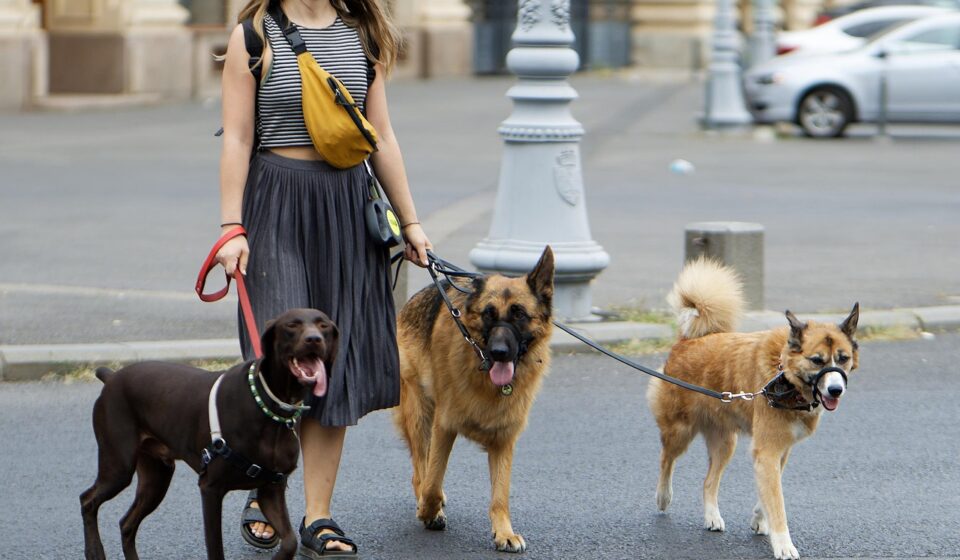
A dog walker provides professional exercise, companionship, and outdoor relief for dogs while their owners are away from home. Choosing the right walker involves evaluating their public liability insurance, animal handling credentials, group size limits, and emergency protocols before booking.
Finding a reliable person requires looking beyond basic scheduling. You need someone who understands canine behaviour, manages unexpected hazards calmly, and respects both your pet and your property. As outlined in the overview on Wikipedia, dog walking provides critical mental stimulation and daily movement that prevents behavioural problems caused by confinement.
What qualifications and credentials matter?
Dog walking is currently an unregulated industry in many jurisdictions, which means anyone can advertise as a walker without formal training. Because of this, verifying specific qualifications before hiring someone is essential for your pet’s safety.
I recommend checking for the following professional standards before committing to a contract:
- Public liability insurance: Covers accidental injury, loss, or damage caused by or to a dog while in the walker’s custody. Ensure the policy specifically includes care, custody, and control extensions, key loss coverage, and non-negligent medical cover.
- Canine first aid certification: Ensures the walker can treat minor injuries or recognize acute distress, such as heatstroke or bloat, before reaching a vet. Certifications should be refreshed every two to three years by an accredited provider.
- Criminal record check: A basic DBS check (in the UK) confirms that an individual who will hold keys to your home has no relevant criminal convictions.
- Professional membership: Affiliation with trade bodies such as the National Association of Registered Pet Sitters (NarpsUK) or Pet Sitters International (PSI) shows a commitment to basic codes of conduct.
How to verify provider credentials
Do not rely solely on verbal assurances. Ask to see physical or digital documentation during your initial interview:
- Insurance certificate: Check the valid expiry date and ensure the maximum number of dogs insured per walk matches the group sizes they operate.
- First aid certificate: Confirm the name on the certificate matches the person who will actually be walking your dog, not just an agency owner.
- DBS certificate: Ensure the background check was issued within the last two years.
Group walks versus solo walks
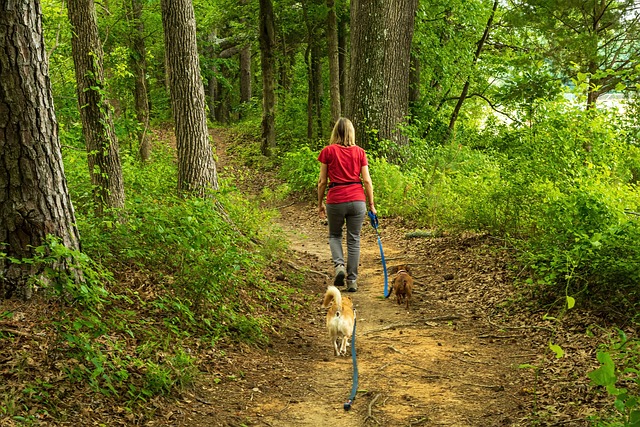
Walkers generally offer two types of service: solo walks or small group outings. Neither option is universally superior; the correct choice depends entirely on your dog’s temperament, age, and physical health.
| Feature | Solo Walks | Group Walks |
|---|---|---|
| Best suited for | Nervous, reactive, elderly, or unneutered dogs | Socialised, energetic dogs who enjoy pack play |
| Attention level | One-on-one focused attention | Divided among several dogs |
| Pace control | Tailored completely to your dog’s needs | Set by the overall group dynamic |
| Socialisation | Minimal to none | High level of dog-to-dog interaction |
Guidelines from animal welfare bodies like the Royal Society for the Prevention of Cruelty to Animals (RSPCA) advise that group walks should not exceed four dogs per handler at any one time. If a walker transports six or eight dogs at once, control and safety drop significantly.
Matching your dog to the right walk format
To determine which environment fits your pet, consider these common profile examples:
- Group walk candidate: A two-year-old spayed Labrador Retriever with strong recall, no resource guarding issues, and a history of calm interactions at public parks usually thrives in a managed four-dog group walk.
- Solo walk requirement: A seven-year-old rescue Collie who exhibits leash reactivity toward unfamiliar dogs, or an unneutered adolescent male prone to marking disputes, requires dedicated solo handling to prevent escalating stress.
Who group walks do not suit
Group outings are unsafe and unsuitable for:
- Intact females while in season (estrus).
- Unvaccinated young puppies or dogs recovering from recent surgery.
- Dogs with severe resource guarding around toys, sticks, or treats.
- Dogs that suffer from severe motion sickness during group transit in vehicles.
What questions should you ask during an initial meeting?
Always insist on an in-person meeting at your home before making a booking. This allows you to observe how the walker interacts with your dog on familiar ground. During this meeting, I advise asking the following direct questions:
Where will my dog be walked, and how are they transported? If the walker uses a van or car, check that dogs are secured individually in crates or with seatbelt harnesses rather than left loose in the back. Vehicles should have proper ventilation and temperature control.
What is your policy for off-lead exercise? A walker should never unleash your dog in a public area without your explicit written permission and a period of building reliable recall first.
What happens in an emergency? Ask for their written emergency procedure. They should have your vet’s contact details, your written consent for emergency treatment, and a secondary contact if you are unreachable.
How do you handle behavioural issues? Avoid any walker who uses punitive equipment like prong collars, slip leads, or physical corrections. Modern professional dog care relies exclusively on positive reinforcement.
Red flags to watch for during the meet-and-greet
End the interview process if you observe any of these warning signs:
- The walker refuses to show physical proof of insurance or background checks.
- They dismiss your dog’s specific triggers or dietary instructions as unimportant.
- They handle your dog forcefully or use sudden physical corrections during the initial introduction.
- They refuse to sign a written contract detailing service terms, access arrangements, and emergency consent.
Home security, key handling, and daily logistics
Granting a walker entry to your property requires clear security agreements to protect your home and privacy.
Key management standards
- Unmarked keys: Never allow a walker to attach your address, surname, or keycode details directly to your key fob. Keys should be tagged with an internal code system known only to the walker.
- Secure storage: Keys must be kept in a locked key safe when not actively in use, rather than left inside transit vehicles overnight.
- Lockbox entry: Setting up an external combination lockbox at your property allows you to maintain control of your keys while granting access via a code that can be updated periodically.
Post-walk handoff routine
A professional walker should follow a consistent wrap-up procedure before leaving your premises:
- Remove wet harnesses, muddy coats, or dirty collars near the entryway.
- Towel dry paws, legs, and underbellies thoroughly during wet weather.
- Check and refill water bowls with fresh, clean water.
- Confirm the dog is safely settled in their designated area before securing all exterior doors and alarm systems.
Weather policies and safety protocols
Professional dog walkers must adapt their services during harsh weather conditions to prevent injury or heat-related illness.
Extreme heat management
Asphalt and concrete store immense heat during warm weather, posing severe risk to canine paw pads and thermal regulation. Professional walkers adhere to these heat safety protocols:
- The 5-second pavement test: Placing the back of a hand on the pavement for five seconds. If it is too hot for human skin, it is too hot for dog paws.
- Schedule adjustments: Shifting walks to early morning or late evening hours when temperatures drop.
- Shortened relief walks: Substituting long aerobic walks with short toilet breaks followed by indoor mental stimulation or shade-bound enrichment.
Cold and wet weather precautions
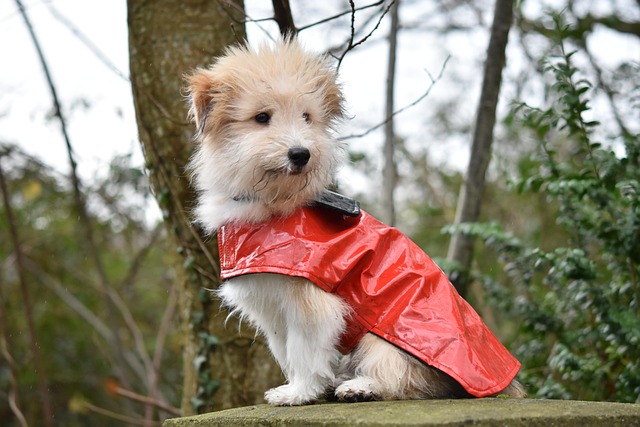
In freezing temperatures or heavy rain, walkers should fit weather-appropriate coats provided by the owner, avoid pavements treated with toxic rock salt or chemical de-icers, and wipe down paws thoroughly post-walk to prevent grit ingestion during self-grooming.
Troubleshooting common operational problems
Even with careful planning, challenges can arise during ongoing walking arrangements. Here is how to resolve typical issues:
Dog refuses to go with the walker
If your dog shows hesitation or fear when the walker arrives, do not force them out the door. Request that the walker conduct two or three short, low-pressure visits paired with high-value treats inside your home. Step out of sight briefly while the walker delivers rewards to build positive associations before attempting full outdoor walks.
Inconsistent timing windows
Professional service agreements should specify a flexible arrival window (typically 1 to 2 hours, such as 11:30 AM to 1:30 PM) to accommodate traffic delays. If a walker consistently arrives outside this window, discuss tightening schedules to prevent meal or medication disruption.
Preparing your dog and home for a walker
Once you select a walker, clear organisation helps the service run smoothly and prevents misunderstandings.
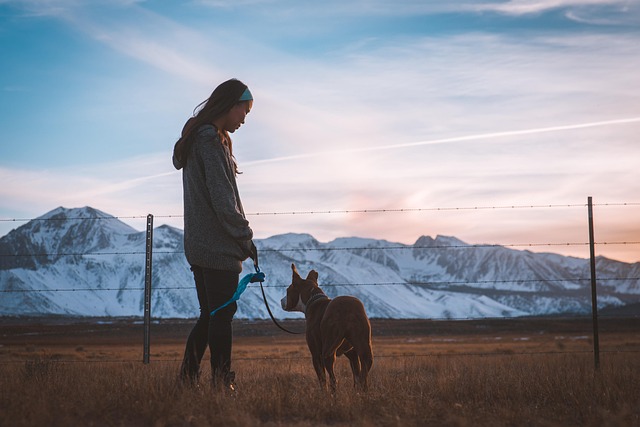
Provide well-fitted equipment. A sturdy flat collar or harness and a standard six-foot lead are essential. Extendable flex-leads should be avoided, as they offer poor control in busy areas and can cause injury.
Leave clean towels near the entrance during wet months so the walker can wipe muddy paws before letting your dog back inside.
If you use an online matching platform like Rover or Tailster, read individual reviews carefully rather than relying solely on the platform’s overall rating. Platform vetting varies, so you must still conduct your own reference checks and initial interview.
Who dog walking services suit (and who they do not)
While hiring a walker provides ideal support for many households, it is not the correct solution for every situation.
Ideal candidates for a dog walker
- Full-time workers who spend extended hours away from home daily.
- Owners recovering from illness, injury, or surgery who cannot meet their dog’s exercise demands.
- High-energy breeds that require mental and physical outlets beyond a quick garden break.
Who should consider alternative arrangements
- Dogs with severe separation anxiety: A 30-to-60-minute walk leaves hours of alone time unaddressed. These dogs benefit more from full-day pet sitters or home-based care.
- Dogs with severe dog-on-dog aggression: If a dog poses a high safety risk to other animals despite solo handling, specialized clinical animal behaviourists should be engaged before introducing external walking staff.
Sources: Dog walking
Frequently asked questions
How many dogs can one dog walker handle at once?
Most local councils and animal welfare organizations recommend a maximum of four dogs per walker at any single time to ensure full control and safety.
Does a dog walker need insurance in the UK?
While not strictly a legal requirement, reputable professional walkers carry public liability insurance to cover property damage, injury, or loss of an animal while under their care.
What should happen if my dog gets injured during a walk?
A professional walker must contact you immediately, possess basic canine first aid training, and have explicit written consent to take your dog to your nominated veterinary practice in an emergency.
How long is a standard dog walk?
Standard walks typically last either 30 or 60 minutes, excluding transit time to and from the walking location.
What equipment should I provide for my dog walker?
Provide a well-fitted harness or flat collar, a standard six-foot fixed lead, clean towels by the door, poop bags, and any required high-value treats or medications.