A Haven for Your Hens: Essential Considerations for a Modern Chicken Coop in 2026
As of July 2026, the popularity of backyard chickens continues to soar, making the design and construction of a functional and safe coop of chicken more critical than ever for hobbyists and urban farmers alike. A well-designed coop isn’t just shelter; it’s a vital component for the health, happiness, and productivity of your flock. This guide delves into the essential elements to consider when planning, building, or upgrading a coop, ensuring it meets the needs of your birds and complies with modern best practices in avian welfare.
- A coop of chicken needs adequate space per bird, with a minimum of 2-4 square feet inside and 10 square feet in the run.
- Predator-proofing is paramount, incorporating sturdy materials, secure latches, and hardware cloth for ventilation openings.
- Proper ventilation, nesting boxes, roosting bars, and easy-to-clean features are crucial for flock health and management.
- Material choice impacts durability, insulation, and maintenance; consider wood, metal, or composite options.
- Future-proofing your coop involves planning for potential flock expansion and ease of maintenance.
Room to Roam: Space and Layout Essentials
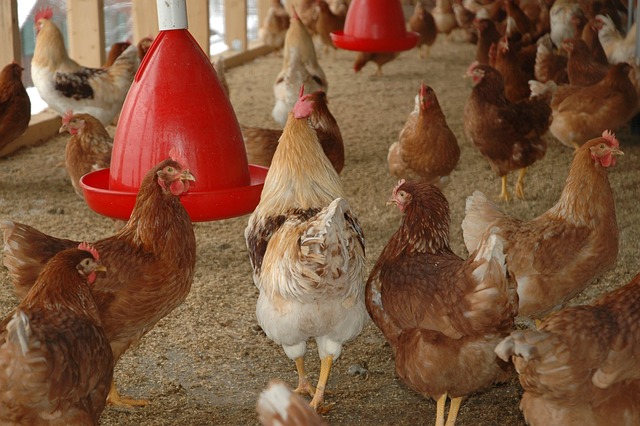
The adage “happy hens lay happy eggs” holds true, and ample space is foundational to flock happiness. For a coop of chicken, the general rule of thumb is to provide at least 2 to 4 square feet of interior floor space per standard-sized chicken. This area is crucial for roosting, laying eggs, and seeking shelter during inclement weather. Overcrowding can lead to stress, increased aggression, feather pecking, and a higher susceptibility to diseases. Beyond the interior, the exterior run is equally vital. Aim for a minimum of 10 square feet of outdoor space per bird. Coop of chicken allows them to forage, dust bathe, and engage in natural behaviours. For breeds prone to free-ranging or those with higher energy levels, this space can be increased. The layout of the coop should facilitate easy management. This means ensuring nesting boxes are accessible from the outside for egg collection, and that the entire coop can be cleaned efficiently without too much physical strain.

Fortifying the Fortress: Essential Predator Protection
As of July 2026, predator deterrence remains one of the most critical aspects of chicken coop design. Foxes, raccoons, hawks, weasels, and even neighbourhood dogs pose significant threats to backyard flocks. A solid predator-proofing strategy involves several layers of defense. Firstly, the coop structure itself must be sturdy. Walls should be made of solid wood, metal, or durable composite materials, free from any gaps or weak points. Ventilation openings are often overlooked entry points for predators. Instead of simple gaps, these should be covered with strong, small-gauge hardware cloth (1/2 inch or 1/4 inch mesh). Chicken wire, while common, is often too weak and can be easily torn by determined predators. All doors and access points should be secured with solid latches that predators can’t easily manipulate, such as carabiner clips or slide bolts with an extra locking mechanism. Burying hardware cloth around the perimeter of the run can prevent digging predators from entering from below.
Breathing Easy: Ensuring Adequate Ventilation and Climate Control
Proper ventilation in a coop of chicken is paramount for managing moisture, ammonia build-up, and temperature fluctuations. Chickens produce a significant amount of moisture through their breath and droppings, which, if trapped, can lead to respiratory issues and frostbite in colder months. Ventilation should allow for a constant exchange of fresh air without creating direct drafts on the roosting birds. Ideally, vents should be placed high in the coop, near the roofline, to allow moist, warm air to escape. In warmer climates, ventilation is crucial for preventing heatstroke. Consider coops with ample screened openings or adjustable vents. For colder regions, the focus shifts to managing moisture and preventing freezing pipes, while still allowing for air exchange. Insulation can be beneficial in extreme climates, but it’s essential that insulation doesn’t trap moisture. A well-ventilated coop will have noticeably fresher air and drier litter, contributing significantly to the flock’s overall health.

Comfort and Convenience: Nesting Boxes and Roosting Bars
Nesting boxes provide a secure, private space for hens to lay their eggs. For every 3–4 hens, one nesting box is generally sufficient. The ideal dimensions for a standard nesting box are approximately 12x12x12 inches, though this can vary slightly depending on the breed. They should be placed in a dark, quiet part of the coop, away from high-traffic areas, to encourage hens to lay there consistently. Using ample bedding material, such as pine shavings or straw, makes them more inviting. Roosting bars are where chickens naturally sleep. Chickens prefer to perch off the ground at night, as they would in the wild. Provide roosting bars made of wood (about 2 inches wide with rounded edges) that are easy for them to grip. These should be positioned higher than the nesting boxes, as chickens will naturally seek the highest perch. Ensure there’s enough linear space for all birds to roost comfortably without being on top of each other – roughl8–1010 inches per bird. Placing roosts away from the main activity areas minimizes droppings in the sleeping zone.
Building Blocks: Selecting Durable Coop Materials
The choice of materials for your coop of chicken significantly impacts its longevity, insulation properties, and maintenance requirements. Untreated wood is a popular choice due to its availability and ease of use, but it requires regular maintenance to prevent rot and insect infestation. Cedar and redwood are naturally more resistant to decay and pests. For a more durable and low-maintenance option, consider treated lumber (ensure it’s safe for animal housing, typically ACQ or similar), or composite materials like recycled plastic lumber, which is impervious to rot and pests. Metal roofing is a durable and effective choice for the roof, offering good protection against the elements and deterring predators. For the floor, treated plywood or a concrete slab can be effective, especially in areas with high moisture or predator pressure. Avoid using materials that can easily be chewed through or compromised by weather. As of July 2026, many pre-fabricated coops use a combination of treated lumber frames with composite or metal siding, offering a good balance of durability and ease of assembly. According to the National Association of Backyard Poultry Keepers, durable materials reduce long-term replacement costs and labour.
Keeping It Tidy: Streamlining Coop Cleaning and Maintenance
Regular cleaning is non-negotiable for a healthy chicken coop. A deep clean should be performed at least twice a year, with spot cleaning of soiled bedding and droppings occurring weekly. The easiest coops to clean are those with features designed for it: large doors, removable roosts and nesting boxes, and smooth, easy-to-wipe surfaces. A deep litter method, where fresh bedding is added periodically on top of older, dry litter, can help manage moisture and odor, but requires careful monitoring to ensure it doesn’t become a breeding ground for parasites. Routine maintenance also includes checking for structural integrity, ensuring latches are secure, and monitoring for any signs of pest infestation (rodents, mites, lice). Annual checks for roof leaks or damage from weather are also wise. For coops with automatic doors, ensure the mechanism is functioning correctly and safely. Investing time in regular upkeep will prevent more significant problems down the line and contribute to a healthier environment for your flock.
Beyond the Basics: Innovative Coop Features for 2026
Modern coop designs are increasingly incorporating features that enhance convenience and avian welfare. Walk-in coops, for instance, allow easy access for cleaning, egg collection, and even spending time with your flock. Integrated automatic chicken doors that open and close based on light sensors or timers simplify daily routines and provide enhanced security. Some advanced designs even include built-in temperature and humidity monitoring systems, offering peace of mind for owners. Consider incorporating a dust bath area within the run, a shallow bin filled with sand, soil, and a bit of diatomaceous earth (food-grade), which is crucial for parasite control. For those in areas with extreme weather, consider a coop that allows for easy attachment of temporary winter insulation or summer shade solutions. The evolution of coop design is driven by a desire for greater functionality, improved animal welfare, and smooth integration into the backyard landscape.
Frequently Asked Questions
How much space does a chicken coop need?
A coop of chicken should offer at least 2 to 4 square feet of interior space per standard-sized bird, with an additional 10 square feet per bird in the outdoor run. This ensures comfort and reduces stress within the flock.
What is the best material for a chicken coop?
Durable, weather-resistant materials like treated lumber, cedar, or composite materials are excellent. Hardware cloth (1/2 inch or 1/4 inch mesh) is essential for secure ventilation and predator protection.
How often should I clean a chicken coop?
Weekly spot cleaning of soiled bedding and droppings is recommended. A thorough deep clean of the entire coop should be done at least twice a year to maintain hygiene.
Should a chicken coop have a window?
Yes, windows are beneficial for natural light and ventilation. They should be securely covered with hardware cloth to prevent predator entry and drafts.
How many nesting boxes do I need?
You generally need one nesting box for every 3 to 4 hens. Coop of chicken provides adequate private space for them to lay eggs comfortably.
Can I build a chicken coop myself?
Absolutely. Many resources and plans are available for DIY chicken coop construction. It requires basic carpentry skills and attention to detail, particularly regarding predator-proofing.
Building a Better Coop for a Healthier Flock
Creating an effective coop of chicken is a rewarding endeavor that prioritizes the well-being of your flock. By carefully considering space requirements, solid predator-proofing, adequate ventilation, comfortable nesting and roosting areas, and durable materials, you can construct a sanctuary that supports healthy egg production and happy hens for years to come. As you plan your coop in 2026, remember that investing in quality design and construction is an investment in the long-term health and productivity of your backyard poultry. Information current as of July 2026; pricing and product details may change.