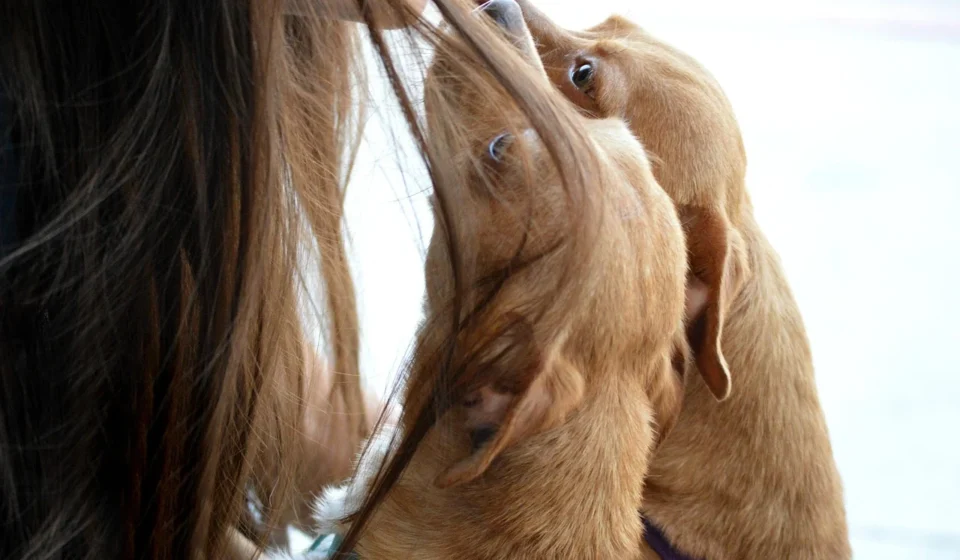
The Chiweenie is a compact Chihuahua-Dachshund crossbreed known for its high energy, intense loyalty, and characteristic long body with short legs. Typically weighing 5 to 15 pounds and standing 6 to 10 inches tall, these small dogs inherit the alert watchdog instincts of the Chihuahua alongside the bold, persistent nature of the Dachshund.
This guide examines the physical traits and temperament of the Chiweenie, along with step-by-step housebreaking and positive-reinforcement training methods. It also details key health management strategies for spinal risks and dental care, as well as diet and feeding recommendations to maintain a healthy weight.
Chiweenie physical traits and lineage
A Chiweenie is a crossbreed dog created by pairing a Chihuahua with a Dachshund, producing a compact companion known for high energy, loyalty, and expressive ears. Typically weighing 5 to 15 pounds, these energetic small dogs inherit a long body and short legs alongside an alert, affectionate personality.
The Chiweenie emerged during the rise of designer crossbreeds in the late 20th and early 21st centuries. Breeders aimed to combine the portable size of the Chihuahua with the sturdy frame and charming coat variations of the Dachshund. Because major kennel clubs do not evaluate mixed breeds for purebred registration, body shape and fur characteristics vary depending on parent traits. This captivating canine offers a unique blend of loyalty, spunk, and affection, making them a popular choice for those seeking a devoted, albeit small, companion.
In physical structure, most adult Chiweenies stand 6 to 10 inches tall at the shoulder. Their ears may stand fully erect like a Chihuahua’s or flop downward like a Dachshund’s, while their muzzles are usually slightly longer than a Chihuahua’s but shorter than a standard Dachshund’s. Coat textures vary widely depending on parentage. Their coats can be short and smooth, or long and silky, depending on whether the Dachshund parent was a smooth, longhaired, or Dachshund variety. Common colors include solid black, chocolate, tan, cream, reddish-brown, or patterned coats featuring brindle or dapple spots.
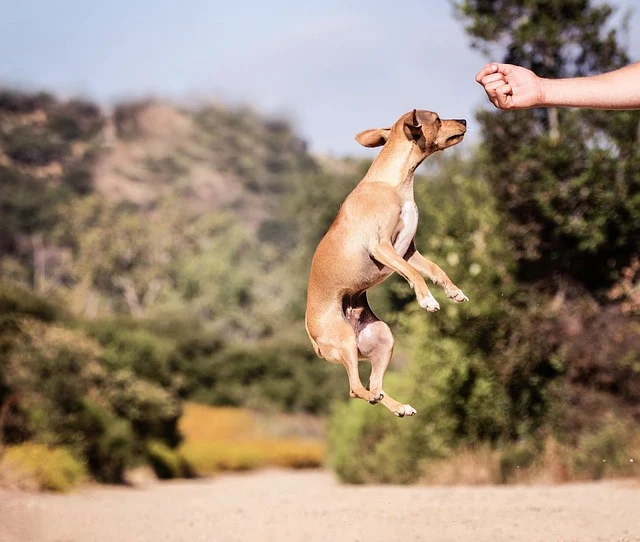
Comparing physical and behavioral traits across the crossbreed and its founding breeds highlights how traits merge in first-generation offspring.
| Trait | Chiweenie | Chihuahua | Dachshund |
|---|---|---|---|
| Average Weight | 5 to 15 lbs | 2 to 6 lbs | 11 to 32 lbs (standard/mini) |
| Average Height | 6 to 10 inches | 5 to 8 inches | 5 to 9 inches |
| Spine Risk (IVDD) | Moderate to High | Low | Very High |
| Coat Types | Smooth, Long, Wirehaired | Smooth, Longhaired | Smooth, Longhaired, Wirehaired |
| Barking Propensity | High | High | Moderate to High |
| Digging Instinct | Moderate to High | Low | Very High |
What temperamental traits does a Chiweenie inherit?
Chiweenies inherit strong personality traits from both parents, blending the sharp watchdog instincts of the Chihuahua with the bold, persistent nature of the Dachshund. They possess high intelligence and intense loyalty, often directing their primary devotion toward one person in the home.
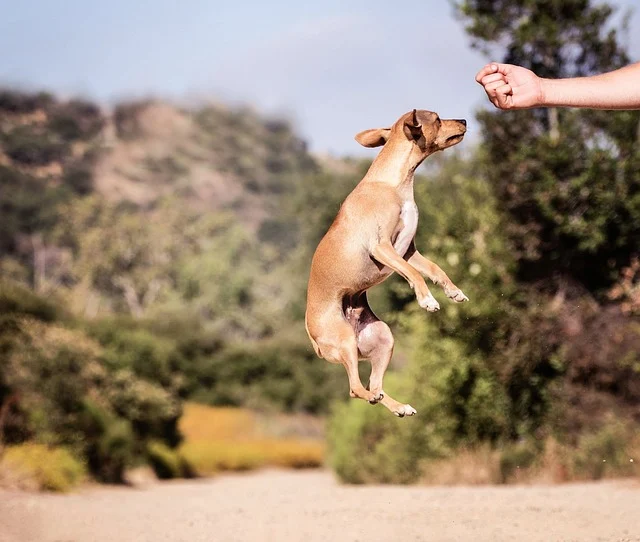
The velcro bond and single-person devotion
Many Chiweenies develop an intense bond with a single owner, following them from room to room. This shadow-like attachment makes them deeply affectionate, but it can trigger separation distress if the dog is left isolated for long stretches. Without daily structure, an anxious Chiweenie may resort to persistent whining, pacing, or destructive chewing around doors and furniture.
Watchdog instincts and vocal habits
Both parent breeds carry a strong instinct to alert their pack to unusual activity. A Chiweenie will readily bark at passing pedestrians, doorbells, or strange noises outside apartment walls. Managing this habit requires early training to teach a quiet command, rather than reinforcing alert barking by yelling back.
Burrowing and digging drives
Dachshunds were originally bred to scent and flush burrowing animals out of subterranean dens. Chiweenies routinely inherit this drive, expressing it by tunneling under couch blankets, burrowing into laundry piles, or scratching at outdoor turf. Providing dedicated indoor blanket nests or snuffle mats redirects this instinct constructively.
Who this dog is not suited for
While loving and adaptable, a Chiweenie is not ideal for every living situation:
- Busy households with 8 to 10-hour absences: Their strong attachment tendencies lead to distress when left alone for long work shifts.
- Homes with toddlers or very young children: Their small frames and delicate spines make them vulnerable to injury from rough accidental handling or falls.
- Owners seeking a silent pet: Their natural watchdog alertness means quiet training requires ongoing effort.
How do you train and housebreak a Chiweenie?
Training a Chiweenie requires patience, high-value rewards, and short practice sessions. Both parent breeds carry an independent streak that makes harsh punishment completely ineffective, often causing the dog to shut down or act out defensively.

Step-by-step housebreaking routine
Because small breeds have compact bladders and rapid metabolisms, housebreaking can present an initial hurdle. Consistent schedules speed up success:
- Establish rigid outdoor timing: Take your Chiweenie outside immediately after waking up, 15 to 20 minutes after every meal, following indoor play sessions, and right before bed.
- Designate a single potty location: Escort your puppy to the exact same grass or turf area so lingering scent cues encourage prompt relief.
- Reward immediately upon completion: Offer verbal praise and a tiny, high-value treat within two seconds of them finishing outdoors.
- Neutralize indoor accidents thoroughly: Clean any indoor missteps with an enzymatic cleaner to eliminate invisible scent markers that prompt repeat marking.
- Restrict unsupervised room access: Keep the puppy in the same room as you or use a playpen until they remain accident-free for four consecutive weeks. For more guidance on indoor puppy boundaries, see Wirehaired Pointing Griffon: The Keen Hunter’s All-Weather Companion.
Early socialization protocol
Beginning between 8 and 16 weeks of age, introduce your puppy to a wide variety of sounds, surface textures, weather conditions, and friendly people. Controlled exposures prevent fearful reactions around larger dogs or unfamiliar visitors. Enroll in positive-reinforcement puppy socialization classes to practice obedience commands around mild distractions.
What health risks affect the Chiweenie spine and body?
Hybrid vigor can reduce some genetic risks, but Chiweenies remain vulnerable to structural and dental issues inherited directly from Dachshunds and Chihuahuas. Proactive care helps prevent premature wear on their joints and spinal discs.
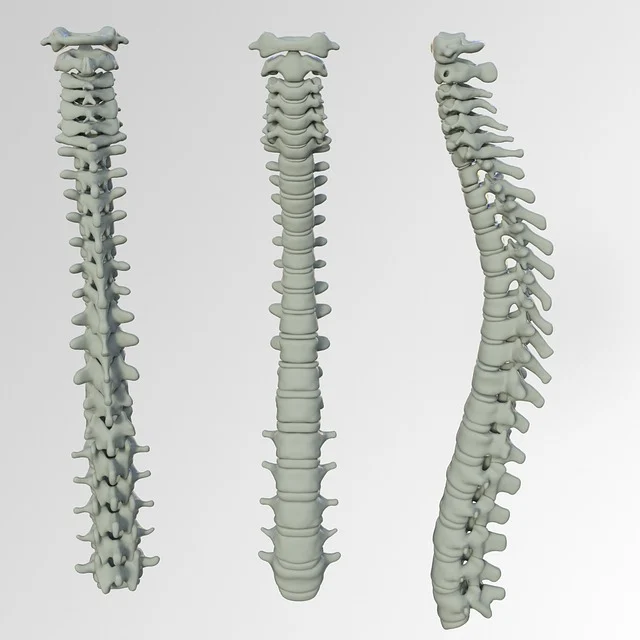
Intervertebral disc disease (IVDD) prevention
The elongated spine and short limbs inherited from the Dachshund place significant mechanical stress on spinal discs. Intervertebral Disc Disease occurs when an intervertebral disc bulges or ruptures, pressing against the spinal cord and causing severe pain or paralysis.
Protect your dog’s spine by enforcing simple home modifications:
- Install non-slip pet ramps or padded steps beside couches and beds to stop high-impact jumping.
- Fit a soft, step-in chest harness for daily walks instead of attaching a lead directly to the neck collar.
- Support both the chest and hindquarters simultaneously whenever lifting the dog.
- Block access to steep indoor staircases with dog gates.
Dental care and oral hygiene
Chihuahuas frequently suffer from crowded teeth and narrow jaws, which trap food particles and accelerate plaque accumulation. Chiweenies inherit this tendency, leaving them prone to early periodontitis, inflamed gums, and tooth loss.
Brush your dog’s teeth daily using a soft finger brush and dog-formulated enzymatic toothpaste. Incorporating dental chews approved by the Veterinary Oral Health Council helps slow calculus buildup between routine veterinary cleans.
Patellar luxation, hypoglycemia, and lifespan
Patellar luxation occurs when the kneecap slips out of its normal anatomical groove, causing a temporary limp or skipping stride. Maintaining a lean weight keeps excess pressure off the stifle joints. Young puppies weighing under 4 pounds are also susceptible to hypoglycemia (sudden blood sugar drops), requiring frequent, nutrient-rich meals.
With balanced nutrition, preventative spinal care, and regular veterinary check-ups, the average lifespan of a Chiweenie ranges from 10 to 13 years, with many living even longer.
What is the best diet and daily feeding routine?
Small dogs burn energy quickly compared to larger breeds, requiring high calorie density packed into small, manageable kibble sizes. Overfeeding, however, poses a severe risk to their spinal integrity.
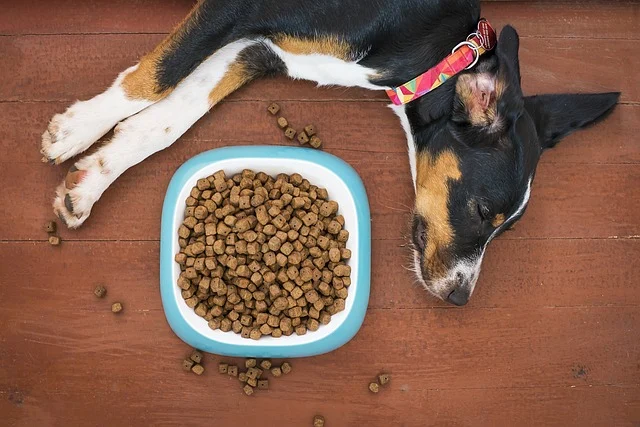
Portion sizes and weight management
Most adult Chiweenies require between 1/2 and 1 cup of dry small-breed kibble per day, divided into two distinct morning and evening meals. Measure every portion with an accurate measuring cup rather than free-feeding. Extra body weight pulls the spine downward, drastically increasing the likelihood of IVDD flare-ups.
Evaluating food quality
Select commercially balanced small-breed foods featuring real meat (such as chicken, beef, or lamb) listed as the first ingredient. Formula kibble designed for tiny jaws makes chewing easier while mechanically scrubbing surface plaque off small teeth. If your dog is prone to weight gain, consult your vet regarding calorie-controlled diets.
How much exercise and mental stimulation do they need?
Chiweenies possess moderate physical exercise demands combined with a strong need for mental engagement. Balancing physical workouts with brain games prevents nuisance barking and indoor digging.
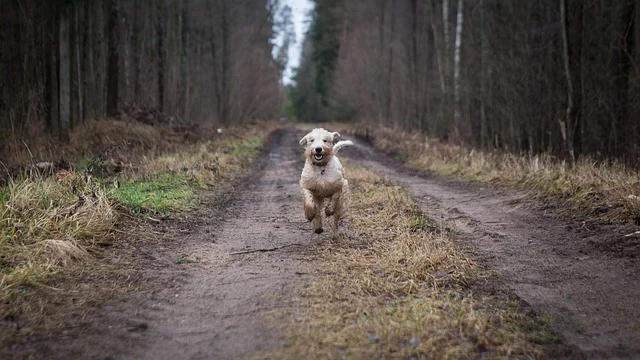
Daily exercise routines
Two brisk 15 to 20-minute daily walks provide adequate cardio exercise for a healthy adult Chiweenie. Keep outings on flat pavement or well-maintained grassy trails rather than steep terrain or high obstacles. During cold weather, short-haired individuals require a fitted fleece sweater to preserve core heat, as Chihuahuas tolerate cold poorly.
Indoor enrichment and problem-solving
A physically exercised Chiweenie can still become restless if their brain is understimulated. Channel their sharp problem-solving instincts with daily enrichment activities:
- Puzzle feeders: Serve meals inside sliding-tray puzzles or treat balls to slow consumption and build focus.
- Indoor scent games: Hide small kibble pieces around a room or inside a folded towel for them to track down using their nose.
- Designated digging outlets: Fill a shallow fabric box with soft blankets so they can dig and nest safely indoors.
How do you groom different Chiweenie coat types?
Grooming requirements depend primarily on the coat length and texture inherited from parent lines. Establishing routine handling habits during puppyhood ensures stress-free grooming sessions.
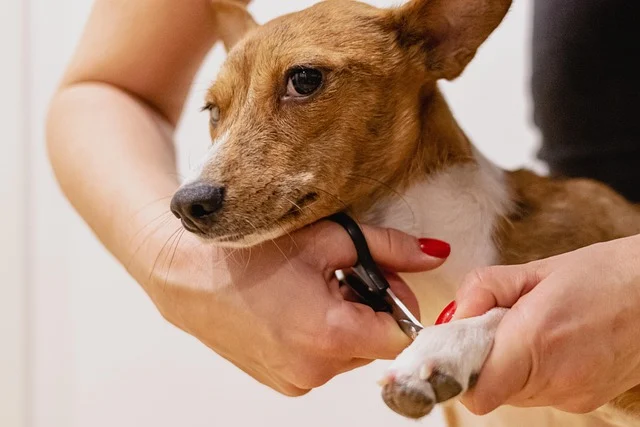
Smooth coat grooming
Short-haired Chiweenies require simple maintenance. Brush their coat once a week with a rubber grooming curry or soft-bristle brush to remove loose hairs and redistribute skin oils. Smooth coats shed moderately year-round, requiring minimal bathing unless the dog rolls in dirt.
Longhaired and wirehaired coat care
Longhaired or wirehaired varieties require brushing three times per week using a slicker brush and metal comb to prevent painful tangles behind the ears, beneath the armpits, and along the thighs. Trim excess hair around the paw pads to maintain foot traction on hardwood floors.
General hygiene tasks
Maintain a strict maintenance schedule across all coat types:
- Nail trimming: Clip or grind nails every 3 to 4 weeks. Overgrown nails alter how the foot hits the ground, twisting toe joints and placing secondary strain on the spine.
- Ear cleaning: Inspect flop ears weekly for wax, discharge, or foul odors. Clean the outer ear canal using a cotton pad damp with veterinary ear cleanser.
- Bathing: Wash every 4 to 6 weeks using a mild, moisturizing dog shampoo. Thoroughly dry the coat, especially around the chest and belly, before letting the dog outside in cool weather.
What should you consider before acquiring a Chiweenie?
Adding a Chiweenie to your home requires evaluating budget expectations, household dynamics, and potential sources. Knowing what to prepare ensures a smooth transition for both you and your pet.
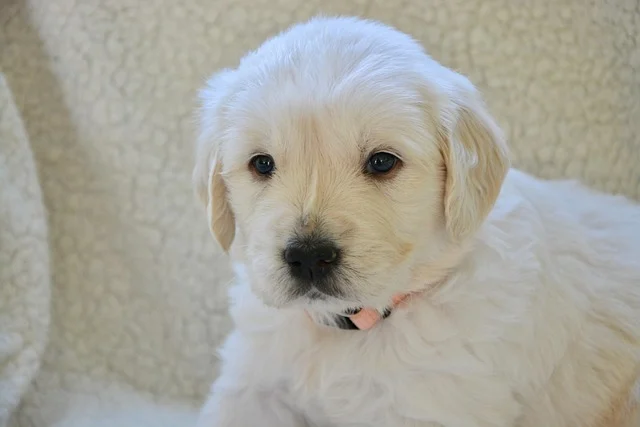
Finding a breeder or adoption shelter
When searching for a Chiweenie puppy, seek out ethical breeders who prioritize health testing over coat color trends. Responsible breeders raise litters indoors, socialise puppies early, and allow buyers to inspect the mother and living conditions. Puppy prices typically fall between £300 and £800, depending on breeder reputation and geographic location.
Rescue organizations and local shelters frequently house Chiweenies and similar small crossbreeds. Adoption fees generally cover spaying or neutering, microchipping, initial vaccinations, and health screenings prior to placement. For details on acclimating a rescue dog to your schedule, see Can Dogs Eat Apples? Common Mistakes to Avoid.
Avoiding common owner mistakes
New owners often fall into common management traps due to the dog’s tiny size:
- Treating them like toys: Carrying a Chiweenie everywhere prevents them from building confidence on their own feet, worsening insecurity around strange dogs.
- Skipping preventative boundaries: Failing to block access to elevated sofas often leads to emergency spinal injuries from single bad landings.
- Inconsistent vocal boundaries: Allowing puppies to bark at every indoor sound establishes deep-seated barking habits that become difficult to undo later.
Frequently asked questions
Are Chiweenies good apartment dogs?
Yes, Chiweenies adapt exceptionally well to apartment spaces due to their small size and modest physical exercise requirements. However, owners must actively manage their watchdog barking instincts through quiet training and consistent mental enrichment.
Do Chiweenies shed a lot?
Chiweenies shed a moderate amount year-round, though overall fur volume is low due to their small physical size. Weekly brushing for smooth coats or tri-weekly brushing for longhaired coats keeps loose fur fully under control.
What health problems are common in Chiweenies?
Their primary health vulnerabilities include Intervertebral Disc Disease (IVDD) caused by an elongated spine, alongside dental crowding and patellar luxation. Regular dental brushing, weight management, and furniture ramps significantly minimize these health risks.
How long do Chiweenies live?
With balanced nutrition, preventative healthcare, and safe handling to protect their back, a Chiweenie typically lives between 10 and 13 years. Many individuals reach 14 to 16 years with diligent weight management and proactive vet care.
Are Chiweenies good with children?
Chiweenies thrive best in homes with older, gentle children who understand how to handle small dogs carefully. Their delicate spinal structure and small frame make them susceptible to accidental injury during rough play with very young toddlers.