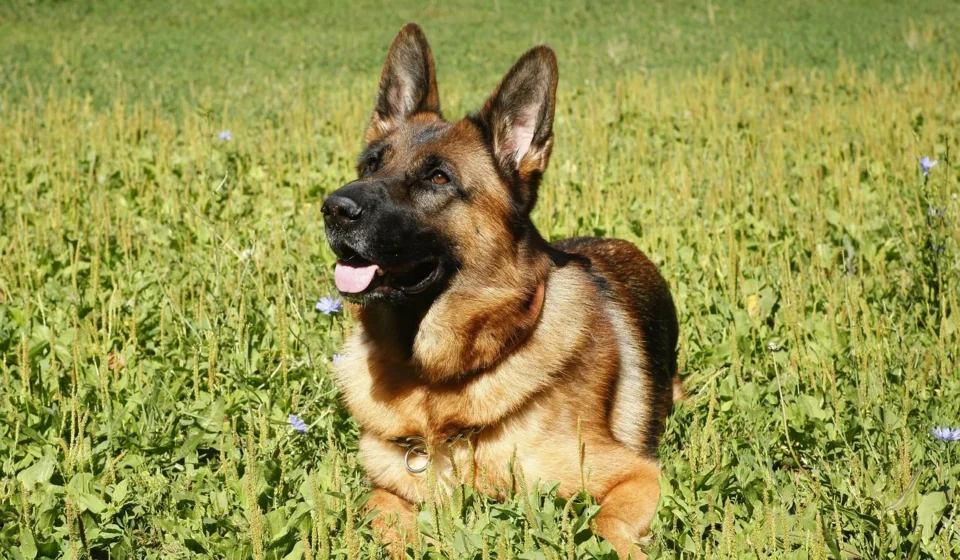
The standard German Shepherd temperament is confident, highly intelligent, intensely loyal, and naturally aloof towards strangers without showing unprovoked aggression. Built for high endurance and work, the breed possesses a strong drive to learn, closely bond with its immediate family, and respond swiftly to structured training.
While often described as an all-round family protector, a German Shepherd’s precise behaviour depends heavily on genetics, early socialisation, and daily exercise. Understanding the nuances of their personality requires looking past general stereotypes and examining how working lines, show lines, and physical drive shape their behaviour in a typical home.
What are the core traits of the German Shepherd temperament?
The official Kennel Club breed standard describes the German Shepherd as composed, steadfast, and self-assured. A well-bred individual displays a calm watchfulness rather than nervous hyper-reactivity. Unlike breeds that greet every stranger with enthusiasm, the German Shepherd usually maintains a polite, detached distance until introduced.
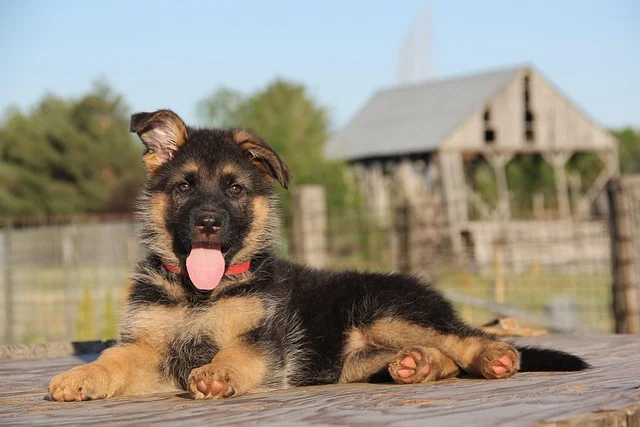
Key behavioural characteristics include:
- High trainability and cognitive focus: Ranked among the most intelligent canine breeds, they absorb commands quickly. They also require clear task-oriented communication.
- Strong pack loyalty: They form deep attachments to their human household, often following owners from room to room.
- Protective instincts: They naturally monitor their territory and family, alerting owners to unusual activity without needing encouragement to guard.
- High drive (prey and biddability): Their ancestral background as herding and working dogs endows them with a strong desire to chase moving objects and complete tasks alongside a handler.
How do working lines compare to show lines in temperament?
Not all German Shepherds behave the same way, and the division between breeding lines creates significant differences in drive, energy, and day-to-day handling requirements. Choosing the wrong line is one of the most frequent mistakes prospective owners make.
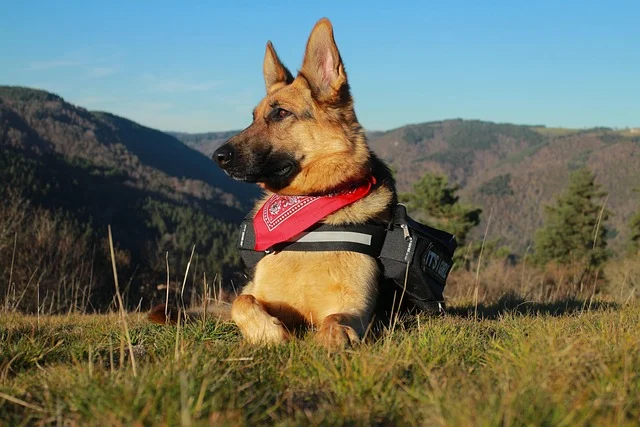
Working lines (such as West German working, Czech, or DDR lines) are bred primarily for drive, mental stamina, and police or sport tasks. Show lines (West German show or American show lines) are selected predominantly for physical appearance, coat, and a more accessible level of energy suited for family living.
| Extremely high; requires intensive daily tasks
| Moderate to high; content with standard exercise
| Relentless, highly persistent under pressure
| Balanced; settles down more readily indoors
| Higher demand for firm control and active handler focus
| More forgiving for novice handlers
| Working roles, dog sports (IGP, agility), experienced handlers
| Active families, general companionship
| Temperament Feature | Working Line | Show Line |
|---|---|---|
| Energy & Drive | ||
| Intensity & Focus | ||
| Threshold for Reactivity | ||
| Best Suited For |
we generally advise against buying a working-line German Shepherd if your goal is simply a relaxed household pet. Without intensive daily physical output and structured mental challenges, a working-line dog will often manifest extreme frustration through destructive chewing, persistent barking, or reactivity.
Are German Shepherds naturally aggressive or overly protective?
A healthy German Shepherd temperament is protective, not aggressive. Aggression in this breed almost always stems from poor breeding, lack of socialisation, fear, or deliberate mis-training. A dog that growls or lunges indiscriminately at passing strangers is demonstrating fear or reactivity, not true protective capability.
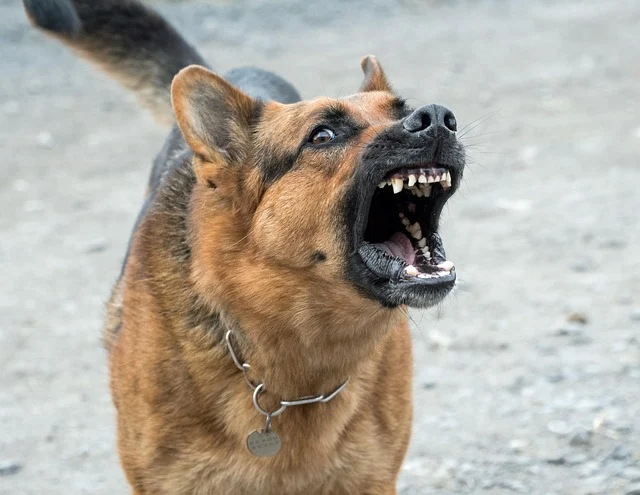
Their natural instinct is to assess a situation before acting. When a stranger approaches, a well-balanced Shepherd observes calmly. If an owner accepts the visitor, the dog should step back and relax. Problems arise when owners mistake territorial anxiety for good guarding behaviour, encouraging territorial barking at fences or windows.
If you are looking into coat colour variations alongside personality, you can read about specialized colour lines in our guide on.
Socialization steps to build a balanced temperament
Socializing a German Shepherd puppy isn’t about meeting everyone. Over-stimulating a puppy can cause leash frustration. It may also lead to fear-based reactivity. Proper socialization, for German Shepherd temperament, means teaching calmness. Dogs learn to be neutral in diverse environments.
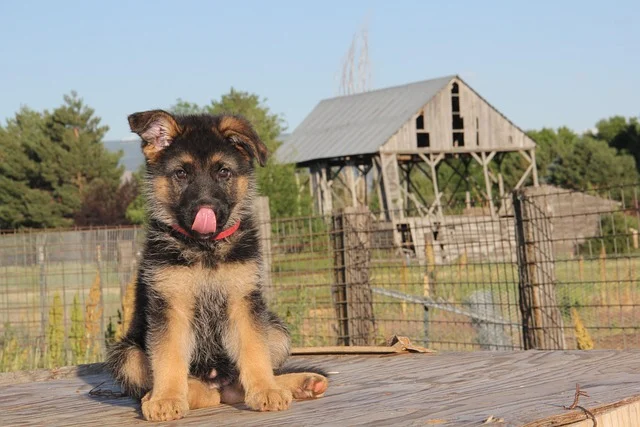
- Focus on environmental exposure: Expose your puppy to varied walking surfaces (gravel, metal grates, shiny tile), traffic noises, umbrellas, and busy streets while rewarding calm observation.
- Enforce dog neutrality: Practice obedience commands at a comfortable distance from other dogs. Reward your puppy for looking at you rather than trying to greet the other animal.
- Controlled human interactions: Allow visitors to enter the home without smothering the puppy with intense eye contact or high-pitched voices. Teach the puppy that guests are uninteresting events.
- Crate and threshold discipline: Establish boundaries early. Teach the dog to wait patiently before rushing through doorways or out of car boots.
How do German Shepherds behave with children and other pets?
German Shepherd temperament, when well-managed, makes them patient with children. They are watchful guardians for their family. They form gentle bonds with younger members. However, their herding ancestry can cause nipping. They may chase children running and screaming during play.
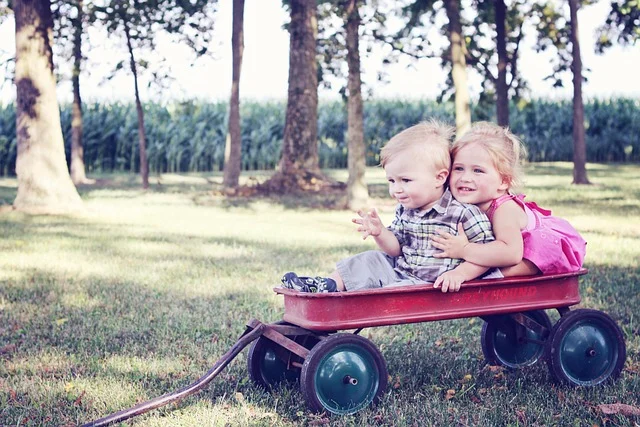
It is crucial to supervise all interactions. Children must be taught not to disturb a resting dog, pull ears, or approach the dog’s food bowl. Because of the breed’s size and strength, an accidental knock-down can easily occur during enthusiastic play.
Regarding household cats and smaller pets, the breed’s prey drive requires careful evaluation. A German Shepherd can live peacefully with a cat if introduced early and taught strict boundary rules. However, an unfamiliar neighborhood cat running across the garden will almost certainly trigger an intense chase response.
Exercise and mental stimulation requirements
Physical movement alone will not tire out a adult German Shepherd. Walking three miles on a lead covers physical needs but leaves their active brain completely unexercised. To keep their temperament balanced, you must combine aerobic work with cognitive tasks.
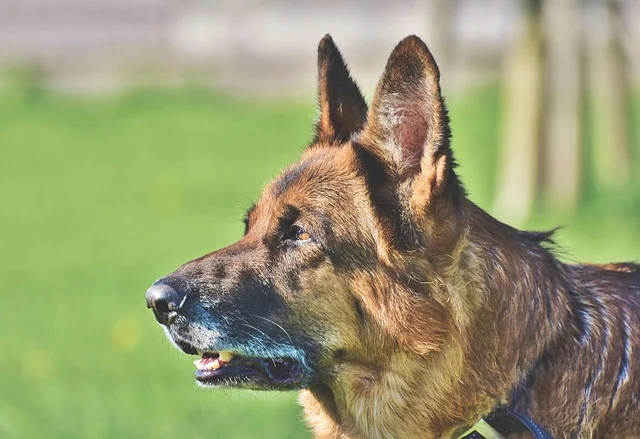
A healthy adult German Shepherd requires at least 90 to 120 minutes of daily activity split across two sessions. Effective routine elements include:
- Scent work and tracking: Hiding kibble or a favorite toy in deep grass forces the dog to use its nose. This is mentally tiring for canine brains.
- Obedience and trick work: Incorporating five-minute training bursts into regular walks keeps their focus anchored to you.
- Interactive toys: Puzzle feeders and snuffle mats slow down meals and prevent boredom while indoors.
For guidance on finding professional assistance with training walks, see our overview on how to choose a dog walker.
Who is a German Shepherd NOT suited for?
candidly identifying who should avoid this breed saves both owners and dogs from distress. A German Shepherd is generally not suitable for:

- Sedentary households: If daily outdoor activity is limited to a brief 20-minute stroll around the block, this breed will quickly develop behavioural issues.
- First-time dog owners without guidance: While not impossible for a beginner, their size, intelligence, and sensitivity require consistent leadership. Inexperienced owners often struggle to maintain this.
- Owners absent for long work shifts: Shepherds thrive on companionship. They easily develop severe separation anxiety if left alone for 8 to 10 hours daily.
- Homes seeking a passive backyard dog: Leaving a Shepherd isolated in a garden leads to excessive boundary barking, digging, and fence-jumping.
Sources: German Shepherd, German Shepherd Dog
Frequently asked questions
At what age does a German Shepherd temperament settle down?
German Shepherds typically begin to mature mentally between 2 and 3 years of age. While physical growth finishes earlier, adolescent energy and testing of boundaries often persist until their brain fully matures around their third year.
Are male or female German Shepherds easier to manage?
Male Shepherds are often larger, more territorial, and more overtly protective, requiring steady handling. Females tend to mature slightly faster, weigh less, and can be more independent, though individual breeding lines influence temperament far more than gender alone.
Can a German Shepherd be left alone during the workday?
An adult German Shepherd can manage being alone for 4 to 5 hours once properly crate trained and mentally exercised beforehand. However, leaving them alone for long workdays regularly increases the risk of destructive behaviour and separation anxiety.