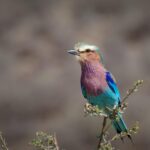
Blue parrot: Understanding the Magnificent Blue Parrot in 2026
The allure of a blue parrot is undeniable. With their stunning plumage and remarkable intelligence, these birds capture the hearts of many. As of May 2026, the demand for exotic pets continues, and blue parrots, particularly various macaw species, remain highly sought after. However, owning such a magnificent creature is a significant commitment, demanding specific knowledge and dedication. This guide delves into the essential aspects of blue parrot care, behaviour, and what to consider before bringing one into your home.
- Blue parrots, often macaws, are highly intelligent and social, requiring significant mental stimulation and interaction.
- Their diet is complex, needing a balanced mix of high-quality pellets, fresh fruits, vegetables, and limited seeds.
- Appropriate enclosure size and enrichment are paramount for a blue parrot’s physical and psychological well-being.
- Understanding parrot behaviour, including potential issues like feather plucking or aggression, is key to responsible ownership.
- The lifespan of larger blue parrot species can exceed 50 years, making it a lifelong commitment.
What Exactly is a ‘Blue Parrot’? Species and Variations
The term ‘blue parrot’ isn’t a single species but rather encompasses several birds known for their striking blue coloration. Most commonly, this refers to species within the macaw family. The Hyacinth Macaw (Anodorhynchus hyacinthinus), the largest of all macaws, is an iconic example, displaying a deep, cobalt blue.
Another prominent species is the Blue-and-Yellow Macaw (Ara ararauna), which, as its name suggests, features vibrant blue on its back and wings, contrasted with yellow underparts and green on its forehead. Lesser-known but equally beautiful are the Spix’s Macaw (Cyanopsitta spixii), tragically extinct in the wild but present in conservation programs, and the Lear’s Macaw (Anodorhynchus leari). Each blue parrot species has distinct personality traits and care requirements, making it crucial to research specific breeds.
The Complex Needs of a Blue Parrot’s Diet
Providing the correct diet for a blue parrot is more than just filling a food bowl; it’s about offering a balanced nutritional profile that supports their vibrant health and longevity. As of 2026, avian nutritionists strongly advocate for a diet based on high-quality, formulated parrot pellets as the primary food source. These pellets are designed to provide essential vitamins and minerals.
Supplementing this with a variety of fresh fruits and vegetables is vital. Think colorful offerings like bell peppers, leafy greens (kale, spinach), berries, apples, and melon.
Seeds, while often associated with parrots, should be offered sparingly as treats due to their high fat content, which can lead to obesity and other health issues. Nuts, such as almonds or walnuts, can also be provided in moderation. Avoid avocado, chocolate, caffeine, and alcohol, as these are toxic to birds. Always ensure fresh, clean water is available 24/7.
A Real-World Diet Example for a Blue-and-Yellow Macaw
For instance, a typical daily menu for a healthy Blue-and-Yellow Macaw might include: 1/2 cup of a reputable parrot pellet brand, a generous portion of mixed chopped vegetables (e.g., carrots, broccoli, sweet potato), a smaller portion of mixed fruits (e.g., papaya, mango, pomegranate), and a tiny sprinkle of sunflower seeds or a small piece of almond as a training reward. Some owners also include small amounts of cooked grains like quinoa or brown rice a few times a week. Consulting with an avian veterinarian is always the best practice to tailor a diet specific to your bird’s age, health, and activity level.
Enclosure Essentials: Creating a Blue Parrot’s Kingdom
The enclosure for a blue parrot must be spacious and stimulating, reflecting their active nature and intelligence. For larger species like the Hyacinth or Blue-and-Yellow Macaw, a cage measuring at least 4x4x6 feet is a minimum starting point, but bigger is always better. Ideally, a custom-built aviary or a dedicated bird-proofed room offers the most freedom. The bars should be spaced no more than 1 inch apart to prevent escape or injury.
Materials should be non-toxic, such as stainless steel or powder-coated metals. Avoid cages with toxic finishes. Inside, provide a variety of perches of different diameters and textures to promote healthy foot circulation. Think natural branches from safe woods like manzanita or eucalyptus, along with some rope perches.
Rotate toys regularly to keep your parrot engaged and prevent boredom-induced behavioural issues. Include food and water dishes that are easy to clean.
Enrichment: The Key to a Happy Blue Parrot
Mental stimulation is as critical as physical space. Blue parrots are highly intelligent and can become destructive or develop psychological problems if not adequately challenged. Offer a diverse range of toys: foraging toys that require them to work for treats, puzzle toys, destructible toys (like cardboard or safe wood they can chew), and even simple toys like bells or sturdy balls.
Social interaction is also a form of enrichment. Spending several hours a day interacting with your parrot, talking to them, and allowing them supervised time outside their cage is crucial. As of May 2026, many avian behaviorists highlight that a bored blue parrot is an unhappy blue parrot, and this unhappiness can manifest in undesirable ways.
Navigating Blue Parrot Behaviour and Communication
Blue parrots are renowned for their intelligence and complex social structures. They communicate through a wide range of vocalizations, from squawks and clicks to whistles and, famously, mimicking human speech. Not all blue parrots will become prolific talkers, but most can learn a surprising vocabulary. Understanding their body language is equally important.
Fluffed feathers can indicate comfort or being cold, while pinning eyes (pupils dilating and constricting rapidly) can signal excitement, arousal, or agitation. A parrot that’s fully fanned out with wings spread might be displaying dominance or preparing to fly. Learn to recognise their moods and respond appropriately to build a strong bond.
Potential Behavioural Challenges
Despite their charm, blue parrots can present behavioural challenges. Feather plucking, where a bird compulsively pulls out its own feathers, is a common issue, often stemming from stress, boredom, inadequate diet, or underlying medical conditions. Aggression can also surface, particularly during breeding season or if boundaries aren’t respected. Parrots need clear boundaries and consistent training.
Positive reinforcement methods, using treats and praise, are the most effective. Never resort to punishment, as this can damage trust and exacerbate behavioural problems. Seeking advice from an avian behaviorist is recommended if you encounter persistent issues.
Health Considerations for Your Blue Parrot Companion
The health of a blue parrot is paramount, and early detection of illness is key. Common health issues in parrots include respiratory infections, psittacosis (parrot fever), parasitic infections, and metabolic bone disease, often linked to poor diet. As mentioned, feather plucking is a significant behavioural and health concern. Regular veterinary check-ups with an avian specialist are essential, ideally at least once a year.
During these visits, the vet will perform a physical examination, discuss diet and behaviour, and may recommend diagnostic tests. Signs of a sick parrot can be subtle and include changes in droppings, lethargy, ruffled feathers, loss of appetite, discharge from the eyes or nostrils, or difficulty breathing. Immediate veterinary attention is crucial if you suspect your bird is unwell.
Lifespan: A Lifelong Commitment
One of the most significant considerations when choosing a blue parrot is their remarkable lifespan. Larger macaw species, including the Hyacinth and Blue-and-Yellow Macaw, can live for 50 to 80 years in captivity with proper care. This means owning a blue parrot is very often a lifelong commitment, potentially outliving their owners.
This is a crucial point for potential owners to consider; it may involve making provisions for the bird in their will. This longevity underscores the need for a stable, loving, and knowledgeable environment throughout the bird’s entire life. It’s not a pet to be acquired on a whim but a family member to be cherished for decades.
The Cost of Owning a Blue Parrot in the UK
The initial purchase price of a blue parrot can vary significantly depending on the species and breeder, but as of May 2026, expect to pay anywhere from £2,000 to £8,000 or more for well-socializeded, healthy bird from a reputable UK breeder. For example, a Hyacinth Macaw will typically command a higher price than a Blue-and-Yellow Macaw. However, the purchase price is just the beginning. The ongoing costs are substantial.
A large, appropriate cage can cost £500-£1,500. High-quality food, toys, perches, and regular veterinary care (which can include specialist avian diagnostics) add up. Annual expenses can easily reach £500-£1,000 or more, not including unexpected vet bills.
And, the time commitment is immense. Blue parrots require several hours of direct interaction and supervision outside their cage daily. They are highly social animals and can’t thrive if left alone for extended periods.
This level of commitment means they are generally not suitable for individuals or families with very demanding work schedules or frequent long absences. The UK’s exotic pet legislation also requires awareness; while macaws are generally permitted, understanding any specific licensing or welfare regulations is advisable.
Finding Your Blue Parrot: Adoption vs. Breeder
When looking to acquire a blue parrot, you have two primary avenues: purchasing from a reputable breeder or adopting from a rescue organisation. Reputable breeders are knowledgeable about their birds, can provide health histories, and often offer guidance. However, it’s essential to thoroughly vet any breeder, ensuring they prioritise the welfare of their birds. On the other hand, adopting a blue parrot from a rescue centre offers a second chance to a bird in need.
Many parrots end up in rescue due to owners being unable to cope with their demands, and these birds often have existing behavioural quirks or health issues that require experienced handling. Organisations like the Parrot Sanctuary UK or local avian rescues are excellent places to start your search. Adopting can be incredibly rewarding, but ensure you are fully prepared for the challenges the bird may bring.
Considerations for Adoption
Adopting a blue parrot means understanding its past. You might not have full details on its previous diet or socialization, which can impact its current behaviour. It’s vital to be patient and provide a stable, enriching environment to help the bird adjust. Rescue organisations often have rigorous adoption processes to ensure the bird goes to a suitable home. They can also offer invaluable advice based on the bird’s history.
Common Mistakes to Avoid with Blue Parrots
Many new blue parrot owners make common mistakes that can lead to behavioural issues or health problems. One of the most frequent errors is providing an enclosure that’s too small. Parrots need ample space to move, spread their wings, and play. Another mistake is an inadequate diet, relying too heavily on seed mixes instead of a balanced pellet-based diet.
Over-reliance on seeds can lead to nutritional deficiencies and obesity. Forgetting to provide sufficient mental stimulation and social interaction is also a major pitfall, leading to boredom, destructive behaviour, and feather plucking. Finally, inconsistent training or using punishment-based methods can severely damage your relationship with your parrot and create fear or aggression.
Expert Tips for Thriving Blue Parrot Ownership
To ensure a thriving relationship with your blue parrot, focus on consistent positive reinforcement training. This not only teaches them tricks and words but also strengthens your bond. Rotate their toys frequently to maintain their interest and prevent boredom. Create a stimulating environment with natural perches and foraging opportunities.
Socialization is key – dedicate quality time each day to interact with your parrot, talk to them, and let them be part of your family activities. For owners in the UK, familiarizing yourself with the Animal Welfare Act 2006 and the specific guidance for keeping exotic animals is a good practice. If you notice any subtle changes in your parrot’s behaviour or droppings, consult an avian vet promptly. Remember, a happy blue parrot is an engaged, well-stimulated, and well-fed bird.
Frequently Asked Questions
Can a blue parrot learn to talk?
Yes, many blue parrot species, particularly macaws, are capable of learning to mimic human speech and other sounds. Their ability to talk varies by individual bird and species, with some being more vocally inclined than others. Consistent interaction and training can encourage vocalisation.
What is the average lifespan of a Hyacinth Macaw?
Hyacinth Macaws have an impressive lifespan, typically living between 50 to 80 years in captivity when provided with excellent care, diet, and a stimulating environment. This makes them a lifelong companion.
Are blue parrots good pets for beginners?
Generally, larger blue parrot species like macaws are not recommended for first-time bird owners. They require significant space, time, specialised diets, extensive training, and a deep understanding of their complex behaviours. Experienced bird owners are usually better suited.
How much does a blue parrot enclosure need to be?
For larger blue parrot species, a cage should be at least 4 feet by 4 feet by 6 feet, but larger is always preferable. The bar spacing should be no more than 1 inch apart to ensure safety and security for the bird.
What are the most common health problems for blue parrots?
Common health issues include respiratory infections, psittacosis, parasitic infections, feather plucking, and metabolic bone disease. Regular avian veterinary check-ups are crucial for early detection and treatment.
Can I leave my blue parrot alone for a full workday?
it’s not advisable to leave a blue parrot alone for a full 8-hour workday without supervision. These highly social birds require several hours of interaction and mental stimulation daily to prevent boredom, stress, and behavioural issues.