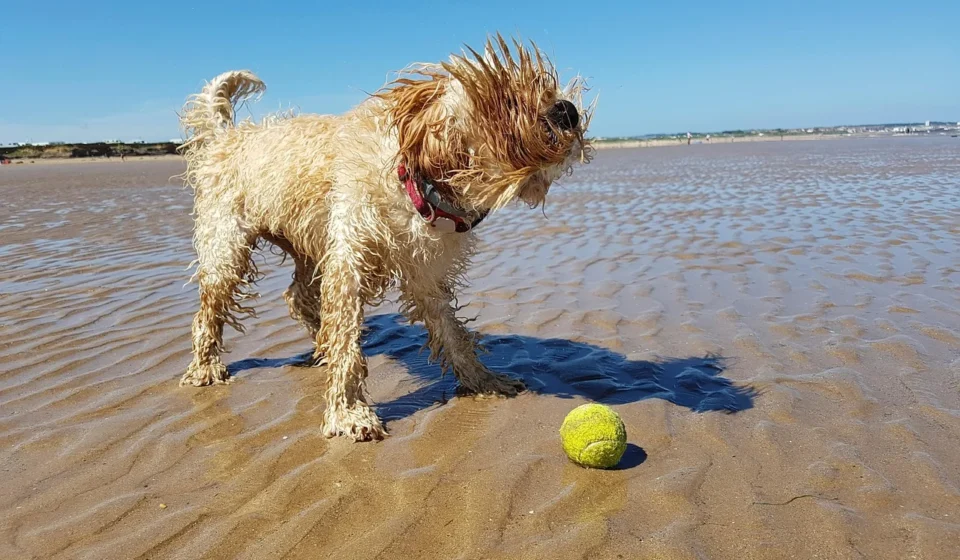
The Cockapoo is a delightful crossbreed, combining the best traits of the intelligent Poodle and the affectionate Cocker Spaniel, resulting in a generally friendly, energetic, and often low-shedding companion. These dogs are known for their charming personalities and adaptability, making them a popular choice for many families and individuals seeking a joyful pet.
As a crossbreed, the Cockapoo’s exact characteristics can vary, but they consistently offer a wonderful blend of their parent breeds, typically thriving on companionship and engaging in playful activities. If you are considering bringing one into your home, understanding their unique needs and traits is crucial.
How Big Do Cockapoos Get and When Are They Fully Grown?
Cockapoos come in various sizes, largely depending on the Poodle parent involved in the cross, and they typically reach their full adult size by 10 to 12 months of age. You will find them generally categorized into four main sizes: Teacup, Toy, Miniature, and Standard. The size of your Cockapoo will depend on whether its Poodle parent was a Teacup, Toy, Miniature, or Standard Poodle.
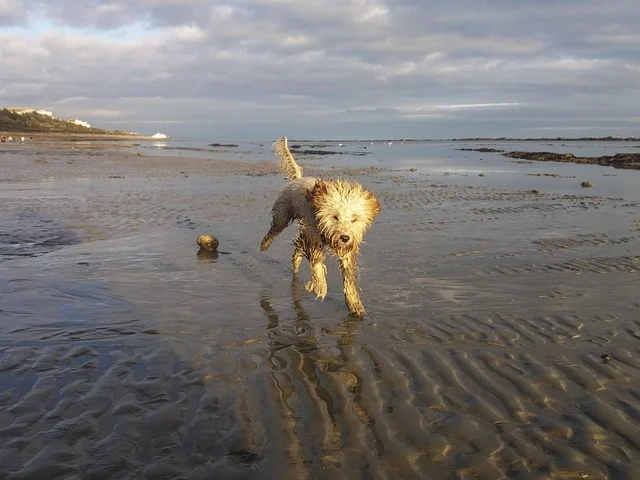
- Teacup Cockapoo: Weighs under 6 lbs (approx. 2.7 kg) and stands under 10 inches (approx. 25 cm) tall. These are quite rare and can be more fragile.
- Toy Cockapoo: Typically weighs between 6-12 lbs (approx. 2.7-5.4 kg) and stands 10–12 inches (approx. 25-30 cm) tall. This is a very common and manageable size.
- Miniature Cockapoo: Weighs between 13–18 lbs (approx. 5.9-8.2 kg) and stands 13–15 inches (approx. 33-38 cm) tall. This size offers a bit more robustness while remaining compact.
- Standard Cockapoo: Can weigh over 19 lbs (approx. 8.6 kg) and stand over 15 inches (approx. 38 cm) tall. These are less common but offer a larger, sturdier companion.
Most Cockapoos will experience their main growth spurt between 4 and 7 months. While they often reach their full height around 8–10 months, they may continue to fill out and gain muscle mass until they are about 18 months old, especially the larger varieties.
How Long Do Cockapoos Live? Understanding Their Lifespan
A Cockapoo’s typical lifespan ranges from 12 to 15 years, with many living even longer, especially with good care and genetics. This makes them a long-term commitment, which is something we always advise prospective owners to consider carefully. Their longevity is a testament to the general health of their parent breeds, the Cocker Spaniel and the Poodle.
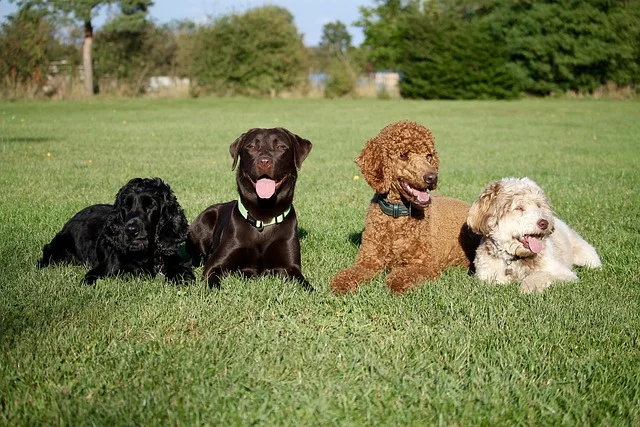
Factors influencing their lifespan include diet, exercise, regular veterinary check-ups, and responsible breeding practices. Providing a balanced, high-quality diet and ensuring they get adequate physical and mental stimulation can significantly contribute to a long, healthy life. Regular dental care is also crucial, as dental disease can impact overall health.
Are Cockapoos Bad Dogs? Addressing Common Concerns
No, Cockapoos are not inherently ‘bad’ dogs; in fact, they are celebrated for their affectionate and intelligent nature. However, like any breed or crossbreed, they can develop undesirable behaviours if not properly trained, socialised, or if their needs are not met.
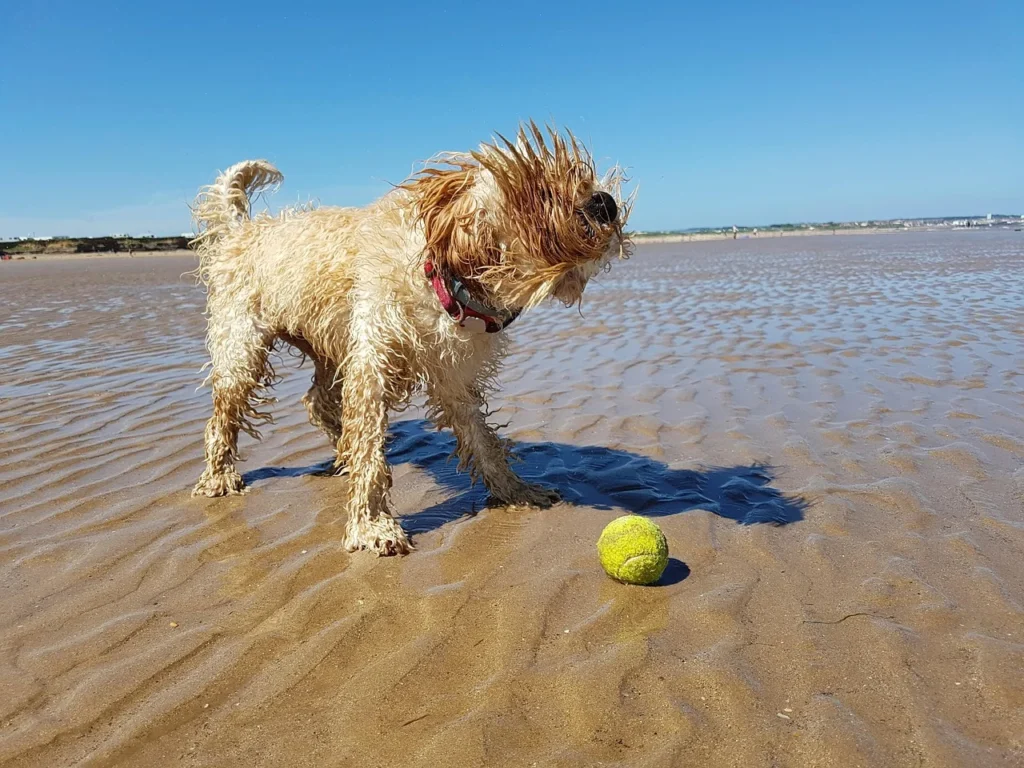
Cockapoos are not ‘bad’ dogs, but like any breed, they need proper training and socialization to thrive.
One common concern is their potential for separation anxiety. Because Cockapoos are highly social and thrive on human companionship, they can become distressed when left alone for long periods. This can manifest as destructive chewing, excessive barking, or inappropriate urination. Early training to tolerate short periods of solitude, combined with plenty of exercise before leaving them, can help mitigate this.
Another point to consider is their energy levels. While adaptable, Cockapoos are not couch potatoes. They require consistent daily exercise – at least 30-60 minutes of walking, playing, or mental stimulation. Without this outlet, they might become restless or engage in attention-seeking behaviours. Their intelligence, inherited from the Poodle, also means they need mental engagement through training, puzzle toys, and interactive play to prevent boredom.
Why Are Cockapoos Considered the Best Dogs for Many?
Cockapoos are often hailed as excellent companions due to their winning combination of intelligence, affectionate temperament, and often hypoallergenic coats. Their friendly nature makes them wonderful family pets, generally getting along well with children and other animals.
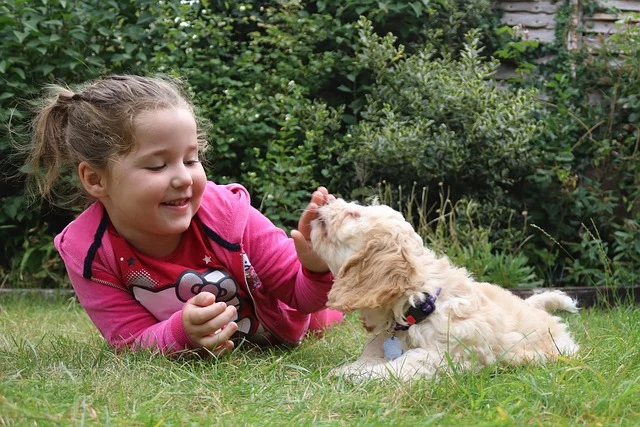
Here’s why many people consider them among the best:
- Temperament: They are typically cheerful, outgoing, and eager to please. This makes them highly trainable and a joy to have around. They love being part of family activities and are known for their loyalty.
- Intelligence: Inheriting the Poodle’s smarts, Cockapoos are quick learners. This intelligence makes them excel in obedience training and even dog sports. However, it also means they need mental stimulation to prevent boredom.
- Hypoallergenic Qualities: Regular grooming is still essential to prevent matting.
- Adaptability: They can adapt to various living situations, from apartments to houses with gardens, provided their exercise and companionship needs are met.
- Size Versatility: With the range of sizes available (Teacup to Standard), you can often find a Cockapoo that fits your lifestyle and living space.
Their balanced nature – active but not hyperactive, intelligent but not overly demanding – makes them suitable for a wide range of owners, from first-timers to experienced dog enthusiasts.
What is the Best Type of Cockapoo?
There isn’t a single ‘best’ type of Cockapoo; the ideal choice depends entirely on your lifestyle, preferences, and what you’re looking for in a canine companion. When people ask what cockapoo is best, we always suggest they consider the size, coat type, and generation of the crossbreed.
Considering Size
As discussed, Cockapoos come in Teacup, Toy, Miniature, and Standard sizes. If you live in a smaller home or prefer a lap dog, a Toy or Miniature might be ideal. For those wanting a more solid dog for active outdoor adventures, a Standard Cockapoo could be a better fit. Teacup Cockapoos, while small, require very careful handling due to their delicate nature.
Understanding Coat Types
Cockapoos can have various coat types, which influence grooming needs and potential for shedding:
- Wavy (Fleece) Coat: This is the most common and sought-after coat, a soft, wavy texture similar to a fleece. It’s generally low-shedding and easier to maintain than curly coats.
- Curly (Wool) Coat: Similar to a Poodle’s coat, this is very low-shedding and often the most allergy-friendly. However, it requires frequent grooming to prevent matting.
- Straight Coat: Less common, this coat is more like a Cocker Spaniel’s and may shed more. It’s often seen in later generations (F2, F3).
We recommend spending time with a Cockapoo of your preferred coat type to understand its texture and grooming demands before committing.
First Generation (F1) vs. Later Generations (F1b, F2, etc.)
The ‘generation’ refers to the specific parentage:
- F1 Cockapoo: A direct cross between a purebred Cocker Spaniel and a purebred Poodle. These often have the most predictable blend of traits and a good chance of a wavy, low-shedding coat.
- F1b Cockapoo: An F1 Cockapoo bred back to a purebred Poodle. This often results in a curlier, even lower-shedding coat, making them a good choice for severe allergy sufferers.
- F2 Cockapoo: Two F1 Cockapoos bred together. This generation can be less predictable in terms of coat type and temperament, as there’s more genetic variation.
For most people seeking a typical Cockapoo, an F1 or F1b is often recommended for more predictable characteristics, especially regarding coat type and hypoallergenic qualities.
What Do Cockapoos Eat? Nutritional Needs
Cockapoos thrive on a high-quality, balanced diet appropriate for their age, size, and activity level. We always recommend consulting your veterinarian for specific dietary advice, as individual needs can vary.
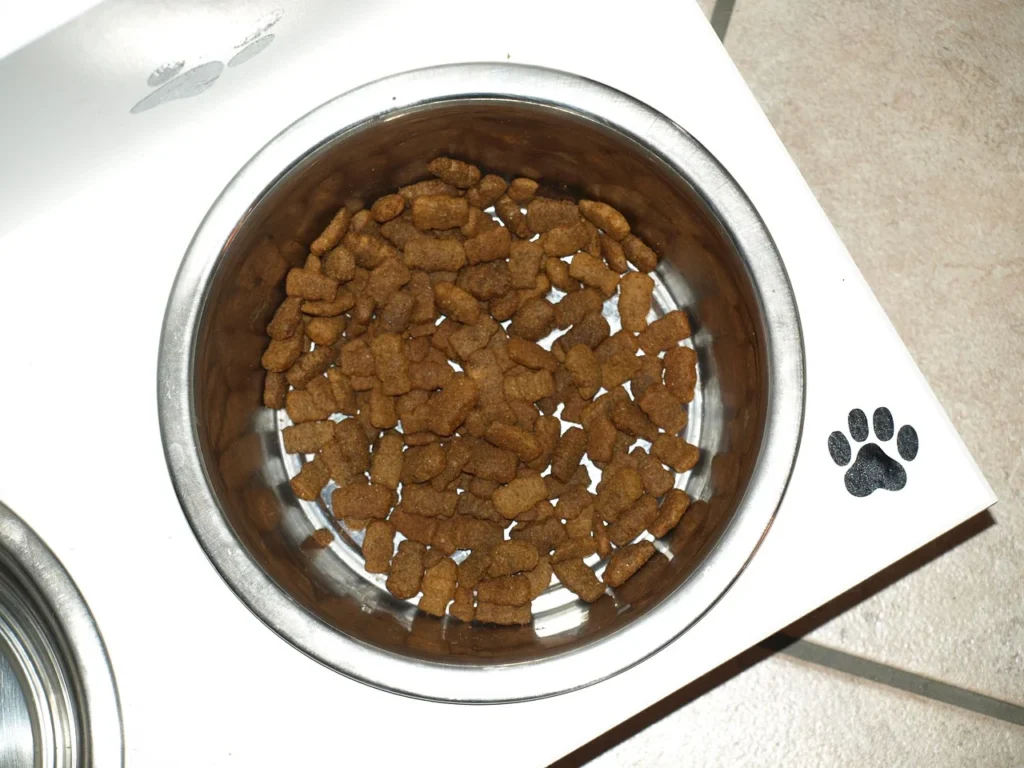
A balanced diet of high-quality kibble or wet food is essential for your Cockapoo’s health.
Generally, you should look for premium dog food brands that list meat as the primary ingredient. Avoid foods with excessive fillers, artificial colours, and preservatives.
- Puppies (up to 12 months): Require a diet specifically formulated for puppies, which is higher in calories and nutrients to support their rapid growth. Feed 3-4 small meals a day.
- Adults (1-7 years): Transition to an adult formula. The amount will depend on their size and activity level. Most adults will eat two meals a day.
- Senior (7+ years): Consider a senior formula, which often has fewer calories and ingredients to support joint health.
Portion control is vital to prevent obesity, which can lead to various health issues. Always measure food according to the manufacturer’s guidelines and adjust based on your dog’s condition. Fresh water should always be available.
Cockapoo vs. Cavapoo: Which Crossbreed is Right For You?
Both Cockapoos and Cavapoos are popular Poodle crossbreeds, known for their friendly dispositions and low-shedding coats. Deciding between them often comes down to subtle differences in temperament, energy levels, and grooming needs. Understanding these distinctions can help you make an informed choice.

Cockapoo Characteristics
A mix of Cocker Spaniel and Poodle, Cockapoos tend to be:
- More Energetic: They often inherit more of the Cocker Spaniel’s playful and active nature, requiring good daily exercise to stay happy and well-behaved.
- Highly Intelligent: Their Poodle heritage gives them excellent trainability and a need for mental stimulation.
- Varying Sizes: Available in a wider range of sizes (Toy, Miniature, Standard) due to the different Poodle sizes used.
- Grooming: Coats can range from wavy to curly, requiring regular brushing and professional grooming every 6–8 weeks to prevent matting.
Cavapoo Characteristics
A mix of Cavalier King Charles Spaniel and Poodle, Cavapoos typically are:
- Calmer: They often inherit the Cavalier’s gentle and laid-back nature, making them slightly less demanding in terms of exercise. They are still playful but generally have a lower energy drive.
- Affectionate Lap Dogs: Known for being incredibly cuddly and loving, they thrive on close companionship and are often content to be lap dogs.
- Smaller Size: Generally smaller, usually Toy or Miniature size, as Cavaliers are smaller than Cocker Spaniels.
- Grooming: Often have a soft, wavy coat that is low-shedding but still requires regular brushing and professional grooming to maintain.
Choosing Between Them
If you’re an active individual or family looking for a dog that enjoys longer walks, training, and more vigorous play, a Cockapoo might be a better fit. If you prefer a slightly calmer, extremely cuddly companion who is happy with moderate exercise and thrives on being a lap dog, a Cavapoo could be your ideal choice. Both are highly social and do not like to be left alone for long periods.
Sources: Cockapoo
Frequently asked questions
Do Cockapoos shed a lot?
Many Cockapoos are low-shedding, especially those with more Poodle-like curly or wavy coats, making them a popular choice for people with allergies. However, some can shed more, particularly if they inherit a straighter coat from their Cocker Spaniel parent.
Are Cockapoos good with children?
Yes, Cockapoos are generally excellent with children. They are known for their friendly, playful, and patient nature, making them wonderful family pets, especially when properly socialised from a young age.
How much exercise does a Cockapoo need?
Cockapoos are energetic dogs that require at least 30-60 minutes of daily exercise, such as walks, playtime in a secure garden, or engaging in mentally stimulating activities. Their needs can vary slightly based on their size and individual temperament.