
Dogs can eat certain types of cheese in very small quantities, but it is not universally safe or recommended for every dog. Many can suffer from digestive upset due to lactose intolerance or the high fat content found in most cheeses. Moderation is key, and understanding your dog’s individual sensitivities is crucial.
This article details which types of cheese are safe and which to avoid, how to introduce cheese safely, appropriate amounts, and what risks to consider for your canine companion.
Can Dogs Eat Cheese? The Short Answer
Yes, dogs can eat certain types of cheese in very small quantities. However, it’s not universally safe or recommended for every dog. While some dogs tolerate it well as an occasional treat, many can suffer from digestive upset due to lactose intolerance or the high fat content found in most cheeses.
When considering offering cheese to your canine companion, moderation is key, and understanding your dog’s individual sensitivities is crucial. We always advise starting with a tiny amount and observing your dog for any adverse reactions before making it a regular, albeit infrequent, part of their diet.

Why Can Dogs Eat Cheese, and Why Might They Not?
Dogs are carnivores, but they are also opportunistic eaters. Their digestive systems have adapted over millennia to process a variety of foods. Cheese, being a dairy product, contains protein, calcium, and some vitamins, which are generally beneficial nutrients. Many dogs are also highly attracted to its rich flavour and smell, making it an appealing treat or a useful tool for training or administering medication.

However, the primary concern with dogs and cheese lies in two main areas: lactose and fat. While puppies produce lactase, the enzyme needed to break down lactose in milk, many adult dogs experience a significant reduction in this enzyme’s production after weaning. This condition, known as lactose intolerance, means they struggle to digest the sugar in dairy products. When undigested lactose reaches the large intestine, it can ferment, leading to symptoms like gas, bloating, diarrhoea, and stomach pain.
Additionally, cheese is often high in fat. While some fat is essential for a dog’s diet, excessive amounts can lead to weight gain, which contributes to various health problems. More acutely, a sudden intake of high-fat foods can trigger pancreatitis, a serious and painful inflammation of the pancreas that requires immediate veterinary attention. Dogs with existing conditions like pancreatitis or obesity should strictly avoid cheese.
What Types of Cheese Can Dogs Eat?
If you decide to offer cheese to your dog, choosing the right type is paramount. The goal is to select cheeses that are lower in both lactose and fat, and free from harmful additives.

- Cheddar: A popular choice, mature cheddar is often lower in lactose. The cheese-making process and aging break down much of the lactose. Opt for plain, mild cheddar, not aged, extra-strong varieties which can be higher in salt.
- Mozzarella: Low-moisture mozzarella can be a good option. It’s typically lower in lactose and fat compared to many other cheeses. Avoid fresh mozzarella packed in brine due to high salt content.
- Swiss Cheese: Also known as Emmental, Swiss cheese naturally contains very little lactose due to the fermentation process. It’s generally a safer choice.
- Cottage Cheese: This can be a good option because it’s usually lower in fat and lactose than hard cheeses. It also provides a good source of protein. Choose plain, low-fat, and low-sodium cottage cheese.
- Goat Cheese: Some varieties of goat cheese can be lower in lactose than cow’s milk cheese. However, they can still be high in fat. Use with extreme caution and in tiny amounts.
Cheeses to absolutely avoid include:
- Blue Cheeses (e.g., Roquefort, Stilton): These contain Penicillium mould, which can produce roquefortine C. This substance is something dogs are highly sensitive to. It can cause vomiting, diarrhoea, high temperatures, and even seizures.
- Soft, would-ripened cheeses (e.g., Brie, Camembert): While not as dangerous as blue cheese, these are high in fat. They can still upset a dog’s stomach.
- Cheese with added ingredients: Any cheese with garlic, onions, chives, or other herbs and spices is toxic to dogs. Flavored cheeses or those with fruit and nuts should also be avoided.
- Processed cheese slices or spreads: These are often high in salt, artificial colours, and preservatives. They offer no nutritional benefit and pose potential risks.
How Can Dogs Eat Cheese Safely?
If you’ve determined your dog can tolerate cheese, how you serve it matters. The key is small amounts, infrequently, and as a treat, not a meal replacement.
Moderation is Key
For most dogs, a piece of cheese no larger than your thumbnail is sufficient as an occasional treat. For smaller breeds, even less. This small size minimizes the risk of digestive upset and excessive fat intake. Think of it as a tiny, special reward.
As a Training Aid
Because dogs often love the taste of cheese, it can be an excellent high-value reward for training difficult behaviors or during recall practice. Break a small piece into even tinier crumbs to extend its use during a training session without overfeeding.

Hiding Medication
One of the most common and effective uses for cheese is to disguise medication. A small, soft piece of cheese can be molded around a pill. This makes it easier for your dog to swallow without suspicion. This can be a real lifesaver for owners of dogs who are reluctant to take their medicine.
Introducing Cheese for the First Time
When introducing cheese, or any new food, start with a minuscule amount – literally a crumb. Wai24–4848 hours and observe your dog for any signs of discomfort, such as vomiting, diarrhoea, gas, or lethargy. If there are no adverse reactions, you can offer a slightly larger (but still tiny) piece next time. If you notice any issues, cheese is not suitable for your dog.
How Often Can Dogs Eat Cheese?
Cheese should always be an occasional treat, not a regular part of your dog’s diet. For most healthy adult dogs, offering a small piece of appropriate cheese once or twice a week is the absolute maximum we recommend. For dogs with any sensitivities or health conditions, it should be even less frequent, or avoided entirely.
Given that cheese is calorie-dense, even a small amount can contribute significantly to this allowance, so factor it into their overall diet.
When Can Puppies Eat Cheese?
Generally, it’s best to avoid giving cheese to puppies. While puppies produce lactase, their digestive systems are still developing. They are more sensitive than those of adult dogs. Introducing new, rich foods like cheese too early can easily upset their stomachs and lead to diarrhoea. This can be particularly dangerous for young puppies due to the risk of dehydration.
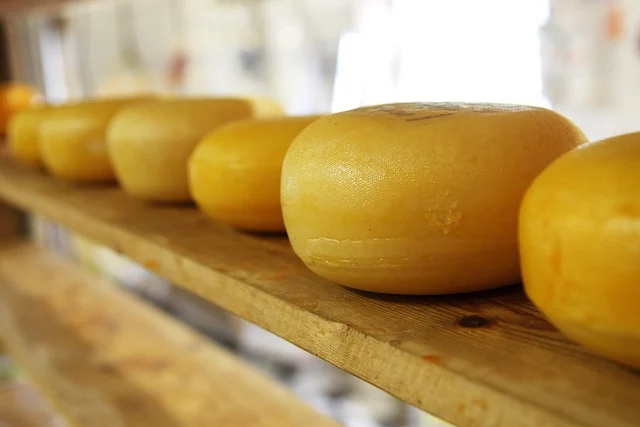
If you absolutely must give a puppy cheese, wait until they are at least six months old and fully weaned. Even then, offer only the tiniest crumb of a low-lactose, low-fat cheese and monitor them closely. It is advisable to err on the side of caution and stick to puppy-specific treats or their regular kibble for rewards during this delicate stage of development.
Why Can Dogs Eat Cheese But Not Milk?
This is a common question, and the answer lies in the processing. While both cheese and milk are dairy products, cheese typically contains significantly less lactose than milk. During the cheese-making process, much of the lactose is removed with the whey or broken down by bacteria during fermentation and aging.
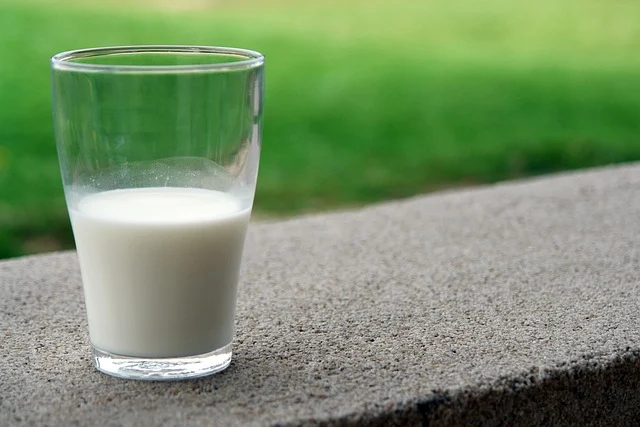
Milk, especially whole cow’s milk, retains a much higher concentration of lactose. For a lactose-intolerant dog, consuming a bowl of milk is far more likely to trigger severe digestive upset than a small piece of aged cheddar. This is why some dogs might tolerate a tiny bit of cheese but react poorly to milk.
What Dogs Can Have Cheese (and Who Should Avoid It)?
Most healthy adult dogs without a history of digestive issues or allergies can have a tiny amount of cheese as an occasional treat. However, there are specific dogs for whom cheese is definitely not a good idea:
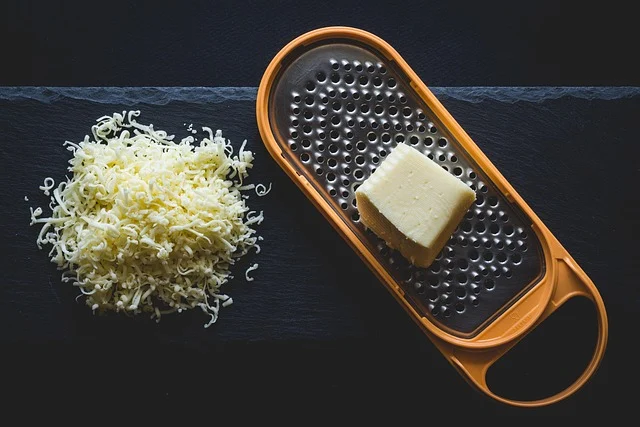
- Dogs with lactose intolerance: If your dog shows signs like gas, bloating, diarrhoea, or vomiting after consuming dairy, cheese should be avoided.
- Overweight or obese dogs: The high-fat content in cheese can quickly add extra calories, making weight management more challenging.
- Dogs with pancreatitis or a history of it: High-fat foods are a major trigger for pancreatitis, a severe and painful condition.
- Next, Dogs with sensitive stomachs or IBD: Any rich or new food can exacerbate their symptoms.
- Dogs with kidney disease: Some cheeses are high in sodium, which can be detrimental to dogs with kidney issues.
- Puppies: Their developing digestive systems are more prone to upset.
- Dogs with food allergies: If your dog has a known allergy to dairy or other common food allergens, cheese is best avoided.
Can Dogs Eat Specific Cheese-Related Products?
Many human foods contain cheese or cheese-like ingredients. It’s important to differentiate between plain cheese and processed products.
Can Dogs Eat Cheesecake?
No. Cheesecake is high in sugar, fat, and often contains other ingredients like chocolate, artificial sweeteners (like xylitol), or fruit fillings that are toxic or unhealthy for dogs. The high fat and sugar content alone make it a definite no-go.

Can Dogs Eat Cheese Sticks?
Plain, low-fat cheese sticks (like string cheese) can be given in very small, pea-sized pieces as an occasional treat, provided they are not overly processed or high in sodium. Always check the ingredients for anything harmful.
Can Dogs Eat Cheese Balls or Cheese Puffs?
No. These highly processed snack foods are loaded with salt, artificial colours, unhealthy fats, and often contain flavourings like onion or garlic powder which are toxic to dogs. They offer no nutritional value and pose significant health risks.
Can Dogs Eat Cheese Pizza?
No. Pizza crust often contains yeast (which can cause gas and bloating), and the sauce typically has garlic and onion, both toxic to dogs. The cheese itself is usually high-fat mozzarella, and other toppings like pepperoni are far too salty and fatty. Even a small piece of plain cheese pizza is not recommended.
Can Dogs Eat Cheese Slices?
Similar to cheese sticks, plain, low-fat, and low-sodium cheese slices (like a small piece of mild cheddar or mozzarella) can be given in moderation. Avoid highly processed or ‘American’ cheese slices which are often full of additives and salt.
Can Dogs Eat Cheese Crackers or Cheez-Its?
No. These are processed human snacks, typically high in salt, unhealthy fats, and sometimes contain artificial flavourings or ingredients that are not suitable for dogs. They offer no nutritional benefit and can lead to digestive upset or other health issues.
Final Thoughts on Feeding Cheese to Your Dog
While a tiny, plain piece of low-lactose, low-fat cheese might be a delightful and safe occasional treat for some dogs, it’s far from an essential part of their diet. Many dogs thrive perfectly well without ever tasting cheese. If you choose to offer it, do so cautiously, in very small amounts, and always prioritize your dog’s individual health and digestive comfort. When in doubt, it’s always best to consult your veterinary surgeon for personalized dietary advice.
Sources: Dog meat, Can Dogs Eat Cheese? Feeding Cheese to Your Dog
Frequently asked questions
Is cheese good for dogs?
Cheese can offer some protein and calcium, but it’s not a necessary or particularly beneficial food for dogs, especially given the risks of lactose intolerance and high fat content. Better nutritional sources are available in balanced dog foods.
What happens if a dog eats too much cheese?
Eating too much cheese can lead to digestive upset, including gas, bloating, diarrhoea, and vomiting, especially in lactose-intolerant dogs. Excessive consumption can also contribute to weight gain or, in severe cases, trigger pancreatitis due to the high fat content.
Can cheese help a dog take a pill?
Yes, a small, soft piece of cheese can be an effective way to hide a pill for dogs who are reluctant to take medication. Its strong smell and appealing taste often mask the presence of the tablet, making administration much easier.