Preparing homemade dog food recipes can be a rewarding way to control your pet’s diet. This offers transparency regarding ingredients and avoids certain additives found in commercial options. However, it requires careful planning to ensure nutritional completeness and safety. Simply combining leftovers is insufficient for a balanced diet.
This guide will help owners understand the essential components of healthy homemade dog food. It explains how to avoid common pitfalls and what veterinarians recommend for a dog’s well-being.
How to Make Homemade Dog Food That’s Good for Your Dog
To make homemade dog food that genuinely benefits your dog, you must ensure it is nutritionally complete and balanced. This means meeting all their dietary needs for their life stage.
Homemade dog food typically involves cooking commonly available ingredients, such as chicken, potatoes, and green beans, and then mixing in a vitamin and mineral supplement to create a complete and balanced meal. The most important aspect is not just the ingredients themselves, but their proportions and the inclusion of all necessary micronutrients. A 2025 Dog Aging Project study, for instance, found that only 6% of 1,726 owner-reported home-prepared diets had the potential to be nutritionally complete according to AAFCO adult maintenance standards, highlighting the challenge.

Homemade dog food recipes for daily feeding must meet AAFCO (Association of American Feed Control Officials) nutrient profile standards for the dog’s life stage. This is necessary to be considered nutritionally complete. AAFCO provides guidelines for the minimum and maximum levels of essential nutrients required for dogs. These levels depend on whether they are puppies, adult maintenance, or reproducing adults. Without adherence to these profiles, your dog could develop nutrient deficiencies or excesses, leading to health issues over time.
What Do Vets Recommend for Homemade Dog Food?
Veterinarians consistently recommend consulting a veterinarian or a board-certified veterinary nutritionist before transitioning a dog to a homemade diet. This is especially important for puppies, seniors, or dogs with existing health conditions.

This consultation is essential. Generic recipes found online often lack the specific nutritional balance required for an individual dog’s needs. A qualified professional can help formulate a diet tailored to a dog’s age, activity level, breed, and any medical conditions. This personalized approach ensures that the diet provides all necessary nutrients, including important vitamins and minerals often missed in amateur formulations. The most commonly missed nutrients in homemade recipes include calcium, vitamin D, vitamin E, iodine, zinc, copper, and choline, according to veterinary experts. Without proper supplementation, deficiencies in these areas can lead to serious health problems.
A vet-approved homemade dog food recipe will typically include a specific, balanced vitamin and mineral supplement designed for homemade diets. This is critical for making the diet nutritionally complete. It is important to understand that homemade dog food is not simply combining leftover protein and vegetables. It requires proper nutritional planning to avoid deficiencies.
What Are the Best Ingredients to Put in Homemade Dog Food?
The best ingredients for homemade dog food are fresh, whole foods that provide a balanced mix of protein, carbohydrates, healthy fats, and essential vitamins and minerals.
We recommend focusing on high-quality protein sources, easily digestible carbohydrates, and nutrient-rich vegetables. Here is a breakdown of common categories:
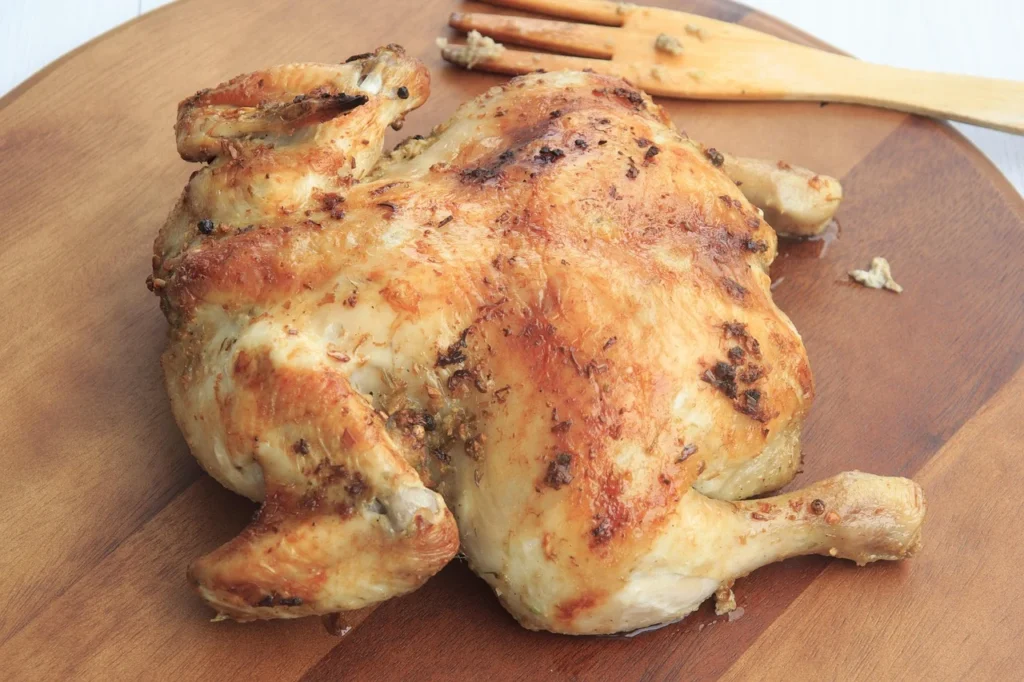
- Protein: Cooked lean meats like chicken (boneless, skinless), turkey, lean beef, lamb, or fish (e.g., salmon, cod). Ensure all bones are removed, as cooked bones can splinter and cause internal injury. Eggs are also an excellent protein source.
- Carbohydrates: Easily digestible options such as brown rice, white rice, oats, pasta, sweet potatoes, or potatoes. These provide energy and fibre.
- Vegetables: A variety of non-toxic vegetables for vitamins, minerals, and fibre. Good choices include green beans, carrots, peas, broccoli (in moderation), spinach, and pumpkin.
- Healthy Fats: A small amount of healthy fats is important for skin and coat health, and for absorbing fat-soluble vitamins. Vegetable oil, flaxseed oil, or fish oil are suitable options.
- Supplements: A balanced vitamin and mineral supplement formulated for homemade dog food is essential to ensure the diet is nutritionally complete. This is not optional; it is a necessity for long-term health.
It is important to remember that human food leftovers are not the same as balanced homemade dog food recipes. They may contain excessive salt, sugar, fat, or ingredients unsafe for dogs. Also, assuming “natural” ingredients guarantee a complete and balanced diet is incorrect. Quality ingredients are a start, but balance matters more.
Easy Homemade Dog Food Recipes: A Basic Framework
An easy homemade dog food recipe follows a general framework. It focuses on cooking ingredients thoroughly and ensuring a balanced nutrient profile with a veterinarian-approved supplement.
This article will provide a basic framework that can be adapted after consulting with a veterinary nutritionist for specific proportions and supplement recommendations. The recipe is a starting point and should always be paired with a complete vitamin and mineral supplement designed for homemade dog food.
Basic Chicken and Rice Recipe (Consult a Vet for Exact Proportions)
This recipe serves as a general example for a small to medium-sized dog for one day. However, quantities must be adjusted based on your dog’s specific caloric needs and veterinary advice.
Ingredients:
- 150-200g cooked lean protein (e.g., boneless, skinless chicken breast or thigh)
- 150-200g cooked carbohydrate (e.g., brown rice or sweet potato)
- 50-100g cooked mixed vegetables (e.g., green beans, carrots, peas)
- 1 teaspoon healthy oil (e.g., flaxseed oil, vegetable oil)
- Veterinarian-recommended vitamin and mineral supplement for homemade dog food (dosage as per product instructions and vet advice)
Instructions:
- Prepare Protein: Cook the chicken thoroughly until no pink remains. You can boil, bake, or steam it. Once cooled, shred or dice it into bite-sized pieces suitable for your dog.
- Cook Carbohydrates: Cook brown rice according to package directions, or boil/steam sweet potatoes until soft, then mash them. Ensure they are plain, without salt or seasonings.
- Steam Vegetables: Steam or boil the mixed vegetables until tender-crisp. Avoid overcooking to retain nutrients.
- Combine Ingredients: In a large bowl, combine the cooked protein, carbohydrates, and vegetables.
- Add Oil and Supplement: Drizzle the healthy oil over the mixture. Add the veterinarian-approved vitamin and mineral supplement according to the recommended dosage. Mix everything thoroughly to ensure the supplement is evenly distributed.
- Cool and Store: Allow the food to cool completely before serving. Store any leftovers in an airtight container in the refrigerator for up to 3-4 days, or freeze in individual portions for longer storage.

This framework is adaptable; for instance, you could substitute beef or turkey for chicken, and different dog-safe vegetables for variety. Remember, consistency in nutrient delivery is key, which is why a properly balanced supplement is non-negotiable.
What Toxic Ingredients Must I Avoid in Homemade Dog Food?
When preparing homemade dog food, it is critical to avoid several common human foods that are toxic to dogs and can cause severe health issues or even be fatal.

We cannot stress enough the importance of being vigilant about these ingredients, as even small amounts can be dangerous. Toxic ingredients to avoid in homemade dog food recipes include onions, garlic, grapes, raisins, xylitol (a sugar substitute often found in sugar-free products), avocado, macadamia nuts, chocolate, caffeine, and raw yeast dough. Cooked bones should also not be fed as they can splinter and cause internal injury. Always double-check any ingredient about which there is uncertainty with a reliable source or a veterinarian before adding it to a dog’s food. This includes seasonings and spices, many of which can be harmful.
Is Homemade Dog Food Always More Cost-Effective?
No, homemade dog food is not always more cost-effective than commercial dog food, as certain nutrient-rich ingredients and essential supplements can be expensive.
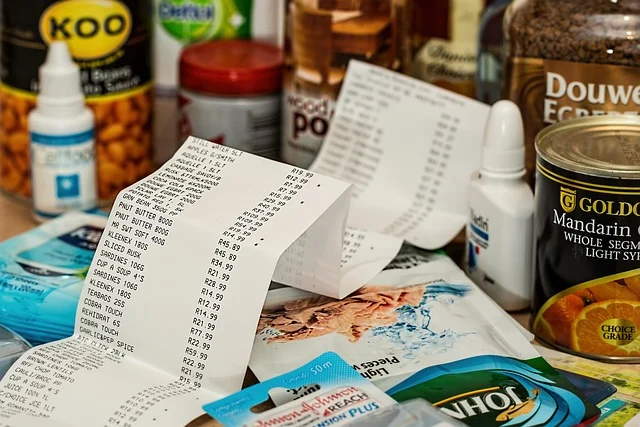
While some owners assume making food at home will save money, the cost can quickly add up. This is especially true when sourcing high-quality, lean meats, fresh produce, and, critically, a comprehensive vitamin and mineral supplement. Commercial dog foods, particularly large bags of kibble, often benefit from economies of scale in ingredient sourcing and manufacturing. This allows them to offer a lower per-serving cost. If you are considering homemade dog food recipes primarily for budget reasons, we advise carefully calculating the cost of all ingredients and supplements before committing, as it may not be the money-saver you anticipate. The goal should always be nutritional adequacy over cost savings.
How Often Should I Feed My Dog?
Most adult dogs benefit from being fed two times a day, typically once in the morning and once in the evening, to maintain stable energy levels and aid digestion.
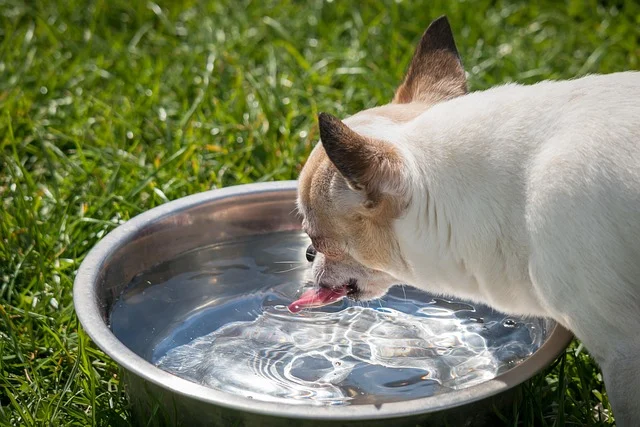
For puppies, especially very young ones, we recommend three to four smaller meals throughout the day. This supports their rapid growth and higher metabolic rates. As they mature, you can gradually reduce the frequency to two meals daily. Senior dogs or those with specific health conditions might also benefit from adjusted feeding schedules for homemade dog food recipes, which your veterinarian can advise on. The key is consistency in feeding times and portion sizes. This helps regulate their digestive system and manage their weight effectively.
Are Two Eggs Enough for a Dog?
While eggs are a nutritious source of protein for dogs, whether two eggs are ‘enough’ depends entirely on the dog’s size, caloric needs, and whether the eggs are part of a complete and balanced meal or simply a treat.

For a small dog, two eggs might constitute a significant portion of their daily protein and calorie intake. This is especially true if added to their regular food. For a large dog, two eggs would likely be a relatively small snack. Raw eggs are generally not recommended due to the risk of salmonella and avidin, an enzyme that can interfere with biotin absorption. Cooked eggs, however, are an excellent addition to a balanced homemade diet. If you are incorporating eggs into a homemade diet, we advise calculating their nutritional contribution as part of the overall meal plan, ensuring they don’t unbalance other nutrients. Always discuss specific dietary additions with your veterinarian.
Frequently asked questions
Can I use human food leftovers for homemade dog food?
No, human food leftovers are generally not suitable as a complete or balanced homemade dog food. They often contain excessive salt, sugar, fat, or ingredients that are toxic to dogs, making them unsafe and nutritionally inadequate for regular feeding.
Do I need to add supplements to homemade dog food?
Yes, adding a veterinarian-approved vitamin and mineral supplement for homemade dog food recipes is absolutely essential. Homemade diets are rarely nutritionally complete on their own and require supplementation to prevent deficiencies in vital nutrients like calcium, vitamin D, and zinc.
Is homemade dog food better than commercial kibble?
Homemade dog food is not inherently healthier than commercial dog food; both have pros and cons. Commercial foods undergo rigorous testing for nutritional requirements, while homemade dog food recipes require careful formulation and expert consultation to ensure they are nutritionally complete and balanced.
How long can I store homemade dog food?
You can typically store homemade dog food in an airtight container in the refrigerator for up to 3-4 days. For longer storage, we recommend freezing individual portions, which can last for several weeks or even months.
Can I feed my dog raw homemade food?
Feeding raw homemade food carries significant risks, including bacterial contamination (e.g., salmonella, E. coli) for both the dog and humans in the household, and the potential for nutritional imbalances. Most veterinarians advise against raw feeding due to these health and safety concerns.