This article explores how curling up minimizes exposed surface area to reduce heat loss and discusses how the position shields their vulnerable belly from perceived threats. It also details how this posture offers a profound sense of safety, allowing for deeper, more restful sleep.
Why Do Cats Sleep in a Ball?
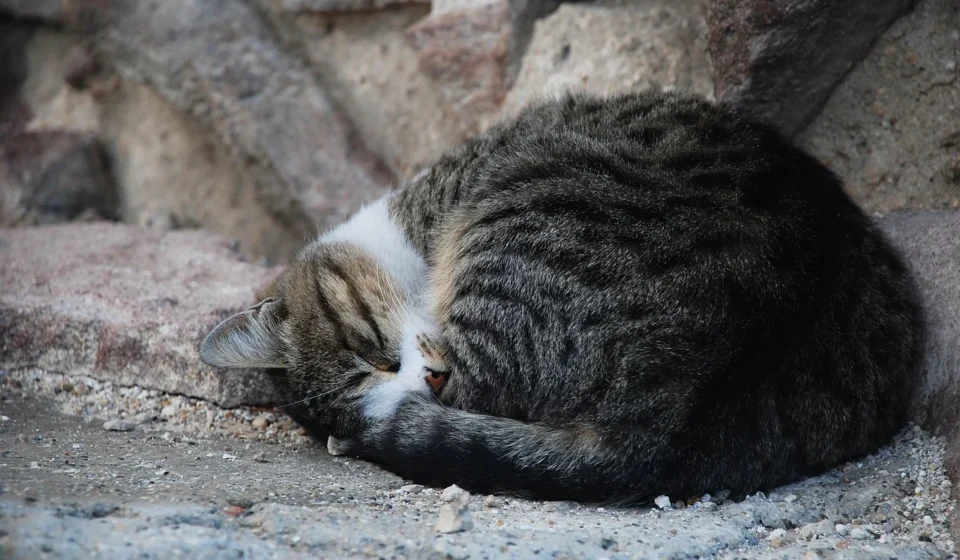
Cats sleep in a ball, often referred to as the crescent or donut position. This is an instinctive behaviour driven by the need to conserve body heat, protect their vital organs, and feel safe. This natural posture helps regulate their body temperature. It also provides a sense of security rooted in their wild ancestry.
As cat owners, we often observe that feline companions adopt this snug position. It’s a clear indicator of their comfort and well-being. Understanding the specific reasons behind this behaviour can offer valuable insights into your cat’s needs and environment.
Conserving Body Heat: A Feline Necessity
One of the primary reasons cats curl into a tight ball when sleeping is to conserve body heat. Cats have a naturally higher comfortable body temperature range than humans, typically between 101.0 to 102.5°F (38.3 to 39.2°C), according to veterinary sources. When they curl up, they minimize the exposed surface area of their body. This significantly reduces heat loss, especially in cooler environments.
This behaviour is particularly noticeable during colder months or in draughty areas of your home. A tightly curled cat is often a cold cat, instinctively trying to stay warm. Conversely, if a cat is sprawled out, it usually indicates they are feeling warm and are trying to dissipate heat.
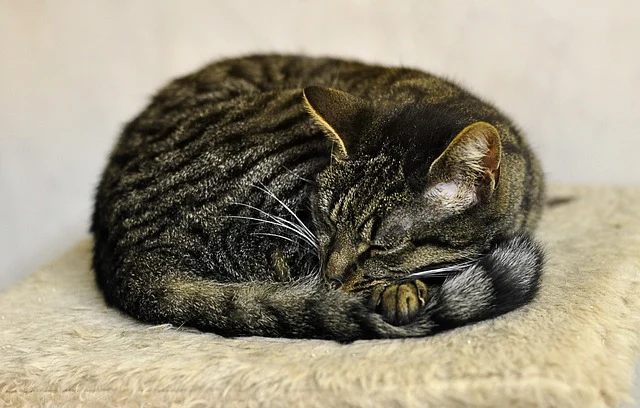
You can provide a warm, soft bed to encourage this natural behaviour while ensuring your cat remains comfortable. Heated cat beds or a cosy blanket can be particularly appealing. This is especially true for older cats who might struggle more with temperature regulation.
Protecting Vital Organs: An Ancient Instinct
Another important reason why cats sleep in a ball is to protect their vulnerable belly and vital organs. Unlike their backs, a cat’s abdomen is not shielded by a ribcage, making it a sensitive area. In the wild, this position would have been critical for survival, guarding against potential predators or perceived threats.
Even though most domestic cats face no immediate threats, this protective instinct remains deeply ingrained. When your cat curls into a ball, they often tuck their head in. Their paws are close to their body, creating a compact, shielded form. This posture makes it harder for a predator to access their soft underbelly.
Cats think of this as a natural defense mechanism. While your cat might feel perfectly safe in your home, this ancient instinct still guides their behaviour. This is a testament to their evolutionary history, reminding us that even the most domesticated felines retain a connection to their wild ancestors.
Feeling Safe and Secure: The Comforting Embrace
The curled-up position also provides a profound sense of safety and security for cats. Similar to a human fetal position, it offers a feeling of being enclosed and protected. This can be especially important for cats in new or unfamiliar environments, or those who are naturally more timid.
When a cat feels secure, they are more likely to achieve deeper, more restful sleep. The act of curling up can be incredibly comforting. It allows them to relax fully without needing to be constantly alert to their surroundings. This is why you often see cats in this position when they are truly settled and undisturbed.
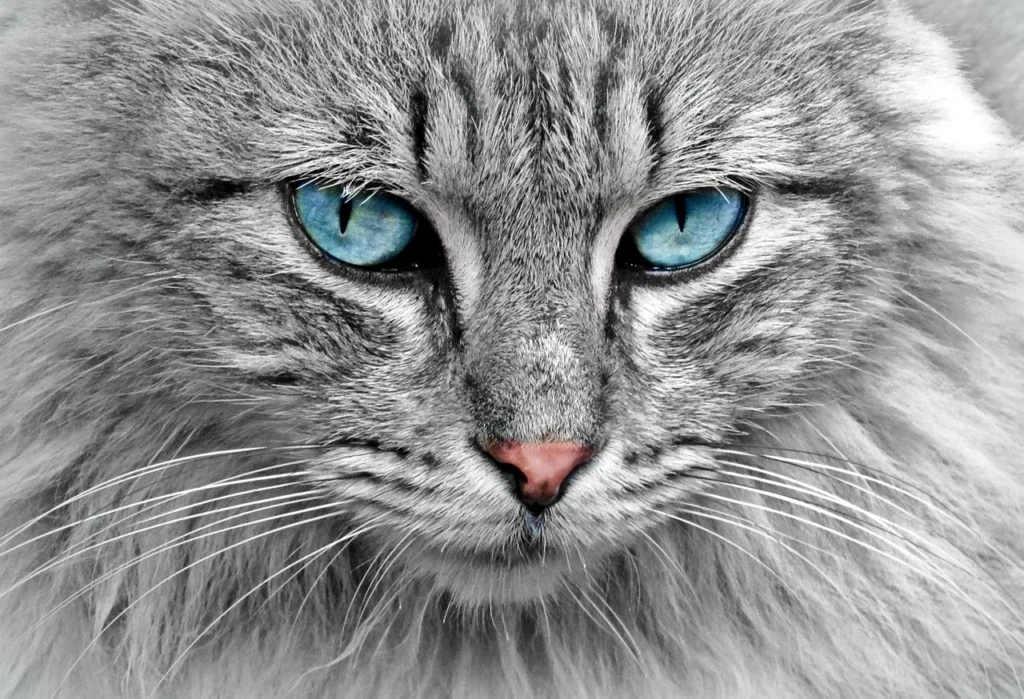
Cats who feel particularly safe with their owners might still sleep in a ball. However, they might also occasionally sprawl out, exposing their belly. This is a sign of immense trust. The ball position, however, is a reliable indicator that they are feeling content and secure in their immediate space.
What Does It Mean When Cats Sleep in a Ball Position?
When your cat sleeps in a ball position, it generally means they are feeling comfortable, secure, and are regulating their body temperature. The tightness of the curl can offer further clues about their current state.
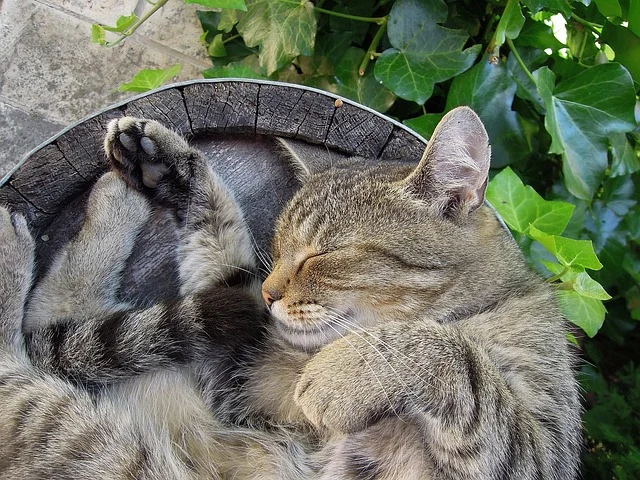
A very tight, compact curl often suggests that the cat is trying hard to conserve heat. This indicates they might be feeling cold. Their nose might be tucked deeply into their tail or paws. A slightly looser curl, where they are still rounded but not as tightly compressed, usually signifies a comfortable temperature and a relaxed state of security. We often refer to this as the “crescent” position, as described by WebVet.com.
You should observe not just the position, but also the context. Is the room cold? Does a draught exist? Is your cat in a new environment? These factors can influence how tightly they curl up.
Why Do Cats and Dogs Sleep in a Ball?
Both cats and dogs often sleep in a ball position due to shared evolutionary instincts for warmth and protection. This behaviour is common across many mammalian species, rooted in the needs of their wild ancestors.
For both felines and canines, curling up minimizes exposed surface area to conserve heat. It also protects their vulnerable underbellies from potential threats. While domestic pets may not face the same dangers as their wild counterparts, they retain these primal instincts. A dog sleeping in a tight curl, much like a cat, often seeks warmth or feels a need for security, especially in unfamiliar surroundings.

This shared behaviour highlights the universal nature of these survival mechanisms. It’s a fascinating insight into how deep-seated these instincts are, even in our beloved domesticated animals.
When Should You Be Concerned About a Cat Sleeping in a Ball?
While a cat sleeping in a ball is almost always normal and healthy, a sudden, unusually tight, or hunched curl, especially when paired with other behavioral changes, can indicate illness or pain. It’s important to recognize these subtle signs.
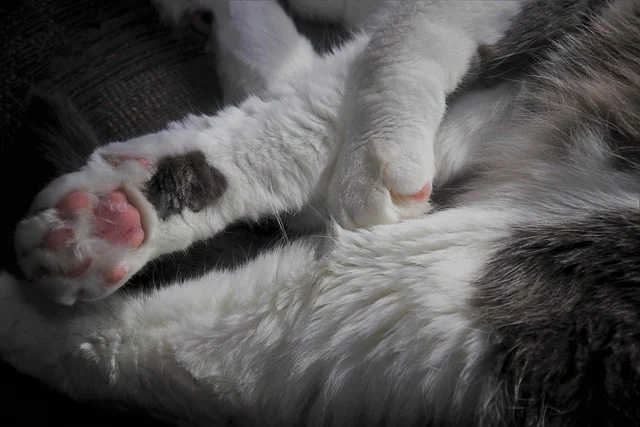
If your cat is not only curled tightly but also hiding more than usual, showing a loss of appetite, experiencing changes in litter box habits, or exhibiting any signs of discomfort when touched, it warrants a veterinary check. Older cats, particularly, may adopt this position to alleviate discomfort from arthritis or joint pain, reducing strain on their limbs.
We recommend observing your cat’s overall behaviour. Is this a new development? Are they typically more sprawled out and have suddenly started curling up very tightly? Any significant deviation from their usual patterns, especially if persistent, should prompt a consultation with your vet. Early detection of health issues is always beneficial.
Supporting Your Cat’s Natural Sleeping Habits
You can help support your cat’s natural curling behaviour and ensure their comfort by providing appropriate sleeping arrangements. Donut-shaped or round bolster beds are excellent choices as they naturally cradle a cat in a curled position, offering both support and a sense of enclosure.
Consider the placement of these beds too. Cats often prefer quiet, elevated spots where they can observe their surroundings or feel hidden. A bed placed away from high-traffic areas, or even on a cat tree, can become a favorite napping spot. Ensuring the room temperature is comfortable, especially during colder periods, can also reduce the need for them to curl up solely for warmth.
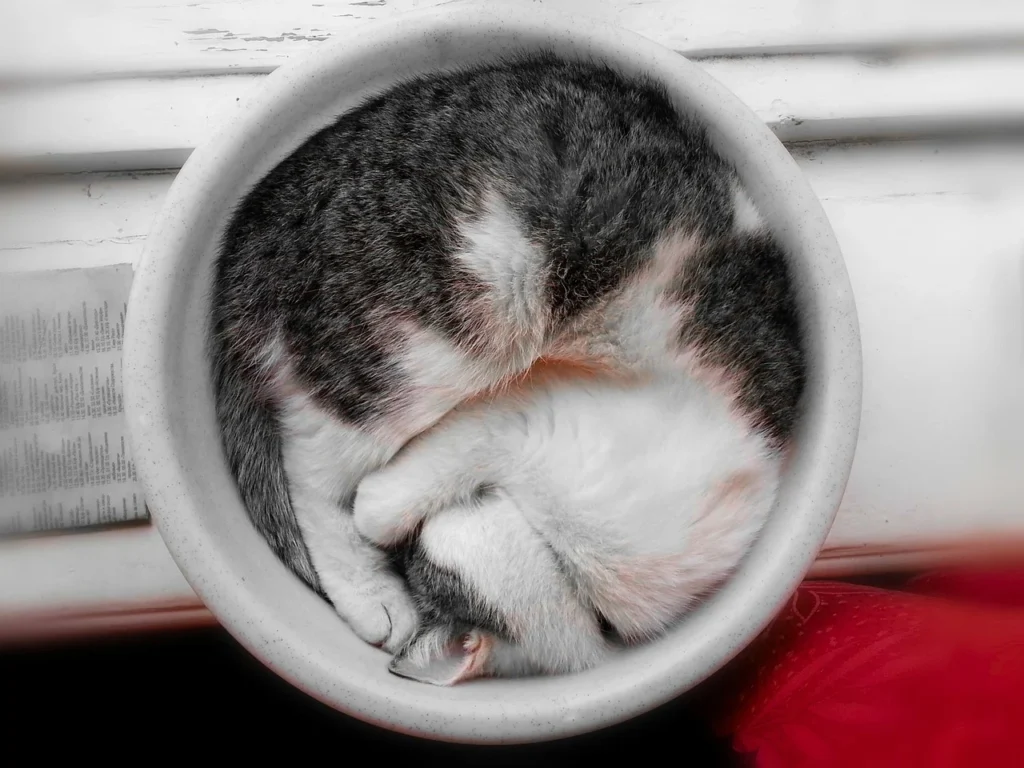
You always make sure cats have several comfortable spots to choose from throughout the house. This allows them to select the ideal location based on their current needs for warmth, security, and quiet. This flexibility empowers them to follow their natural instincts.
Frequently asked questions
What does it mean if my cat sleeps in a ball?
When your cat sleeps in a ball, it typically means they are feeling safe, secure, and are trying to conserve body heat. It’s a natural, instinctual position that helps them regulate their temperature and protect vulnerable areas.
Are cats happier if they sleep with you?
Many cats enjoy sleeping with their owners, and it can be a sign of a strong bond and trust. While it can contribute to their happiness by providing warmth and security, cats are generally happy as long as they have a safe, comfortable place to sleep, whether that’s with you or in their own bed.
What do different cat sleeping positions mean for their health?
Different cat sleeping positions can offer clues about their comfort, trust, and health. A sprawled-out position often indicates a feeling of safety and warmth. A very tight ball, however, might suggest cold or a need for extra security. Any sudden, unusual change in typical sleeping positions, especially if accompanied by other symptoms, could be a sign of discomfort or illness. This warrants veterinary attention.