What Exactly Is a Mini Bernedoodle?
The Mini Bernedoodle is a hybrid dog, not a recognized purebred, meaning it doesn’t have official breed standards from organizations like the American Kennel Club. This crossbreed is created by mixing a Bernese Mountain Dog, known for its calm demeanour and striking tricolor coat, with a Miniature Poodle, celebrated for its intelligence, hypoallergenic qualities, and varied coat colours. The goal of this pairing is to achieve a dog with a desirable temperament, a smaller stature than a Standard Bernedoodle, and a coat that is less prone to shedding, making them a potentially good fit for individuals with allergies.
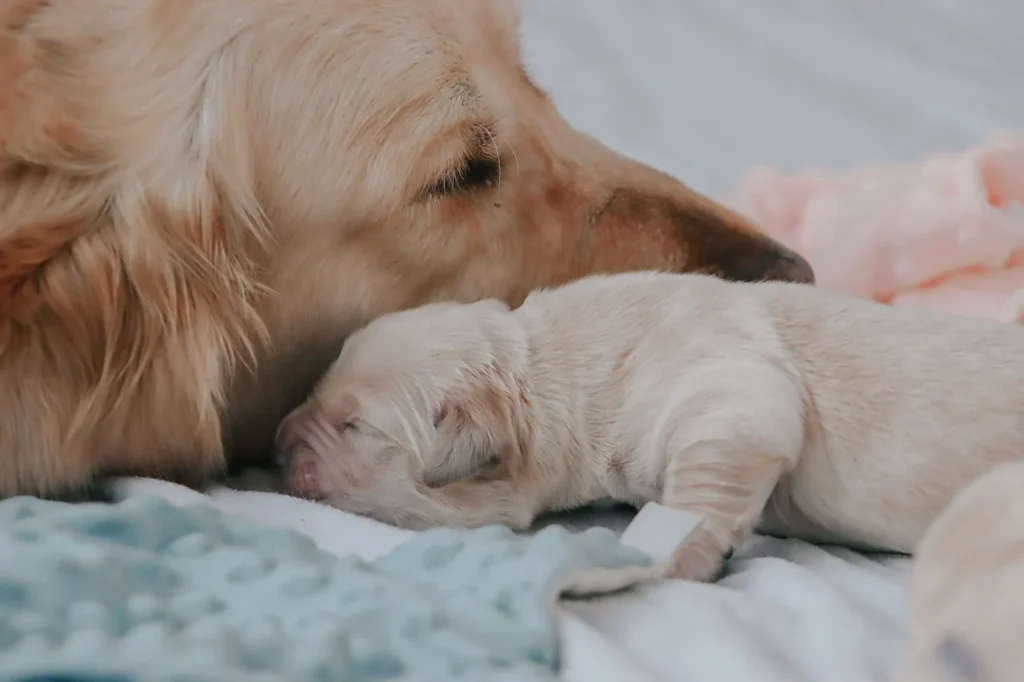
Mini Bernedoodles are a cross between a Bernese Mountain Dog and a Miniature Poodle.
While often referred to simply as Mini Bernedoodles, you might also hear terms like miniature Bernedoodles or mini multigenerational Bernedoodles, particularly from breeders focusing on specific genetic lines. It is important to remember that as a crossbreed, there can be more variability in their appearance and temperament compared to purebred dogs.
How Big Do Mini Bernedoodles Get When Fully Grown?
When fully grown, Mini Bernedoodles generally stand between 15 and 22 inches tall at the shoulder. They weigh from 15 to 49 pounds. This size range offers a more manageable companion compared to their larger Standard Bernedoodle counterparts. However, we must stress that predicting the exact size of any crossbreed can be challenging. It depends significantly on the genetics of the specific parent dogs and which traits they inherit.
Some breeders also use terms like ‘Micro Mini Bernedoodle’ or ‘Toy Bernedoodle’. They use these for dogs on the smaller end of the spectrum. These dogs typically weigh 10–25 pounds and stand 12–17 inches tall. These terms are not universally standardized. So, you must discuss specific size expectations with a reputable breeder. Consider the size of both parent dogs. It’s a common misconception that a Mini Bernedoodle puppy will stay tiny if its parents are small. Adult size depends on various genetic factors. Growth can sometimes surprise you.
When Do Mini Bernedoodles Stop Growing?
Mini Bernedoodles typically reach their full adult height and weight between 12 and 18 months of age. While they might achieve most of their height around 10–12 months, they often continue to fill out and gain muscle mass until they are about 18 months old. This timeline can vary slightly depending on the individual dog’s genetics and overall health.
What Is the Temperament of a Mini Bernedoodle Like?
Mini Bernedoodles are generally known for their loyal, devoted, and intelligent nature. This makes them wonderful family pets. They tend to be gentle with children and possess a playful spirit without being overly hyperactive. They typically require moderate exercise of 30 to 60 minutes daily for adults. Their Poodle parentage contributes to their trainability, while the Bernese Mountain Dog influence brings a calm, affectionate disposition.

Their eagerness to please and quick learning ability make them relatively easy to train, especially with positive reinforcement methods. However, like all intelligent dogs, they thrive on mental stimulation and can become bored or mischievous if not given enough to do. Early socialization and consistent training are key to developing a well-adjusted Mini Bernedoodle.
Do Mini Bernedoodles Ever Calm Down?
Yes, Mini Bernedoodles do typically calm down as they mature. This usually happens by the time they are 18 to 24 months old. While puppies and adolescents are naturally more energetic and playful, adult Mini Bernedoodles settle into a more moderate activity level. People observe that they enjoy playtime and walks. They are also content to relax with their families indoors. Consistent training, adequate exercise, and mental enrichment are important in helping them develop into calm, well-behaved adults.
Do Bernedoodles Slobber a Lot?
Generally, Mini Bernedoodles do not slobber a lot. The Bernese Mountain Dog parent can be prone to some drooling due to their jowls. However, the Poodle parent typically does not drool. When breeders cross these breeds, the Mini Bernedoodle usually inherits less of the Bernese Mountain Dog’s jowl structure. This results in minimal to no slobbering. Of course, individual dogs can vary. Any dog might drool a little when excited, anticipating food, or if they have a dental issue.
What Are the Downsides of Mini Bernedoodles?
While Mini Bernedoodles are delightful companions, prospective owners should be aware of several considerations. First, their popularity has led to high demand. This can attract irresponsible breeders who prioritise profit over health and temperament. This is a significant risk for any crossbreed. Secondly, despite being low-shedding, their coats require substantial grooming. People often underestimate this.
Another point to highlight is their potential for separation anxiety. They are very people-oriented and thrive on companionship. If you leave them alone for extended periods too frequently, they can develop anxiety. This leads to destructive behaviors or excessive barking. Also, due to their mixed heritage, they can inherit health issues from both parent breeds. These include hip and elbow dysplasia from the Bernese Mountain Dog, and certain eye conditions or Addison’s disease from the Poodle. Responsible breeders will conduct thorough health testing to mitigate these risks.
Understanding Mini Bernedoodle Coats and Grooming Needs
People often seek Mini Bernedoodles for their low-shedding and allergy-friendly coats. However, it’s a misconception that they are 100% hypoallergenic. Dog allergies link to proteins in dander and saliva, not just hair. Many are low-shedding. Some can have unfurnished coats that shed more like a Bernese Mountain Dog. Their coats can vary in texture from wavy to curly. They also vary in colours, including black, brown, and grey. These can change significantly as they mature. Black can potentially fade to charcoal or silver. Brown can fade to softer shades, a recent change noted in October 2026. Puppies “blow” their soft puppy coats around 10 months of age. Their adult coat settles in between 12 to 18 months.
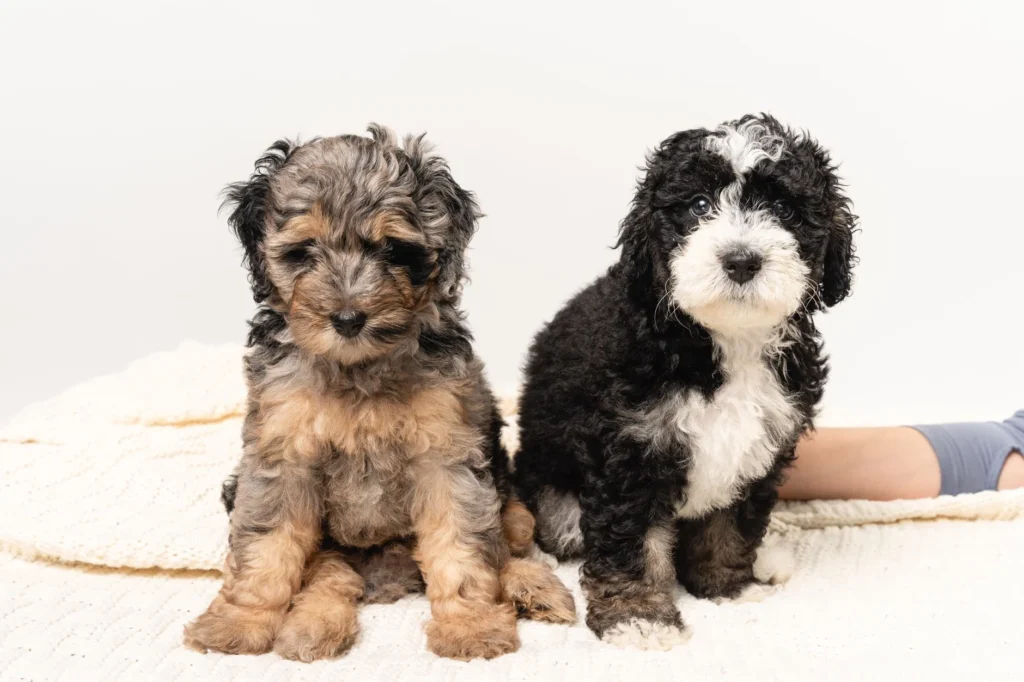
Regular grooming is essential to prevent matting. We recommend brushing your Mini Bernedoodle several times per week, ideally daily, especially if they have a curly or wavy coat. Professional grooming every 6–8 weeks is also necessary to keep their coat trimmed, clean, and free of mats. Neglecting this can lead to painful matting that requires shaving, which is a frequent mistake seen in owners.
How Expensive Is a Mini Bernedoodle and Their Ongoing Care?
The initial cost of a Mini Bernedoodle puppy from a responsible breeder typically ranges from £2,500 to £7,000. Factors such as the breeder’s reputation influence this price. The extent of health testing conducted on the parents also affects it. Other factors include the dog’s parentage and specific coat colours or patterns. We advise being wary of unusually low prices. They can sometimes indicate a lack of proper health screening or ethical breeding practices.
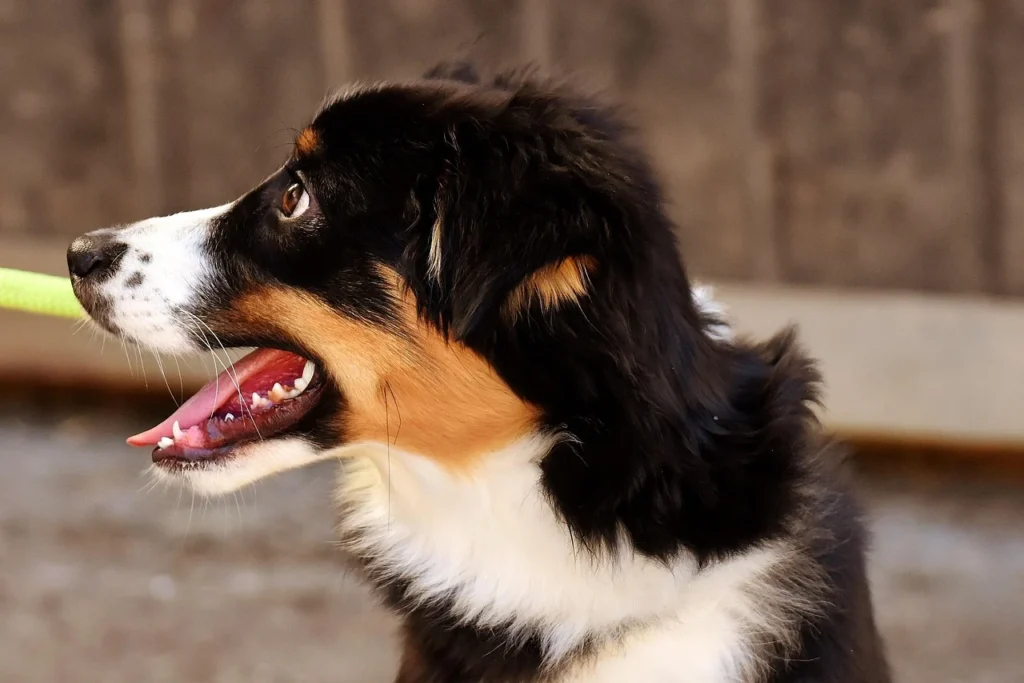
The cost of a Mini Bernedoodle puppy can vary significantly based on the breeder and specific traits.
Beyond the initial purchase, annual care costs for a Mini Bernedoodle typically range from £1,500 to £3,000 after the first year. The first year’s costs are usually higher due to initial puppy supplies, vaccinations, deworming, and spaying or neutering. These ongoing costs cover food, routine veterinary check-ups, professional grooming, preventative medications (flea, tick, and worming treatments), toys, and occasional training classes. It’s important to budget for these expenses to ensure your Mini Bernedoodle receives the best possible care throughout their life.
Mini Bernedoodle Lifespan and Health Considerations
Mini Bernedoodles generally have a lifespan of 12 to 17 years. This is a relatively long life for a medium-sized dog. You can attribute this to the hybrid vigor often seen in crossbreeds. However, they can still be susceptible to certain health conditions inherited from their parent breeds. From the Bernese Mountain Dog side, hip and elbow dysplasia, certain cancers, and Von Willebrand’s disease are particularly mindful considerations.
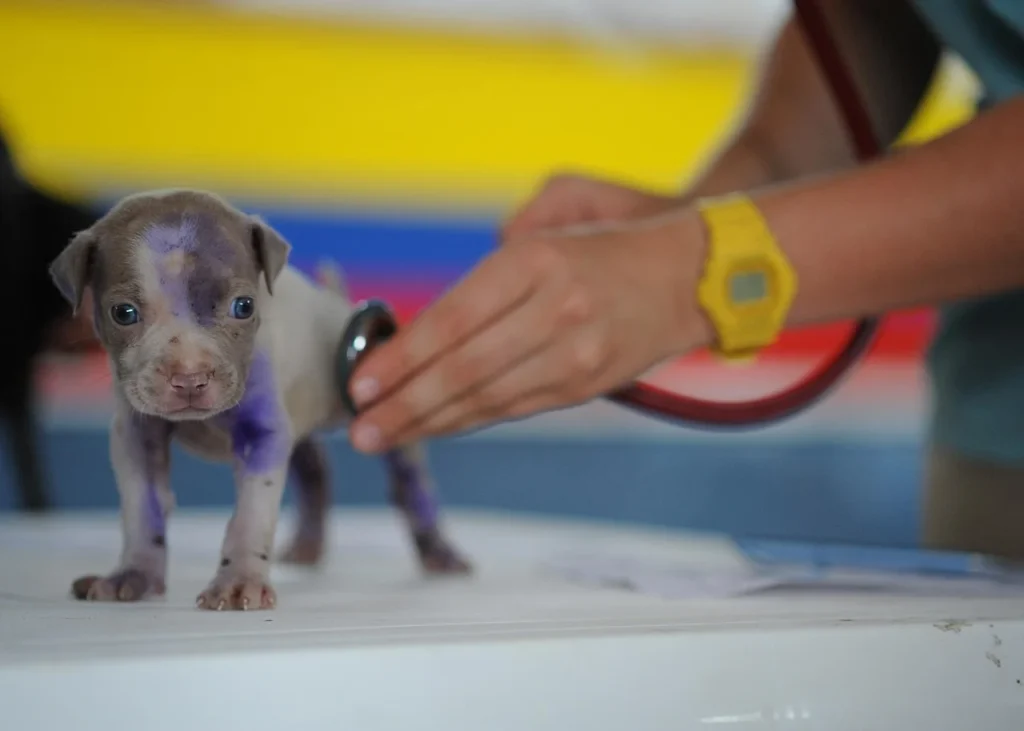
Mini Bernedoodles typically live for 12 to 17 years with proper care.
From the Poodle side, you might see concerns like progressive retinal atrophy (an eye condition), Addison’s disease, and patellar luxation. Responsible breeders will conduct comprehensive health testing on parent dogs for these conditions. This includes hip and elbow scores, eye certifications, and genetic tests. We strongly recommend asking breeders for proof of these health clearances before committing to a puppy. Regular veterinary check-ups, a balanced diet, and appropriate exercise are vital for maintaining your Mini Bernedoodle’s health. They will help them live a full, happy life.
Finding a Responsible Mini Bernedoodle Breeder
When searching for a Mini Bernedoodle, we cannot stress enough the importance of finding a responsible and ethical breeder. A good breeder will prioritise the health and temperament of their dogs above all else. Here are some steps we advise you to follow:
- Research Thoroughly: Look for breeders who are transparent about their breeding practices, provide clear information about their parent dogs, and have positive testimonials.
- Ask About Health Testing: A reputable breeder will conduct extensive health screenings on both parent dogs for genetic conditions common to Bernese Mountain Dogs and Poodles. They should be able to provide documentation of these clearances.
- Meet the Parents: If possible, visit the breeder’s facility to meet the puppy’s parents. This gives you insight into the temperament and living conditions of the adult dogs.
- Observe the Puppies: Look for puppies that appear healthy, clean, and well-socialized. They should be curious, playful, and comfortable interacting with people.
- Inquire About Socialisation: Ask how the breeder socializes the puppies from a young age. Early exposure to different sights, sounds, and experiences is important for their development.
- Review Contracts and Guarantees: A responsible breeder will provide a written contract, often including a health guarantee for a specified period against certain genetic conditions.
Avoid breeders who cannot provide health clearances, are unwilling to let you meet the parent dogs, or seem more interested in making a quick sale than ensuring a good home for their puppies. While terms like ‘Mini Bernedoodle for sale’ or ‘Mini Bernedoodle puppies near me’ are common search phrases, we urge you to prioritise ethical breeding over convenience.
Frequently asked questions
Are Mini Bernedoodles good apartment dogs?
Yes, Mini Bernedoodles can make good apartment dogs. Their moderate size and exercise needs help. They typically require 30 to 60 minutes of daily activity. They are adaptable and enjoy being with their families, but they do need consistent outdoor exercise and mental stimulation to thrive in a smaller living space.
What is the typical lifespan of a Mini Bernedoodle?
Mini Bernedoodles generally have a lifespan ranging from 12 to 17 years. Genetics, diet, exercise, and overall healthcare can influence this. Responsible breeding practices and regular veterinary check-ups contribute significantly to their longevity.
Are Mini Bernedoodles prone to any specific health issues?
Due to their mixed heritage, Mini Bernedoodles can be prone to health issues from both parent breeds, including hip and elbow dysplasia, certain cancers, eye conditions like progressive retinal atrophy, and Addison’s disease. Responsible breeders conduct thorough health testing on parent dogs to minimize these risks.