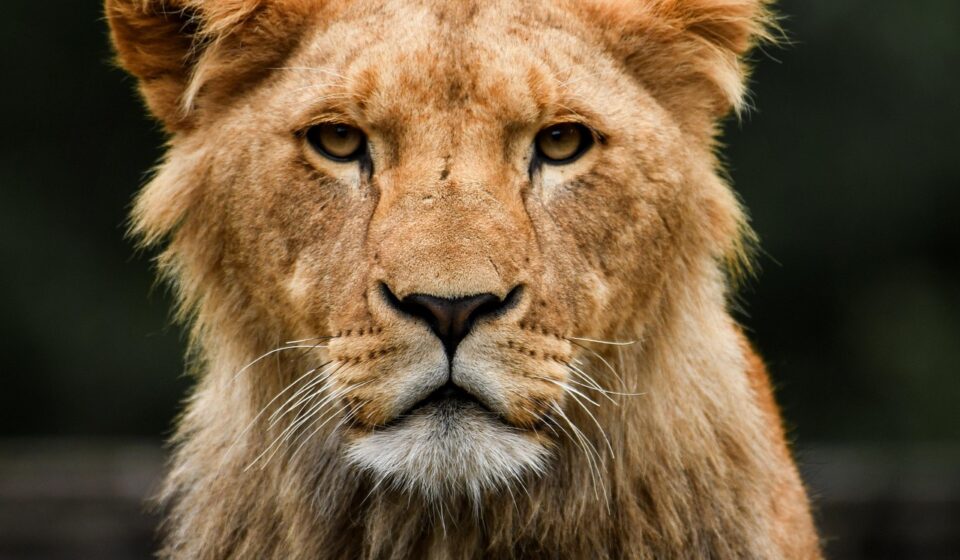
Dog breed king shepherd: Introducing the King Shepherd
The King Shepherd stands as a testament to selective breeding, a breed designed for presence, intelligence, and loyalty. Emerging from careful crossbreeding, primarily involving the German Shepherd, this canine is characterized by its substantial size, striking appearance, and gentle demeanour. As of May 2026, the King Shepherd continues to grow in recognition, appealing to those who seek a devoted companion and a capable protector.
Last updated: May 19, 2026
This breed, while sharing roots with the esteemed German Shepherd, has carved out its own identity, often distinguished by a more imposing stature and a generally calmer disposition. Understanding the nuances of the King Shepherd is key for any prospective owner, ensuring a harmonious and fulfilling life together. They are not merely large dogs; they are intelligent, responsive partners.
- The King Shepherd is a large, majestic breed developed primarily from German Shepherd lineage, known for loyalty and protective instincts.
- They possess a generally calm and intelligent temperament, making them suitable family companions with proper socialization and training.
- King Shepherds require significant space, regular exercise, consistent training, and a dedicated owner prepared for their size and needs.
- Health considerations include potential joint issues, bloat, and certain genetic predispositions common in large breeds.
- Early socialization and consistent, positive reinforcement training are crucial for developing a well-adjusted King Shepherd.
Origins and Development: A Royal Lineage
The King Shepherd breed’s story is relatively recent, stemming from the late 20th century. Visionary breeders sought to combine the most desirable traits of several working dog breeds, with the German Shepherd forming a significant part of its genetic foundation. The aim was to create a dog that retained the intelligence, trainability, and loyalty of the German Shepherd, while possessing an even more commanding physical presence and a potentially more stable temperament.
This intentional crossbreeding, often incorporating lines from other large shepherd-type dogs, resulted in a breed that’s visually striking. They are often larger and sometimes more strong than the traditional German Shepherd, with a regal bearing that earned them the moniker “King Shepherd.” This careful development focused on enhancing physical attributes such as bone structure and overall size, without compromising the breed’s working dog capabilities or its companionable nature.
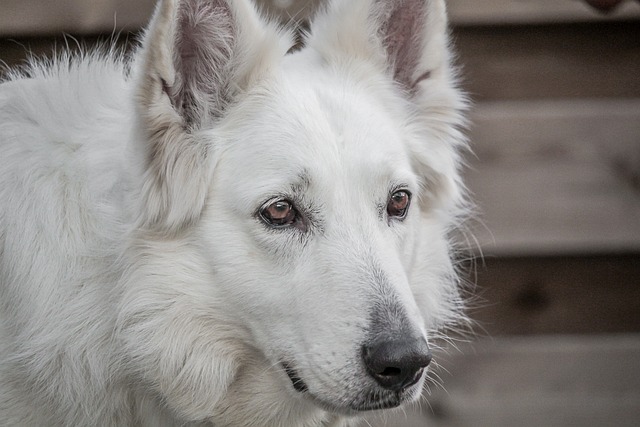
Physical Characteristics: The Majestic Giant
The most immediately noticeable trait of the King Shepherd is its size. These dogs are substantial, typically standing taller and weighing more than their German Shepherd cousins. Males can reach heights of 27 to 31 inches at the shoulder and weigh between 90 to 150 pounds (40-68 kg), while females are slightly smaller, usually between 25 to 29 inches (63-74 cm) and weighing 75 to 120 pounds (34-54 kg). Their build is powerful and athletic, conveying strength and endurance.
Their coat is typically dense and double-layered, offering protection against various weather conditions. Common colours include variations of sable, black and tan, solid black, and bicolor. The head is broad and well-proportioned, with intelligent, alert eyes that convey their keen awareness. Their ears are typically erect and pointed, contributing to their alert expression. The tail is usually carried in a slight curve when relaxed but can be raised higher when excited or alert.
Temperament and Personality: A Loyal Protector
King Shepherds are renowned for their unwavering loyalty and deep affection for their families. They form strong bonds and often see themselves as protectors of their household. This protective instinct is not aggressive but rather a vigilant awareness of their surroundings and a desire to keep their loved ones safe. They are generally good with children, especially if raised alongside them, but their size necessitates supervision with very young ones.
Intelligent and eager to please, King Shepherds respond exceptionally well to consistent, positive training methods. They possess a calm confidence, which can make them seem more laid-back than some other high-energy breeds. However, this calmness should not be mistaken for laziness; they still require mental and physical stimulation to thrive. They can be aloof with strangers initially, a trait that underscores their watchful nature, but they are not typically prone to unprovoked aggression.
Training and Socialization: Building a Confident Companion
Effective training and early socialization are paramount for a well-adjusted King Shepherd. Due to their size and potential protective instincts, it’s crucial to expose them to a wide variety of people, places, sounds, and other animals from a young age. This helps them develop into confident, well-behaved adults who can navigate different situations without fear or excessive caution.
Positive reinforcement techniques, such as rewarding good behaviour with treats, praise, or play, are highly effective. King Shepherds are intelligent and motivated by praise and interaction. Consistent training sessions, even short ones, will yield better results than infrequent, long sessions. Early obedience training, including basic commands like ‘sit,’ ‘stay,’ ‘come,’ and ‘leave it,’ is essential for managing such a large and capable dog. Consider enrolling in puppy classes and obedience courses to reinforce training and provide valuable socialization opportunities.

Exercise and Mental Stimulation: Keeping the Royal Canine Active
King Shepherds are active dogs that require a significant amount of exercise to maintain their physical and mental well-being. Daily vigorous activity is essential. This can include long walks, jogging, hiking, or engaging in canine sports like agility or obedience trials. A bored King Shepherd can become restless, potentially leading to destructive behaviours or an increased tendency to bark.
Beyond physical exertion, mental stimulation is equally important. Puzzle toys, scent games, and training sessions that challenge their intellect will help prevent boredom and keep their minds sharp. Providing opportunities for them to use their natural working dog instincts, such as through supervised ‘search and rescue’ games or ‘find the treat’ activities, can be incredibly rewarding for them. A minimum of 60–90 minutes of combined physical and mental exercise per day is recommended for adult King Shepherds.
Health and Lifespan: Understanding Potential Concerns
Like many large and giant breeds, King Shepherds can be prone to certain health conditions. Responsible breeding practices play a crucial role in minimizing these risks. Common concerns include hip and elbow dysplasia, conditions affecting the joints that can lead to pain and mobility issues. Reputable breeders will screen their breeding stock for these conditions.
Another significant concern for deep-chested breeds like the King Shepherd is gastric dilatation-volvulus (GDV), commonly known as bloat. This is a life-threatening condition where the stomach fills with gas and can twist. Feeding smaller, more frequent meals, avoiding vigorous exercise immediately after eating, and considering a prophylactic gastropexy surgery can help mitigate this risk. The typical lifespan for a King Shepherd is between 9 to 12 years, though with excellent care and a bit of luck, some can live longer. According to the American Kennel Club (AKC) (2025), large breeds often have shorter lifespans due to the physiological demands of their size.
Diet and Nutrition: Fueling the Gentle Giant
A balanced, high-quality diet is fundamental for the health and longevity of a King Shepherd. Given their large size, they require a diet formulated for large or giant breeds, particularly during their growth phases. Puppy food should be specifically designed for large breeds to ensure controlled bone and joint development, preventing growth-related issues.
As adults, feeding a premium dog food appropriate for their age, activity level, and any specific health needs is crucial. Avoid overfeeding, as maintaining a lean body condition is vital for supporting their joints and reducing the risk of conditions like bloat. Consult with your veterinarian or a canine nutritionist to determine the best feeding plan and portion sizes. Ensure fresh, clean water is always available. For instance, a 100-pound adult King Shepherd might consume 4–6 cups of high-quality kibble per day, divided into two meals.

Grooming Requirements: Maintaining the Royal Coat
King Shepherds have a thick double coat that requires regular grooming to keep it healthy and to manage shedding. Brushing several times a week, ideally daily during heavy shedding seasons (typically spring and autumn), will help remove loose hair, prevent matting, and distribute natural skin oils. A good quality slicker brush and an undercoat rake are essential tools for this breed.
Beyond brushing, regular nail trims, ear cleaning, and dental care are important components of their grooming routine. Nails should be trimmed every 3–4 weeks to prevent overgrowth. Ears should be checked weekly for redness, odor, or discharge, and cleaned as needed with a veterinarian-approved ear cleaner. Brushing their teeth a few times a week with dog-specific toothpaste helps maintain oral hygiene and prevent dental disease. Bathing should be done only when necessary, typically every 6–8 weeks, using a gentle dog shampoo to avoid stripping their coat’s natural oils.
The King Shepherd as a Family Pet
With their loyal and protective nature, King Shepherds can make excellent family pets. They are devoted to their people and often enjoy being involved in family activities. Their intelligence means they can be trained to understand household rules and routines. However, their substantial size means they require ample space, both indoors and in a secure outdoor area, to move around comfortably.
Prospective owners must be prepared for the commitment involved in owning a large breed. This includes the financial implications of feeding, veterinary care, and potential training classes, as well as the time commitment for exercise, grooming, and training. For families with young children, early and consistent socialization is vital to ensure the dog understands appropriate interactions. A well-trained and socialized King Shepherd is a gentle, loving, and impressive companion.
Common Mistakes to Avoid
One of the most common mistakes is underestimating the exercise and mental stimulation needs of a King Shepherd. While they are calmer than some breeds, they still require significant daily activity. A lack of adequate stimulation can lead to behavioural issues. Another mistake is inadequate or inconsistent training, especially failing to socialize them properly from a young age.
Failing to provide a secure environment is also a concern; their size means they can potentially jump fences if not adequately contained. Overfeeding or feeding a diet not suited for large breeds can lead to health problems. Finally, expecting a King Shepherd to be a guard dog without proper training and socialization can be misguided. They are natural protectors, but their behaviour needs to be channelled positively through consistent guidance.
Expert Insights and Best Practices
Experts consistently highlight the importance of early and ongoing socialization for all shepherd breeds, and the King Shepherd is no exception. “A well-socialized King Shepherd is a confident dog that understands boundaries, making them a joy to live with,” states Dr. Eleanor Vance, a leading canine behaviorist. “This involves exposing them positively to diverse environments and individuals from puppyhood through adulthood.”
When considering a King Shepherd, potential owners should research reputable breeders who prioritise health testing and temperament. Organisations like the King Shepherd Club of America (KSCA) (2026) provide resources and guidance on finding responsible breeders. Investing time in training and understanding the breed’s specific needs will foster a strong bond and ensure a harmonious partnership. For example, implementing a ‘place’ command where the dog goes to a designated spot and stays until released can be invaluable for managing a large dog in a busy household.

Frequently Asked Questions
What is the average lifespan of a King Shepherd?
The average lifespan for a King Shepherd is typically between 9 to 12 years. Factors such as genetics, diet, exercise, and overall veterinary care play a significant role in how long an individual dog may live.
Are King Shepherds good with children?
Yes, King Shepherds are generally good with children, especially if they are raised with them and properly socialized. Their protective instincts can make them good guardians, but supervision is always recommended due to their large size.
How much exercise does a King Shepherd need?
King Shepherds require substantial daily exercise, typically 60–90 minutes of vigorous activity, including walks, runs, or playtime, along with mental stimulation through training and puzzle toys.
Do King Shepherds shed a lot?
Yes, King Shepherds have a dense double coat and shed moderately year-round, with heavier shedding periods usually occurring twice a year. Regular brushing is necessary to manage shedding.
Are King Shepherds easy to train?
King Shepherds are intelligent and eager to please, making them generally easy to train with consistent, positive reinforcement methods. Early socialization and obedience training are crucial.
What are common health issues for King Shepherds?
Common health issues include hip and elbow dysplasia, and a higher risk of gastric dilatation-volvulus (GDV) or bloat, which are typical concerns for large, deep-chested breeds.
Conclusion: A Noble Companion for the Right Owner
The King Shepherd is a truly magnificent breed, offering a unique blend of loyalty, intelligence, and protective instincts within a commanding physical presence. They are devoted companions that, with proper training, socialization, and care, can become cherished members of an active family or individual’s life. Their dignified and loving matchs their regal appearance nature, making them a distinguished choice for experienced dog owners prepared for the responsibilities that come with such a noble guardian.
Potential owners should thoroughly research the breed, connect with responsible breeders, and ensure they can meet the King Shepherd’s needs for space, exercise, mental engagement, and consistent guidance. Committing to this breed means embracing a loyal protector and a devoted friend for many years to come.
Information current as of May 2026; pricing and product details may change.
Editorial Note: This article was researched and written by the Pet Magazine editorial team. We fact-check our content and update it regularly. For questions or corrections, contact us. Knowing how to address dog breed king shepherd early makes the rest of your plan easier to keep on track.
Related read: Can Dogs Eat Olive Oil Safely in 2026? A Vet-Approved Guide
Related read: Dog Costumes: Dress Your Pup for Fun & Photos in 2026
Related read: Small Hypoallergenic Dog Breeds: Your 2026 Guide to.
Related read: Dogo Argentino: Temperament, Training, and Health for 2026.