
ons Are Non-Negotiable for Puppies
Puppies are born with some maternal antibodies, offering temporary protection, but this wanes as they grow. Without vaccination, they are highly vulnerable to serious, potentially deadly canine infectious diseases. These diseases can spread rapidly, especially in areas where unvaccinated dogs congregate, such as parks, training classes, or veterinary waiting rooms.
Last updated: June 11, 2026
Vaccines work by introducing a weakened or inactive form of a virus or bacteria to the puppy’s immune system. This stimulates the body to produce antibodies, creating a defense against future exposure to the actual pathogen. It’s a critical step in ensuring your puppy can safely explore the world and live a long, healthy life.
In real terms, a puppy’s first year of vaccinations is an investment in their future well-being, preventing costly and heartbreaking illnesses down the line. The American Animal Hospital Association (AAHA) Canine Vaccination Guidelines provide a strong framework for veterinarians worldwide, emphasizing evidence-based protocols.
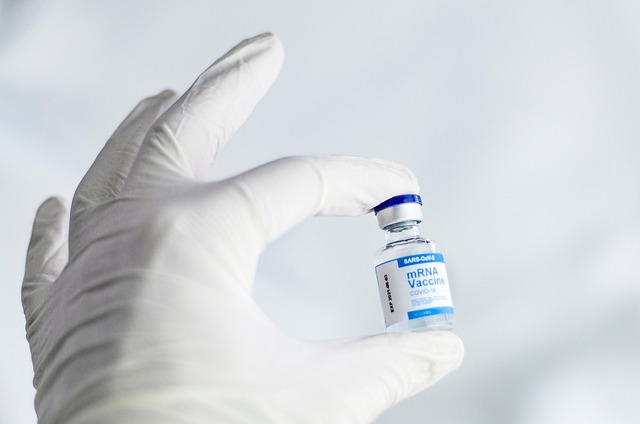
Puppy shot guide: Understanding Core Puppy Vaccines
Core vaccines are considered essential for all puppies, regardless of their lifestyle or geographic location, because they protect against widespread, severe diseases. These are the foundational shots every new puppy owner should be aware of.
DHPP or DAPP Vaccine (Distemper, Hepatitis, Parainfluenza, Parvovirus)
This single injection typically covers four highly contagious and dangerous diseases:
- Canine Distemper Virus (CDV): A severe, often fatal disease affecting the respiratory, gastrointestinal, and nervous systems.
- Canine Adenovirus (CAV), also known as Hepatitis: Causes liver damage and other severe symptoms. There are two types; CAV-1 (infectious canine hepatitis) and CAV-2 (respiratory disease), with the vaccine typically protecting against both.
- Canine Parainfluenza Virus (CPiV): A common cause of kennel cough, a highly contagious respiratory infection.
- Canine Parvovirus (CPV): A highly contagious and often deadly virus causing severe vomiting, diarrhea, and dehydration, especially in puppies.
The DHPP/DAPP vaccine is usually administered in a series of three or four doses, starting at 6–8 weeks of age and continuing every 3–4 weeks until the puppy is around 16–20 weeks old. According to the World Small Animal Veterinary Association (WSAVA) guidelines, these vaccines are crucial for establishing strong immunity.
Rabies Vaccine
Rabies is a zoonotic disease, meaning it can be transmitted to humans and is almost always fatal. It affects the nervous system and is transmitted through the saliva of infected animals, usually via a bite.
The rabies vaccine is legally required in most regions for dogs and is typically given as the first dose around 12–16 weeks of age. A booster is usually required one year later, followed by boosters every one to three years, depending on local regulations and the type of vaccine used. Failure to vaccinate against rabies can have severe legal consequences and, more importantly, puts your puppy, your family, and your community at grave risk.
Lifestyle or Non-Core Vaccines for Puppies
Beyond the core vaccines, your veterinarian will discuss non-core (or lifestyle) vaccines. These are recommended based on your puppy’s specific environment, exposure risks, and your plans for them. It’s not a one-size-fits-all approach, and your vet’s advice is paramount.
Leptospirosis Vaccine
Leptospirosis is a bacterial disease transmitted through the urine of infected animals, including rodents, raccoons, and other dogs. It can contaminate soil and water. It’s also zoonotic, posing a risk to humans. Symptoms include fever, lethargy, vomiting, and kidney or liver damage.
This vaccine is often recommended for puppies living in rural areas, those who frequently swim in lakes or ponds, or those who have regular contact with wildlife. It typically requires an initial series of two doses, followed by annual boosters.
Bordetella B. bronchiseptica Vaccine (Kennel Cough)
While the DHPP vaccine offers some protection against parainfluenza (a component of kennel cough), Bordetella bronchiseptica is another primary bacterium responsible for this highly contagious respiratory infection. Puppies attending daycare, boarding kennels, grooming salons, or dog parks are at higher risk.
This vaccine can be administered intranasally, orally, or via injection. It typically requires boosters every 6–12 months, depending on the exposure risk. It’s a common requirement for many kennels and groomers.
Canine Influenza Vaccine
Also known as dog flu, canine influenza is a contagious respiratory infection caused by specific strains of influenza viruses (H3N8 and H3N2). Symptoms range from mild to severe and can include fever, coughing, nasal discharge, and lethargy.
This vaccine is recommended for puppies that may be exposed to other dogs in social settings, such as boarding facilities, doggy daycare, or competitive events. Like Bordetella, it often requires an initial series of two doses, followed by annual boosters.
Lyme Disease Vaccine
Infected ticks and can transmits lyme disease cause lameness, fever, and joint swelling. It’s most common in areas where deer ticks are prevalent.
If you live in or travel to a tick-endemic region, your veterinarian might suggest the Lyme disease vaccine. This also typically involves an initial two-dose series and annual boosters. Alongside vaccination, year-round tick prevention is crucial.
The Puppy Vaccination Schedule: What to Expect
Consistency is key when it comes to puppy vaccinations. Missing an appointment can leave your puppy vulnerable. Here’s a general timeline, but remember to consult your vet for a precise schedule tailored to your puppy.
Around 6-8 Weeks Old: First Set
This is typically the first visit for core vaccinations. Your vet will likely administer the first dose of the DHPP/DAPP vaccine. They will also perform a general health check and may discuss deworming, flea, and tick prevention.
Around 10-12 Weeks Old: Second Set
The second DHPP/DAPP dose is given. If recommended, your vet may also administer the first dose of the Leptospirosis or Canine Influenza vaccines at this stage.
Around 14-16 Weeks Old: Third Set
This is usually the final DHPP/DAPP booster to complete the puppy series. The second dose of any lifestyle vaccines (Leptospirosis, Canine Influenza) will also be given. The Rabies vaccine is typically administered around this time as well, often between 12 and 16 weeks.
Around 18-20 Weeks Old (or Later): Final Boosters/Rabies
Some puppies may require a fourth DHPP/DAPP shot if they are at high risk or their maternal antibody levels interfered with immunity. The Rabies vaccine might also be given at this later stage, depending on the vaccine type and local laws.
Post-Puppyhood and Boosters
After the initial puppy series is complete, your puppy will need booster shots. The first booster for DHPP/DAPP and Rabies is usually given one year after the last puppy shot. Subsequent boosters for these core vaccines are typically given every one to three years, depending on the vaccine and veterinary recommendations.
Lifestyle vaccines like Leptospirosis and Canine Influenza require more frequent boosters, often annually, due to their shorter duration of immunity. Your veterinarian will provide a clear schedule for these ongoing appointments.
Puppy Vaccine Costs and What to Expect
The cost of puppy vaccinations can vary significantly based on your geographic location, the specific veterinary clinic, and the number and type of vaccines administered. As of 2026, you can expect to pay anywhere from £15 to £50 per vaccine.
A typical puppy vaccination series, including the core DHPP/DAPP and Rabies vaccines, might cost around £150 to £300 in total over the first year. If lifestyle vaccines are added, the total cost can increase by an additional £50 to £150 or more.
What’s typically included in the cost?
- The vaccine itself.
- The administration by a veterinary professional.
- A brief physical examination during the appointment.
- Documentation of the vaccination (vaccine certificate).
Factors influencing cost:
- Clinic overheads: Clinics in high-cost-of-living areas may charge more.
- Additional services: Many clinics offer wellness packages that bundle vaccinations with deworming, microchipping, and spay/neuter surgery, which can sometimes offer savings.
- Vaccine type: Some vaccines are inherently more expensive than others.
It’s worth noting that while cost is a consideration, the protection provided by vaccines far outweighs the expense of treating the diseases they prevent. According to the Centers for Disease Control and Prevention (CDC), widespread vaccination has dramatically reduced the incidence of many serious infectious diseases in both humans and animals.
Puppy Shot Side Effects and What to Watch For
While generally very safe, vaccines can sometimes cause mild, temporary side effects. Understanding these can help you avoid unnecessary worry.
Common, mild side effects include:
- Soreness, swelling, or a small lump at the injection site.
- Mild lethargy or sleepiness for 24–48 hours.
- Slight decrease in appetite.
- A low-grade fever.
These reactions are usually short-lived and resolve on their own. You can help your puppy feel more comfortable by giving them a quiet place to rest and ensuring they have access to fresh water.
Less common, but more serious reactions:
Allergic reactions are rare but can be serious. Signs include:
- Hives or facial swelling.
- Severe vomiting or diarrhea.
- Difficulty breathing.
- Sudden weakness or collapse.
These severe reactions typically occur within a few hours of vaccination. If you notice any of these symptoms, contact your veterinarian or seek emergency veterinary care immediately. Most vets administer vaccines in a way that minimizes risk, and they will monitor your puppy briefly after the injection.

Preparing Your Puppy for Vaccinations
A little preparation can make the vaccination process smoother for both you and your puppy. Here are a few tips:
- Schedule Wisely: Try to schedule appointments during times that are less stressful for your puppy. Avoid scheduling them right before or after a stressful event (like a bath or a long car ride if they dislike it).
- Bring Comfort Items: A favorite toy or blanket can provide a sense of security.
- Positive Reinforcement: Have high-value treats ready to reward bravery and cooperation.
- Discuss Concerns: Don’t hesitate to ask your vet any questions you have about the vaccines, potential side effects, or the schedule.
- Vaccine Records: Bring any previous vaccination records you have for your puppy.
Your veterinarian is your best partner in ensuring your puppy receives the right protection. They can provide specific advice based on your puppy’s breed, age, health status, and local disease prevalence.
Frequently Asked Questions About Puppy Shots
When should my puppy get their first shots?
Puppies typically receive their first set of vaccinations between 6 and 8 weeks of age. This initial visit is crucial for starting their immunisation journey against common canine diseases.
How many puppy shots do they need?
Most puppies require a series of 3 to 4 sets of vaccinations, given every 3 to 4 weeks, ending around 16–20 weeks of age. This includes core vaccines like DHPP and Rabies.
What are the most important puppy vaccines?
The most important puppy vaccines are the core vaccines: DHPP (Distemper, Hepatitis, Parainfluenza, Parvovirus) and Rabies. These protect against widespread and potentially fatal diseases.
Can my puppy get shots too early?
Yes, getting shots too early can sometimes interfere with the effectiveness of vaccines due to lingering maternal antibodies. Your vet will determine the optimal timing based on your puppy’s age and maternal antibody levels.
What if my puppy misses a vaccine appointment?
If your puppy misses an appointment, contact your vet immediately. They will advise on how to get them back on schedule to ensure continuous protection, which might involve restarting a vaccine series.
Are puppy vaccines expensive?
The total cost for a puppy’s first year of vaccinations can range from approximately £150 to £300, depending on the number of vaccines and your location. Booster shots are typically less expensive.
Can my puppy play with other dogs before all their shots are done?
It’s generally recommended to limit social interactions with unknown dogs or public dog areas until your puppy has completed their primary vaccination series (usually around 16-20 weeks), as they are most vulnerable during this period.
Information current as of June 2026; pricing and product details may change.
Source: World Health Organization
Editorial Note: This article was researched and written by the Pet Magazine editorial team. We fact-check our content and update it regularly. For questions or corrections, contact us. Knowing how to address puppy shot guide early makes the rest of your plan easier to keep on track.
Related read: Why Is My Cat Vomiting? Causes, Treatments, and When to Worry in 2026.
Related read: Dog Restless at Night in 2026
Related read: Can Dogs Have Aspirin? Uses, Risks, and Safer Alternatives in 2026
Related read: Why Is My Cat Vomiting? Causes, Treatments, and When to Worry in 2026.