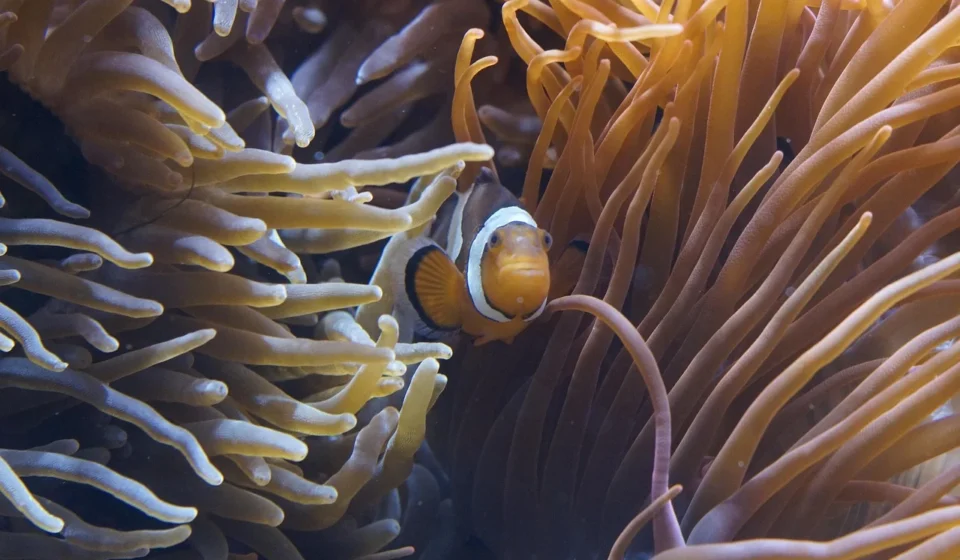
Ocellaris and Percula clown fish for sale are hardiest. These captive-bred fish suit beginner marine aquariums. They cost $20 to $50 each. Find these popular fish at local stores. Specialized online retailers also carry them. Hobbyist breeders are another source. Always choose captive-bred varieties. They offer superior disease resistance. They adapt better than wild-caught specimens.
The rest of this guide outlines where to find clown fish locally and online. It details what physical and behavioral indicators to evaluate before buying. Also, it breaks down differences between species and designer morphs like Picasso and Maroon clownfish. This includes adult size, temperament, minimum tank requirements, and pricing.
Clown Fish for Sale: Finding, Selecting, and Caring for Your Fish
When looking for clown fish for sale, you can buy captive-bred specimens from local fish stores, specialized online marine retailers, or hobbyist breeders. Captive-bred Ocellaris and Percula clownfish are the hardiest choices for beginner marine aquariums, typically costing between $20 and $50 per fish.
The vibrant hues and spirited personalities of clown fish have captivated aquarists for decades. Far more than just cartoon icons, these marine marvels offer a dynamic focal point for any saltwater aquarium. Also, the demand for these captivating creatures remains strong. This makes understanding where to find clown fish for sale and what to look for paramount for aspiring fishkeepers.
Clownfish attract many hobbyists. They are hardy and easy to care for. Don’t just pick the brightest fish. Acquire a healthy specimen instead. This ensures it thrives in your setup. Consider seller reputation, species behavior, and physical health. Check water parameters too. When looking for clown fish for sale, prioritize these factors.
- Clown fish are popular marine aquarium fish known for their hardiness and vibrant colours.
- Captive-bred varieties are widely available and strongly recommended over wild-caught specimens.
- When buying, look for active, alert fish with clear eyes and no visible signs of disease.
- Proper quarantine and acclimation are crucial steps for new arrivals to prevent disease spread.
- Understanding clown fish behaviour, diet, and tank requirements is vital for their long-term health.
Where can you buy clown fish online and locally?
The journey to acquiring clown fish for sale begins with identifying reputable sources. However, several avenues exist, each with its own advantages and potential drawbacks for the buyer.
Online retailers are a major source for marine fish. They offer convenience and selection. Specialized vendors, like Aquarium Specialty and NY Aquatic, stock many captive-bred clownfish. For example, this includes Ocellaris, Picasso, Snowflake, and Maroon varieties. These suppliers provide detailed descriptions, photos, and live delivery guarantees. The trade-off is transit stress on the fish. Reputable vendors use insulated packaging, heat or cold packs, and overnight shipping. This minimizes risk. However, live transport always carries stress, even for clown fish for sale.
Pros and cons of local stores
Local fish stores (LFS) let you see fish before buying. You can check their swimming behavior. Inspect body condition and feeding responses. Discuss local tap water or salt mixes with staff. Store stock may be limited versus online options. Pricing varies by location and distributor costs. Choosing a store with clean tanks prevents bringing home diseased specimens. Some stores even have clown fish for sale.
Hobbyist forums and regional aquarium clubs offer value. Experienced aquarists and home breeders often have clown fish for sale. These are usually captive-bred and direct. Prices can be lower than retail. Home-bred fish adapt to standard aquariums. Sellers share diet history and genetic lineage details.
When evaluating listings for clown fish for sale, prioritize vendors. They should clearly distinguish between captive-bred and wild-caught specimens. Marine Aquarium Council (MAC) (2025) guidelines note this. Captive-bred fish are more sustainable. They show higher disease resistance. They adapt faster to aquarium life. Also, they readily accept commercial feeds. This is unlike wild-caught fish.
How to evaluate a healthy clown fish before buying
Once you have identified a source, evaluating individual fish health is the most critical step. Introducing an unhealthy fish can spread pathogens to your established aquarium, causing severe loss. So, inspect every fish using this physical and behavioral checklist:
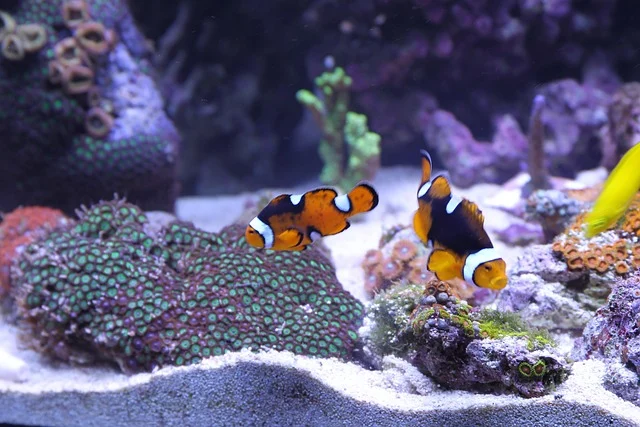
Activity Level: A healthy clown fish swims actively with rhythmic movement. However, avoid fish that hover motionless near the water surface, rest on the substrate, hide continuously behind heaters, or swim with rapid, jerky vertical motions.
Body Condition: Look for a rounded belly and full muscular back. Avoid fish with pinched bellies or sunken flanks, which often point to internal parasites, starvation, or bacterial infection. Also, fins should be held open and show smooth, unbroken edges without ragged tears or white edging.
Eyes: Eyes must be clear, bright, and symmetrical. Cloudiness, white film, swelling, or bulging (pop-eye) indicate active bacterial infections, poor water parameters, or physical trauma.
Inspecting skin, fins, and gills
Skin and Fins: Check skin surfaces closely under direct lighting. Avoid fish showing tiny white spots resembling salt grains (marine Ich), dusty velvet-like coatings (Amyloodinium), or heavy sloughing white mucus. Because mucus shedding is a classic sign of Brooklynella hostilis, often called clownfish disease, which is rapidly fatal if untreated.
Breathing: Observe gill cover movement. Breathing should be steady and moderate. Rapid, labored breathing or gasping near water surfaces indicates gill damage, parasites, low oxygen levels, or acute ammonia exposure.
Behaviour and Interaction: Healthy clown fish exhibit curiosity toward their environment and react when you approach the glass. Excessive aggressiveness toward tank mates or severe retreat from minor tank activity signals stress.
Anemone Association: In retail display tanks, you may see clown fish hosting in anemones. However, this is not required to confirm health. Captive-bred juvenile clownfish often take weeks or months to recognize host anemones. This is because they were raised in bare tanks without wild hosts present.
When purchasing captive bred clownfish, you obtain a fish raised in stable synthetic seawater on standard feeds, making them far more resilient than wild specimens taken from ocean reefs.
Comparing clown fish species, designer morphs, and prices
The term clown fish covers over thirty species within the subfamily Amphiprioninae. While all share hardy traits, individual species differ in adult size, aggression, coloration patterns, and price points.
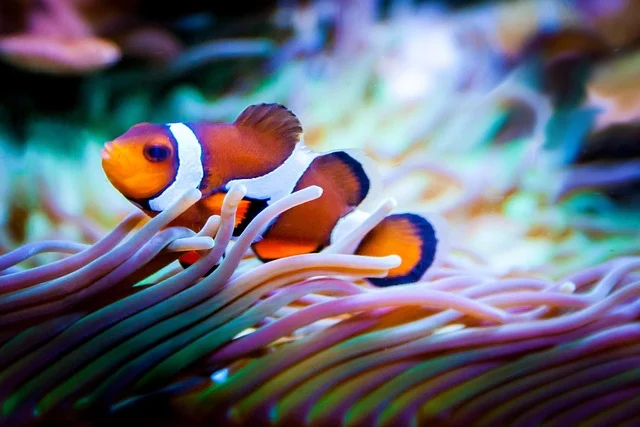
| Species / Morph | Adult Size | Temperament | Minimum Tank Size | Typical Price Range | Best Suited For |
|---|---|---|---|---|---|
| Ocellaris Clownfish (*A. ocellaris*) | 3–3.5 inches | Peaceful / Mild | 20 gallons (75 L) | $20 – $50 | Beginners and community tanks |
| Percula Clownfish (*A. percula*) | 3 inches | Peaceful / Mild | 20 gallons (75 L) | $25 – $55 | Beginners wanting intense orange contrast |
| Maroon Clownfish (*P. biaculeatus*) | 5–6 inches | Highly Aggressive | 30–50 gallons (110–190 L) | $40 – $100 | Experienced keepers with semi-aggressive setups |
| Picasso Morph (*A. ocellaris* variant) | 3–3.5 inches | Peaceful / Mild | 20 gallons (75 L) | $75 – $200+ | Aquarists seeking unique visual patterns |
Ocellaris Clownfish (Amphiprion ocellaris)
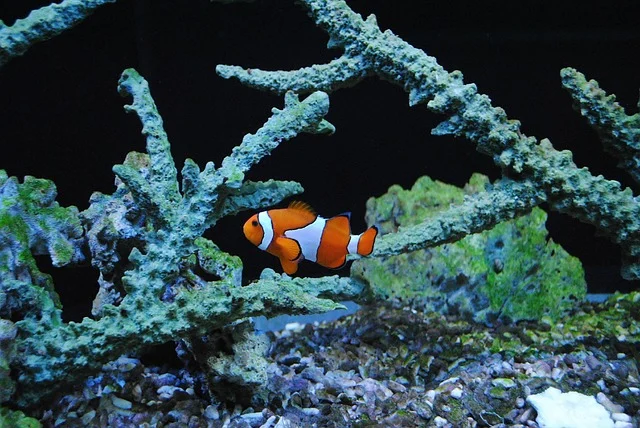
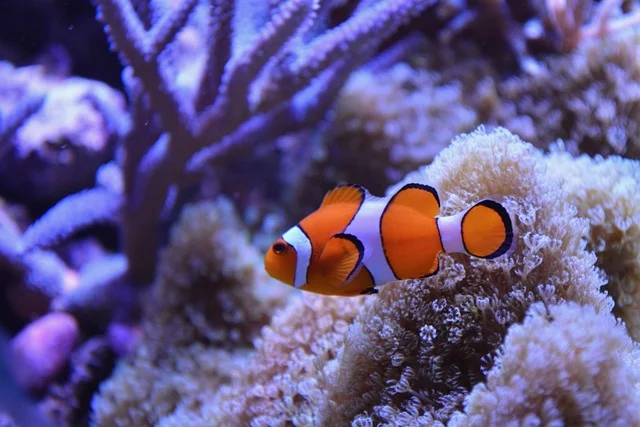
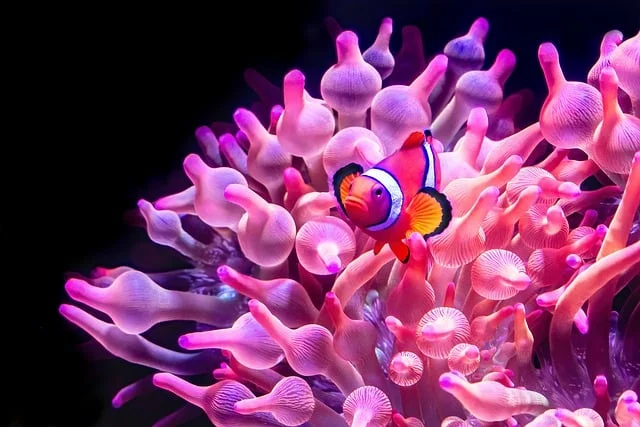
The standard Ocellaris clownfish remains the most widely kept species. Recognized by its bright orange body, three distinct white bands edged in thin black lines, and clear dark eyes, it reaches roughly 3 to 3.5 inches in adult length. They are peaceful, adapt readily to standard captive diets, and tolerate small water parameter fluctuations better than most marine species. Expect prices between $20 and $50 depending on whether you choose standard orange or black variants.
Opercula / Percula Clownfish (Amphiprion percula)
Percula clownfish have deeper orange or reddish-orange color. Their black margins are thicker than Ocellaris. These clown fish for sale grow slower, up to 3 inches. They are very hardy. This makes them great for new aquarists. They offer darker visual contrast. Prices usually range from $25 to $55.
Maroon Clownfish (Premnas biaculeatus / Premnas G. Aculeatus)
Maroon clownfish show deep crimson to dark maroon colors. They have three thin white or yellow bands. Sharp, visible spines are on their cheek covers. Females grow larger, up to 6 inches. Maroon clownfish are territorial. They aggressively defend their area from other clownfish and tank mates. Captive-bred maroons are calmer than wild ones. They still need 30 to 50-gallon tanks minimum. Standard maroon clown fish for sale cost $40 to $60. Designer types, like Gold Stripe or Lightning Maroons, range from $80 to $150 or more.
Picasso Clownfish (Amphiprion ocellaris ‘Picasso’)
Picasso clownfish are a popular designer morph. Ocellaris selective breeding created them. Their white bands stretch, merge, and flow. As a result, irregular shapes resemble abstract painting patterns. Each Picasso clownfish displays unique body markings. Grades categorize them by white coverage extent. For example, prices for clown fish for sale range from $75 for lower coverage grades. Premium shapes cost $200 or more.
Understanding Clownfish Pairs and Gender Transformation
Clownfish are protandrous hermaphrodites. All individuals are born unsexed or male. The largest fish in a group transitions into a female. The second largest becomes the breeding male. Smaller fish remain non-breeding males. Buying a pre-bonded pair guarantees compatibility. However, when you find clown fish for sale, purchasing two young, small juveniles of unequal size allows them to establish roles naturally. They will form a dominant female and subordinate male pair in your tank over time.
What aquarium parameters and setup do clown fish require?
Creating a stable environment is essential for keeping clown fish healthy over their 10 to 15 year captive lifespan. Although clown fish are hardier than many reef species, maintaining proper saltwater chemistry and hardware prevents chronic stress and disease outbreaks.
Tank Size and Dimensions
A 20-gallon (75 litre) tank offers good space for one clownfish or a pair of small species. Ocellaris or Percula clownfish fit well here. Larger clownfish need a 30-gallon (110 litre) or 40-gallon tank. For example, Maroon or Clarkii clownfish are examples. Their size and territory needs are greater. Nano tanks under 15 gallons are risky for beginners. They have rapid salinity and temperature shifts. Many places have clown fish for sale in various sizes.
Water Parameters
Maintain consistent marine water values across these target ranges:
- Salinity / Specific Gravity: 1.023 to 1.026 SG (measured with a calibrated refractometer)
- Temperature: 75°F to 80°F (24°C to 27°C) controlled by a reliable heater and digital thermostat
- pH: 8.1 to 8.4
- Ammonia: 0 ppm (parts per million)
- Nitrite: 0 ppm
- Nitrate: Below 20 ppm for fish-only systems, ideally below 10 ppm for reef systems
- Alkalinity: 8 to 11 dKH
A quality protein skimmer is beneficial for removing organic proteins before they break down into ammonia and nitrate. Combine mechanical filtration with live rock (1 pound per gallon of water volume) to establish robust biological filtration. A 1 to 2 inch sandbed composed of aragonite sand supports beneficial nitrifying bacteria and stabilizes calcium and pH levels.
Anemones and Alternative Hosts
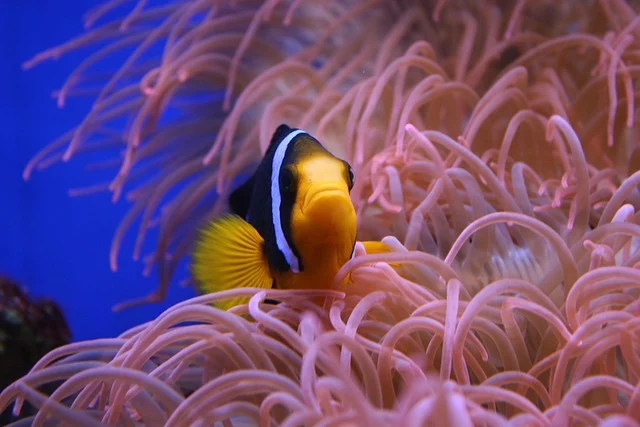
Clown fish do not require an anemone to live happily in a marine tank. Anemones like the Bubble Tip Anemone (Entacmaea quadricolor) require strong reef-grade lighting, intense water movement, and an established aquarium cycled for at least six months. If you keep clown fish without an anemone, they frequently adopt soft corals like Toadstool Leathers, Duncan corals, or Large Polyp Stony (LPS) corals like Torch or Hammer corals as alternative host structures.
Compatible Tank Mates
Clown fish pair well with peaceful marine species in a community setup. For example, excellent choices for tank mates include:
- Gobies (such as Watchman or Firefish gobies)
- Blennies (like Lawnmover or Midas blennies)
- Royal Grammas and Firefish
- Peaceful cardinalfish and small wrasses
- Cleaner shrimp and hermit crabs
Avoid placing clown fish with predatory species like groupers, lionfish, large triggers, or aggressive damsels that will harass or eat smaller clownfish.
What should you feed your clown fish for optimal health?
Clown fish are omnivores that consume a combination of animal protein and vegetable matter in nature. As a result, providing a varied, nutrient-dense diet maintains vibrant orange and red pigmentation, fuels activity, supports immune health.
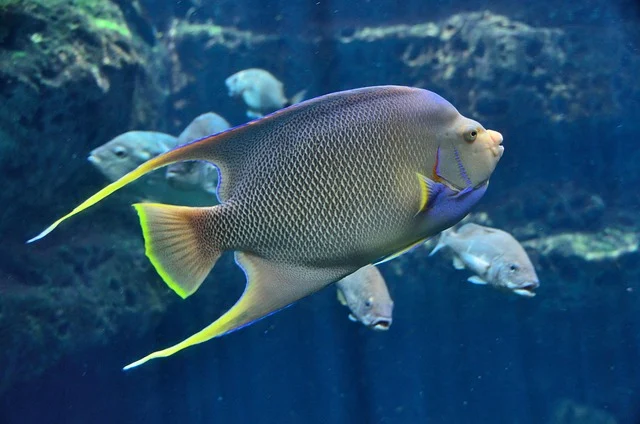
First, formulate a daily diet using high-quality marine flake or pellet food. Enrich this with spirulina and marine lipids as the core base. Next, supplement dry feeds 3 to 4 times a week with frozen foods including:
- Frozen mysis shrimp and enriched brine shrimp
- Minced krill and shaved clam meat
- Cyclops or rotifers for smaller juvenile clownfish
- Nori (dried marine algae) sheets attached to a clip for herbivorous grazing
Feed your clown fish small portions 1 to 2 times daily. Provide only what fish consume in 2 to 3 minutes. Promptly remove uneaten food. This prevents water quality decay. Research from the Pet Food Manufacturers Association (PFMA) (2026) highlights rotational feeding. Using frozen and formulated marine diets reduces nutritional deficiency risks. Also, it maintains healthy organ function. This is vital for any clown fish for sale.
How to quarantine and drip acclimate new clown fish
Skipping quarantine or rushing acclimation is the leading cause of early mortality in newly purchased marine fish. Following structured isolation and acclimation protocols protects your investment and main display environment.
Setting Up a Quarantine Tank (QT)
Maintain a dedicated 10 to 20 gallon quarantine tank separate from your display system. A quarantine tank needs simple hardware:
- Bare glass bottom (no sand or gravel) for easy cleaning and parasite detection
- An air-driven sponge filter pre-seeded with nitrifying bacteria
- An adjustable aquarium heater set to match your target display temperature (78°F)
- Several short pieces of non-glazed PVC pipe (2 to 3 inch diameter) to serve as shelter
- A basic ambient LED light source
First, quarantine all new clown fish for 4 to 6 weeks. Observe daily for Brooklynella, marine Ich, or bacterial infections. If illness appears, treat fish with copper-based or anti-protozoal medications. Do this in the quarantine tank. This avoids exposing your main reef tank display to chemicals. Many sources offer clown fish for sale.
Drip Acclimation Procedure
Once quarantine is complete, or when transferring fish from shipping bags, use a slow drip acclimation method to match salinity, pH, and temperature values gradually:
- Float the unopened shipping bag in your aquarium for 15 minutes to equalize water temperature.
- Carefully open the bag and transfer the fish along with shipping water into a clean 2-gallon plastic bucket or dedicated acclimation container.
- Set up an airline tubing drip line from your main display tank into the container. Secure a plastic control valve or loose knot on the tubing to regulate flow to 2 to 4 drops per second.
- Allow aquarium water to drip into the container until the water volume in the bucket doubles, which typically takes 45 to 60 minutes.
- Test the salinity in the bucket to ensure it matches the display tank within 0.001 specific gravity units.
- Gently net the clown fish out of the container and transfer it into the aquarium. Never pour transit or acclimation water into your main display tank.
What common mistakes should you avoid when buying clown fish?
Avoiding standard setup and purchasing errors ensures a smooth transition for your new fish. For example, watch out for these common pitfalls:
1. Impulse Buying Without Preparation: Purchasing a clown fish before your aquarium has fully cycled through the nitrogen process leads to toxic ammonia spikes and rapid fish loss. Always confirm zero ammonia and zero nitrite readings before introducing livestock.
2. Skipping the Quarantine Period: Adding new fish directly into an established display aquarium risks introducing Brooklynella or Cryptocaryon parasites, which can decimate your existing fish population within days.
3. Housing Multiple Pairs or Mixing Adult Species: Keeping more than one pair of clownfish in tanks under 75 gallons causes aggressive territorial fighting. Females will battle for dominance until only one pair remains.
4. Adding Host Anemones Too Early: Introducing an anemone into a tank less than six months old frequently results in anemone death, as anemones require aged, biological stability and established water chemistry.
5. Rapid Salinity Shock: Transferring fish directly from high or low salinity store water into display water without drip acclimation causes osmotic shock, internal organ stress, and premature death.
6. Buying Wild-Caught Specimens Unaware: Wild-caught clownfish carry higher parasite loads, suffer high shipping stress, and frequently refuse dry pellet foods compared to captive-bred fish.
Sources: Clandestine Insurgent Rebel Clown Army
Frequently asked questions
Can I buy clown fish online safely?
Yes, buying clown fish online from reputable specialized marine vendors is safe when they use insulated packaging and express overnight shipping. Verify that the seller provides a live arrival guarantee and stocks captive-bred specimens.
How much do clown fish typically cost?
Standard Ocellaris and Percula clownfish cost between $20 and $50 each. Designer morphs like Picasso or Snowflake varieties range from $75 to $200+, while Maroon clownfish range from $40 to $100 depending on color patterns.
How do I know if a clown fish is healthy?
A healthy clown fish exhibits steady swimming, bright clear eyes, a smooth skin coat free of white mucus or spots, and a rounded belly. Also, it should breathe rhythmically and display a strong feeding response.
Do clown fish need an anemone?
No, clown fish do not need an anemone to survive and thrive in an aquarium. Captive-bred clownfish adapt easily to tanks without anemones and will often host in soft corals, artificial structures, or corner rockwork instead.
How many clown fish can I keep in a 20-gallon tank?
A 20-gallon tank is suitable for a single clown fish or a single bonded pair of smaller species like Ocellaris or Percula. Keeping more than two clown fish in a 20-gallon tank causes severe territorial aggression.
What are the best tank mates for clown fish?
Good tank mates include peaceful marine species such as firefish, gobies, blennies, royal grammas, and small wrasses. Avoid housing clown fish with large predatory species like lionfish, groupers, or aggressive triggers.
Source: Britannica.