
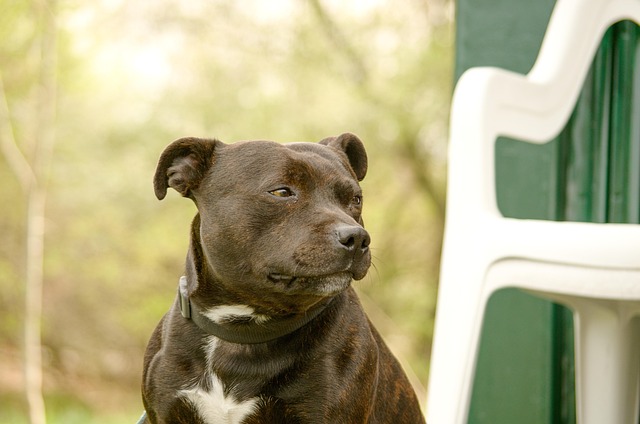
Temperament: Unpacking the Staffy’s True Nature The American Staffordshire Terrier (AST) is often stereotyped, but their core temperament is one of a confident, good-natured, and courageous dog. According to the American Kennel Club (AKC) (2026), the breed is known for its tenacity and intelligence. This means they are receptive to training but also possess a strong will. Their eagerness to please their owners, combined with their inherent strength, makes early and consistent training paramount. The key to understanding a Staffy Staffy’s temperament lies in their upbringing. A well-bred dog from a responsible breeder, raised in a stable environment with positive experiences, will typically be a stable and loving companion. They are often described as ‘velcro dogs‘ due to their strong desire to be close to their owners. This closeness, however, means they thrive on human interaction and can develop anxiety or destructive behaviours if left alone for extended periods.
Socialization: Building a Well-Adjusted Companion
The most critical factor in shaping a Staffy Staffy’behaviorur is early and ongoing socialization. From a young age, puppies need exposure to a wide variety of sights, sounds, people, and other animals in a controlled and positive manner. This helps them develop into confident, well-adjusted adults who are less likely to be fearful or reactive. For instance, a puppy attending a reputable puppy socialization class from 8 to 16 weeks old will encounter different breeds, ages, and temperaments of dogs.
They will also learn to be comfortable around various types of people, from children to the elderly, and adapt to different environments like parks or quiet streets. This early immersion is invaluable, as noted by the Veterinary Companion Animal Society (VCAS) (2025), which emphasises that socialization is a critical window for canine development. The wrinkle here is that if this crucial period is missed or handled poorly, a Staffy Staffy might develop anxieties or fear-based aggression, especially towards unfamiliar dogs or people.
Regular exposure beyond puppyhood, such as visiting dog-friendly cafés or attending training classes, continues to reinforce positive social behaviours. Effective Training: Using Intelligence and Drive Staffy Taffies are intelligent dogs that respond best to positive reinforcement training methods. Harsh corrections or punitive measures can be counterproductive, potentially leading to fear, anxiety, or aggression. Instead, focus on rewarding desired behaviours with praise, treats, or play. In real terms, a training session might involve teaching the ‘sit’ command.
When the Staffy Staffy sits, you immediately offer a high-value treat and verbal praise like “Good boy!”. This consistent positive feedback helps the dog understand what you want. For example, teaching recall using a clicker and rewarding them generously each time they return to you when called. According to the Canine Behaviorists Association (2026), consistent, clear communication is more effective than dominance-based training for breeds like the AST. Consider enrolling in obedience classes.
A reputable instructor can guide you through effective techniques, ensuring you’re using methods that build a strong bond and respect, rather than fear. This is especially important as their physical strength means a poorly trained Staffy Staffy can be challenging to handle. Exercise and Mental Stimulation: A Preventative Measure As a breed developed for work and companionship, Staffy Taffies possess a good deal of energy and a keen intellect. Without sufficient outlets, this energy can manifest as destructive behaviour, excessive barking, or restlessness.
A daily routine should include at least 60 minutes of vigorous exercise. This could be a brisk walk, a game of fetch in a secure area, or even canine sports like agility or scent work. For instance, a long walk in a forest or a vigorous session of tug-of-war can significantly tire out a Staffy Staffy. Beyond physical activity, mental stimulation is equally vital. Puzzle toys, training sessions, and interactive games help keep their minds engaged.
A common mistake is underestimating their need for mental engagement. A puzzle feeder, where the dog has to work to get their kibble out, can provide 20–30 minutes of mental exercise. This prevents boredom, which is often a root cause of undesirable behaviours. The RSPCA (2026) recommends a combination of physical and mental activities for all breeds to promote overall well-being.
Staffy Taffies as Family Pets: Adaptability and Affection
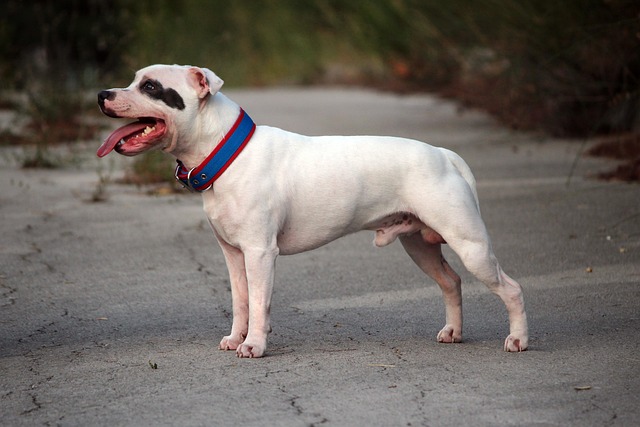
With the right approach, Staffy Taffies can make excellent family pets. They are known for being very loyal and affectionate towards their families, often forming strong bonds with children. However, their strength and enthusiasm mean supervision is always necessary when they are around very young children or other pets. For example, a Staffy Staffy raised from puppyhood with a family’s children can become a devoted protector and playmate.
Their playful nature can be a joy to watch. However, their exuberance means they can accidentally knock over a small child during an excited greeting. Therefore, teaching children how to interact respectfully with the dog, and supervising all interactions, is crucial. The Blue Cross (2025) advises that responsible ownership and proper training are key to a harmonious family dynamic with any dog breed. Remember that their strong prey drive, a remnant of their history, means they may not be suitable for households with very small pets like hamsters or guinea pigs unless introduced with extreme caution and supervision from a very young age.
Addressing Common Misconceptions and Challenges One of the most persistent myths is that all Staffy Taffies are inherently aggressive. This is a harmful stereotype not supported by the breed’s true characteristics when raised responsibly. Aggression in any dog is typically a result of poor socialization, inadequate training, fear, or a lack of proper stimulation. A real challenge owners might face is managing their Staffy Staffy’s strength. A sudden pull on the lead during a walk, or an overexcited jump, can be difficult to control if the dog is not well-trained.
This is where consistent training from an early age pays dividends. For instance, teaching a solid ‘leave it’ command is vital for preventing them from picking up potentially harmful objects on walks. Another point of contention is their relationship with other dogs. While many Staffy Taffies can coexist peacefully with other dogs, especially if raised together, some may exhibit dog-to-dog aggression. This often stems from inadequate socialization or past negative experiences.
Careful introductions and ongoing monitoring are essential if introducing a Staffy Staffy to a household with existing dogs. Health Considerations for the Staffy Staffy Like many purebred dogs, the American Staffordshire Terrier can be predisposed to certain health conditions. Responsible breeders screen their dogs for these issues. As of 2026, common concerns include hip dysplasia, heart conditions, and certain skin allergies. Hip dysplasia is a malformation of the hip socket that can lead to arthritis.
Reputable breeders will conduct hip evaluations on their breeding stock. For example, the Orthopedic Foundation for Animals (OFA) provides certification for hips, elbows, and other genetic conditions in dogs. Owners can ask breeders for proof of health clearances for the parents of their puppy. According to the Veterinary Information Network (VIN) (2025), early detection and management of hip dysplasia can significantly improve a dog’s quality of life. Heart conditions, such as subvalvular aortic stenosis (SAS), can also affect the breed.
Regular veterinary check-ups are essential for early diagnosis. While specific genetic testing for SAS is available, it’s crucial to work with a veterinarian who understands breed-specific health issues. Finding a Responsible Breeder or Rescue When seeking a Staffy Staffy, it’s paramount to choose a responsible breeder or rescue organisation. A good breeder will be knowledgeable about the breed, open about their dogs’ health history, and concerned about where their puppies will go.
A responsible breeder will allow you to meet the puppy’s parents, see where the puppies are raised, and will ask you many questions to ensure you are a suitable owner. They will also provide health clearances for common breed-specific issues. For example, asking a breeder about their practices regarding hip dysplasia screening is a good indicator of their commitment to health. The Kennel Club (2026) offers guidance on how to identify responsible breeders, stressing that they should never sell puppies to people they haven’t met or to pet shops.
If considering adoption, look for breed-specific rescues or general animal shelters that can provide information on the dog’s known history and temperament. Many Staffy Taffies in rescue are already well-socialized and have basic training, making them a rewarding choice for experienced owners. Conclusion: Embracing the Staffy Staffy Lifestyle The Staffy Staffy is a breed often judged by its appearance rather than its true character. With consistent training, early socialisation, adequate exercise, and a loving environment, they blossom into devoted, intelligent, and affectionate companions.
Their loyalty and desire to be part of the family are profound. Understanding their needs and actively working to meet them is the foundation for a successful and rewarding relationship with an American Staffordshire Terrier.