Parrot feathers are complex keratin structures. They are vital for flight, insulation, waterproofing, and species-specific coloration. Parrots maintain their health through consistent daily preening, a balanced diet, proper humidity, and careful management during molting. This prevents common issues like damage, stress, or feather plucking.
Every individual feather on a parrot plays a precise role in its daily survival and physical well-being. From the aerodynamic primary flight feathers to the insulating down hidden against the skin, maintaining feather health is one of the most critical aspects of parrot guardianship. When plumage degrades or falls out abnormally, it is almost always an early warning sign of underlying physical illness, nutritional imbalances, or environmental stress.
What are parrot feathers made of and how are they structured?
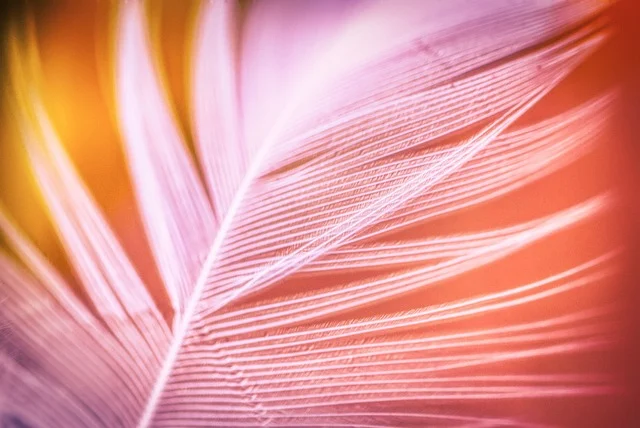
Parrot feathers consist mainly of beta-keratin, a tough, fibrous protein that also forms reptilian scales and avian beaks. Each feather grows from a specialized follicle within the epidermal and dermal layers of the bird’s skin. The central shaft consists of two distinct sections: the calamus (the hollow, bare quill anchored in the follicle) and the rachis (the solid upper shaft supporting the feather vane).
Branching off from the rachis are primary strands called barbs. From these barbs project micro-structures called barbules, which end in microscopic hooklets (hamuli). When a parrot grooms, these tiny hooks latch together like velcro, creating a continuous, flexible surface known as the vane. This tight interlocking system allows flight feathers to push against air without bending or separating under pressure.
What do different types of parrot feathers do?
Parrots possess several distinct types of Feathers across their body, each with specialized functions:
- Contour feathers: These are the exterior feathers that define the bird’s body outline and shield it from water and wind. They provide the bird’s smooth, aerodynamic shape.
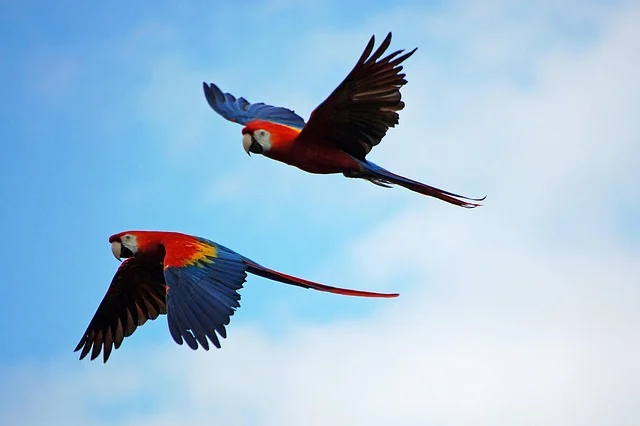
- Flight feathers (remiges and rectrices): Stiff, asymmetric contour feathers located on the wings (remiges) and tail (rectrices). They are important for generating aerodynamic lift, thrust, and steering during flight.
- Down feathers: Soft, fluffy feathers located beneath contour layers that lack barbules and hooklets. They trap dead air close to the bird’s body to provide excellent thermal insulation.
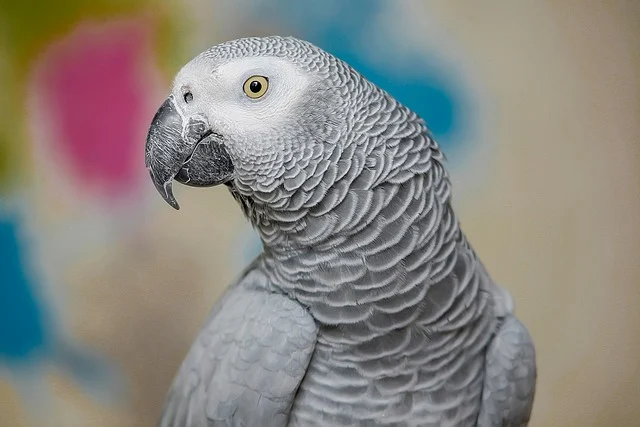
- Powder down feathers: Specialized feathers that continuously break down at their tips into a fine, waxy talc-like powder. This powder helps groom and waterproof the plumage, absorbing oils and dirt (especially prominent in Cockatoos and African Greys).
- Filoplumes and semiplumes: Sensory feathers with slender shafts that alert the bird’s nervous system to changes in feather position, air currents, or mechanical pressure. They help the parrot adjust its plumage for optimal flight and insulation.
What colors are parrot feathers and where do they come from?
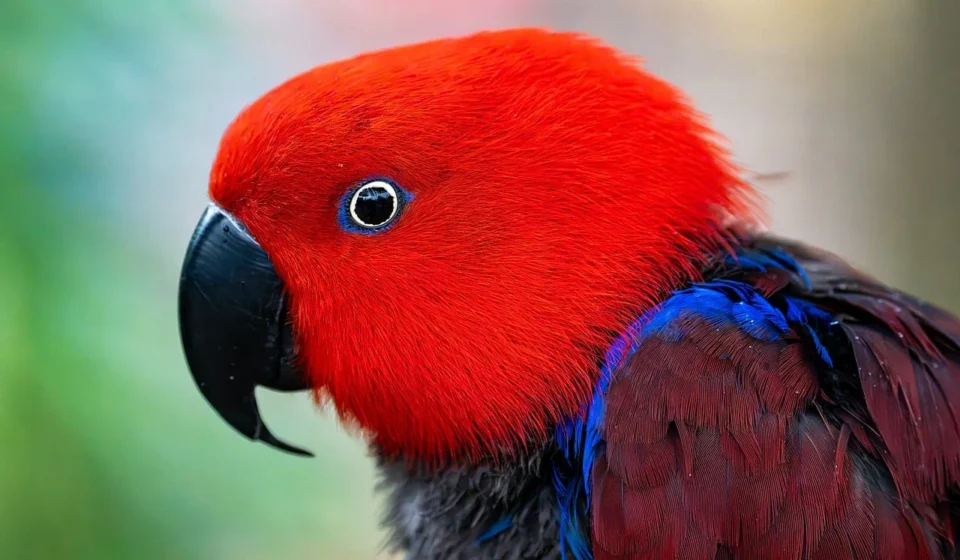
The vibrant coloration in parrot feathers results from pigments and structural light refraction. Parrots produce unique pigments called psittacofulvins. These create vivid reds, oranges, and yellows. The growing feather follicle manufactures these pigments directly. Conversely, blue and green shades are created structurally through Tyndall scattering—light bending through microscopic spongy structures within the feather’s keratin layers—rather than blue pigments. This structural coloration makes blue and green appear to shift slightly depending on the light angle.
Why do parrots preen and how do they care for their feathers?
Preening is a fundamental daily ritual that occupies up to two hours of a healthy parrot’s day. According to the Avian Veterinary Association (2025), normal preening is a smooth, rhythmic activity that preserves plumage integrity. During preening, a parrot uses its beak to realign separated barbules, unzip crushed vanes, and remove dirt, molted sheaths, and external debris.
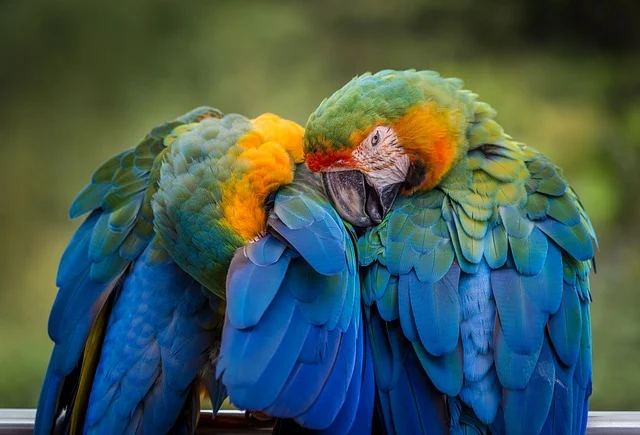
Most parrot species feature a specialized uropygial gland (commonly called the preen gland) located at the base of the tail on the upper side. The bird rubs its beak against this gland to collect an oily secretion containing lipids, fatty acids, and antimicrobial compounds. It then spreads this oil across its body feathers to keep them supple, water-resistant, and free from bacterial growth. Some species, including Amazon parrots and Hyacinth Macaws, lack a uropygial gland entirely. These species rely more heavily on frequent bathing and powder down distribution to maintain overall feather integrity and health.
Changes in preening behavior provide important clues about a parrot’s wellbeing:
- Under-preening: Leaves feathers looking greasy, unkempt, or clumpy. This often points to arthritis, physical pain, beak malocclusion, abdominal discomfort, or systemic illness.
- Over-preening or frantic grooming: Causes frayed edges, chewed shafts, or bald spots. This frequently signals elevated stress levels, dry household air, skin parasites, or early-stage feather destructive behavior.
How does the molting process work in pet parrots?
Molting is the natural, periodic shed and replacement of aged or damaged plumage. Feathers are dead keratin structures once fully grown. They cannot repair themselves when worn down by abrasion or ultraviolet exposure. Parrots undergo molting cycles to ensure their flight apparatus and protective thermal barrier remain functional.
Most companion parrots experience a major molt once or twice a year, typically tied to seasonal shifts in temperature and day length. Larger species, such as Macaws and Cockatoos, replace flight and tail feathers gradually over a period of 3 to 4 months. This ensures they retain the ability to fly and balance. Smaller birds like Budgerigars and Cockatiels may go through shorter, more intense molting periods lasting 4 to 8 weeks.
What are pin feathers and why are they sensitive?
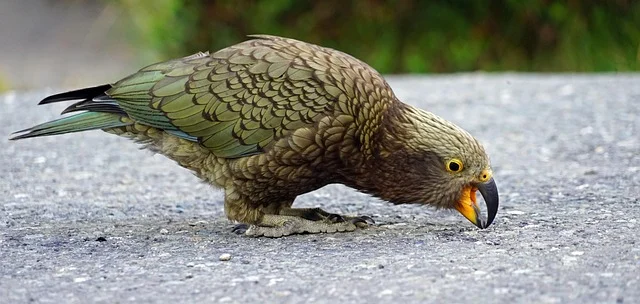
During a molt, new feathers push out from skin follicles as pin feathers (also called blood feathers during their active growth phase). Pin feathers are new feathers that are still growing, encased in a protective keratinous sheath. Key characteristics of growing pin feathers include:
- Vascular supply: A living pin feather contains an active blood supply flowing through the shaft to supply nutrients to the growing keratin tissue. This makes them sensitive and prone to bleeding if damaged.
- Keratin sheath: The developing vane is wrapped in a hard protective tube. As the feather matures, the bird nibbles away this sheath. It also relies on a companion or caregiver to gently crumble it off inaccessible head areas.
- Sensitivity and discomfort: Emerging pin feathers are sensitive to touch. Excessive pressure or clumsy handling can cause significant pain or cause the blood feather to burst and bleed profusely.
What to do if a blood feather breaks and bleeds?
If a blood feather breaks and bleeds continuously, you should apply cornstarch or styptic powder directly to the end of the shaft. Press firmly. This helps to clot the blood. If bleeding does not stop within two minutes, seek help from an avian veterinarian. [vcahospitals.com] Pull it firmly in the direction of feather growth to allow the follicle to contract and seal. This is a painful procedure. An avian veterinarian should ideally perform it or guide you, as improper technique can cause further damage or infection.
Can parrot feathers grow back after being cut or plucked?
Yes, parrot feathers can grow back. When a feather naturally molts or someone accidentally plucks it (assuming the follicle is not permanently damaged), a new feather will typically grow in its place during the next molting cycle. However, if chronic plucking or injury severely damages or scars a feather follicle, it may not produce another feather. The new feather may also be deformed. Cut feathers (e.g., for wing clipping) will also be replaced during the next molt.
What are the differences between healthy and unhealthy parrot feathers?
Observing your bird’s plumage on a daily basis helps you identify early physical or metabolic changes before severe illness develops.
Visual indicators of healthy plumage
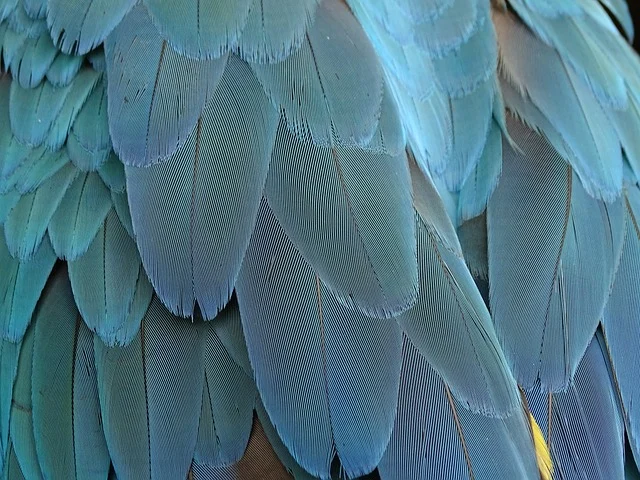
Healthy parrot feathers are a clear sign of a well-cared-for bird. Look for these characteristics:
- Smooth, tightly interlocked vanes that lie flat against the body without gaps or curling.
- Vibrant, uniform coloration characteristic of the species without dull patches or dark streaks.
- A clean, natural sheen created by distributed uropygial oils or a light dust layer from powder down.
- Clean, symmetrical shedding during seasonal molts without persistent bare patches.
- Intact feather edges without fraying or chewing.
Visual indicators of unhealthy plumage and common parrot feather problems
Changes in plumage can signal underlying issues. Be aware of these signs of unhealthy feathers:
- Stress lines (stress bars): Translucent horizontal bands running across the feather vane, caused by temporary interruptions in protein deposition during feather growth (often from illness, severe stress, or temporary malnutrition). These indicate a physiological disturbance during the feather’s formation.
- Black or dark discoloration: Hyperpigmentation on feather tips, frequently resulting from oil transfers from human hands, mechanical friction against cage bars, chronic liver disease, or bacterial/fungal infections.
- Frayed, brittle, or dull vanes: Indicates low ambient humidity, poor diet (especially essential fatty acid deficiencies), or inadequate preening.
- Symmetrical feather loss: Plucking or chewing on reachable areas (chest, thighs, back) while leaving head feathers intact points directly to behavioral feather plucking or localized skin inflammation.
- Deformed or pinched feathers: Feathers that grow in with abnormal shapes, often indicative of viral diseases like PBFD or follicle damage.
- Matted or greasy appearance: Can suggest a lack of proper preening, possibly due to pain, illness, or a dirty environment.
What causes abnormal feather loss and feather plucking?
When feather loss occurs outside a normal molt or leaves raw, bare skin, you must investigate several potential triggers. People often refer to this as feather destructive behavior (FDB) or pterotillomania.
Nutritional deficiencies causing feather problems
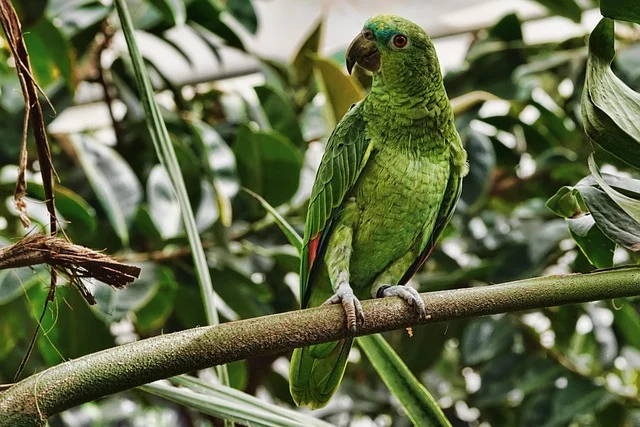
Feather production consumes up to 30% of a bird’s daily protein intake during an active molt. Diets consisting primarily of high-fat seed mixtures lack adequate Vitamin A, Vitamin D3, calcium, zinc, and essential amino acids like methionine and lysine. According to a 2024 study published in the Journal of Avian Nutrition, diets deficient in biotin and vitamin A are frequently linked to abnormal feather development and loss in psittacine birds. A poor diet can lead to weak, discolored, or brittle feathers that are easily damaged or plucked.
Psychological and environmental triggers for feather plucking
Parrots are highly intelligent, social animals. In captivity, inadequate housing or lack of mental stimulation can trigger psychological distress leading to feather destructive behavior (pterotillomania):
- Boredom and lack of enrichment: Absence of foraging toys, shreddable materials, or social interaction (see Baby Parrots: Essential Care for Your Feathered Friend for cage enrichment ideas). Parrots need constant mental engagement to prevent self-mutilation.
- Sleep deprivation: Parrots require 10 to 12 hours of uninterrupted darkness each night; poor sleep raises stress hormone levels, leading to anxiety and plucking.
- Dry indoor air: Heating and air conditioning lower ambient relative humidity below 30%, causing itchy, flaking skin that irritates the parrot and prompts plucking.
- Environmental toxins: Exposure to aerosol sprays, scented candles, cigarette smoke, or heavy metal toxicity (zinc or lead from unsafe cage metal or toys) can cause skin irritation or systemic illness that manifests as feather problems.
- Stress and anxiety: Changes in routine, new pets, perceived threats, or lack of social interaction can all contribute to psychological stress leading to plucking.
Infectious and systemic diseases affecting parrot feathers
Several serious avian medical conditions affect feather follicles directly, leading to feather loss or abnormal growth:
- Psittacine Beak and Feather Disease (PBFD): This highly contagious circovirus causes pinched, deformed, or clubbed feathers. It also leads to premature feather loss and beak necrosis. There is no cure, and affected birds often have compromised immune systems.
- Avian Polyomavirus: Causes subcutaneous bleeding, abnormal feather formation, and sudden death in young psittacines. Feathers may appear discolored or poorly formed.
- Bacterial or fungal folliculitis: Infection within the feather follicle caused by Staphylococcus species or Aspergillus organisms can lead to itchy skin, poor feather growth, and localized feather loss.
- Giardiasis or external parasites: Protozoal intestinal infections (Giardia) can cause severe skin itching along the flanks, while feather mites or lice cause irritation, leading to excessive preening and feather damage.
- Organ diseases: Liver disease, kidney disease, and other internal conditions can manifest as poor feather quality, dullness, or abnormal discoloration due to impaired metabolism and nutrient absorption.
How can you maintain healthy parrot feathers at home?
Maintaining vibrant plumage requires a consistent care routine focusing on nutrition, hygiene, hydration, and environmental management.
Provide balanced nutrition for healthy feather growth
Base your bird’s daily diet on a high-quality formulated commercial pellet, which should make up 60% to 70% of total food intake. Complement pellets with fresh vegetables (dark leafy greens, orange sweet potatoes, carrots, broccoli), limited low-sugar fruits, and small portions of healthy seeds or nuts. For species-specific feeding recommendations, consult our guide on a species-appropriate, balanced diet. Ensuring adequate protein, essential amino acids, and vitamins, especially Vitamin A and biotin, is important for strong, vibrant feathers.
Establish a regular bathing schedule
Bathing encourages natural preening, removes dust, and hydrates the skin and keratin shafts. Offer bathing opportunities 3 to 5 times per week using plain, tepid water:
- Misting bottle: Spray a fine mist above the parrot so droplets gently rain down onto the plumage. Ensure the water is lukewarm and the mist is fine, not a direct spray.
- Shallow dish: Provide a wide, heavy ceramic bowl filled with 1 to 2 centimeters of clean water. Many parrots enjoy splashing and preening in a shallow bath.
- Shower perch: Allow rain-forest species like Macaws and Amazons to join you on a suction-cup shower perch away from direct hot water streams. Ensure the water temperature is comfortable and the environment is safe.
Avoid using feather sprays or shampoos, as they are generally unnecessary and can be harmful. They may leave residue, cause excessive preening, damage feathers, and remove natural oils, disrupting the parrot’s natural waterproofing and preening process.
Maintain ideal humidity and lighting
In addition, provide exposure to unfiltered direct natural sunlight in safe outdoor aviaries or specialized full-spectrum avian UV lighting for 3 to 4 hours daily. UVB radiation is necessary for synthesizing Vitamin D3. This vitamin regulates calcium metabolism and preen gland health, both vital for feather quality and overall well-being.
Comparing parrot feather types and primary functions
Understanding how different feather structures function helps owners distinguish normal plumage variations from structural defects or molting issues.
| Feather Type | Primary Location | Structural Features | Main Function |
|---|---|---|---|
| Contour Feathers | Body surface and head | Symmetrical vanes with interlocked barbs | Provides body shape, waterproofing, and aerodynamic streamlining |
| Primary Flight (Remiges) | Outer wing edges | Asymmetric, stiff rachis with strong hamuli | Generates forward thrust and lift during flight |
| Tail Feathers (Rectrices) | Tail base | Stiff, symmetrical, firmly anchored quills | Acts as a rudder for steering, braking, and balance |
| Down Feathers | Underneath contour feathers | Short shaft, loose barbules without interlocking hooks | Traps air close to skin for thermal regulation |
| Powder Down | Flanks and chest patches | Continuously growing, disintegrating tips | Produces fine keratin powder for cleaning and waterproofing |
| Pin Feathers | Emerging from skin during molt | Encased in hard keratin sheath with vascular core | Protects newly forming feather tissue until fully grown |
When should you consult an avian veterinarian for feather problems?
Schedule an immediate examination with a qualified avian veterinarian if you notice any of the following warning signs, as they can indicate serious underlying health issues:
- Sudden, significant feather loss outside of a normal molt or rapid drop resulting in raw skin.
- Multiple feathers that are broken, damaged, deformed, or discolored with black friction marks or stress bars.
- Bald patches that don’t appear to be regrowing during or after a molt.
- Signs of skin irritation, redness, scaling, or infection on the skin or feather follicles.
- Behavioral changes such as excessive plucking, chewing, picking at feathers, or self-mutilation.
- Changes in overall feather quality, such as extreme dullness, brittleness, or loss of waterproofing.
- Any signs of lethargy, decreased appetite, or changes in droppings accompanying feather issues.
An avian vet can diagnose underlying issues, such as psittacine beak and feather disease (PBFD), polyomavirus, bacterial or fungal infections, hormonal imbalances, or parasitic infestations. Vets often use blood tests, viral PCR screening, and feather follicle biopsies to diagnose specific conditions. The Merck Veterinary Manual (2026) highlights this in their complete guide to avian dermatology. Early diagnosis is key to successful treatment and preventing further feather damage or systemic illness.
What should you know about collecting and using molted parrot feathers?
Many parrot enthusiasts enjoy collecting the beautiful, naturally molted parrot feathers their birds shed. You can use these feathers for various crafts, artistic projects, or simply keep them as cherished mementos.
Safe cleaning and preservation steps for collected feathers
To safely clean and preserve molted feathers for personal use, follow these steps:
- Collect only naturally shed feathers: Never pull feathers from your parrot, as this can cause severe pain, bleeding, follicle damage, and infection. Only collect feathers that have fallen out on their own.
- Inspect for dirt: Select clean feathers free from heavy fecal contamination or grease. Heavily soiled feathers may be more difficult to clean effectively.
- Wash gently: If feathers appear dusty or dirty, you can gently rinse them with mild soap (like a gentle dish soap) and warm water. Swirl them carefully in the soapy water, then rinse thoroughly under cool running water.
- Dry completely: Allow washed feathers to air dry completely away from direct sunlight, or blow-dry them on a cool, low setting to restore vane fluffiness. Ensure they are fully dry to prevent mold or mildew.
- Store properly: Once dry, store feathers in a sealed container or bag with a desiccant packet to protect them from moisture and pests.
Legal considerations for keeping and trading parrot feathers
Many crafters prize the vibrant colours and unique patterns in feathers from species like African Greys, Amazons, and Macaws. Conservation laws, such as the Migratory Bird Treaty Act (MBTA) in the U.S., strictly protect wild native bird feathers. You can generally collect naturally shed feathers from captive pet parrots for personal use. The MBTA of 1918 makes it illegal for you to possess feathers from most native North American birds, even naturally molted ones, without a federal permit. However, you can legally possess and trade feathers from domesticated pet parrots in the U.S. This is true provided you legally obtained the birds and they are not protected species. International trade or commercial sale of shed feathers from CITES-listed endangered species may require specific permits. This is because the Convention on International Trade in Endangered Species (CITES) regulates the international trade of protected parrot species and their feathers.
It is a common misconception that you can keep naturally found feathers from native birds. The MBTA prohibits this for most native North American species. Always verify local and national regulations before collecting or trading feathers, especially if you are unsure of the species or its origin.
Sources: Parrot, Blood Feathers in Birds | VCA Animal Hospitals
Frequently asked questions
What does a parrot feather symbolize?
Parrot feathers often symbolize beauty, freedom, and communication due to their vibrant colors and the bird’s ability to mimic speech. In various cultures, they can also represent wisdom, spirituality, or a connection to nature, particularly in indigenous traditions.
Where can I find parrot feathers for sale?
You can find parrot feathers for sale from specialized exotic feather suppliers, online craft stores, and sometimes directly from parrot breeders or rescue organizations who collect naturally molted feathers. Ensure any feathers purchased comply with legal regulations regarding protected species.
Do parrots eat their feathers?
While occasional ingestion of small feather fragments during preening is normal and generally harmless, excessive consumption of feathers can indicate a problem. This might be a sign of feather plucking behavior, severe nutritional deficiencies, or a behavioral issue. It can also lead to gastrointestinal blockages.
Why do parrots’ feathers fall out?
Parrots’ feathers primarily fall out during their natural molting cycles. These occur once or twice a year to replace old or damaged plumage. However, excessive or abnormal feather loss outside of a molt can be caused by nutritional deficiencies, stress, environmental issues, parasites, or underlying medical conditions.
How to cut parrot feathers?
Cutting parrot feathers, commonly known as wing clipping, is a procedure to trim primary flight feathers. This prevents a bird from gaining full lift for flight. An experienced avian veterinarian or a trained professional should ideally perform this to avoid pain, injury, or cutting into blood feathers. Improper clipping can cause trauma, bleeding, and behavioral issues.