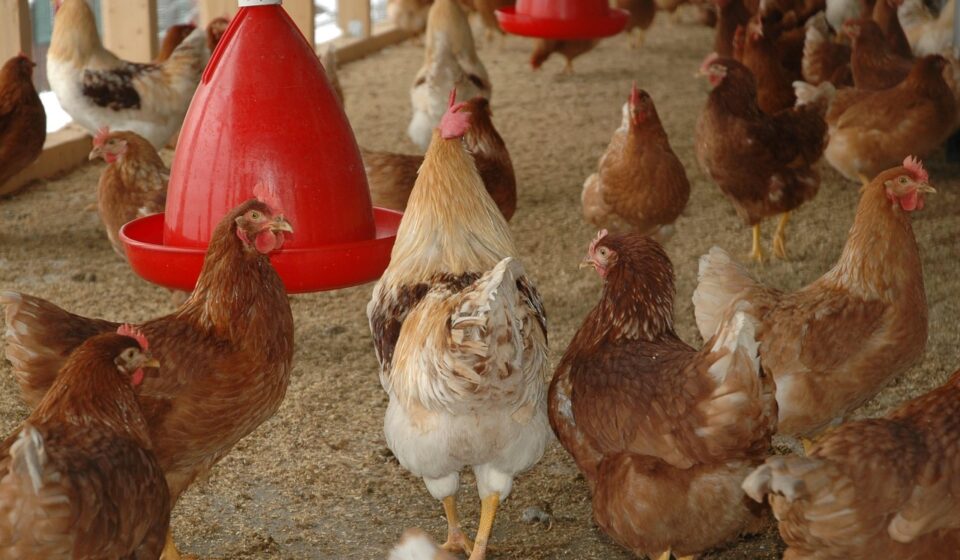
The Foundation of a Happy Flock: Mastering the Chicken Coop in 2026
When it comes to backyard chickens, the chicken coop is more than just a shelter; it’s the heart of your flock’s home. As of July 2026, the demand for well-designed, secure, and comfortable coops continues to rise, making it essential for new and experienced keepers alike to understand what truly makes a good coop. Many aspiring chicken keepers dive in with enthusiasm but overlook critical details in their coop selection, leading to preventable problems down the line. This guide will equip you with the knowledge to choose, set up, and maintain the ideal chicken coop, ensuring your feathered friends thrive. (See walmart.com for further reference.)
- Size matters: Ensure adequate space per bird for comfort and health.
- Security is paramount: A predator-proof design is non-negotiable.
- Ventilation and drainage are key to preventing disease and ammonia build-up.
- Regular cleaning and maintenance extend the coop’s life and your flock’s well-being.
- Consider your local climate and your flock’s specific needs when choosing materials and features.
Square Footage That Satisfies: Coop Size and Space
The single most common oversight in chicken coop selection is inadequate space. Overcrowding leads to stress, increased aggression, feather pecking, and a higher susceptibility to diseases. For laying hens, a general rule of thumb is to provide a minimum of 3 to 4 square feet of floor space per bird inside the coop itself. This is the enclosed area they use for roosting and laying eggs, especially during inclement weather or at night. Beyond the coop, the attached run or outdoor space is equally vital. Aim for at least 10 square feet of run space per chicken, though more is always better. Chicken coop allows them to free-range, dust bathe, and forage naturally. For instance, a flock of six standard-sized hens would ideally need a coop of at least 18-24 square feet and an attached run of 60 square feet or more. Ignoring these space requirements is a fast track to a stressed, unhealthy flock.

Fortifying the Fortress: Essential Predator-Proofing Chickens are vulnerable to a wide array of predators, from foxes and raccoons to hawks and stray dogs. A solid chicken coop must be designed with security as a top priority. This means using sturdy materials, such as thick wood or metal, and ensuring there are no gaps larger than half an inch that a determined predator could exploit. All doors and windows should have secure latches that are difficult for animals to manipulate.
Wire mesh is another critical component. While chicken wire is suitable for keeping chickens in, it’s often insufficient for keeping predators out. Opt for hardware cloth or welded wire mesh, which is much stronger and has smaller openings, preventing paws and snouts from reaching through. Burying the mesh at least 12 inches underground around the perimeter of the coop and run creates an ‘apron’ that deters diggers. Many ready-made coops might look appealing but lack this crucial defense, making them a risky choice for predator-prone areas.
Air Quality and Dry Feet: Ventilation and Drainage Proper ventilation is paramount for flock health, yet it’s often misunderstood. Ammonia from droppings can build up, leading to respiratory issues and eye infections. A well-ventilated coop allows for constant, gentle air circulation without creating drafts that can chill your birds, especially in colder climates. Vents placed high on the coop walls, near the roofline, are ideal, allowing moist, ammonia-laden air to escape.
Equally important is drainage. Damp bedding can quickly become a breeding ground for bacteria and parasites. The coop floor should be designed to allow water to drain away, or you should use absorbent bedding materials like pine shavings or straw that can be easily replaced. Avoid placing coops in low-lying areas that collect water. In real terms, a coop that stays dry and has fresh air circulating is a coop that promotes a healthier, happier flock and significantly reduces the risk of disease.
Choosing Materials for Longevity and Safety The materials used in a chicken coop‘s construction have a direct impact on its durability, safety, and maintenance requirements. Many affordable coops are made from thin, treated lumber or composite materials that can degrade quickly, especially when exposed to the elements and the constant moisture chickens produce. These materials might also off-gas harmful chemicals, posing a risk to your birds. For a long-lasting and safe structure, consider coops made from untreated, rot-resistant hardwoods or sturdy, galvanized steel.
High-quality exterior-grade plywood can also be a good option if it’s properly sealed and maintained. Avoid pressure-treated wood for any part of the coop that chickens might peck at, as the chemicals can be toxic. As of July 2026, reputable manufacturers often highlight the specific materials they use, so look for transparency regarding wood types and finishing treatments.

Streamlining Coop Chores: Design for Easy Cleaning Cleaning a chicken coop is a necessary, albeit sometimes unpleasant, task. A coop designed with maintenance in mind will make this chore significantly easier and more frequent. Features such as large, accessible doors, removable roosting bars, and droppings boards beneath roosts can drastically simplify the process. A pull-out tray system for droppings can be a major shift, allowing for quick daily or weekly clean-outs without needing to enter the entire coop.
Consider the coop’s floor material. While wood is common, some owners opt for linoleum or even epoxy-coated floors which are easier to scrub clean and less likely to harbor mites and bacteria. The ease of cleaning directly impacts flock health; a coop that’s difficult to clean is often neglected, leading to unhealthy conditions. For instance, a coop with a steeply sloped roof that prevents litter build-up and has large access points for mucking out will save you considerable time and effort over its lifetime.
Adapting to Your Environment: Climate-Specific Features
Your local climate plays a significant role in what features your chicken coop needs. In colder regions, insulation might be necessary, along with smaller, draft-free vents to retain heat during winter. Roosting bars should be positioned to avoid direct drafts. Conversely, in hot climates, maximum ventilation is key. Look for coops with large windows, ample vents, and possibly even options for adding fans. A shaded location for the coop can also make a considerable difference.
Consider the type of bedding. In wet climates, deep litter methods can help manage moisture, while in dry areas, regular cleaning is essential to prevent dust. Some coops come with built-in features like automatic chicken coop doors that open at dawn and close at dusk, which can be convenient but should be reliable and predator-proof. The best backyard chicken coop will adapt to your specific environmental challenges and your flock’s comfort needs.
Common Pitfalls to Sidestep When Choosing a Coop Many first-time chicken keepers make similar mistakes when selecting a coop. One of the most frequent is buying a coop that’s too small, often driven by a desire to save money or space. While a compact coop might seem practical, it quickly becomes a problem as the flock grows or as hens mature and require more room. Another mistake is underestimating predator threats.
A coop that looks secure might have subtle weaknesses, such as flimsy latches or gaps in the wiring, that predators can exploit. Failing to consider ease of cleaning is another common error. A beautiful but impractical coop can become a source of frustration and neglect. Also, many overlook the importance of proper ventilation, leading to unhealthy air quality. Lastly, some enthusiasts purchase a coop that’s aesthetically pleasing but lacks essential functional elements like adequate roosting space or a well-designed nesting box area, which should be easily accessible for egg collection but separate from the main roosting area to encourage cleanliness.

Your Essential Chicken Coop Feature Checklist To summarize, when evaluating a chicken coop, refer to this checklist:
- Adequate Space: 3–4 sq ft per bird inside, 10+ sq ft per bird in the run.
- Predator Protection: Sturdy materials, no gaps > 0.5 inch, secure latches, hardware cloth (not chicken wire), buried apron.
- Ventilation: High vents for air circulation without drafts.
- Drainage: Sloped floor or good drainage, dry bedding.
- Durable Materials: Untreated hardwood, galvanized steel, or quality exterior plywood; avoid toxic treatments.
- Easy Cleaning: Large doors, removable roosts/trays, smooth floor surfaces.
- Roosting Space: Sufficient bars, spaced appropriately, at different heights if possible.
- Nesting Boxes: One box per 3-4 hens, accessible from outside for easy egg collection, dark and private.
- Weather Protection: Suitable for your climate (insulation, shade, rain-proofing).
Prioritising these features ensures you’re not just buying a house for your chickens, but investing in their long-term health, safety, and happiness. For example, a coop with an easily accessible external nesting box means you can collect fresh eggs daily without disturbing the hens’ roosting area, promoting a calmer environment. Ongoing Care: Coop Maintenance for a Healthy Flock Once you have the perfect chicken coop, regular maintenance is key to its longevity and your flock’s well-being.
Daily tasks should include checking that all latches are secure, ensuring waterers and feeders are clean and full, and removing any obviously soiled bedding. Weekly or bi-weekly, a more thorough cleaning should take place, involving scraping droppings, stirring or replacing bedding, and wiping down surfaces. Annually, or as needed, a deep clean and inspection are vital. This involves completely emptying the coop, scrubbing down all surfaces with a poultry-safe disinfectant, and checking for any signs of structural damage, rot, or pest infestation.
In my 15 years of working with poultry, I’ve found that a clean coop not only prevents disease but also makes it easier to spot subtle changes in a hen’s behaviour or health. According to the American Veterinary Medical Association (AVMA) (2023), good biosecurity practices, including diligent coop hygiene, are foundational to preventing disease transmission within a flock. Frequently Asked Questions
How much space do chickens need per coop?
A general guideline is 3 to 4 square feet of floor space per standard-sized chicken inside the coop. This ensures they have enough room to move, roost, and rest comfortably, especially during periods of confinement.
What is the best type of chicken coop for predator protection?
The best coops are those constructed with heavy-duty materials, secure latches, and reinforced wire mesh like hardware cloth. Features like buried aprons and solid, predator-proof doors are essential for deterring common threats.
How often should I clean my chicken coop?
Daily spot cleaning for droppings and soiled bedding is recommended. A more thorough cleaning of the coop interior, including bedding replacement, should occur weekly or bi-weekly, with a deep clean and disinfection done at least annually.
Can I put my chicken coop on concrete?
Yes, placing a chicken coop on concrete can be beneficial for deterring burrowing predators and making cleaning easier. However, ensure adequate ventilation to prevent moisture build-up beneath the coop.
What are the essential features of a chicken coop?
Key features include ample space, secure predator-proofing, good ventilation, easy cleaning access, comfortable roosting bars, and dedicated nesting boxes, all adapted to your local climate conditions.
How do I choose the right size chicken coop?
Calculate space based on the number of chickens. For standard hens, aim for 3-4 square feet inside the coop and at least 10 square feet in the run per bird. Overcrowding is a major cause of flock issues.