The Allure of the Patagonian Cavy
Considering a Patagonian cavy as a pet? These large, distinctive rodents, scientifically known as Dolichotis Patagonia and often called Patagonian maras, are captivating creatures native to the arid steppes of Argentina. While their rabbit-like appearance and unique social behaviours make them intriguing, owning one requires a deep understanding of their specific needs, which differ significantly from more common domestic pets. Many potential owners are drawn to the exotic nature of the Patagonian cavy without fully grasping the commitment involved. Unlike a typical house cat or dog, a cavy demands specialised housing, a carefully curated diet, and a particular approach to socialization and handling. This article serves as a complete guide, aiming to provide you with the essential knowledge to determine if a Patagonian cavy is the right addition to your household, focusing on practical aspects of care, cost, and behaviour.
Key Takeaways
- Patagonian cavies are large, social rodents native to Argentina, often called maras.
- They require spacious, secure housing with opportunities for exercise and digging.
- Their diet is primarily herbivorous, focusing on grasses, leaves, and vegetables, with careful attention to fiber content.
- While generally docile, they need consistent socialization and handling from a young age.
- Potential owners should be prepared for costs associated with specialised housing, diet, and potential veterinary care.
Understanding the Patagonian Cavy: More Than Just a Rodent
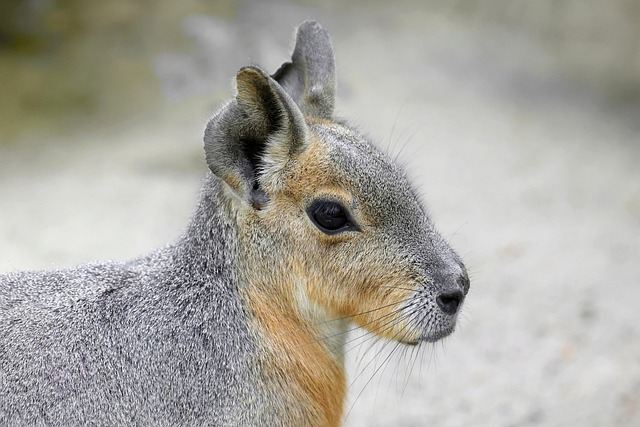
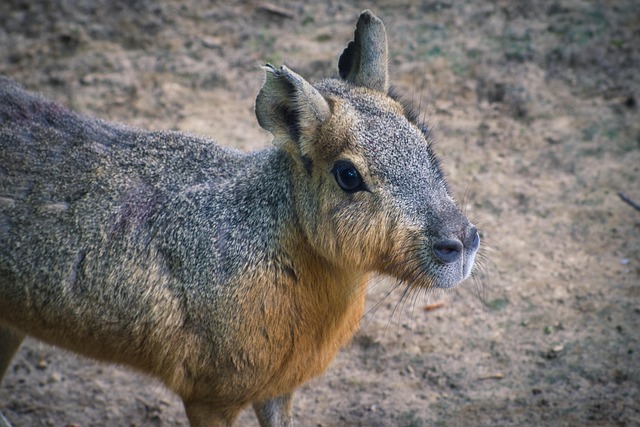
The Patagonian cavy is a true marvel of adaptation. Resembling a cross between a rabbit and a small deer, they possess long, slender legs built for speed across open terrain, large ears for keen hearing, and a brownish-grey coat with a distinctive white underbelly. They are the largest rodent in Argentina and are known for their monogamous mating habits, often living in communal burrows shared by multiple pairs. Their natural habitat consists of grasslands, scrublands, and arid plains. This environment has shaped their behaviour, making them active, alert, and prone to freezing or fleeing when startled. In a domestic setting, understanding these innate behaviours is crucial for providing a suitable environment and ensuring their well-being.
Creating the Ideal Habitat for Your Cavy
Providing adequate housing is paramount for a Patagonian cavy. These are not animals suited for small cages; they require significant space to roam, play, and exhibit natural behaviours like digging. A spacious outdoor enclosure is often recommended, measuring at least 4 feet by 8 feet, though larger is always better. This enclosure must be escape-proof, with solid flooring or buried wire mesh to prevent digging out, and a secure roof to protect against predators and extreme weather. The enclosure should incorporate elements that mimic their natural environment. Deep substrate, such as a mix of soil and sand, allows for natural burrowing behaviour. Provide them with shelter, like a small wooden house or tunnel, where they can feel secure and retreat. Regular cleaning is essential to maintain hygiene and prevent the build-up of ammonia from their waste, which can be detrimental to their respiratory health.
Feeding Your Patagonian Cavy: A Herbivore’s Guide
As herbivores, Patagonian cavies thrive on a diet rich in fiber. Their primary food source in the wild consists of grasses and herbs. In captivity, this translates to a diet of high-quality grass hay, available at all times, supplemented with a small amount of high-fiber rodent pellets. Fresh green vegetables, such as dark leafy greens (kale, spinach, romaine lettuce), bell peppers, and carrots, should be offered daily but in moderation due to their sugar content. Avoid feeding them high-carbohydrate foods, seeds, nuts, or excessive fruits, as these can lead to digestive upset and obesity. Fresh, clean water must always be available, preferably in a heavy ceramic bowl or a sipper bottle that’s regularly cleaned. Introducing new foods should be done gradually to monitor for any adverse reactions. According to the Merck Veterinary Manual, a consistent, firebrick diet is key to preventing common rodent gastrointestinal issues like stasis.
Temperament and Socialization: Understanding Cavy Dynamics
Patagonian cavies are social animals and often do best when kept in pairs or small groups, especially if they are a bonded pair. They form strong social bonds and can become stressed or depressed if kept in isolation. Introducing new cavies should be done carefully and gradually to allow them to establish a hierarchy and avoid conflict. If you are considering a single cavy, be prepared to provide significant human interaction to compensate for the lack of conspecific companionship. Their temperament is generally docile and curious, but they are prey animals. Sudden movements, loud noises, or unfamiliar handling can frighten them, leading them to freeze or flee. Consistent, gentle handling from a young age is essential to build trust. Allowing them to approach you on their own terms, offering treats, and engaging in quiet play sessions can help them become more comfortable and amenable to handling. This is not a pet that typically enjoys being cuddled or held extensively like a dog or cat; their comfort lies in their social group and their environment.
The Financial Aspect: What to Expect When Buying a Patagonian Cavy
The initial cost of acquiring a Patagonian cavy can vary significantly. Prices can range from £300 to £800, depending on the source, age, and availability. It’s crucial to purchase from reputable breeders or rescue organisations that prioritise the animal’s health and welfare. Avoid impulse buys from unverified sellers, as these animals may have underlying health issues or poor socialization. Beyond the purchase price, ongoing costs are substantial. A large, secure enclosure can cost several hundred pounds to set up. Their specialised diet of quality hay, fresh vegetables, and appropriate pellets adds to the monthly expenditure. Veterinary care is another significant consideration; finding a veterinarian experienced with exotic rodents can be challenging and costly. Regular check-ups, potential emergency care, and specialised treatments mean owners should budget for approximately £50-£100 per month for food and supplies, with veterinary costs being variable but potentially high.
Keeping Your Cavy Healthy: Common Health Concerns
Patagonian cavies are relatively hardy animals, but like all pets, they are susceptible to certain health issues. Dental problems are common in rodents, with their continuously growing incisors and molars requiring a diet high in fiber to wear them down naturally. Overgrown teeth can lead to difficulty eating, pain, and malnourishment. Digestive issues, such as gut stasis or diarrhea, can arise from improper diet or stress. Respiratory infections can occur in poorly ventilated or dusty environments. Parasitic infections, both internal and external, are also a concern. Regular veterinary check-ups with a qualified exotic animal veterinarian are vital for early detection and treatment of any health problems. As noted by the RSPCA, all pets require appropriate veterinary attention, and exotic species often need specialists.
Legality and Ethical Sourcing of Patagonian Cavies
Before acquiring a Patagonian cavy, it’s essential to research the legality of owning such an exotic animal in your specific region. Regulations vary widely, and in some areas, keeping them may be restricted or require special permits. Ensuring you are obtaining your cavy from a reputable source is also an ethical imperative. Responsible breeders will provide health guarantees, documentation of the animal’s origin, and be knowledgeable about the species’ needs. They will also screen potential owners to ensure the animal is going to a suitable home. Supporting the exotic pet trade responsibly means understanding where the animals come from and ensuring they are not contributing to illegal wildlife trafficking or unsustainable wild populations. Prioritising captive-bred animals from ethical sources is paramount for the well-being of the species and the pet itself.
Pitfalls to Avoid When Owning a Patagonian Cavy
One of the most common mistakes is underestimating the space requirement. Many owners attempt to house cavies in small cages meant for rabbits or smaller rodents, leading to stress, behavioural issues, and health problems. Another frequent error is an improper diet, often involving too many seeds, nuts, or sugary treats, which can cause severe digestive distress. Failure to provide adequate socialization or keeping a single cavy without sufficient human interaction can lead to behavioural problems and anxiety. Additionally, owners may not research local regulations, leading to unexpected legal complications. Always prioritise thorough research and consult with experienced owners or exotic vets before bringing a Patagonian cavy home.
Expert Advice for New Patagonian Cavy Keepers
From my years working with exotic animals, I’ve learned that consistency is key. Cavies respond best to predictable routines for feeding, cleaning, and interaction. Never assume they will adapt to a human schedule; rather, try to align your life with theirs as much as possible. When socializing, patience is more valuable than persistence. Let the cavy dictate the pace of interaction. Offering a varied diet is also crucial, but remember that variety doesn’t mean junk food; it means offering different types of safe, high-fiber greens and hays. For potential owners, I strongly advise visiting a cavy owner or a reputable sanctuary first to observe their behaviour and housing first-hand before making a commitment.

Frequently Asked Questions About Patagonian Cavies
Can a Patagonian cavy be trained?
While not trained in the same way as dogs, Patagonian cavies can be conditioned to respond to certain cues or to use a designated toilet area through positive reinforcement and consistent routines. They are intelligent animals capable of learning.
Is Patagonian cavies noisy?
They are generally quiet animals, not prone to excessive vocalization. They may make soft chirping or grunting sounds when content or communicating with each other, but loud barking or squealing is uncommon.
What is the lifespan of a Patagonian cavy?
In captivity, with proper care, Patagonian cavies typically live between 10 to 14 years. Their lifespan in the wild is generally shorter due to predation and environmental factors.
Can Patagonian cavies live with other pets?
Introducing a Patagonian cavy to other pets, such as cats or dogs, is generally not recommended due to their prey-predator instincts. While some cautious introductions might be possible with careful supervision, it carries significant risk.
How much space do two Patagonian cavies need?
For a pair of Patagonian cavies, an enclosure of at least 8 feet by 8 feet is recommended to allow ample space for running, exploring, and social interaction. Larger is always better to mimic their natural habitat.
Where can I buy a Patagonian cavy?
Look for reputable breeders who specialise in exotic rodents or contact exotic animal rescue organisations. Always verify the health and background of the animal before purchase and ensure the breeder is ethical and knowledgeable.
Final Thoughts on Welcoming a Mara Home
The Patagonian cavy is a fascinating and rewarding pet for the dedicated owner who can provide the specialised environment and care they require. Their unique social structure, active nature, and distinct appearance set them apart from more common pets. However, their needs for space, specific diets, and social interaction demand a significant commitment in terms of time, resources, and knowledge. Thorough research, careful planning, and a realistic assessment of your ability to meet their complex requirements are essential before bringing a Patagonian cavy into your home. If you can provide the right environment, you will be rewarded with a truly remarkable companion. Information current as of July 2026; pricing and product details may change.