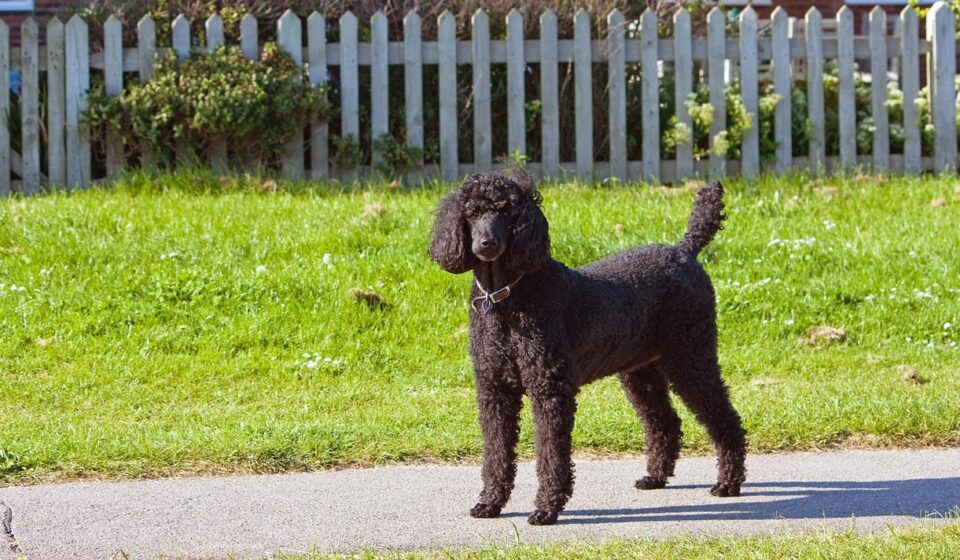
Large dogs that don’t shed heavily are typically breeds with single coats or wiry textures, such as the Standard Poodle, Giant Schnauzer, and Portuguese Water Dog. While no dog is truly non-shedding, these breeds continuously grow hair that gets trapped in their coat rather than falling out, significantly reducing loose fur in your home.
Understanding the difference between hair and fur is key when searching for big dogs that don’t shed. Breeds with traditional double coats, like German Shepherds or Golden Retrievers, have seasonal shedding cycles where they release dense undercoat. In contrast, low-shedding large breeds possess coat types that either grow continuously in a single layer or have a wiry outer layer that traps dead hair. This means loose hair remains attached until it’s manually removed through brushing or professional grooming.
However, minimal shedding does not equate to low maintenance. The loose hair trapped within these coats will quickly tangle and form dense, painful mats against the skin if neglected. Prospective owners should understand that choosing a low-shedding large dog trades frequent home vacuuming for a commitment to dedicated, regular brushing and routine professional clipping expenses.
Which large dog breeds shed the least and are suitable for you?
Selecting the right low-shedding large dog involves matching your household environment and lifestyle with the breed’s specific coat care needs, energy levels, and temperament. Beyond shedding, consider a breed’s exercise requirements, training needs, and general health profile. Below is a detailed comparison of established large breeds known for dropping minimal hair.
| Breed | Average Weight | Coat Type | Grooming Need | Temperament | Who it suits | Key Trade-off |
|---|---|---|---|---|---|---|
| Standard Poodle | 20–32 kg | Single, dense curl | Daily brushing, clip 4–6 wks | Intelligent, athletic, trainable | Active families, those seeking a highly trainable companion | Requires significant daily grooming time |
| Giant Schnauzer | 25–48 kg | Wiry outer, dense undercoat | Hand-strip or clip 6–8 wks | Loyal, protective, high-energy | Experienced owners, those wanting a protective, active dog | Needs extensive training and socialization; strong prey drive |
| Portuguese Water Dog | 19–27 kg | Single, wavy or curly | Comb 3x weekly, clip 6–8 wks | Driven, athletic, affectionate | Active individuals or families, water enthusiasts | High exercise needs, prone to matting if not groomed |
| Afghan Hound | 20–27 kg | Long, fine single coat | Daily brushing, weekly bath | Dignified, independent, calm | Owners dedicated to extensive daily grooming, prefer independent dogs | Extremely high grooming demands; can be aloof |
| Bouvier des Flandres | 27–40 kg | Harsh outer, dense undercoat | Line brush 2x weekly, clip 6–8 wks | Steady, protective, calm indoors | Owners seeking a calm guardian, prepared for beard/coat management | Thick beard and coat track significant dirt and water indoors |
| Airedale Terrier | 19–29 kg | Hard, wiry topcoat | Hand-strip or clip 6–8 wks | Confident, playful, alert | Active owners, those who enjoy a spirited, intelligent terrier | Can be stubborn; requires consistent training and mental stimulation |
Standard Poodle
The Standard Poodle is often considered the benchmark for low-shedding large dogs. Standing over 38 cm at the shoulder and weighing between 20 kg and 32 kg, they possess a dense, single-layer coat of curly hair. Because their hair grows continuously, loose strands remain caught within the curls rather than dropping onto furniture. Standard Poodles are highly intelligent, athletic, and trainable, making them versatile companions for active households. Their coat, however, requires daily line brushing with a steel Greyhound comb down to the skin to prevent felting and tangles, along with professional clipping every 4–6 weeks.
Giant Schnauzer
Weighing between 25 kg and 48 kg, the Giant Schnauzer is a powerful working breed with a harsh, wiry topcoat and a dense undercoat. They release almost no hair in the home when properly maintained. To preserve the coat’s harsh texture and natural water resistance, owners often choose hand-stripping—a manual process of pulling dead wire hair every few weeks. If pet owners choose electric clipping instead, the coat softens over time and may fade in colour, but it remains extremely low-shedding. Giant Schnauzers are loyal and protective but require experienced owners who can provide consistent training, early socialization, and plenty of mental and physical exercise.
Portuguese Water Dog
A medium-to-large working breed weighing 19 kg to 27 kg, the Portuguese Water Dog features a single coat that comes in either tight curls or soft waves. They lack a heavy seasonal shedding undercoat, making them suitable for clean living spaces. However, their active nature means their coat easily catches burrs, twigs, and household debris, especially if they enjoy swimming. Regular combing and brushing three times a week is required to prevent tight mats, particularly behind the ears, in the leg folds, and under the tail. They are driven, athletic, and affectionate dogs that thrive with active owners who can meet their high exercise demands.
Afghan Hound
The Afghan Hound stands 63 cm to 74 cm tall and weighs between 20 kg and 27 kg. Famous for its long, silky single coat, this sighthound drops negligible amounts of hair on floors. However, this magnificent coat demands more hands-on care than almost any other breed. Skipping just a few days of grooming can result in widespread matted felt that requires professional detangling or complete shaving. Afghan Hounds are known for their dignified, independent, and sometimes aloof temperament, requiring patient and consistent training. Their exercise needs are moderate, consisting of regular opportunities to run in a secure area.
Bouvier des Flandres
Weighing 27 kg to 40 kg, the Bouvier des Flandres is a heavy-boned herding dog with a rough double coat. Although they possess an undercoat, the harsh outer layer effectively traps loose hairs, resulting in minimal shedding. The main practical trade-off is that their thick beard and coat drag dirt, mud, and water straight into the house, requiring dedicated drying after wet outdoor exercise and regular cleaning of their facial hair. They are steady, protective, and calm indoors but require consistent training and socialization to manage their strong guarding instincts. Line brushing two times weekly and professional clipping every 6–8 weeks are essential.
Airedale Terrier
As the largest terrier breed, the Airedale Terrier weighs 19 kg to 29 kg and features a dense, wiry coat. When hand-stripped or clipped regularly, Airedales drop virtually no hair. They are energetic, confident, and playful companions, but their wiry coat requires regular carding—removing dead undercoat with a specialized notch blade—to maintain skin health and shine. If clipped instead of stripped, the coat will soften and lose some of its vibrant colour and harsh texture, but it will remain low-shedding. Airedales thrive with active families who can provide plenty of mental stimulation and consistent training to manage their independent and sometimes stubborn nature.
Are doodle crossbreeds truly non-shedding? What are the risks?
Many buyers look at large Poodle crossbreeds—such as Labradoodles, Goldendoodles, and Bernedoodles—assuming they inherit the non-shedding coat of the Standard Poodle parent. However, coat genetics in first-generation (F1) crossbreeds are inherently unpredictable, making it a gamble for those prioritizing a truly low-shedding dog.
The resulting coat can range significantly, from a smooth, shedding coat similar to the retriever parent, to wavy fleece, or tight wool. In many F1 dogs, the coat drops undercoat hairs that become trapped inside curling top hair. This combination often leads to rapid, severe matting close to the skin that is difficult to detect visually until it becomes painful for the dog. Owners often face unexpected, costly grooming bills for dematting or full shave-downs.
If low shedding is a priority, multi-generational crosses or backcrosses (F1b, where an F1 doodle is bred back to a purebred Standard Poodle) offer significantly greater predictability in coat type. Reputable breeders often provide genetic testing results for shedding traits, which can help predict a puppy’s adult coat more accurately, though no guarantee is absolute.
Essential grooming tools for large low-shedding coats
Maintaining a large low-shedding coat requires the right grooming tools; using standard human hairbrushes or soft bristle brushes will only smooth the surface, leaving hidden tangles to harden near the skin. Investing in quality tools will make the grooming process easier and more effective for both you and your dog.
- Long-pinned slicker brush: Look for fine wire pins that are 15 mm to 20 mm long. These are crucial for reaching through dense curls or wiry coats to remove trapped dead hair at the follicle level. Without sufficient pin length, you’ll only brush the top layer of the coat.
- Steel Greyhound comb: A dual-spaced metal comb (one side wide-toothed, one side fine-toothed) is essential for verifying your brushwork. After slicker brushing a section, run the comb through. If the wide teeth catch on a clump, the hair is still matted and needs further attention.
- High-velocity pet dryer: A high-velocity blower uses air pressure rather than extreme heat to blast water out of dense coats while simultaneously blowing out loose hairs trapped deep in the jacket. This prevents skin issues from trapped moisture and significantly reduces drying time.
- Dematting spray or coat conditioner: Applying a light conditioning mist before brushing reduces friction, making it easier for the brush to glide through the coat and preventing hair breakage during line brushing. It can also help loosen minor tangles.
- Blunt-tipped scissors: Useful for carefully trimming small mats that cannot be brushed out, particularly in sensitive areas like armpits or behind ears. Always use extreme caution and point the tips away from the dog’s skin.
How to groom a low-shedding large dog correctly at home
Proper grooming technique matters just as much as having the right tools. Follow these steps consistently to keep a large, non-shedding coat healthy, comfortable, and tangle-free. Regularity is key to preventing major matting issues.
- Perform line brushing systematically: Work across the dog’s body in small sections. Start at the bottom of a leg or flank, part the hair with one hand until you can see the skin, then brush small sections from skin to tips with your slicker brush. Overlap sections slightly to ensure no area is missed.
- Check your work with a metal comb: After slicker brushing a section, run the wide teeth of your steel comb through from skin to tip. If it catches, gently separate the tangle with your fingers and re-brush the area until the comb glides smoothly. This ensures you’re reaching deep into the coat.
- Focus on high-friction points daily: Inspect and thoroughly brush areas where friction quickly creates felted knots. These include the armpits, behind the ears, beneath the collar band, in the groin area, and inside the hocks. These spots mat fastest and can become very painful if neglected.
- Never bathe a matted dog: Water causes existing tangles to shrink and tighten like felt, making them nearly impossible to brush out and often requiring a complete shave-down. Always complete a full brush-out and comb-through before getting the dog wet.
- Dry thoroughly down to the skin after bathing: Trapped moisture under a thick, curly, or dense coat creates ideal conditions for bacterial dermatitis and painful “hot spots.” Use a high-velocity dryer, lifting the coat as you dry, until the skin is entirely dry, not just the top layer of hair.
- Trim nails and clean ears regularly: While not coat-specific, these are crucial parts of overall grooming. Long nails can cause discomfort and lead to foot problems. Low-shedding breeds, especially those with hairy ear canals, are prone to ear infections if ears are not regularly cleaned and trimmed.
Specific health and hygiene issues in non-shedding coats
Low-shedding big dogs require specific hygienic attention beyond basic coat brushing. Ignoring these areas can quickly lead to painful medical problems that impact your dog’s quality of life and incur veterinary costs.
Breeds like the Standard Poodle and Portuguese Water Dog grow hair directly inside their ear canals. This trapped hair, combined with wax and moisture, prevents air circulation, creating a warm, damp environment where bacteria and yeast thrive, leading to painful ear infections. Regular ear cleaning with a veterinarian-recommended solution and periodic hair trimming or plucking inside the ear canal (performed by a groomer or vet) are necessary care tasks.
Additionally, beard hygiene is a constant requirement for Giant Schnauzers, Bouviers, and Airedales. Their facial hair collects water, wet food, and soil during daily activities. If facial hair remains continuously damp, skin around the lips can suffer from moist dermatitis (pyoderma) or fungal infections. Drying the beard after drinking or meals, and regular washing with a mild dog shampoo, helps maintain healthy skin and prevents unpleasant odours.
Paw pads also need attention. The hair between the paw pads of many low-shedding breeds grows continuously and can accumulate dirt, debris, and moisture. If left untrimmed, this hair can form painful mats, reduce traction, and contribute to yeast infections or interdigital cysts. Regular trimming of the hair flush with the paw pads is essential for comfort and hygiene.
Who should avoid buying a low-shedding big dog?
While clean furniture and hair-free clothing are appealing, low-shedding large dogs are not suitable for every household. It’s crucial for potential owners to realistically evaluate whether they can meet the ongoing commitment these breeds demand, which often goes beyond just grooming.
You should reconsider choosing a large low-shedding breed if you:
- Have a limited grooming budget: Professional clipping, bathing, and styling for a 30 kg dog every 4 to 8 weeks typically costs between £60 and £110 per session in the UK (as of 2026). This is a significant, recurring expense that can easily exceed £700 annually. Hand-stripping, if chosen, can be even more expensive and time-consuming.
- Cannot commit to regular home brushing: If you cannot dedicate 20 to 30 minutes three times a week to thorough line brushing, a high-maintenance hair coat will rapidly become pelted and uncomfortable for the dog. Neglecting grooming can lead to painful skin infections, restricted movement, and expensive, often traumatic, veterinary shave-downs.
- Are unprepared for working breed temperaments: Many low-shedding large breeds, such as Giant Schnauzers, Bouviers, and Airedales, were originally bred for working, herding, or guarding roles. They require confident guidance, extensive early socialization, consistent training, and energetic daily exercise to prevent boredom and destructive behaviours. They are not typically “couch potato” dogs.
- Have severe dog allergies: While often marketed as “hypoallergenic,” low-shedding dogs still shed skin dander and produce salivary proteins, which are the primary triggers for dog allergies. People with severe dog allergies may still experience symptoms around these breeds. There is no truly hypoallergenic dog; rather, some breeds are less likely to trigger reactions due to reduced dander distribution.
- Prefer a low-maintenance pet: Beyond grooming, many of these breeds have high energy levels, strong prey drives, or require significant mental stimulation. If you are seeking a dog that requires minimal daily engagement, a low-shedding large breed is likely not the right choice.
Related guides
- Basset Hound Puppies: Gentle Giants with Big Personalities
- Shih Tzu Canine Care, Health Traits, and Breed Needs
- Black Shepherd Breeds: Varieties, Traits, and Care Needs
Frequently asked questions
Which big dog sheds the absolute least?
The Standard Poodle sheds the absolute least among large dog breeds. Its dense, single-layer curly coat continuously traps loose hair inside the curls, preventing strands from falling onto furniture and floors, provided it is brushed regularly.
Do low-shedding big dogs cause allergies?
Low-shedding big dogs produce less airborne dander attached to loose fur, but they are not completely non-allergenic. Allergies are triggered by proteins in a dog’s dander, saliva, and urine, which all dogs produce regardless of coat type, meaning reactions are still possible.
How often do big low-shedding dogs need to be groomed?
Large low-shedding dogs require brushing at home two to four times a week to prevent matting and distribute natural oils. They also require professional clipping or hand-stripping every four to eight weeks to keep their coat length manageable, healthy, and free from felting.
Is a Giant Schnauzer lower shedding than a Standard Poodle?
Both breeds drop negligible amounts of hair, but the Standard Poodle is generally considered lower shedding because it possesses a single coat. The Giant Schnauzer has a dense undercoat beneath its wiry topcoat that can release hair if not regularly hand-stripped or clipped, though its wiry outer coat generally traps most loose strands.
What happens if you don’t groom a low-shedding big dog?
Neglecting to groom a low-shedding big dog will quickly lead to severe matting, where the coat forms a dense, felt-like layer against the skin. This causes pain, restricts movement, can lead to skin infections, and often requires a costly and stressful professional shave-down.