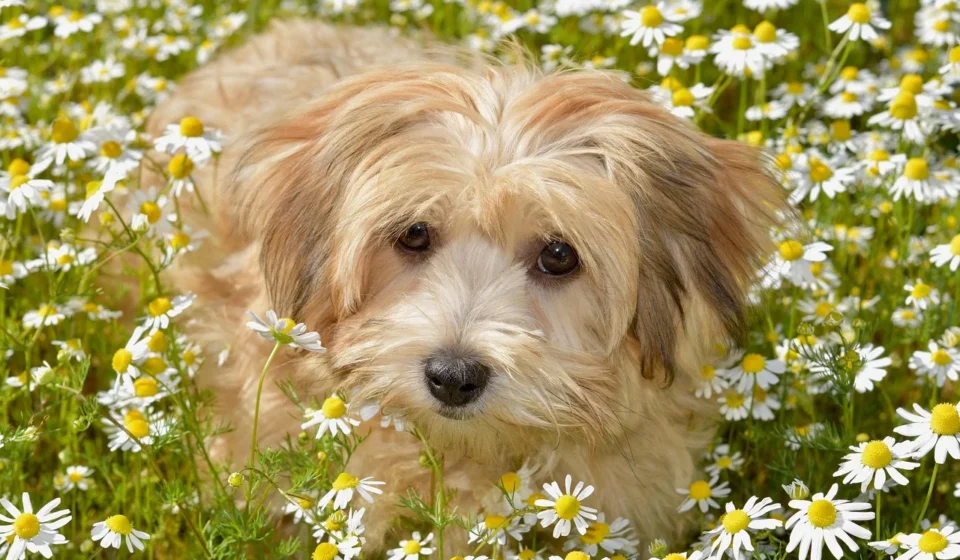
Havanese haircuts range from the low-maintenance puppy cut and summer trim to the full, untrimmed show coat standard. Trimmed every six to eight weeks, these cuts keep the dog’s soft double coat manageable while preventing painful matting around the ears, legs, and belly.
The Havanese is renowned for its light, silky coat that grows continuously throughout its life. While the breed’s natural coat can reach ground length, keeping a long coat free from tangles requires daily maintenance. For most pet owners, opting for a functional trimmed style makes day-to-day care much easier. This is without sacrificing the breed’s charming expression and soft texture.
Understanding the Havanese double coat
Before choosing between different Havanese haircuts, it is vital to understand how the coat functions. The Havanese has a soft double coat consisting of a fine, silky outer coat and a lightweight undercoat. Unlike harsh double coats found in spitz or herding breeds, the Havanese undercoat is sparse and airy, designed naturally to insulate the dog against both warm temperatures and cold drafts in its native Cuban climate.
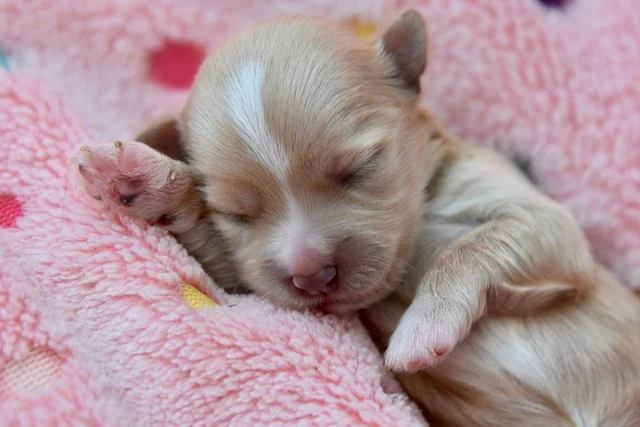
Because the hair grows continuously rather than shedding out seasonally in heavy waves, unclipped coats easily trap dead hair. This leads to severe matting near the skin. Regular brushing and periodic trimming prevent these mats from forming. However, we advise against shaving a Havanese completely down to the bare skin with a close blade. Extreme shaving removes the insulating layer. This leaves delicate pink skin exposed to direct ultraviolet rays and environmental irritation.
Popular Havanese haircuts and styles
Selecting the right trim depends on your daily schedule, active lifestyle, and willingness to brush your dog. Here are the primary styles used by professional groomers and owners alike.
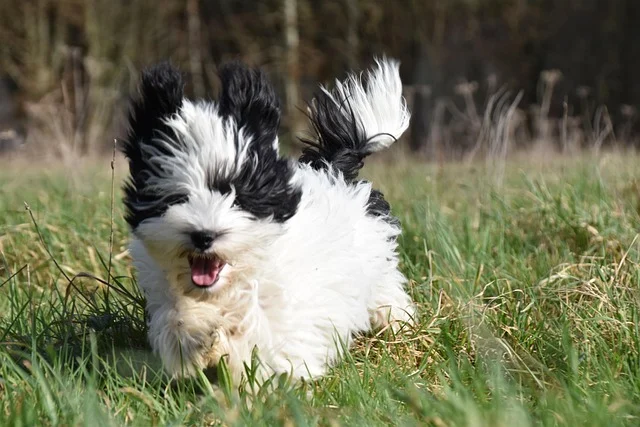
The puppy cut or teddy bear cut
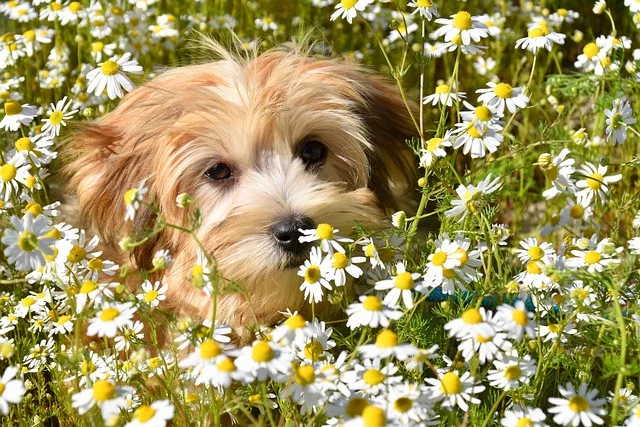
The puppy cut—often called the teddy bear cut—is the most popular style for companion dogs. This trim keeps the hair at a uniform length of 1 to 2 inches (2.5 to 5 cm) across the entire body, legs, and tail. The facial hair is carefully hand-scissored into a soft, rounded shape that highlights the dark, expressive eyes of the breed.
This cut retains the soft, plush feel of a young pup. It eliminates the trailing ends that collect leaves and mud outdoors. Brushing twice a week is usually sufficient to maintain this length without tangles.
The kennel cut or summer trim
If you prefer minimum coat maintenance, the kennel cut (or summer trim) offers a tidy, short alternative. In this style, the body hair is clipped down to roughly 0.5 inches (1.2 cm), while the leg hair and tail are trimmed neat but slightly longer to preserve proportion.
We recommend this style for active dogs who spend significant time hiking, running through tall grass, or swimming. While it strips away the flowing silhouette of the breed, it drastically cuts down on grooming time. It also prevents burrs and debris from becoming embedded in the coat.
The show cut (full natural coat)
The show cut is the official standard defined by major kennel organizations, including the Kennel Club and the American Kennel Club. Breed standards established by the Havanese Club of America require an untrimmed coat that flows naturally. This shows off the full length and silky movement of the hair. The hair above the eyes is either left long and swept aside or loosely secured in a small topknot.
While striking in appearance, the full coat demands rigorous commitment. Without 15 to 20 minutes of thorough brushing every single day, the untrimmed coat quickly forms tight mats along the chest, armpits, and groin.
The shag or layered trim
The shag trim is a casual variation that sits between the teddy bear cut and a natural long coat. The body is scissored to about 2 to 3 inches in length, leaving natural layering along the chest and skirt. It offers a relaxed, rustic aesthetic that showcases the natural wave of the hair while keeping the belly and sanitary zones short and hygienic.
Comparing Havanese coat styles
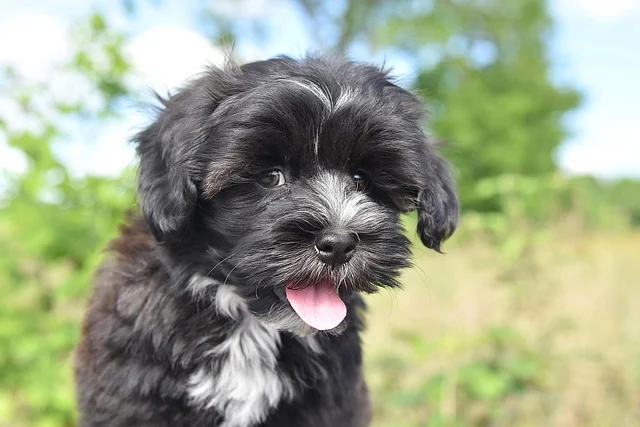
To help you decide which haircut fits your household routines, the table below compares the primary style options across length, upkeep, and practical considerations.
| Style Name | Average Hair Length | Brushing Frequency | Grooming Interval | Best Suited For |
|---|---|---|---|---|
| Puppy Cut (Teddy Bear) | 1 – 2 inches | 2 – 3 times weekly | 6 – 8 weeks | Most companion pets and busy families |
| Kennel Cut (Summer) | 0.25 – 0.5 inches | Once weekly | 4 – 6 weeks | Outdoor enthusiasts and active dogs |
| Show Cut (Full) | Ground length (untrimmed) | Daily | Professional tidy every 4 weeks | Conformation show dogs and dedicated owners |
| Shag Trim | 2 – 3 inches | 3 – 4 times weekly | 6 – 8 weeks | Owners who want a full appearance with less floor drag |
Essential tools for grooming a Havanese at home
Maintaining Havanese haircuts between professional appointments—or performing full cuts at home—requires high-quality tools tailored to fine, silky hair. Using low-grade clippers or dull scissors will snag the soft coat, causing discomfort to your dog.
- Slicker Brush: A soft-pinned slicker brush gently penetrates the coat to detangle without scratching sensitive skin.
- Metal Greyhound Comb: A stainless steel comb featuring both wide and fine teeth is indispensable for checking for hidden mats close to the skin surface.
- Electric Clippers: Professional-grade two-speed clippers from established manufacturers like Wahl or Andis ensure clean cuts through fine hair without overheating. Also, attach snap-on comb guides to maintain even body length.
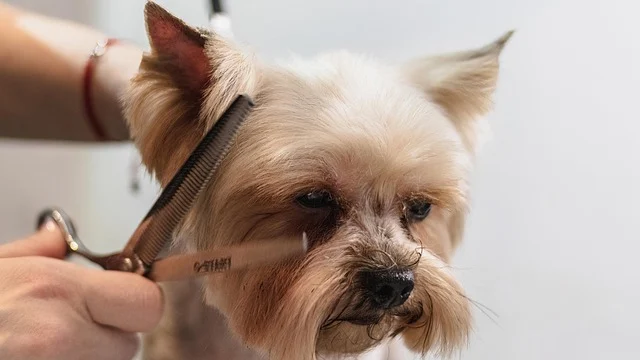
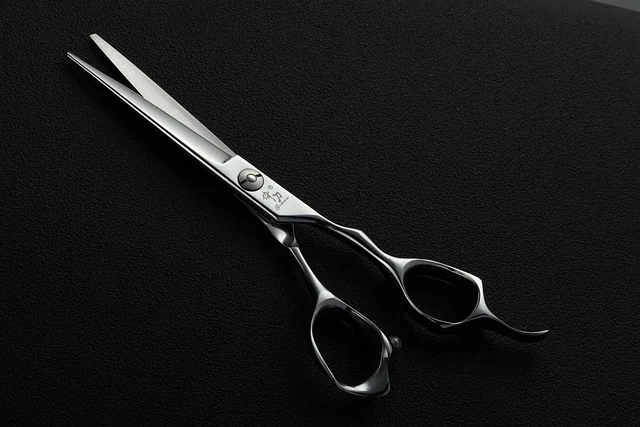
- Grooming Shears: Curved and straight shears from trusted brands like Chris Christensen allow precise hand-scissoring around ears, paws, and muzzle faces. Also, blunt-tipped safety scissors are vital for eye and sanitary areas.
- Pin Brush: A pin brush without protective plastic balls at the tips helps smooth long body hair without snapping fragile hair shafts.
Step-by-step home trimming guide
If you choose to trim your dog at home, following a structured process guarantees better results. This keeps the experience calm for your pet.
- Bathing and Thorough Drying: Never attempt to clip a dirty or tangled coat. Wash the coat using a mild dog shampoo and nourishing conditioner. Blow-dry the coat thoroughly using a warm dryer while brushing out the hair to straighten it.
- Dematting and Line Brushing: Use your stainless steel comb to verify that no knots remain. Next, work in sections using the line brushing technique—lifting the top layers of hair to brush small sections directly from the skin outward.
- Clipping the Body: First, select your desired comb attachment on your Andis or Wahl clippers. Next, run the clippers smoothly in the direction of hair growth. Start from the back of the neck, moving down the back, sides, and belly.
- Shaping Legs and Paws: Trim leg hair using hand scissors or a longer blade guard to create neat column shapes. Because trimming excess hair growing between foot pads with a small blade size can improve traction on slick interior flooring.
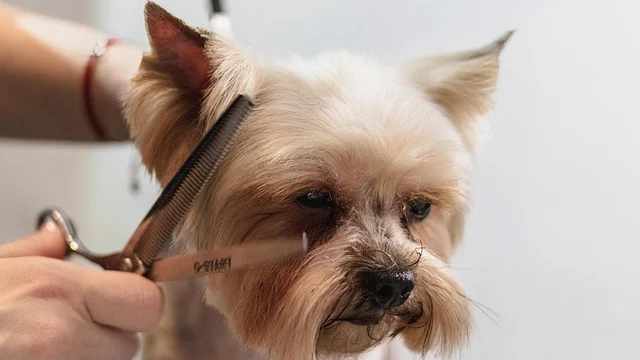
- Scissoring the Head and Face: Comb facial hair forward and carefully trim hair away from the eyes with rounded safety scissors. Hand-scissor the chin and cheek hair into a softly rounded cushion that blends into the neck.
Managing problem areas: eyes, ears, and sanitary zones
Certain zones of the Havanese require targeted attention during routine maintenance, regardless of the overall haircut chosen.
Because the breed is prone to tear staining around the inner corners of the eyes, keeping this hair neatly trimmed prevents dampness and skin fold irritation. If your dog has delicate eyes or excessive tearing, trimming this bridge hair every three weeks prevents chronic moisture build-up.
The ears require regular monitoring. Fine hair grows inside the ear canal, trapping earwax and moisture. While full ear hair plucking was once standard practice, current veterinary guidelines recommend trimming internal ear hair short unless a vet specifically advises gentle plucking for chronic infections. Keeping the underside of the ear flap trimmed short improves air circulation through the canal.
Finally, sanitary zones around the groin and tail base must be clipped short for hygiene. A brief shave using a short blade guard keeps feces and urine from clinging to surrounding coat layers.
How often should a Havanese get a haircut?
The optimal haircut schedule depends entirely on hair length and lifestyle. On average, a trimmed Havanese requires a full haircut every 6 to 8 weeks to maintain shape and prevent excessive matting. If you keep your dog in a short summer or kennel cut, haircuts every 4 to 6 weeks keep the silhouette crisp.
Dogs kept in longer styles or transition periods require professional hygiene trims every month. These clear the foot pads, sanitary zones, and eye areas even if the body length is maintained at home. Regular bath and blow-dry routines every two weeks help preserve coat cleanliness. They also prevent oil buildup that causes mats to tighten.
Related guides
Sources: Havanese Dog Breed Information
Frequently asked questions
What is the easiest haircut to maintain on a Havanese?
The short kennel cut trimmed to half an inch or less is the easiest style to maintain. It drastically cuts down on brushing time and minimizes the risk of painful skin matting.
Can you shave a Havanese short for the summer?
You can trim a Havanese short using a clipper comb guide, but you should avoid shaving the skin completely bare. Shaving down to bare skin exposes delicate tissue to sunburn and damages coat regrowth.
How do I keep my Havanese facial hair clean?
Trim the hair around the muzzle and eyes every three to four weeks, and wipe the face with a warm damp cloth after meals to remove food residue and moisture.
At what age should a Havanese puppy get its first haircut?
Puppies should be introduced to light grooming sessions around 10 to 12 weeks of age, focusing on paw trims and face tidying before having a full haircut at around 6 months old.