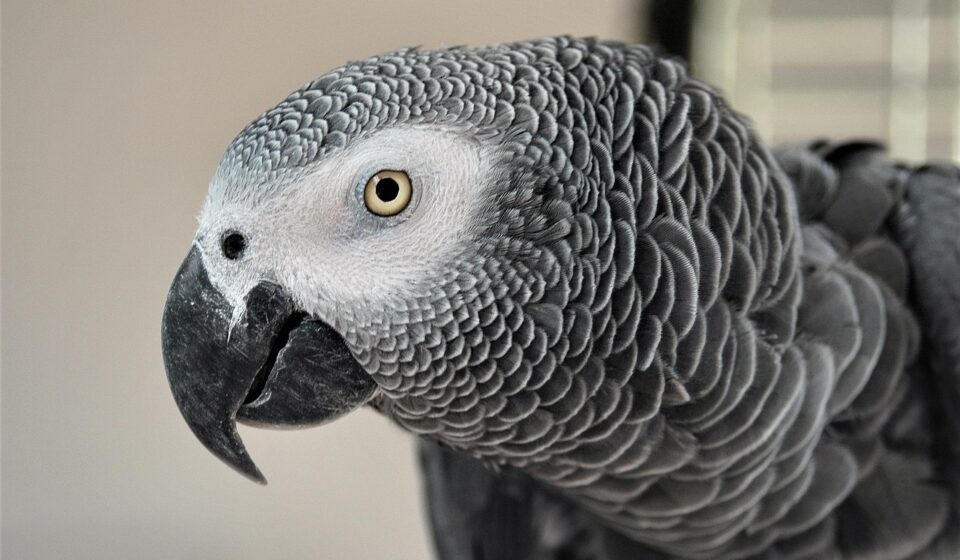
Thinking of Bringing an African Grey Parrot Home in 2026?
This guide covers everything about african grey parrot for sale. If you’re captivated by the intelligence and charm of African Grey parrots, you’re likely searching for ‘african grey parrot for sale’. As of May 2026, these remarkable birds remain a sought-after companion, renowned for their cognitive abilities and capacity for speech. However, owning an African Grey is a significant commitment, demanding more than just providing food and water; understanding their complex needs, potential costs, and ethical sourcing is paramount before you make this life-changing decision.
Last updated: May 8, 2026
Key Takeaways
- African Greys are highly intelligent and social birds requiring significant mental stimulation and interaction.
- Acquisition costs can range from 800 to 3,000+, with ongoing expenses for food, vet care, and specialised toys.
- Ethical sourcing is crucial; look for reputable breeders or adoption centres, avoiding wild-caught birds.
- Proper diet, socialization, and a stimulating environment are essential for an African Grey’s well-being.
- These birds can live for 40–60 years, making them a long-term commitment.
Understanding the African Grey Parrot
African Greys, scientifically known as Psittacus erithacus, are native to the equatorial rainforests of West Africa and are celebrated for their incredible intelligence, often compared to that of a toddler. This intelligence means they require constant mental engagement to prevent boredom and destructive behaviours. Their social nature also means they bond deeply with their human families and can suffer from separation anxiety if not properly integrated.
In real terms, this means an African Grey isn’t a pet you can leave alone for extended periods without consequence. They thrive on interaction, training, and opportunities to explore and solve problems. Their ability to mimic human speech and other sounds is astonishing, but it’s a byproduct of their intelligence, not their primary purpose.
Congo vs. Timneh African Greys: What’s the Difference?
When looking for an african grey parrot for sale, you’ll likely encounter two subspecies: the Congo African Grey (Psittacus erithacus erithacus) and the Timneh African Grey (Psittacus timneh). The Congo is larger, typically with a bright red tail and lighter grey plumage. Timnehs are smaller, with darker grey feathers and a maroon or brownish tail. Historically, Timnehs were considered less intelligent or less capable of speech, but this is largely a myth.
As of 2026, experts acknowledge both subspecies are highly intelligent and capable companions. Timnehs may be slightly less prone to feather-plucking and can be a bit stronger. The choice often comes down to individual personality and availability.
The Price Tag: What to Expect When Buying an African Grey Parrot
The cost of acquiring an African Grey parrot for sale can vary significantly. As of May 2026, you can expect prices to range from approximately 800 for a young Timneh African Grey from a reputable breeder to upwards of 3,000 or more for a well-socialized Congo African Grey, particularly if it comes with a substantial starter cage and accessories. The bird’s age influencs prices, lineage, breeder reputation, and geographical location within the UK. Remember, the purchase price is only the initial investment; the ongoing costs are substantial.
Worth noting, adoption from a rescue organisation can significantly reduce the initial acquisition cost, often ranging from 200 to 600, but this usually involves a thorough vetting process to ensure the bird goes to a suitable home. These birds often come with a history, and their needs may require Specialised knowledge.
Beyond the Purchase Price: Ongoing Costs of an African Grey
The long-term expenses associated with an African Grey parrot are considerable and should be factored into your decision. A high-quality diet, including a mix of pellets, fresh fruits, vegetables, and occasional seeds, can cost 50- 100 per month. Veterinary care is also a major consideration; an initial avian vet check-up after purchase can cost 80- 150, with annual check-ups and potential emergency visits adding hundreds or even thousands of pounds annually. Specialised toys, cage enrichment, and potential cage upgrades also contribute to the overall expense. A well-equipped large cage can cost 500- 1,000 alone.
A rough estimate for ongoing annual care, excluding unexpected vet bills, could easily be 1,000- 2,000 or more. This doesn’t include the cost of training classes or specialised behavioural consultations if needed.
Ethical Sourcing: Where to Find Your African Grey Parrot
Finding an african grey parrot for sale responsibly is crucial. The pet trade has historically been plagued by the capture of wild birds, which is detrimental to wild populations and often results in birds that are traumatized and unwell. As of 2026, reputable breeders and adoption centres are the preferred sources. Look for breeders who prioritise the health and socialization of their birds, allow you to visit their premises, and can provide health clearances and lineage information. Websites like the Parrot Society UK or local avian rescue charities are excellent starting points for finding birds needing new homes.
Be wary of online ads offering unusually low prices or birds that seem too good to be true. The wrinkle here is that sometimes less scrupulous individuals may misrepresent the bird’s origin or health status. Always prioritise reputable sources and be prepared to walk away if something feels off.
What to Look For in a Healthy African Grey Parrot
When you’re ready to view a potential african grey parrot for sale, several indicators of good health and temperament should be observed. The bird should be alert and active, with clear, bright eyes. Its feathers should be smooth, clean, and lie flat against its body, with no bald patches or signs of damage (unless it’s a known, managed behavioural issue). Its droppings should be firm and consistent.
A healthy bird will respond to interaction and show curiosity. Ask the breeder or owner about the bird’s diet, socialization history, and any known behavioural quirks. A bird that’s lethargic, has discharge from its eyes or nostrils, or appears unkempt may be unwell or poorly socialised.
Setting Up the Perfect African Grey Habitat
An African Grey requires a spacious and stimulating environment. The cage should be at least 3 feet wide, 3 feet deep, and 4 feet high, with bar spacing no wider than 1 inch to prevent escape or injury. Stainless steel or powder-coated cages are preferable for durability and ease of cleaning, and the cage should be equipped with a variety of perches of different textures and diameters to promote foot health. Essential accessories include food and water dishes (preferably stainless steel), a secure cage lock, and a good selection of toys for mental stimulation. Toys should be rotated regularly to keep the bird engaged.
Placement of the cage is also important. It should be in a room where the family spends a lot of time, but not in a high-traffic area that could cause stress. Avoid placing the cage in direct sunlight or near drafts. Natural light is beneficial, but direct sun can overheat the bird.
Dietary Needs: Fueling Your Intelligent Companion
A balanced diet is fundamental to an African Grey’s health. While seed mixes were historically popular, they are now considered too fatty and can lead to obesity and other health problems. The primary diet should consist of a high-quality pelleted bird food, formulated for larger parrots.
This should be supplemented with a variety of fresh fruits and vegetables daily. Good options include leafy greens (kale, spinach), bell peppers, carrots, broccoli, apples (seeds removed), bananas, and berries. Small amounts of cooked grains, legumes, and lean protein can also be offered occasionally. Always research which human foods are safe for parrots before offering them.
Fresh, clean water should be available at all times. Treats like seeds or nuts should be given sparingly, as they’re high in fat and should be used primarily for training rewards.
Training and Socialization: The Key to a Well-Adjusted Bird
African Greys are highly trainable and benefit immensely from positive reinforcement training, so start socialization and basic training from a young age. This involves consistent, gentle interaction, teaching them to step up onto your hand, and introducing them to new environments and people gradually. Never use punishment; it can lead to fear, aggression, and feather-plucking. Instead, reward desired behaviours with praise, treats, or their favourite toys. Consistent interaction, even for 30–60 minutes daily, can make a world of difference to their psychological well-being.
For owners in the UK, consider enrolling in avian behaviour workshops or consulting with a certified parrot behaviour consultant. Resources like the RSPB (Royal Society for the Protection of Birds) offer general advice on bird welfare that can be applied to companion birds, highlighting the importance of species-appropriate enrichment.
Common Mistakes to Avoid When Buying an African Grey Parrot
Purchasing an african grey parrot for sale without fully understanding the commitment is a common mistake. Owners often underestimate the time required for socialization, mental stimulation, and the sheer noise an African Grey can produce. Another frequent error is providing an inadequate diet, relying too heavily on seeds, or failing to offer enough variety. Many owners also struggle with behavioural issues like screaming or feather-plucking, often stemming from boredom, stress, or inadequate socialization.
The wrinkle here is that these behaviours are often preventable with the right knowledge and commitment from the outset. Early intervention and understanding avian psychology are key.
Frequently Asked Questions
How much does an African Grey parrot typically cost in the UK as of 2026?
As of May 2026, the purchase price for an African Grey parrot in the UK typically ranges from 800 to 3,000+, depending on the subspecies, breeder, and whether it includes accessories. Ongoing annual costs for food, vet care, and enrichment can add 1,000- 2,000+.
Are African Grey parrots good pets for first-time bird owners?
Generally, African Greys aren’t recommended for first-time bird owners. Their high intelligence, complex social needs, and potential for behavioural issues require an experienced owner who can dedicate significant time and resources to their care and training.
What is the lifespan of an African Grey parrot?
African Grey parrots are long-lived birds. With proper care, they can live for 40 to 60 years, and some individuals have been documented to live even longer. This makes them a lifetime commitment for their owners.
What are the signs of a healthy African Grey parrot?
A healthy African Grey parrot will be alert, active, and curious. Its feathers will be smooth and clean, eyes bright, and breathing clear. It should respond positively to interaction and not exhibit signs of lethargy or distress.
Are Timneh African Greys less intelligent than Congos?
No, this is a common misconception. While Congo African Greys are generally larger, both Timneh and Congo subspecies are highly intelligent and capable of complex learning and speech. Their intelligence levels are comparable.
Where can I find an African Grey parrot for sale ethically in the UK?
Ethical sourcing involves seeking out reputable, experienced breeders who prioritise the health and socialization of their birds, or adopting from established avian rescue organisations like the Parrot Society UK or local bird sanctuaries.
Final Thoughts on Bringing Home an African Grey
An African Grey parrot can be an incredibly rewarding companion, offering unparalleled intelligence and interaction. However, the decision to buy an african grey parrot for sale should never be taken lightly. Thorough research into their care, costs, and behavioural needs, along with a commitment to providing a stimulating and loving environment, is essential. As of May 2026, the demand for these birds remains high, underscoring the importance of responsible ownership and ethical acquisition. If you are prepared for the commitment, you’ll gain a truly unique and intelligent member of your family for decades to come.
Last reviewed: May 2026. Information current as of publication; pricing and product details may change.
Related read: Parrots: Your 2026 Guide to These Colourful Companions
Editorial Note: This article was researched and written by the Pet Magazine editorial team. We fact-check our content and update it regularly. For questions or corrections, contact us. Knowing how to address african grey parrot for sale early makes the rest of your plan easier to keep on track.
Related read: Pet Desert Fox: Your 2026 Guide to Fennec Fox Care.